Want a garden that looks beautiful no matter the season?
Seasonal garden planning decor ideas help you refresh your outdoor space with plants, colors, and accents suited to every time of year.
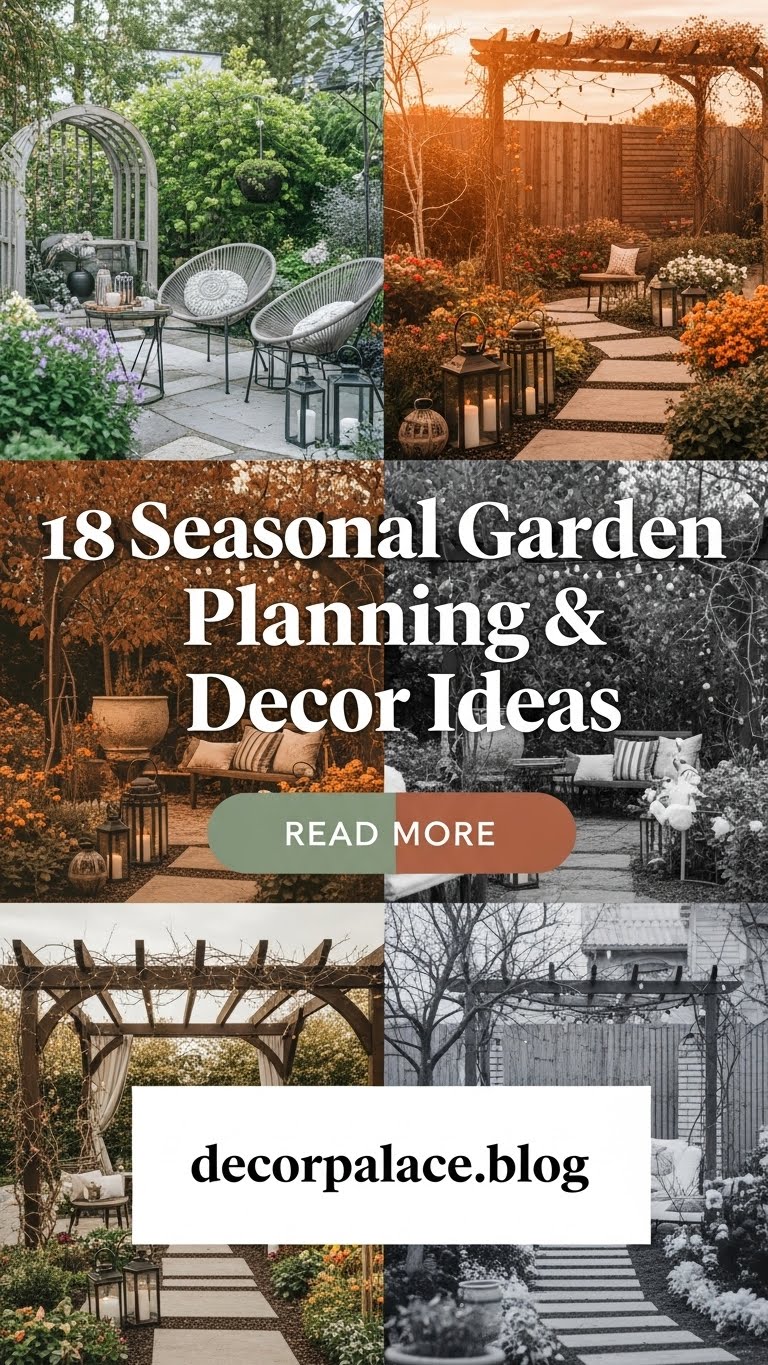
These 18 seasonal garden planning garden ideas will help you design, organize, and maintain a thriving outdoor space throughout the year.
From spring blooms to winter greenery, you’ll find inspiration for every season.
1. Spring Bulb Planning for Early Color
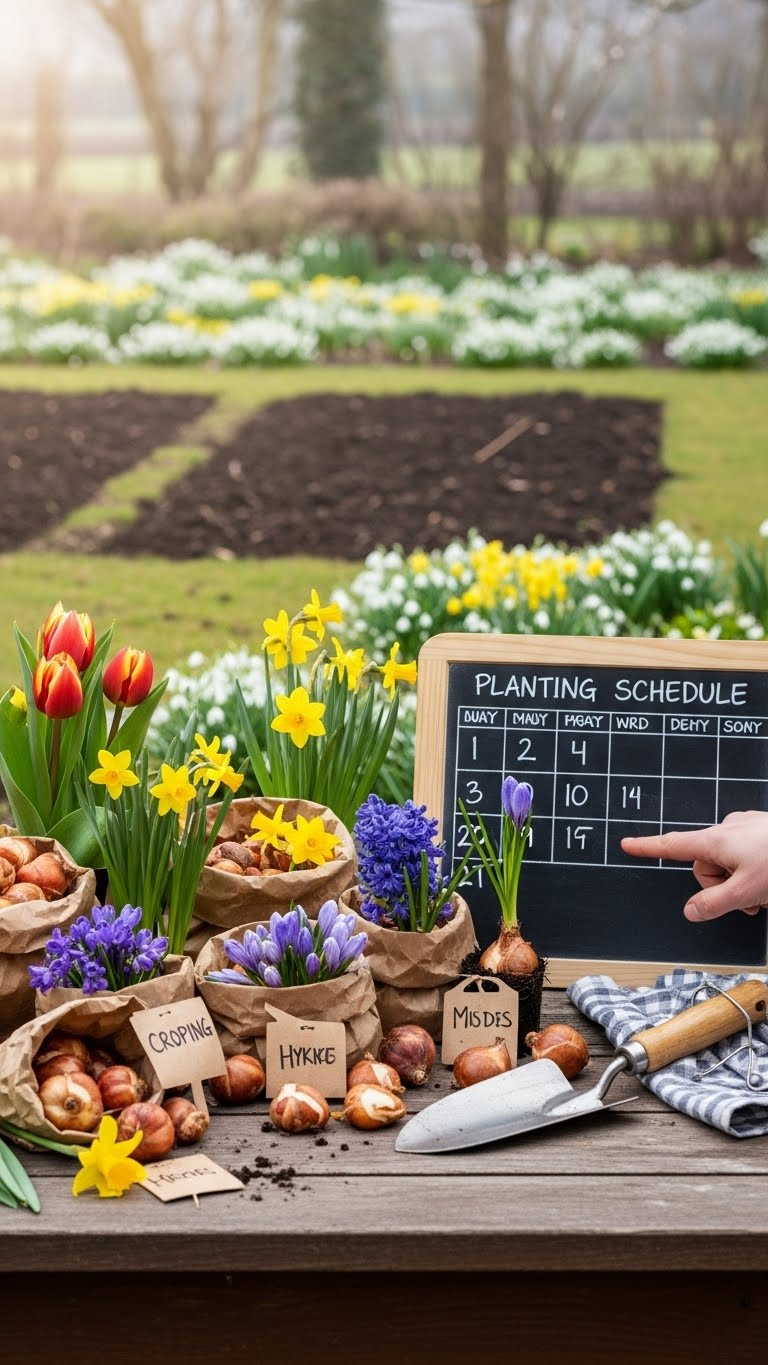
Planting spring bulbs like tulips and daffodils ensures a colorful start to your gardening year. Planning their placement ahead of time creates a vibrant, coordinated display.
Mix early bloomers with mid-season flowers for continuous interest. Spring planning gives your garden an instant mood boost as the season changes.
2. Summer Vegetable Garden Layouts
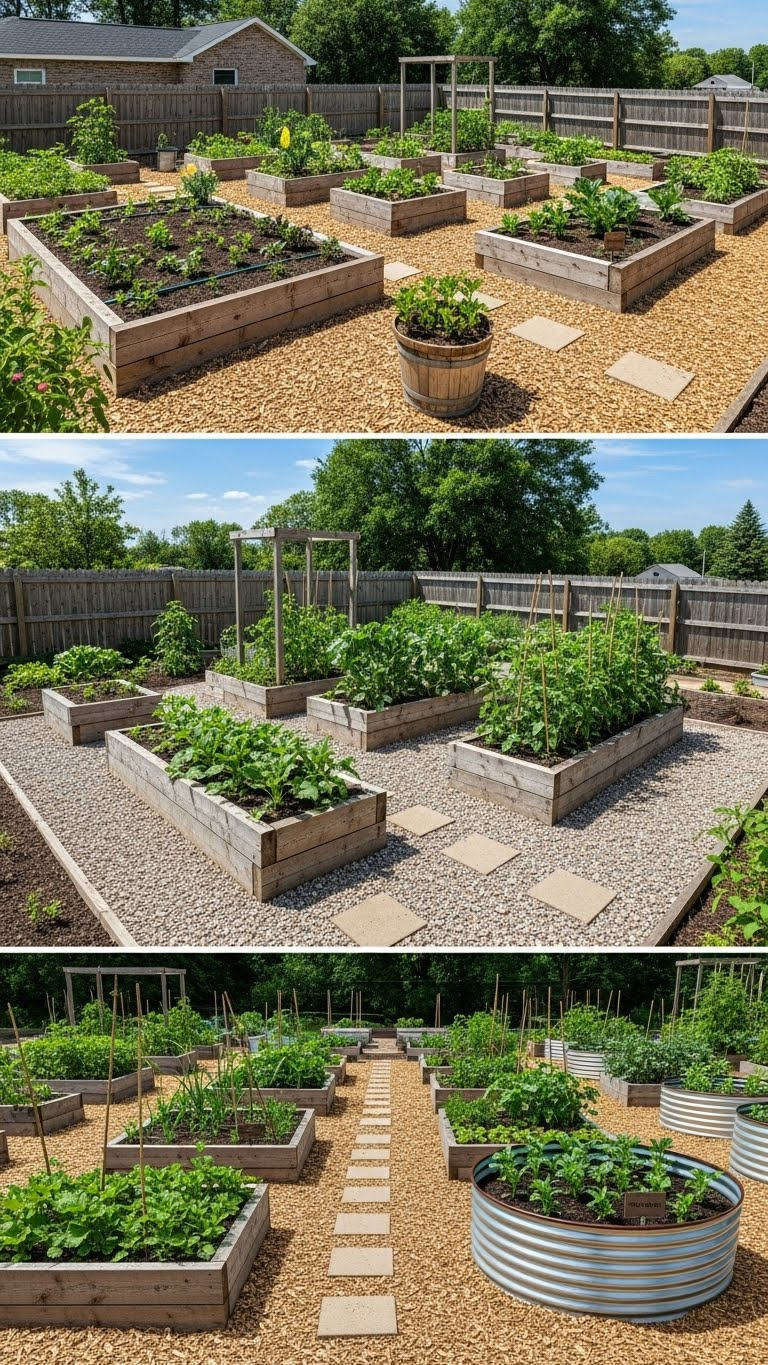
Summer is perfect for growing vegetables and herbs. Planning raised beds or container gardens ensures optimal sunlight and easy access.
Group plants with similar watering and sunlight needs to simplify maintenance. A well-planned summer garden maximizes both yield and visual appeal.
3. Fall Foliage and Color Planning
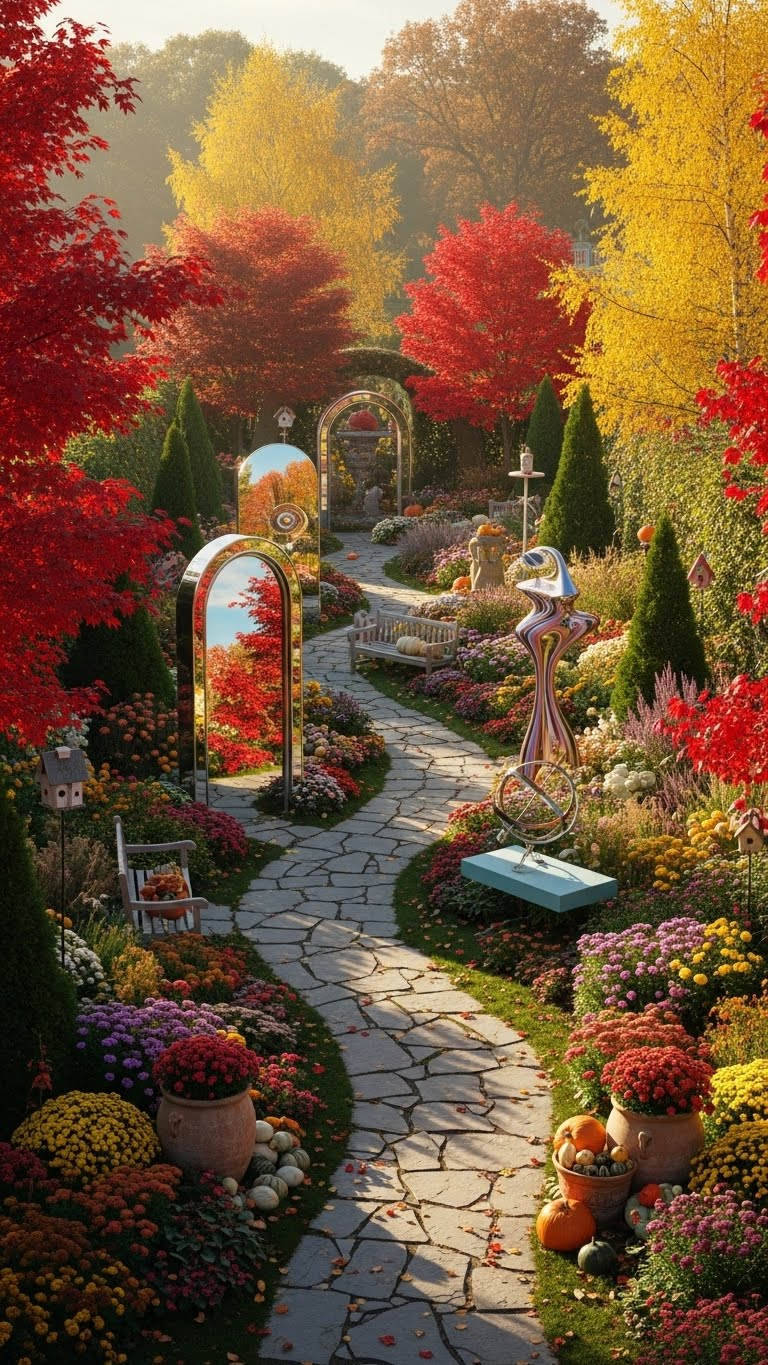
Incorporate trees and shrubs that show rich fall colors. Planning for seasonal foliage adds texture and warmth to your garden’s autumn landscape.
Mix deciduous and evergreen plants for contrast. Fall planning keeps your garden interesting even as temperatures cool.
4. Winter Interest with Evergreens and Hardscapes
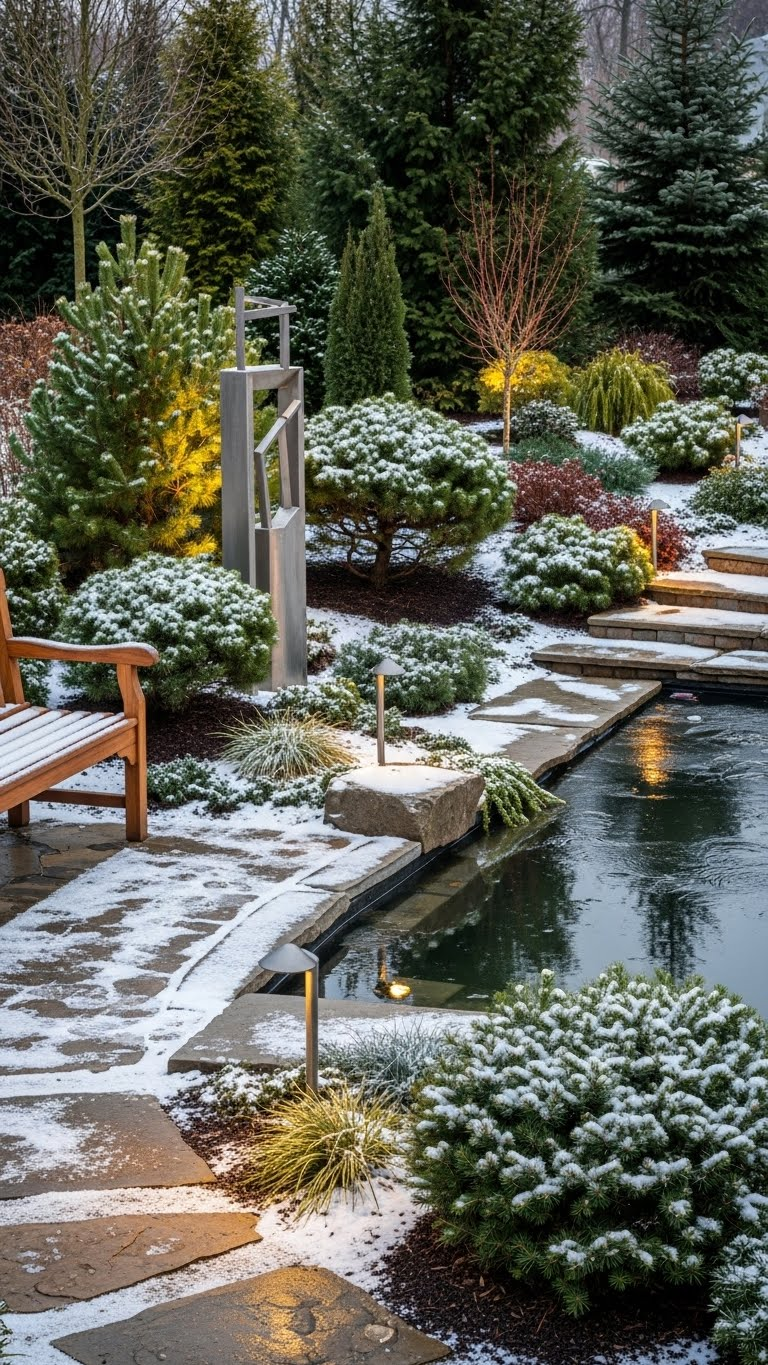
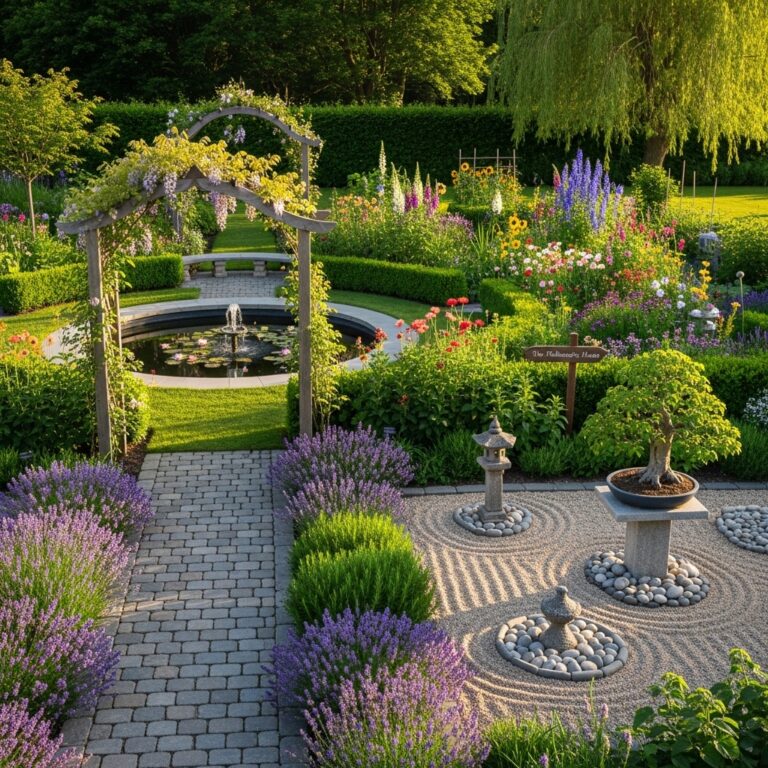
Evergreens, ornamental grasses, and structural elements like stone paths provide winter appeal. Seasonal planning ensures your garden doesn’t feel empty when most plants are dormant.
Add lighting or decorative containers to brighten darker months. Winter planning creates a cozy, year-round outdoor aesthetic.
5. Succession Planting for Continuous Blooms
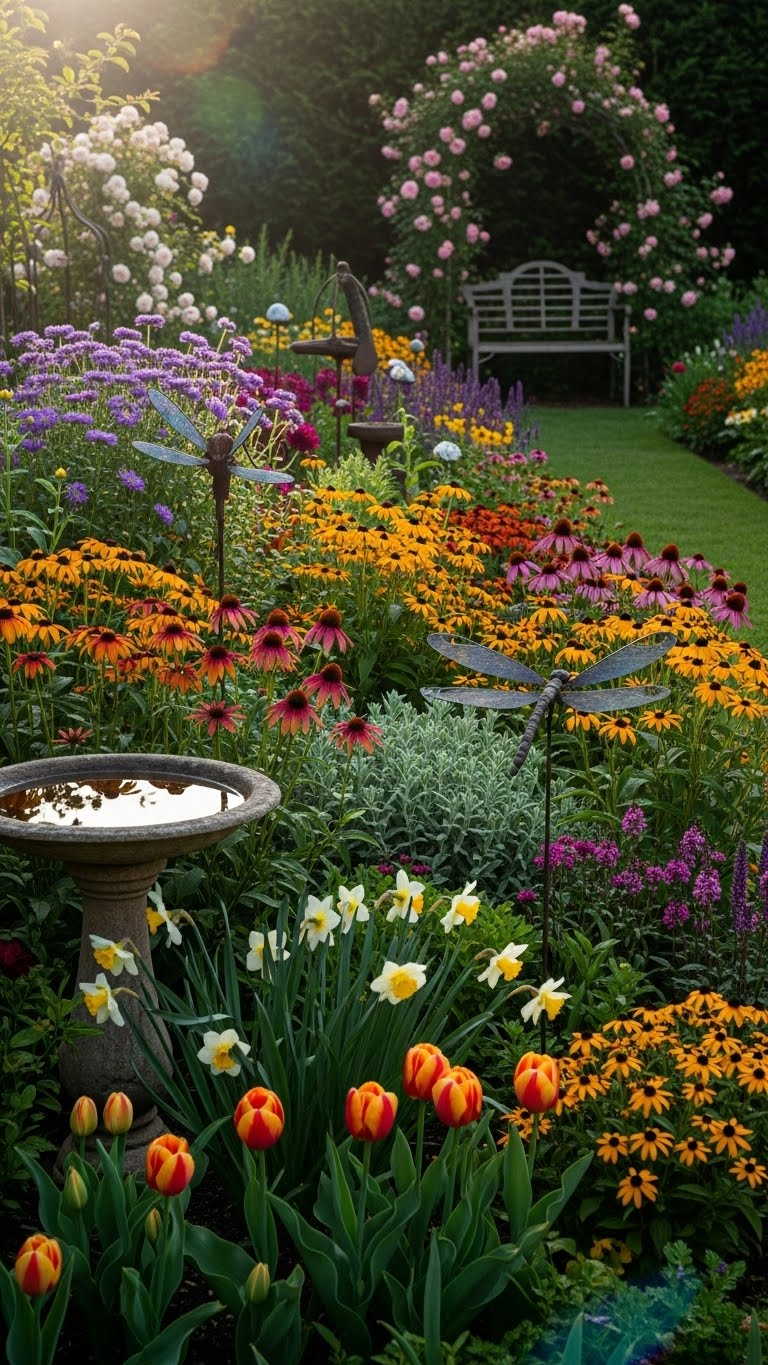
Planning for succession planting ensures your garden blooms from spring to fall. Staggered planting of flowers keeps color flowing throughout the year.
This technique works for annuals, perennials, and vegetables. Succession planning guarantees a lively, ever-changing garden display.
6. Companion Planting for Healthier Gardens
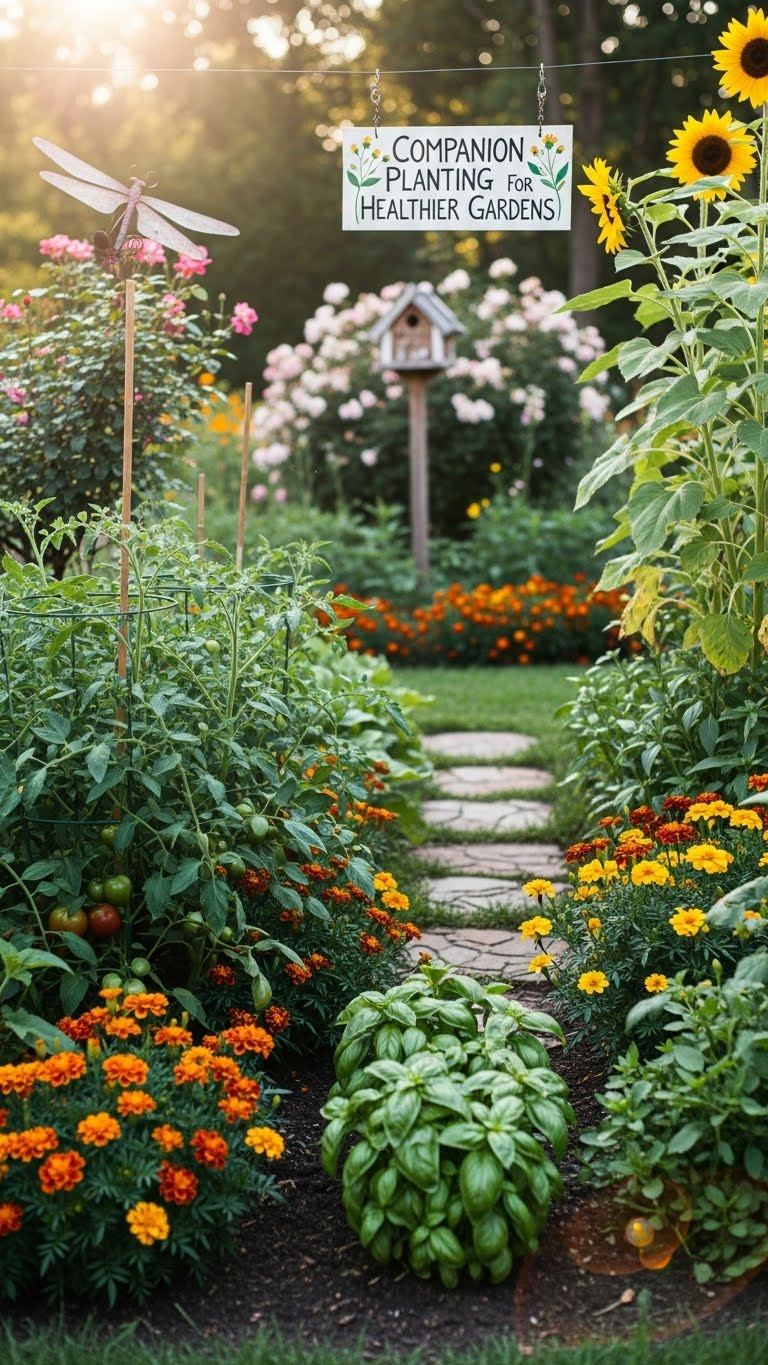
Companion planting pairs plants that support each other’s growth. Planning this in advance reduces pests and improves yields naturally.
Examples include planting basil near tomatoes or marigolds with vegetables. Strategic seasonal planning fosters a thriving, eco-friendly garden.
7. Perennial Plant Placement for Long-Term Planning
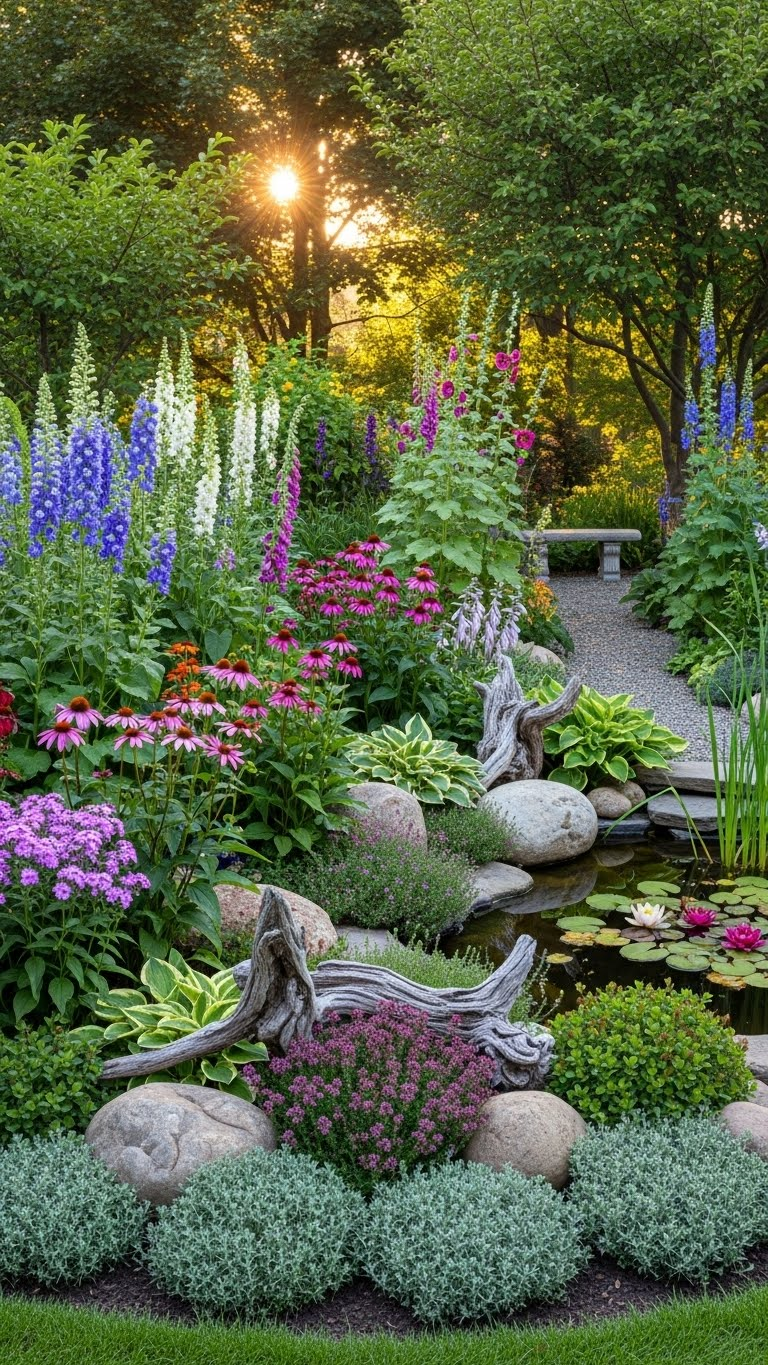
Choosing the right spots for perennials ensures they return year after year. Planning layout early prevents overcrowding and maintains garden balance.
Read more:
25+ Backyard Garden Ideashttps://decorpalace.blog/25-backyard-garden-ideas/
Consider height, bloom times, and color coordination. Perennial planning simplifies seasonal care and ensures a beautiful, low-maintenance garden.
8. Indoor-to-Outdoor Transition for Container Plants
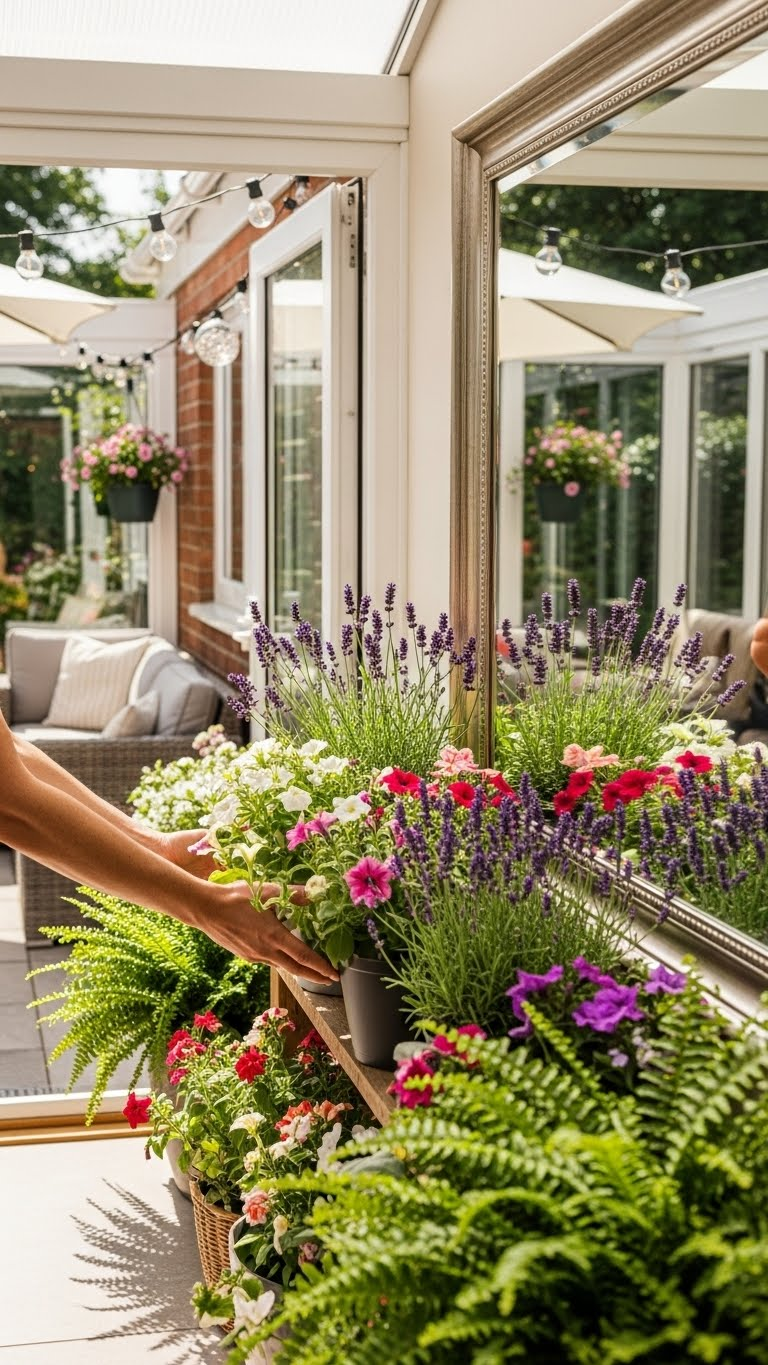
Plan container plants that can move indoors during cold months. Seasonal planning ensures sensitive plants survive winter while still enhancing your garden.
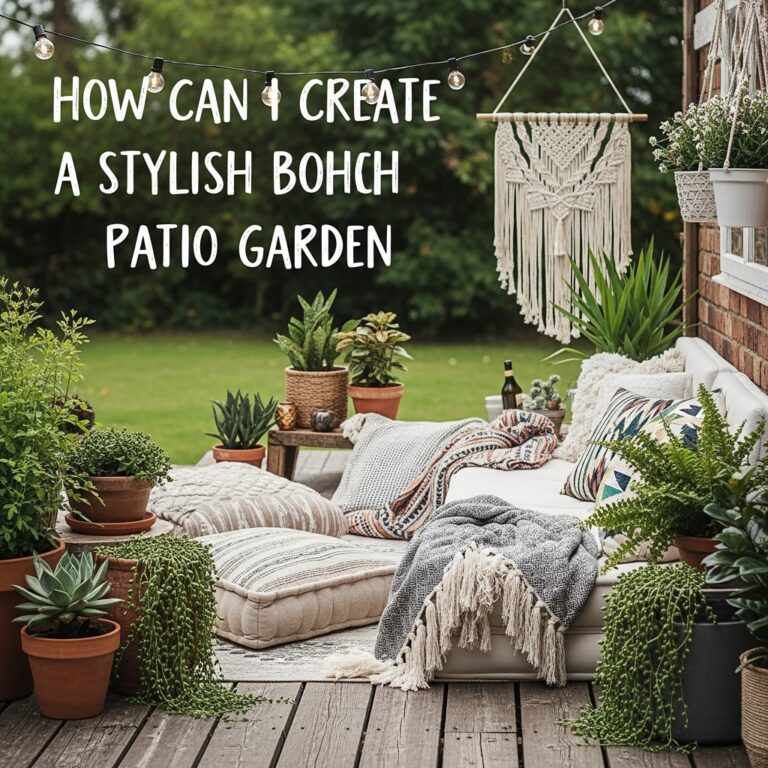
Use stylish pots for both indoor and outdoor settings. This flexibility adds continuity and aesthetic appeal year-round.
9. Pollinator-Friendly Garden Planning
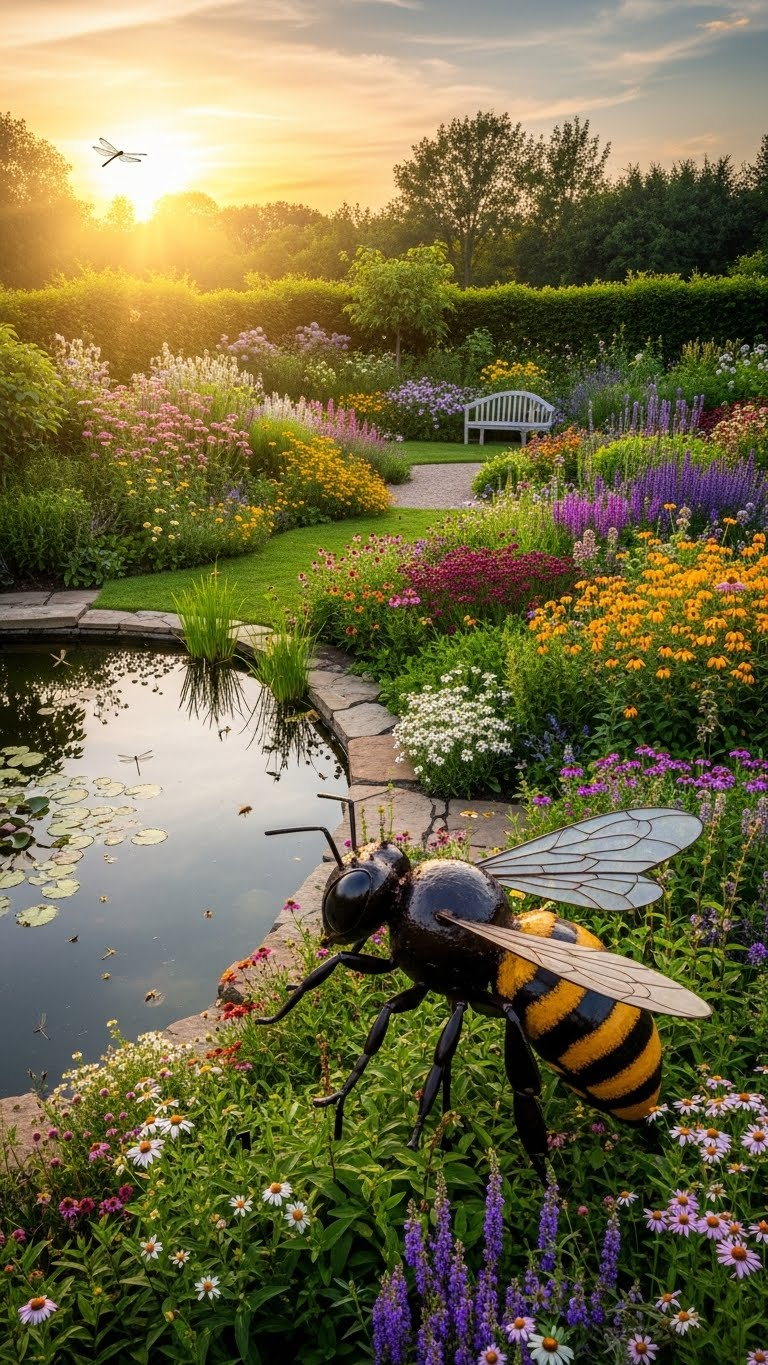
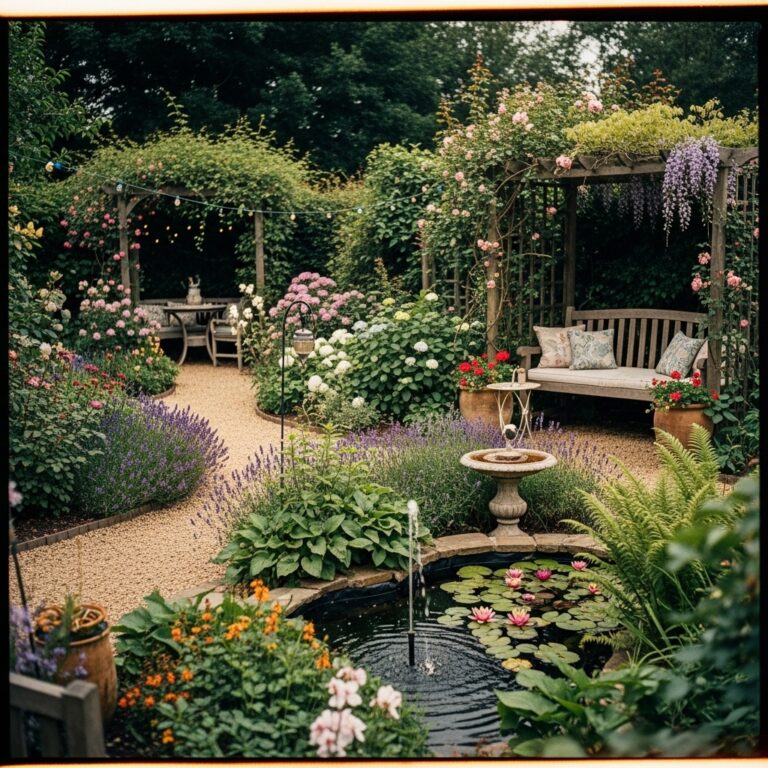
Include plants that attract bees, butterflies, and hummingbirds. Seasonal planning ensures pollinators have a consistent food source through spring and summer.
Group colorful, nectar-rich flowers for maximum impact. Pollinator planning improves garden health while adding vibrant activity.
10. Seasonal Mulching for Soil Protection
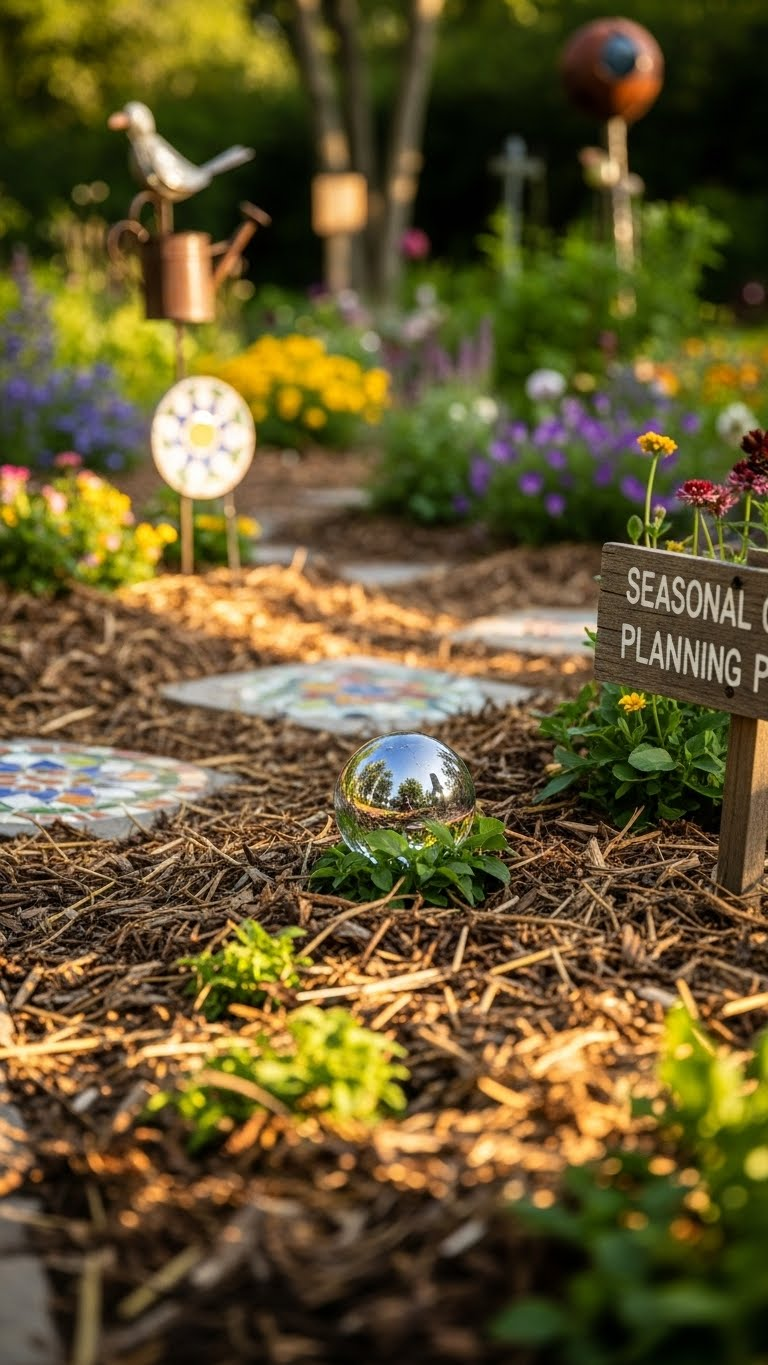
Mulching protects soil and plant roots across all seasons. Plan the timing and type of mulch for optimal growth and winter protection.
Read more:
45+ Garden Design Ideashttps://decorpalace.blog/45-garden-design-ideas/
Organic mulches enrich soil while reducing weeds. Strategic seasonal planning keeps your garden resilient year-round.
11. Drought-Tolerant Plant Planning for Summer
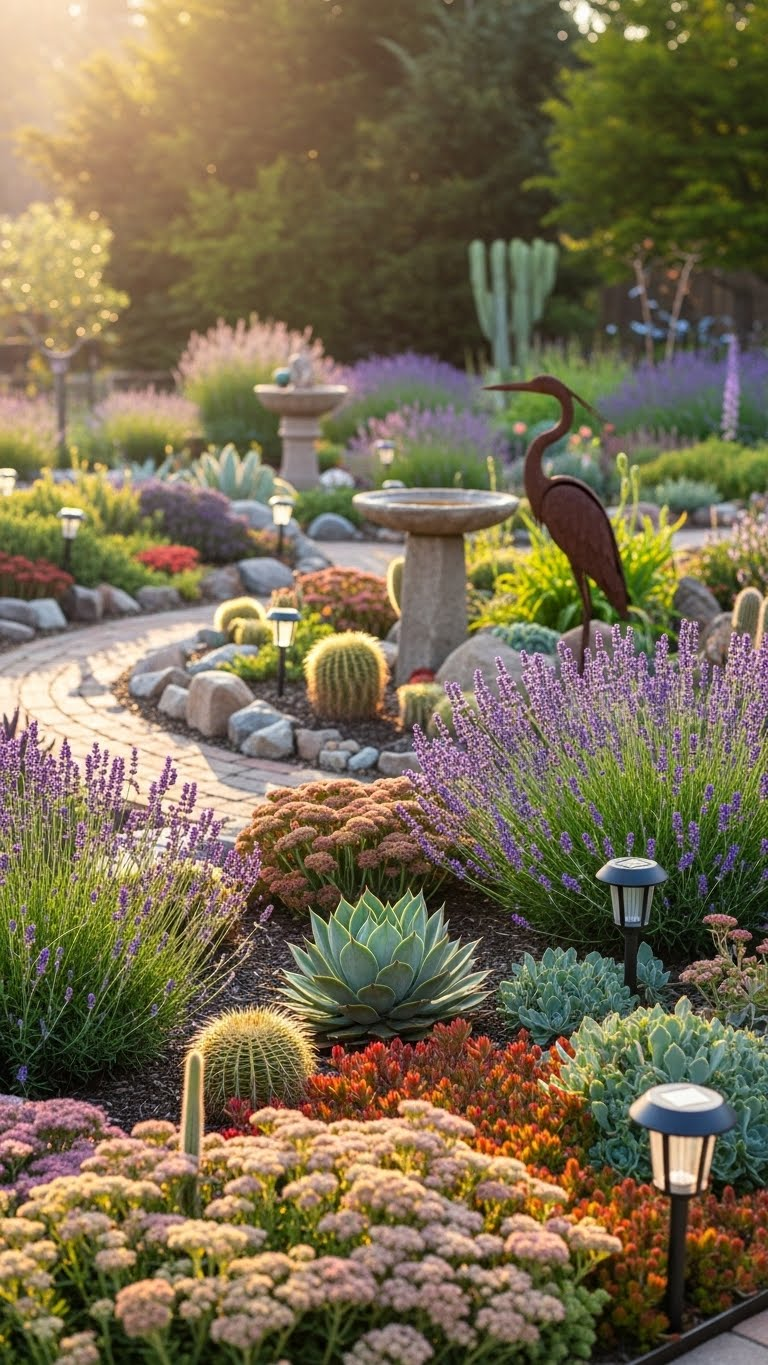
Identify drought-tolerant plants for summer heat. Planning water-wise species reduces maintenance and ensures a thriving garden during dry spells.
Succulents, ornamental grasses, and native flowers are excellent choices. Summer planning safeguards your garden against extreme conditions.
12. Shade Garden Planning for Hot Seasons
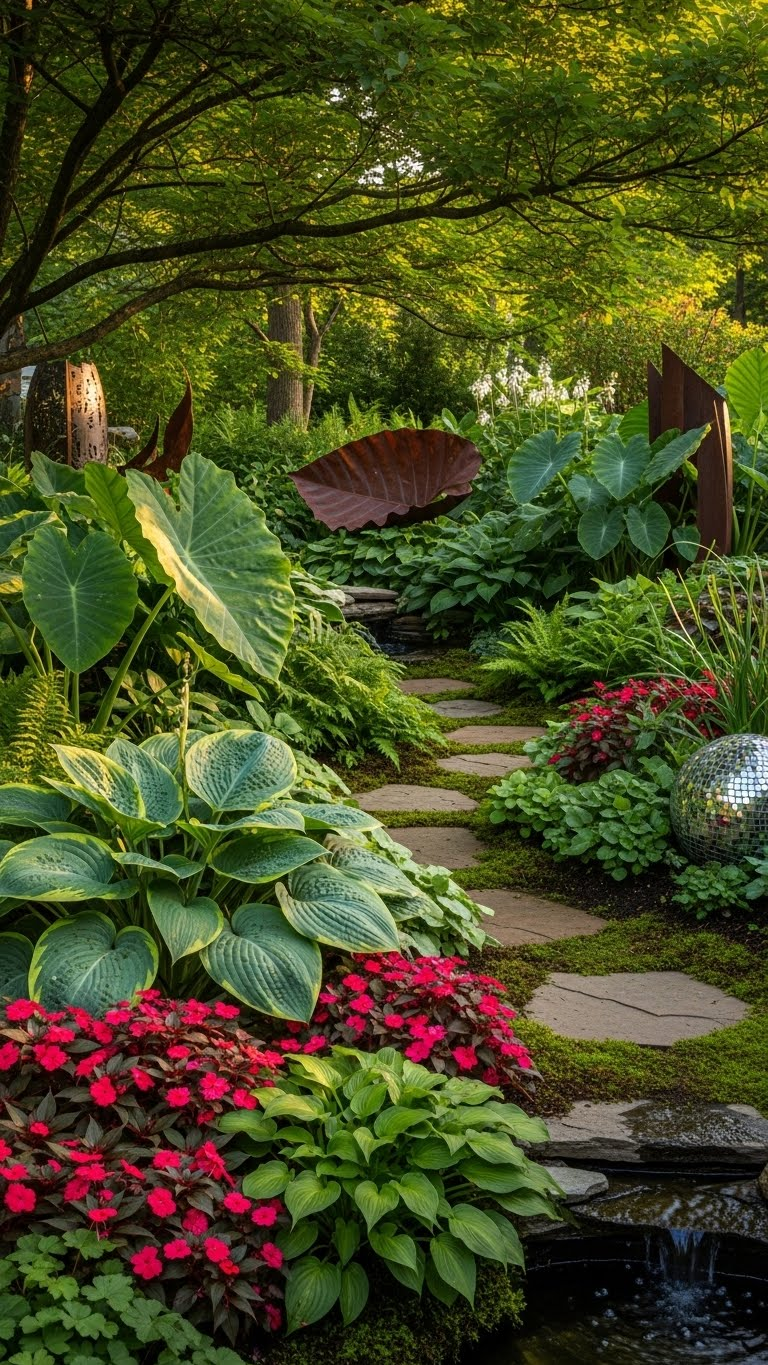
Plan shaded areas for plants that thrive without full sun. Seasonal planning ensures greenery survives in hotter months and retains garden balance.
Include ferns, hostas, or hydrangeas for lush foliage. Shade planning keeps your outdoor space diverse and resilient.
13. Seasonal Color Schemes for Cohesive Design
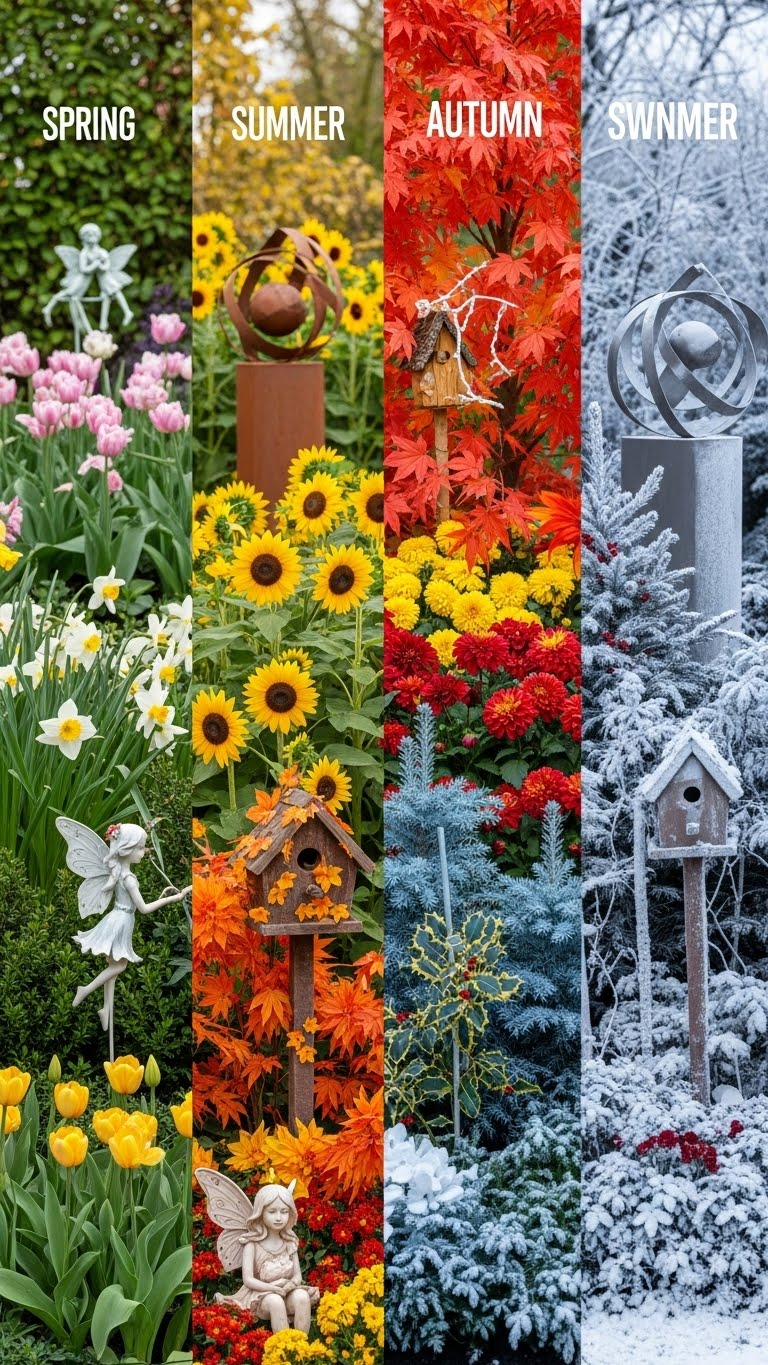
Plan your garden color palette for each season. Coordinating colors ensures visually appealing transitions from spring blooms to autumn hues.
Use flowering shrubs, annuals, and foliage strategically. Color-focused seasonal planning enhances your garden’s aesthetic impact.
14. Planning for Edible Gardens Year-Round
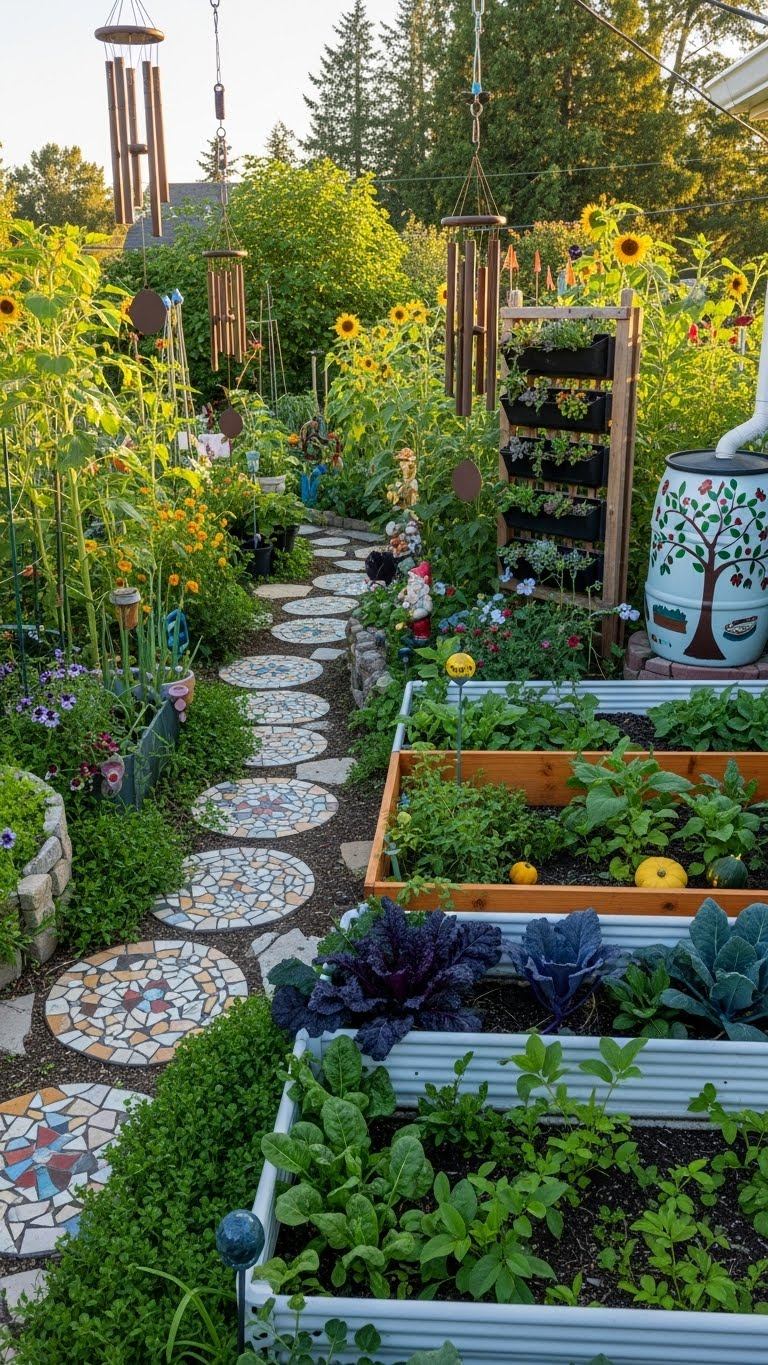
Seasonal garden planning allows year-round harvests. Plan spring greens, summer vegetables, and fall crops for continuous enjoyment.
Read more:
34+Garden Border Ideas For Defined & Beautiful Outdoor Spaceshttps://decorpalace.blog/34garden-border-ideas-for-defined-beautiful-outdoor-spaces/
Combine perennials and annuals to extend your harvest. Edible garden planning turns your yard into both a beauty and a food source.
15. Rainwater and Irrigation Planning
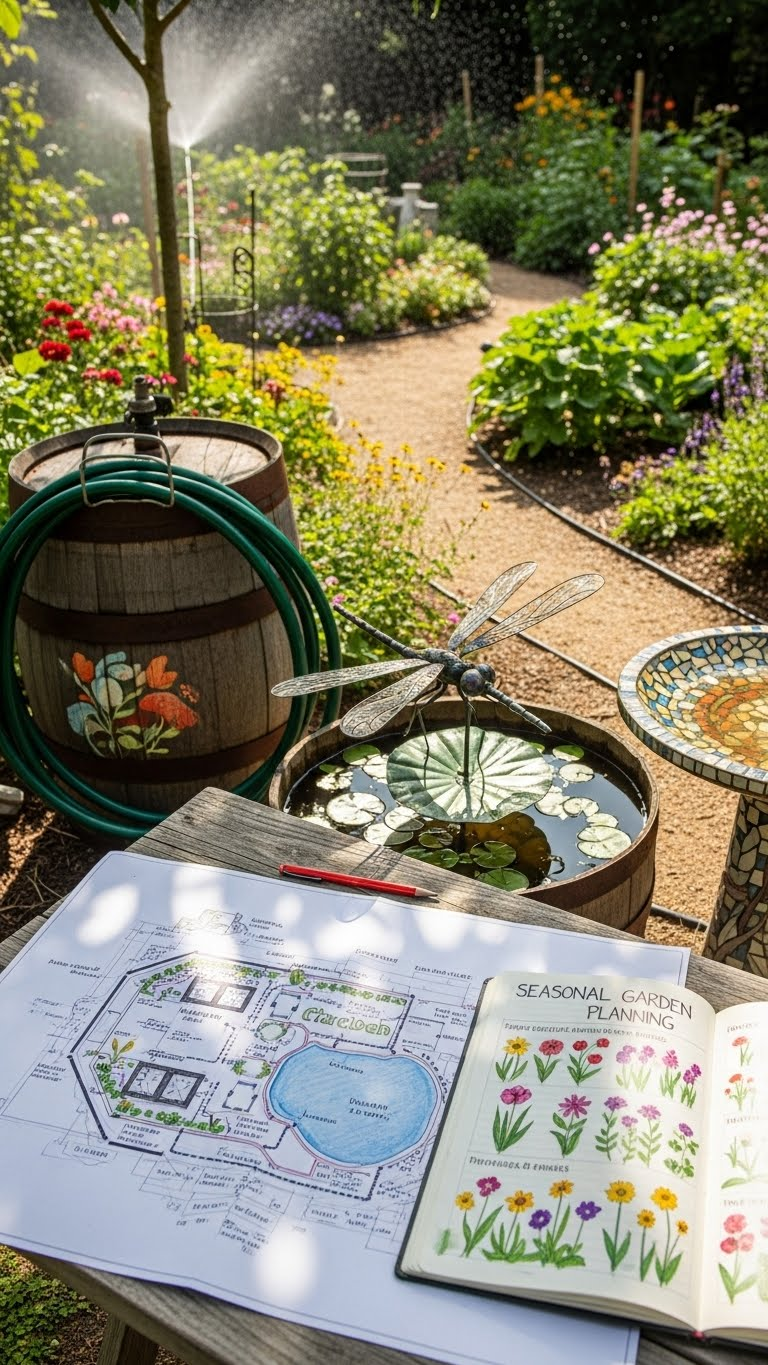
Plan irrigation systems for each season. Seasonal planning ensures plants get the right amount of water, improving growth and conserving resources.
Use drip lines, rain barrels, or automated systems. Smart water planning reduces stress on your garden and simplifies maintenance.
16. Seasonal Pruning and Maintenance Schedule
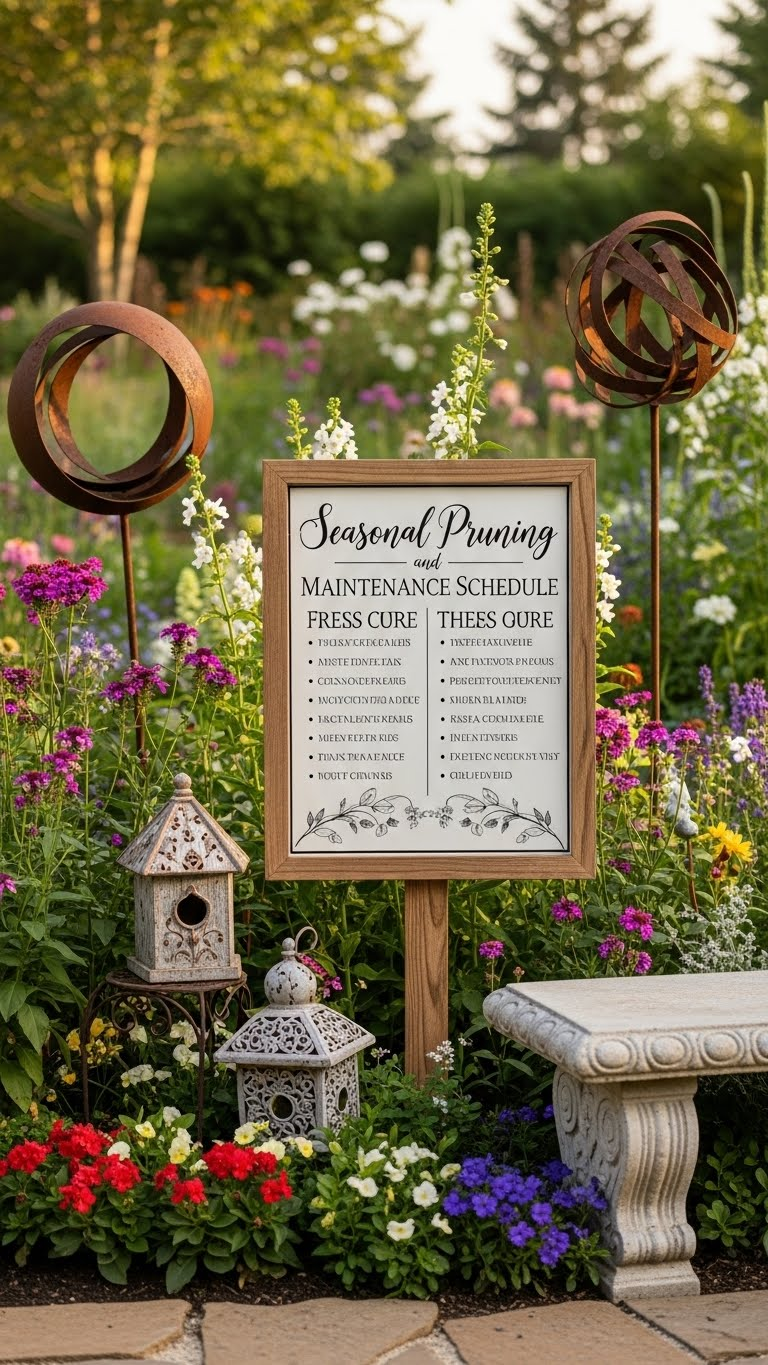
Create a seasonal pruning schedule for shrubs, trees, and perennials. Planning maintenance ensures healthy growth and keeps your garden neat.
Cutting at the right time promotes blooms and prevents disease. Seasonal planning reduces surprises and makes upkeep manageable.
17. Winter Prep with Protective Covers and Greenhouses
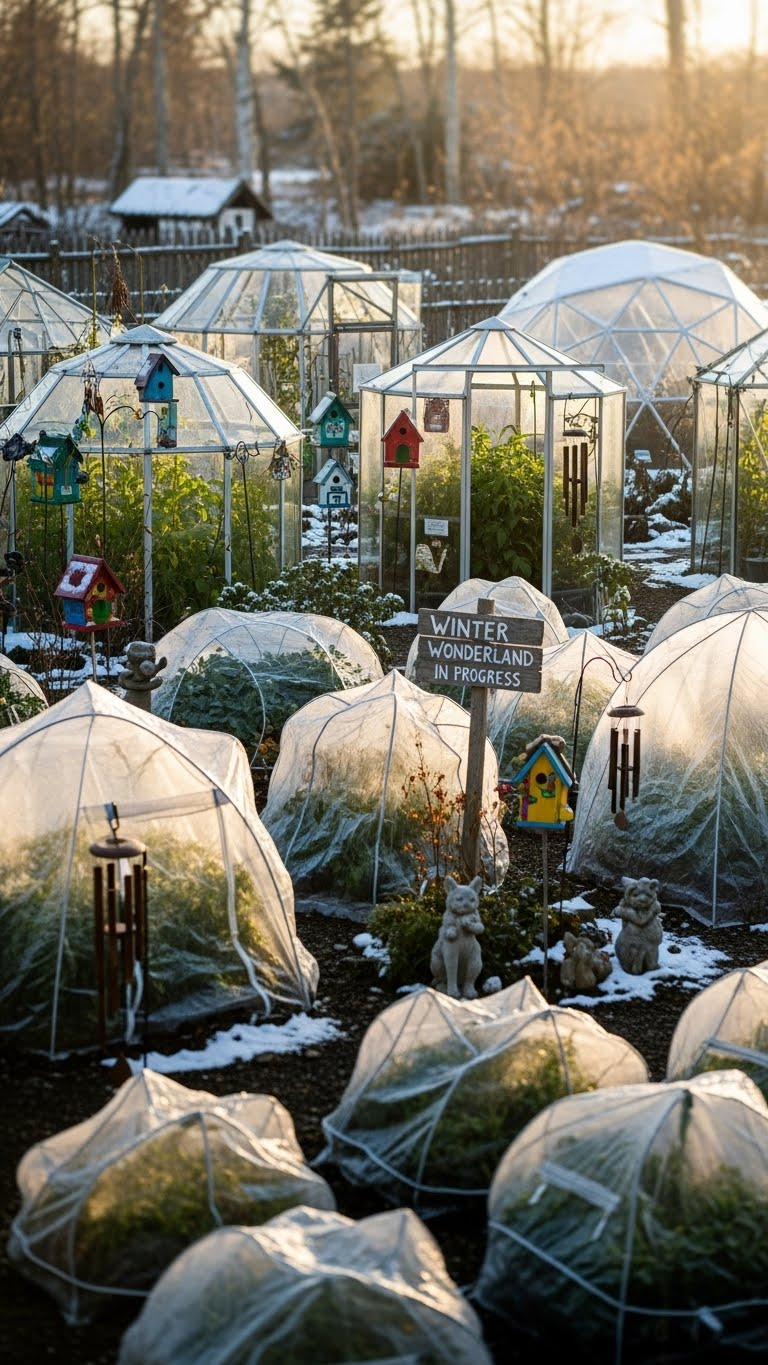
Plan winter protection for tender plants using covers or small greenhouses. Seasonal preparation prevents damage and extends plant life.
Portable greenhouses and cloches are ideal for sensitive species. Winter planning ensures your garden bounces back beautifully in spring.
18. Planning Garden Decor for Each Season
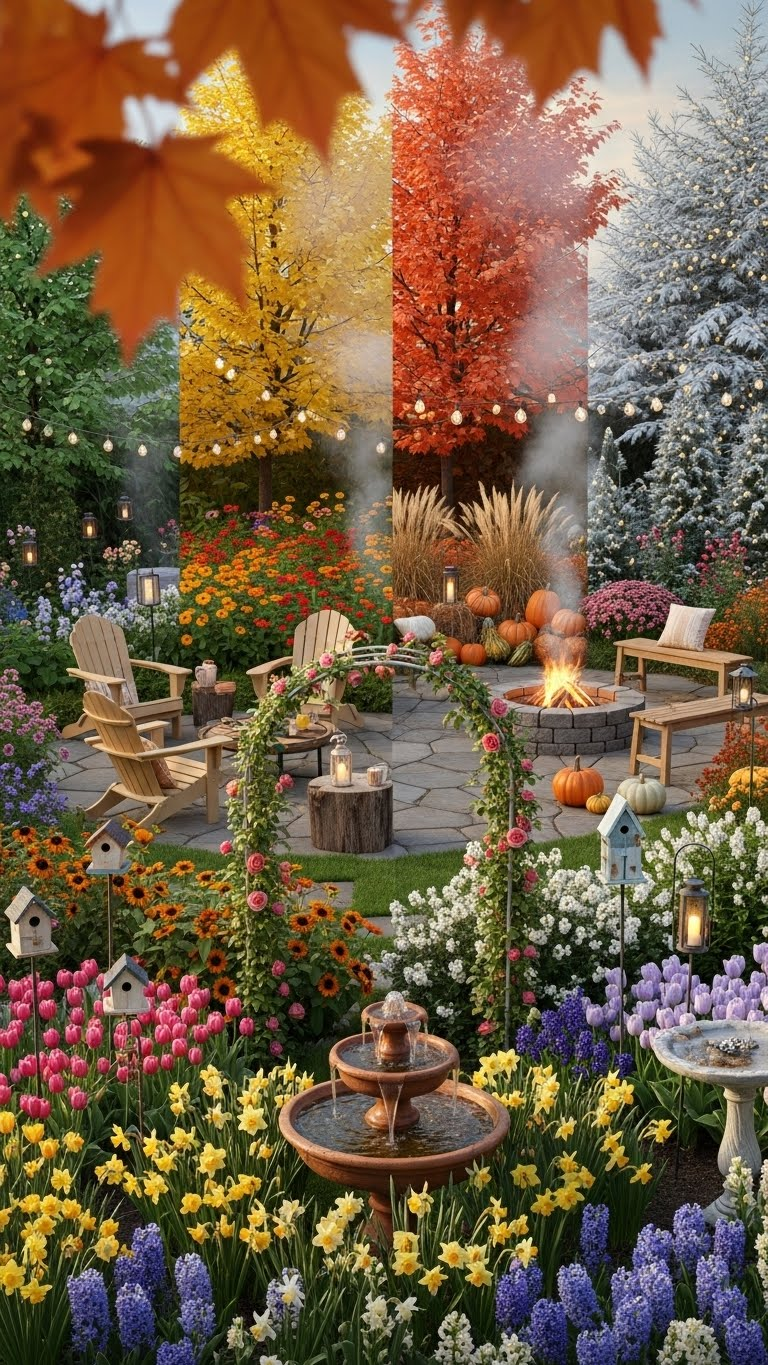
Seasonal decor enhances the visual appeal year-round. Rotate planters, furniture, and ornaments to match the season’s mood.
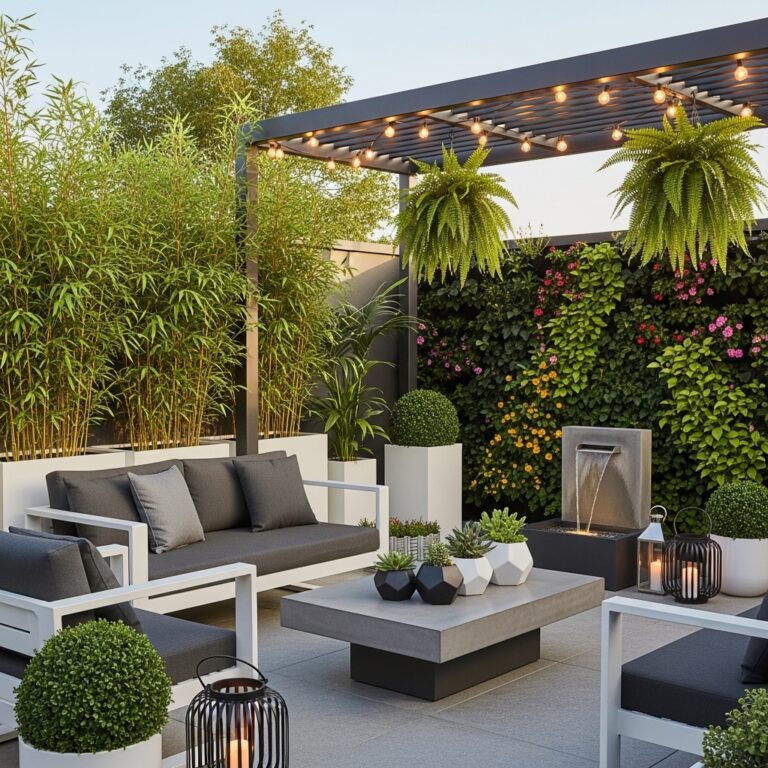
Incorporate lights, cushions, or seasonal wreaths. Seasonal decor planning creates a garden that feels fresh and inviting every month.
Wrap-Up
Seasonal garden planning is key to keeping your outdoor space vibrant and functional all year.
These 18 ideas show how careful layout, plant choice, and timing can transform your garden into a year-round paradise.