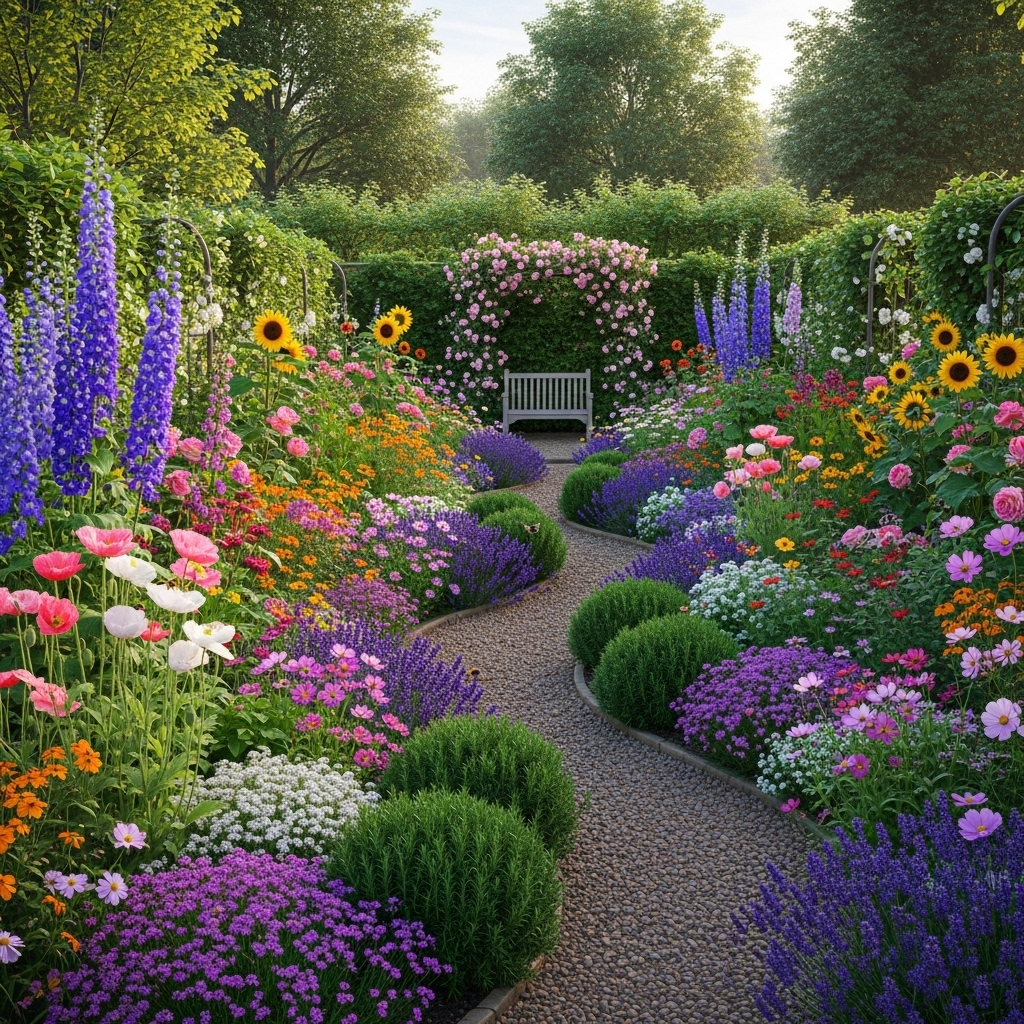
Looking to make your outdoor space more colorful and lively?
Here are over 46 garden flower ideas to help you create a garden no matter how big or small your yard is.You can use flowers or try something different, with flower arrangements.The right flowers can really change your garden into an outdoor spot.These garden flower ideas will inspire you to make your garden a happy place.You can have a garden or a big one these ideas will work.Garden flowers can add charm to your space.
You like plants that’re easy to take care of or you like a big garden with a lot of color. This collection has something for the way you like to garden. Now you can look at ways to put different things together use flowers that bloom at different times of the year and make a flower garden that is pretty and feels like it is yours. You can make a garden with flowers that’s just what you want a garden that is beautiful and special, to you a flower garden that is full of color and life.
1#. Color-Coordinated Flower Beds
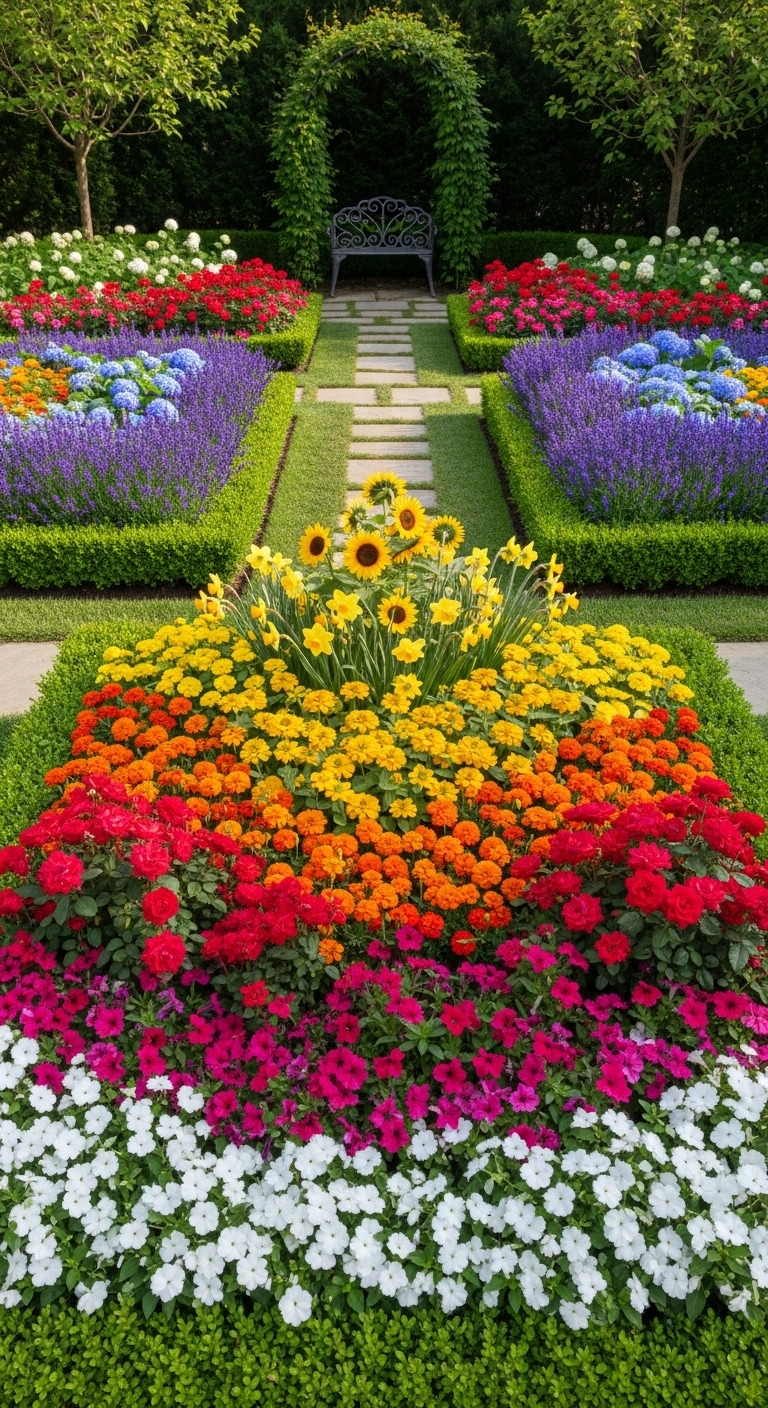
Selecting flowers within the same color palette creates an immediate sense of cohesion that feels intentional. Soft, pastel hues work wonders for establishing a calming atmosphere, perfect for a quiet morning retreat.
On the other hand, bright and saturated colors inject an undeniable sense of joy into your landscape. These vibrant choices transform your outdoor space into an energetic area that feels both fun and inviting.
Varying the heights of your blooms keeps the visual experience dynamic as you walk through your garden. This simple trick prevents the space from feeling flat, ensuring that every corner offers a new perspective.
Spreading these colors throughout the beds ties different areas together, making the entire design feel unified. It demonstrates that you have approached your planting with a clear vision and a focus on consistency.
2#. Cottage-Style Garden Blooms
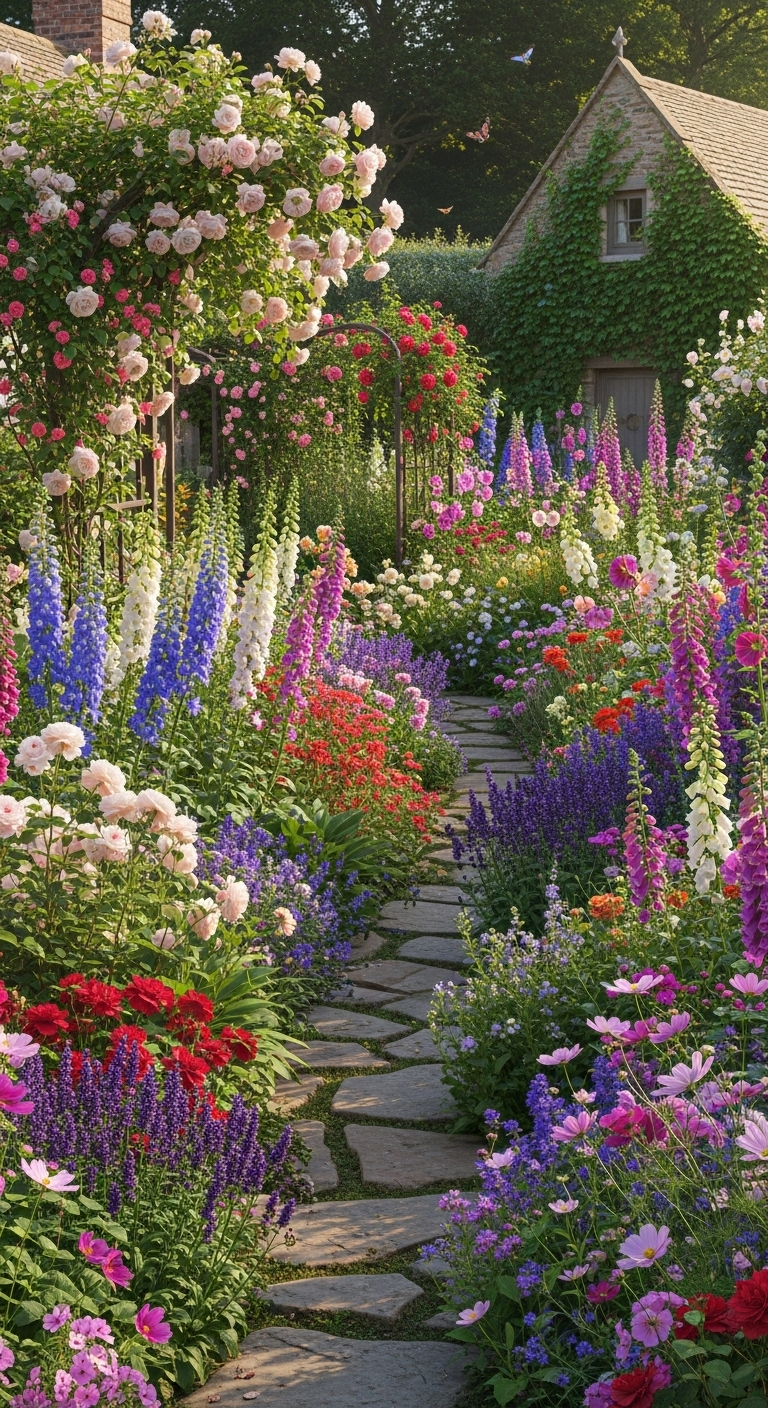
Romantic cottage gardens rely on a blend of roses, daisies, and lavender to create a soft, inviting aesthetic. This combination provides a lush and slightly wild appearance that feels like it stepped out of a storybook.
Winding paths and weathered wooden fences add a sense of history while framing your planting beds beautifully. Flowers spreading naturally across the space help the entire area feel relaxed and perfectly at home outdoors.
You should always aim to plant your varieties in distinct layers to build visual interest and unique depth. Incorporating fragrant options like sweet peas makes your time spent in the garden a truly delightful experience.
There is no requirement to keep every element perfectly manicured or symmetrical to achieve this classic look. Embracing a little natural messiness is exactly what gives these cottage designs their undeniable and lasting charm.
3#. Vertical Flower Gardens
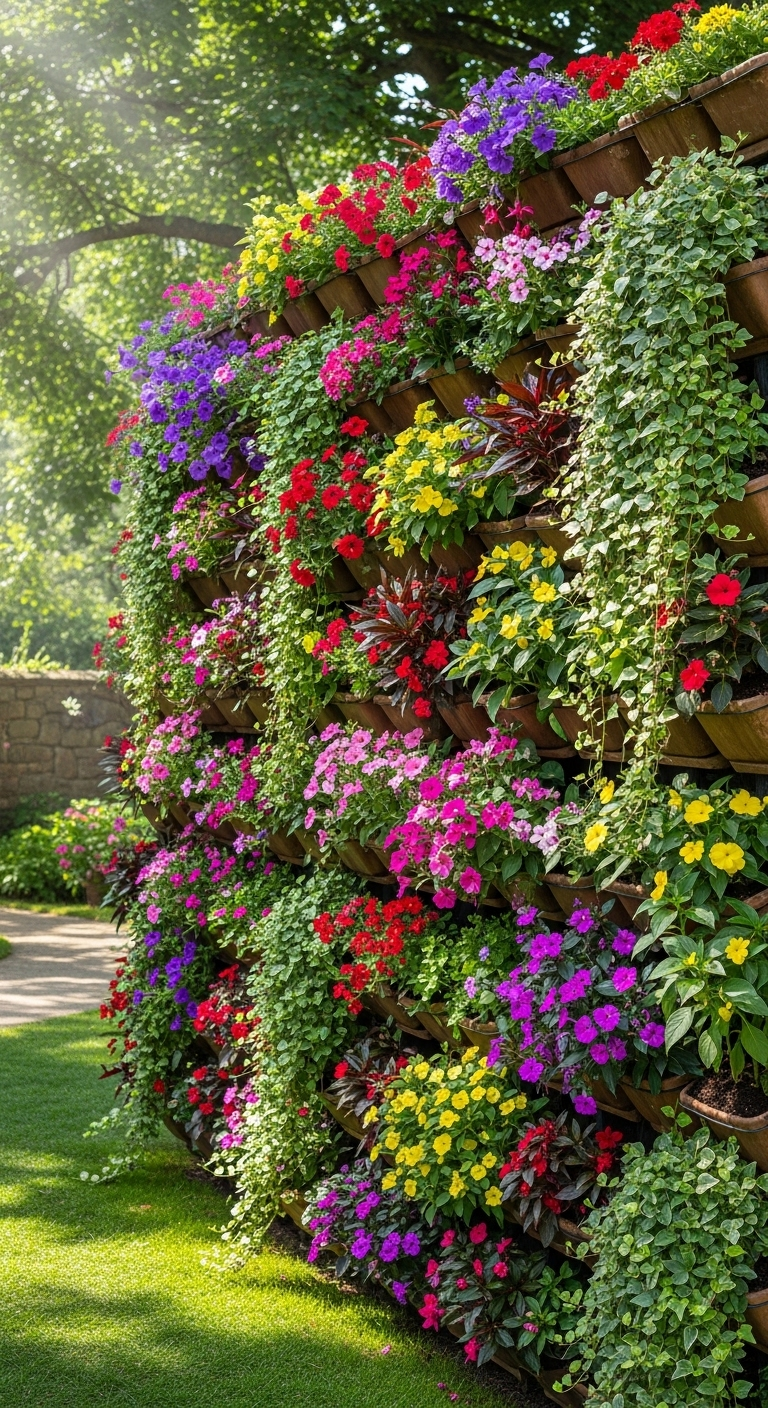
Vertical gardening allows you to make the most of limited areas by growing plants upward instead. Utilizing sturdy trellises, hanging planters, or wall panels provides a foundation for lush, cascading floral displays.
Climbing flowers such as clematis are excellent choices for adding height and excitement to your landscape. You can easily adapt these creative ideas to suit both indoor and outdoor spaces with equal effectiveness.
Mixing in varieties that trail downward creates a soft, flowing effect that blurs the edges of containers. This technique is particularly useful for hiding plain walls or old fences that need a fresh update.
When you carefully layer different colors and textures, your vertical display becomes a captivating visual centerpiece. These installations are incredibly stylish and prove that you do not need much ground space to flourish.
4#. Seasonal Flower Rotation
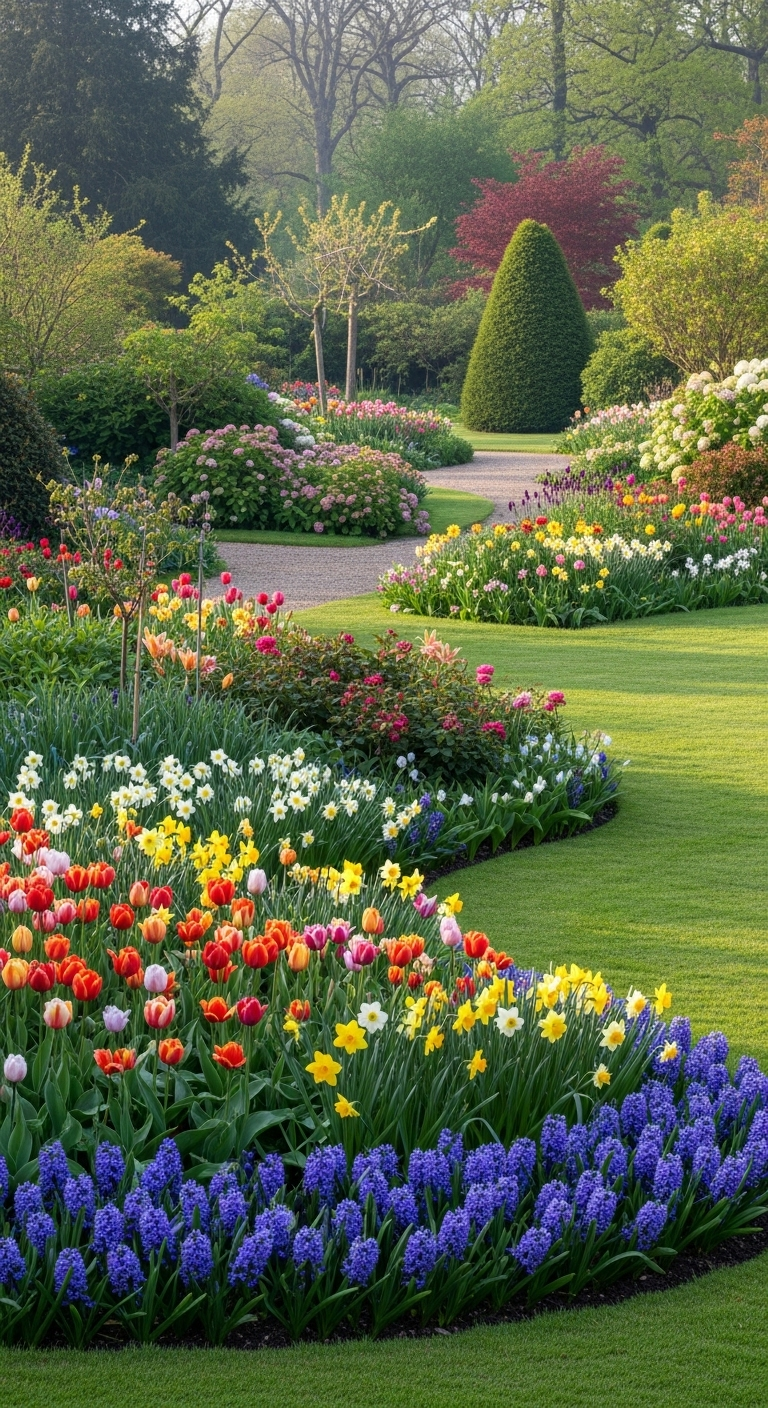
Refreshing your flower beds each season ensures that your landscape remains vibrant and visually engaging year-round. By rotating your plant selections, you create an evolving environment that always feels current and well-maintained.
Spring is the perfect time to introduce bulbs that signal the arrival of warmer, sunnier days ahead. These early arrivals set a cheerful tone, paving the way for the lush growth that follows in summer.
Transitioning into the hotter months, you can introduce high-energy blooms that thrive in the intense heat. This continuous cycle keeps your outdoor space looking sharp, ensuring you never face a dull, empty patch.
When autumn arrives, incorporating sturdy mums provides a reliable pop of color as the temperatures begin dropping. This thoughtful approach guarantees that you have a beautiful, welcoming garden through every stage of the year.
5#. Wildflower-Inspired Layouts
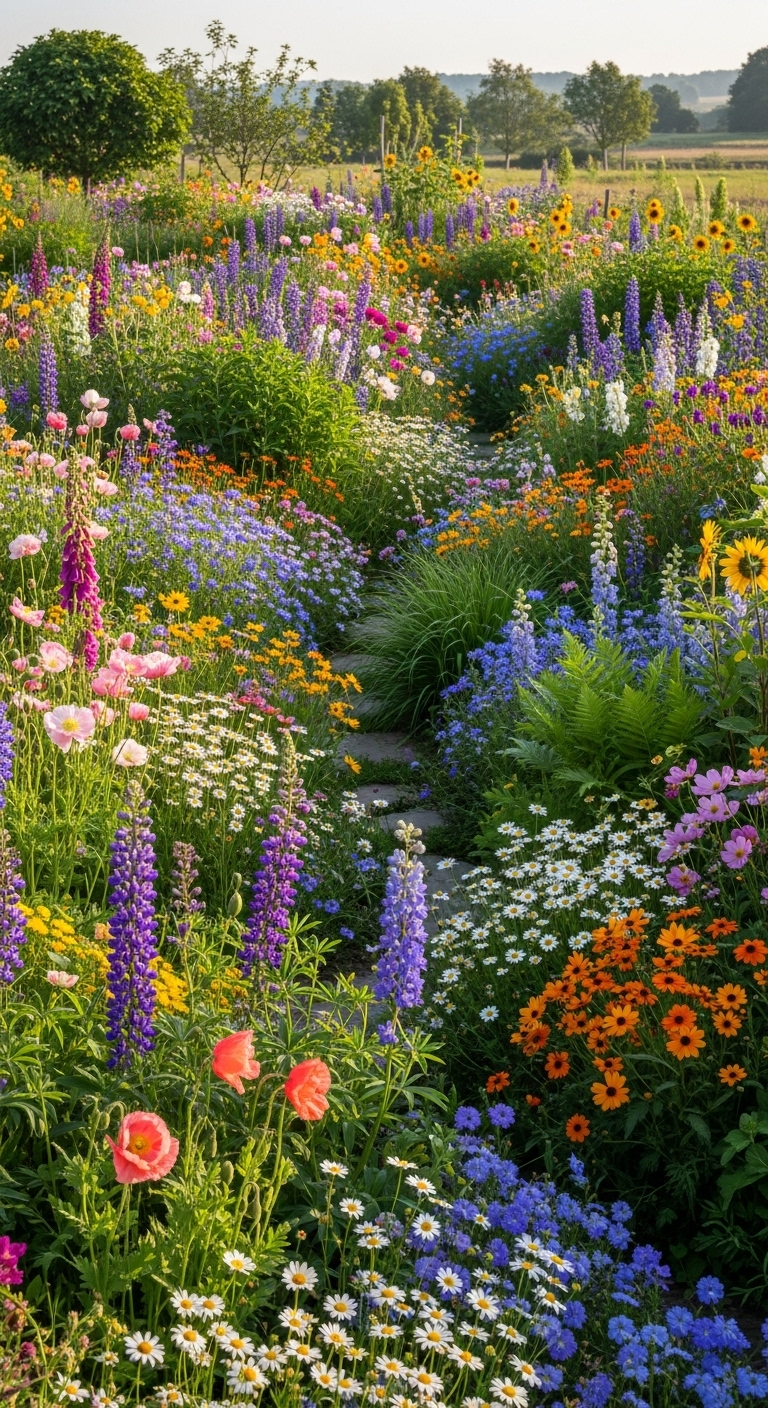
Wildflower gardens are really beautiful. They feel very natural. They look carefree. They are full of life. When you have lots of colors and textures in a wildflower garden it is like looking at a meadow. Wildflower gardens attract wildflower bees, wildflower butterflies and other wildflower pollinators.If you plant wildflowers in a scattered way they will seed themselves. You will have wildflowers blooming all the time.
* Clustering wildflowers together of planting them in a line makes the garden look natural.
* You can plant wildflowers and short wildflowers together to make the garden more interesting.
6#. Monochrome Flower Themes
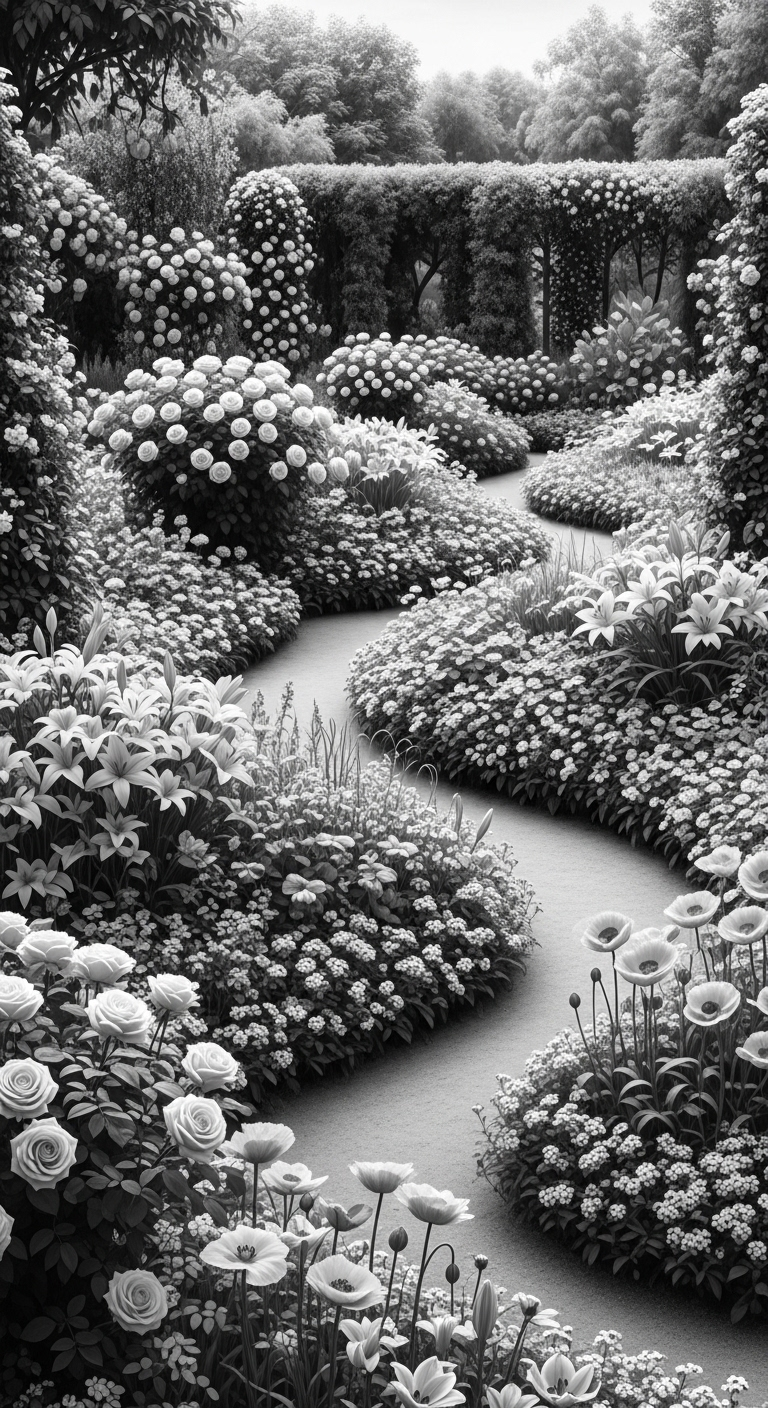
Adopting a monochromatic color scheme is an effortless way to ensure your garden looks sophisticated and intentional. By focusing on a single color and its various shades, you create a look that feels balanced.
Light and dark tones of your chosen hue work together to provide natural depth and visual interest. This layered approach prevents the space from appearing one-dimensional while keeping the overall aesthetic very clean.
Gardens that strictly utilize monochromatic palettes often feel more modern and professionally polished than mixed beds. This specific design style is surprisingly easy to implement, regardless of your current level of gardening experience.
Choosing this path allows you to focus on the structure of the plants rather than color clashes. It results in a refined outdoor environment that feels incredibly cohesive and peaceful for you to enjoy.
7#. Container Flower Gardens
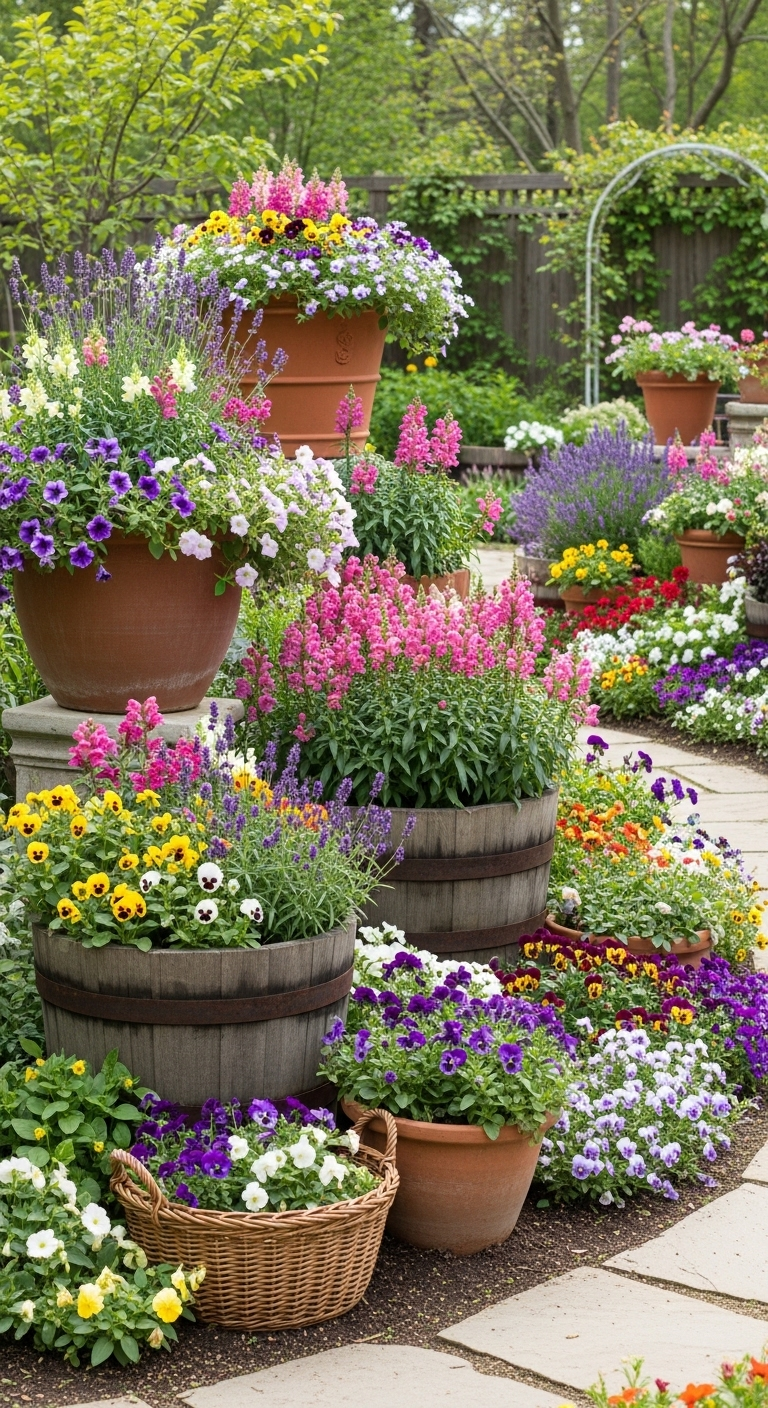
Using containers provides you with total control over your garden layout, making it easy to adapt. You can experiment with various pots, baskets, and planters to create a look that feels uniquely yours.
These setups are ideal for smaller areas like patios or balconies where traditional ground planting is impossible. They are also a fantastic solution if you are renting and want to avoid making any permanent changes.
You have the freedom to rearrange your displays whenever you feel like refreshing the look of the space. Moving your collection allows you to chase the sunlight or create a different atmosphere for seasonal events.
Containers keep your gardening hobby mobile, ensuring that you can take your favorite plants with you. This level of convenience transforms how you interact with your plants, making maintenance feel much less demanding.
8#. Edible Flower Gardens
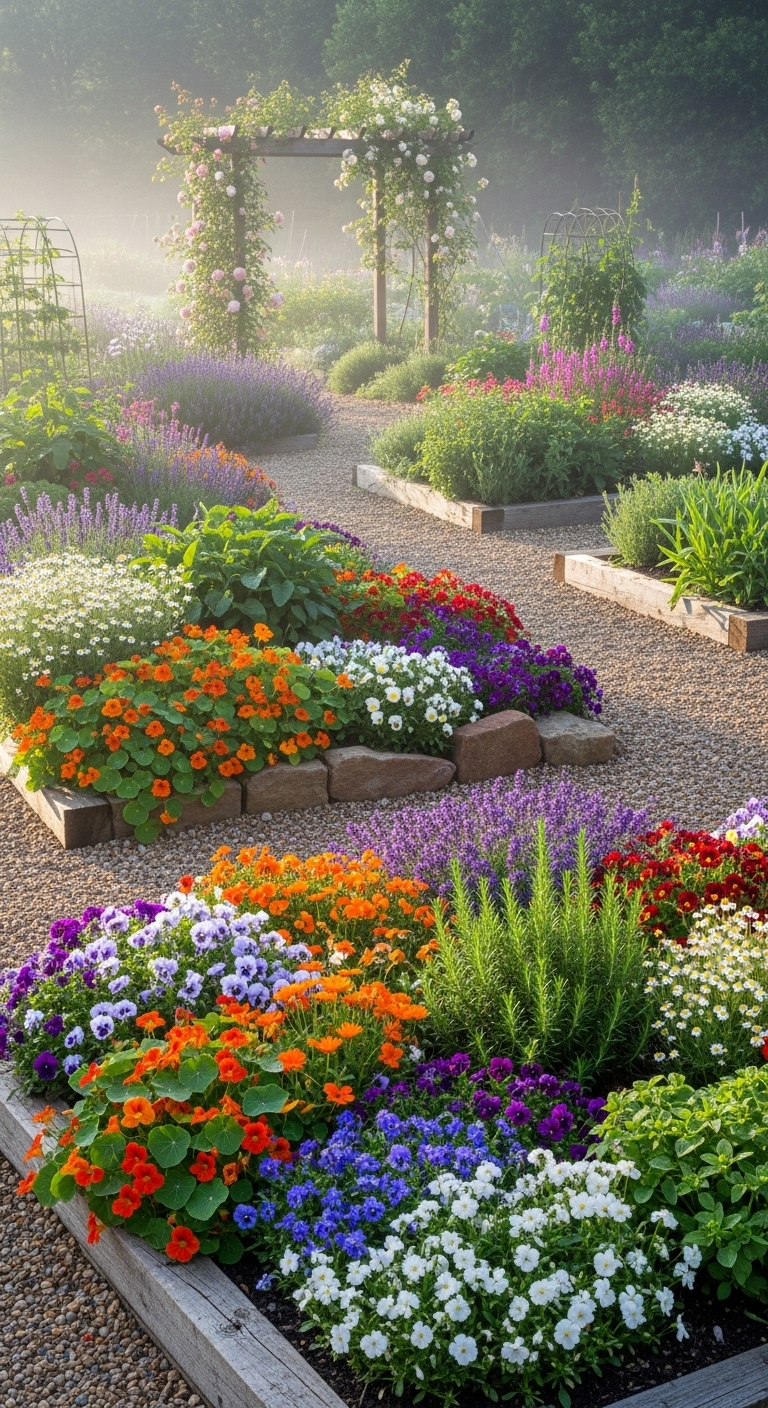
Incorporating edible flowers like marigolds and pansies adds both vibrant beauty and culinary utility to your yard. These specific plants serve a dual purpose, acting as stunning decor while providing fresh ingredients for your kitchen.
Marigolds offer a distinct flavor profile that works exceptionally well when tossed into healthy, garden-fresh salads. Their bright, golden petals can also be used to infuse teas with a unique, slightly spicy floral note.
Pansies bring a delicate, mild taste that makes them a wonderful addition to various sweet and savory dishes. You can easily use them to garnish desserts or add a playful pop of color to your plates.
Having these versatile flowers right outside your door allows you to harvest fresh components whenever inspiration strikes. It turns a standard planting bed into a productive resource that enhances your daily meals quite beautifully.
9#. Layered Flower Borders
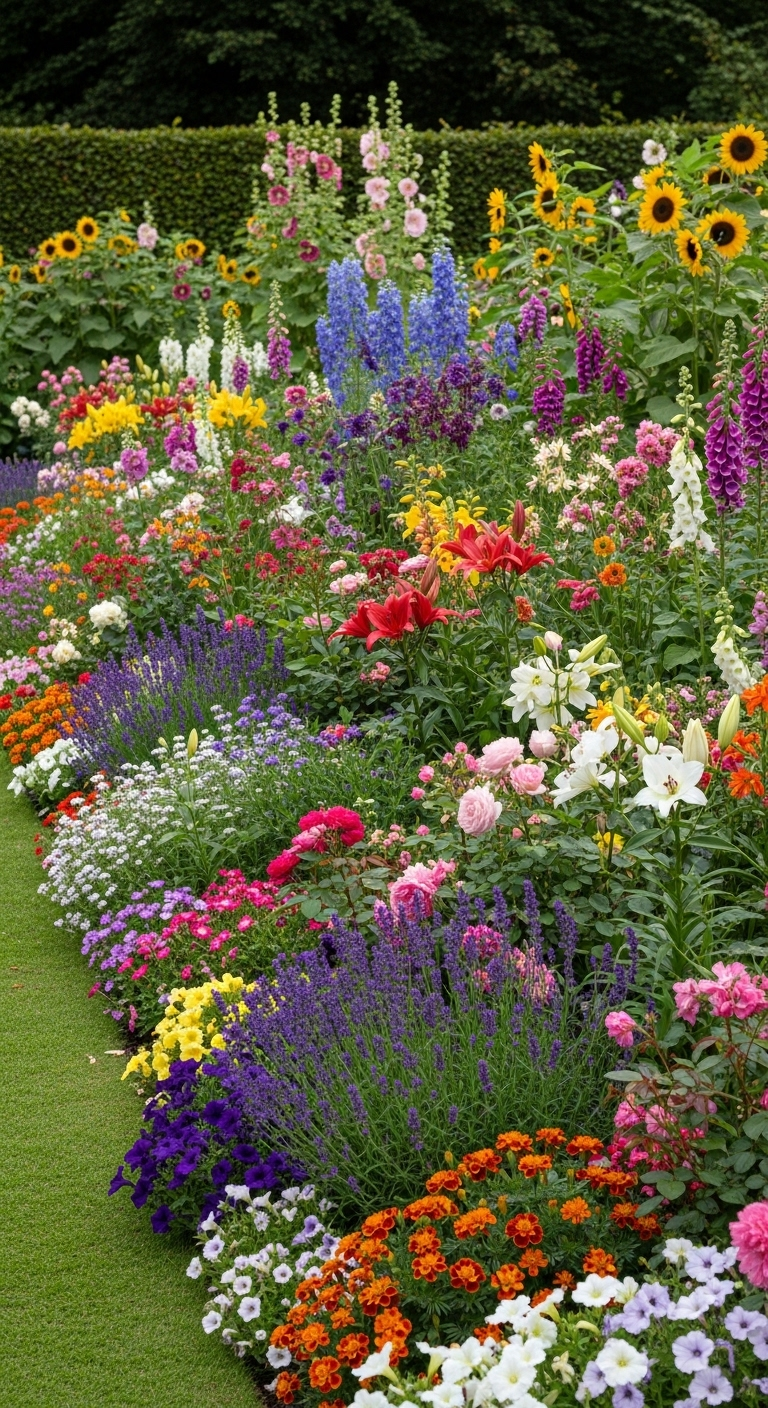
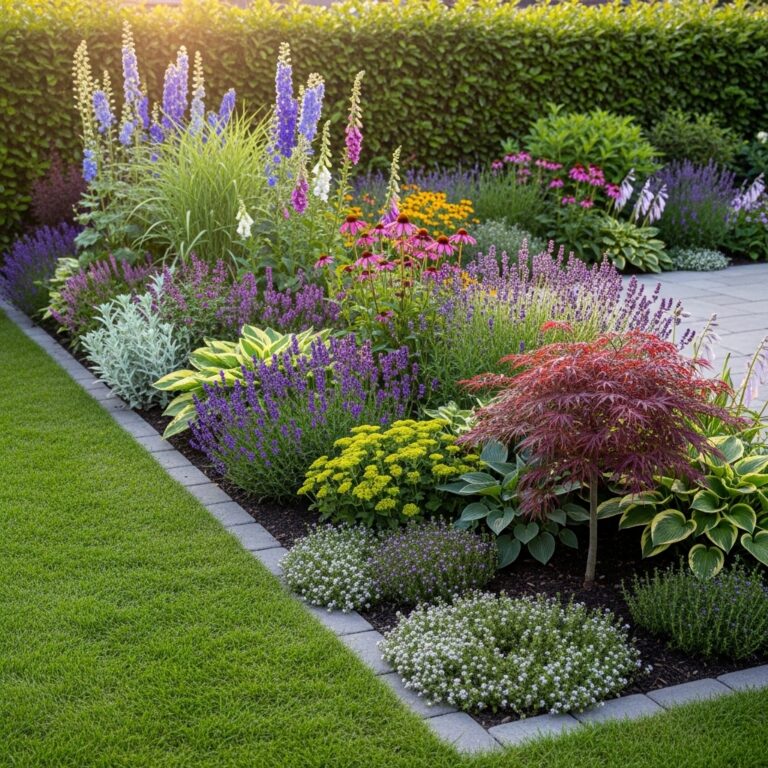
Planting taller flower varieties behind shorter ones is an essential technique for adding professional structure to beds. This thoughtful arrangement ensures that every plant remains visible, allowing each layer to contribute to the view.
Borders are incredibly effective at defining distinct sections, providing a clean and organized edge to your landscape. When you incorporate layers, you prevent smaller plants from being overshadowed by their larger, more dominant counterparts.
This strategic approach is a fundamental design rule that consistently creates a major difference in visual impact. By considering the height of each variety during the planting phase, you build a balanced, tiered display.
Using this layered method is a transformative practice that works exceptionally well for garden spaces of all sizes. It ensures that your outdoor environment feels intentional, well-planned, and visually open from every single angle.
10#. Fragrant Flower Corners
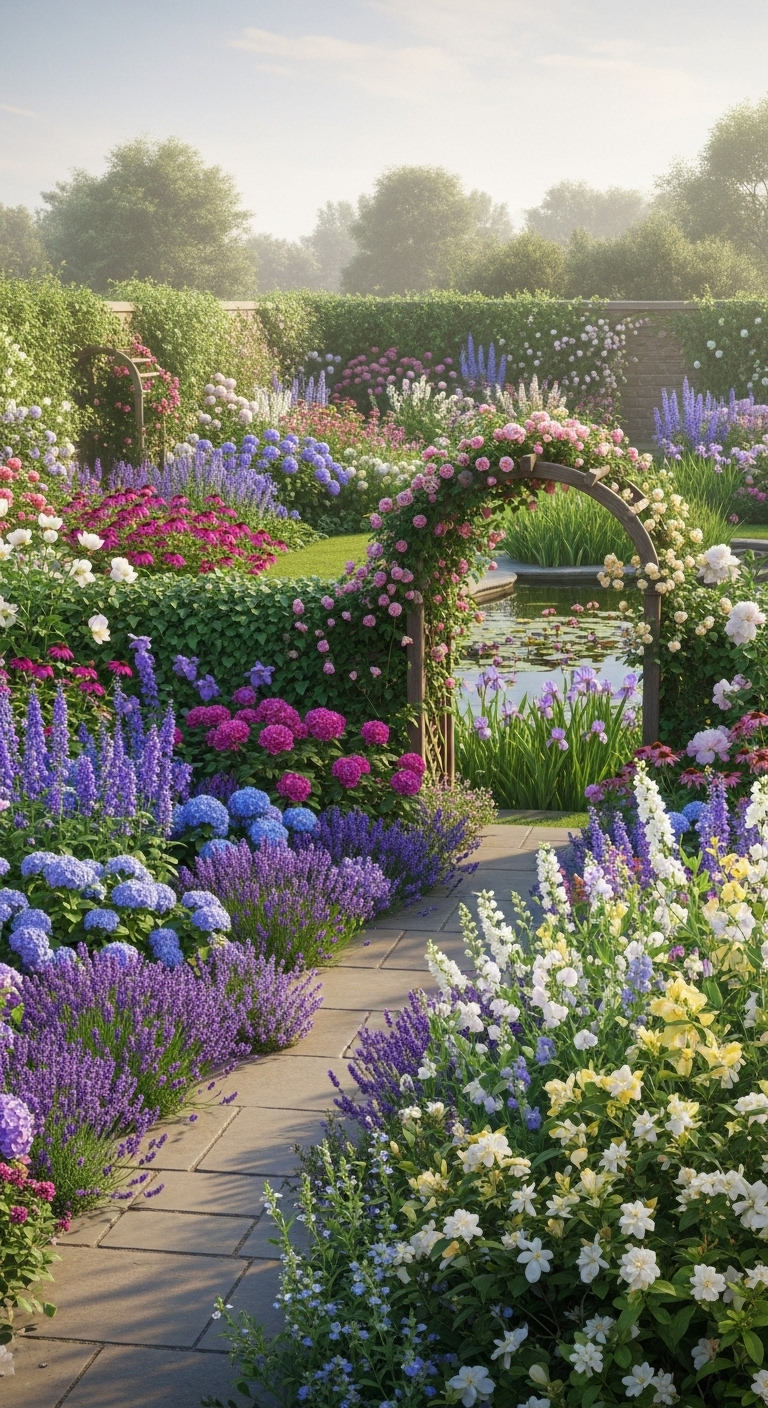
Fragrant blooms such as gardenias and jasmine offer a sensory experience that elevates your entire outdoor space. Placing these highly scented plants near seating areas creates a truly charming environment for quiet relaxation.
A garden filled with perfume becomes a natural haven where you can easily unwind after long days. These specific flowers possess the unique ability to shift your mood the moment you step outside.
You should balance your selection by adding diverse colors and textures to create a visual masterpiece. This combination ensures your landscape is just as interesting to look at as it is to smell.
Filling corners with these scented choices fosters a cozy, enclosed feeling that invites you to stay. It turns a standard garden into a private sanctuary that feels complete and well-planned for comfort.
11#. Tropical Flower Vibes
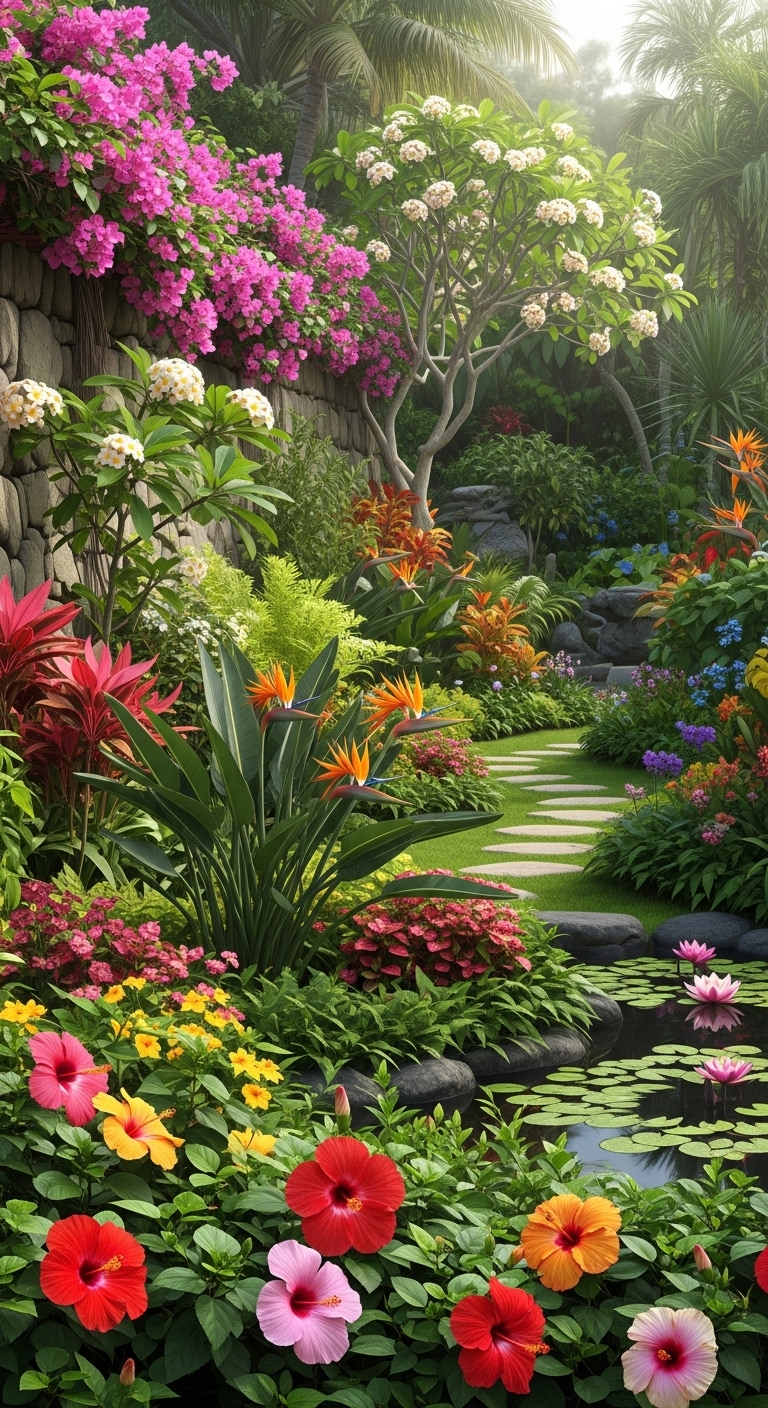
Incorporating tropical blooms like hibiscus and bird-of-paradise is a bold way to inject instant excitement into your landscape. These striking flowers create an immediate focal point, bringing a vibrant, high-energy atmosphere to any outdoor setting.
The lush, deep green foliage of these varieties provides a perfect backdrop that highlights every intense petal color. This rich contrast ensures your garden feels incredibly healthy, full, and visually dynamic from every single angle.
Pairing your favorite tropical selections with palm trees or oversized leafy plants evokes a permanent vacation vibe. You will find that this aesthetic choice creates a private getaway right in your own backyard space.
Bright, saturated colors naturally draw the eye, making your garden feel like a curated and spirited destination. This energetic style is perfect for homeowners who want to foster a lively, welcoming, and fun environment.
12#. Minimalist Flower Arrangements
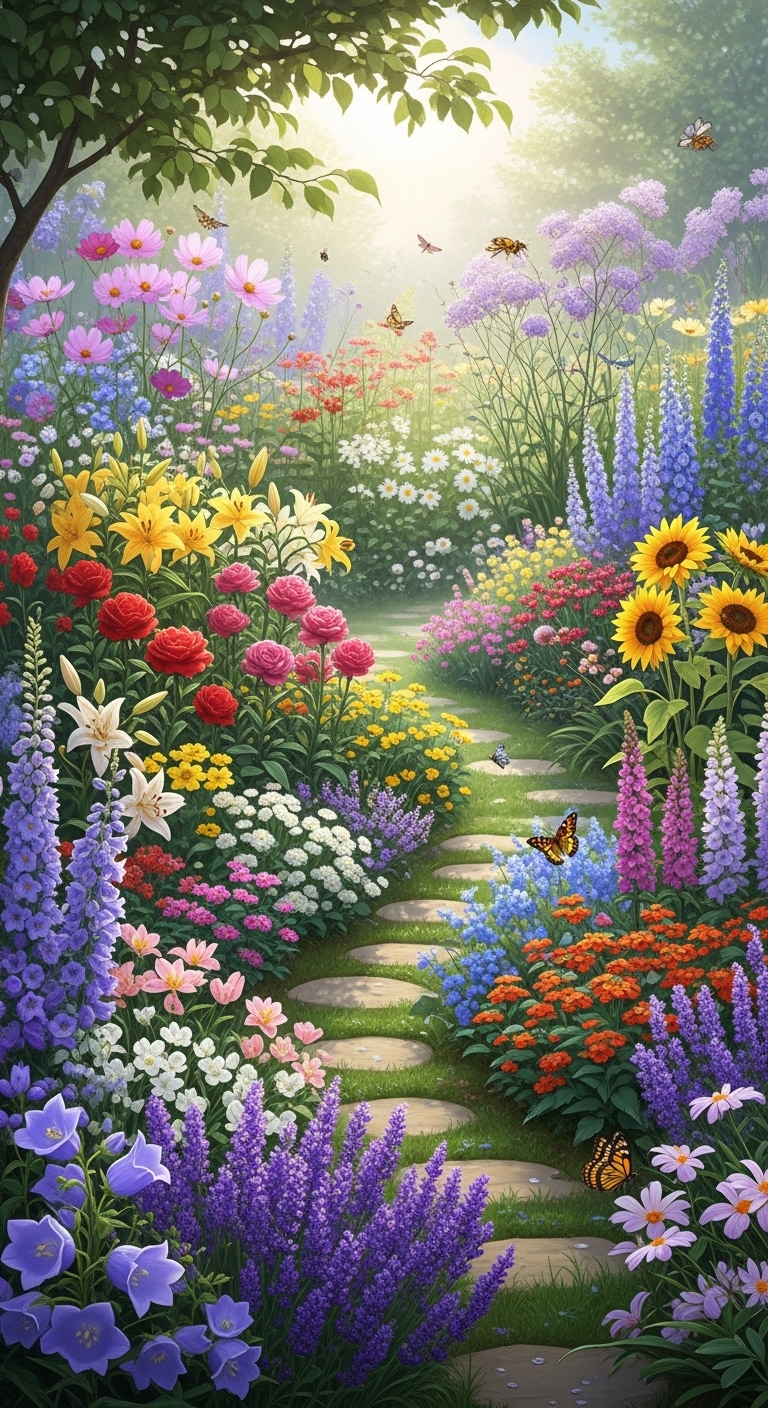
Minimalist gardens focus on the power of simplicity to create an environment that feels both clear and calm. You do not need an abundance of flowers to make a lasting impression on your outdoor landscape.
Selecting a few high-quality, well-chosen blooms allows your garden to feel intentional, elegant, and truly beautiful. This refined approach honors the natural shape of each plant while keeping the overall design remarkably clean.
Clean layouts are perfect for those who want to establish a modern space with minimal daily maintenance. When you pare back the clutter, every single flower gains the opportunity to stand out and shine.
This intentional reduction of excess is exactly what transforms a standard backyard into a sophisticated, artistic retreat. Focusing on quality over quantity ensures that your garden feels polished, relaxing, and effortlessly stylish at home.
13#. Butterfly-Friendly Flowers
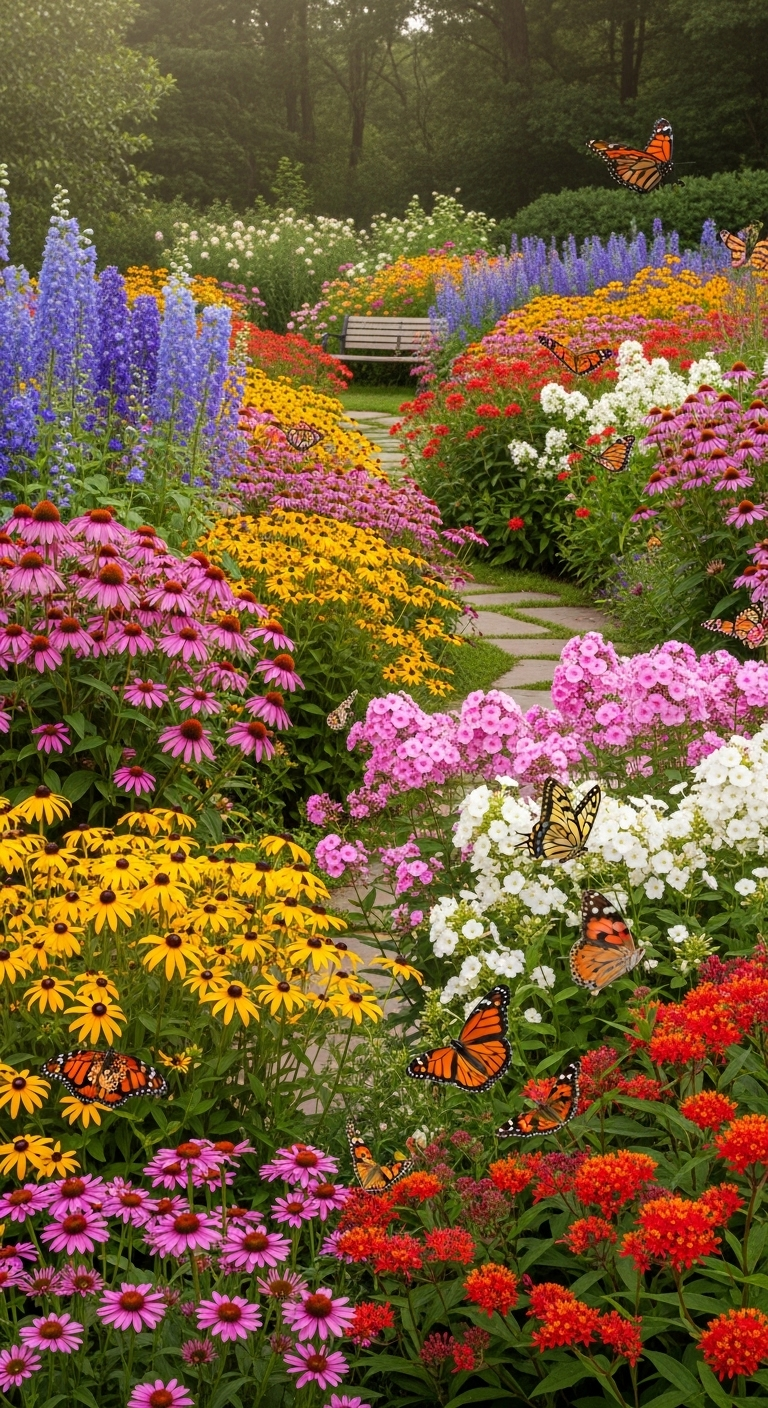
Planting varieties like lantanas or zinnias is an effective way to turn your yard into a butterfly sanctuary. These vibrant blooms act as natural magnets, filling your outdoor space with constant, gentle movement and life.
The intense, saturated colors of these flowers are specifically designed to capture the attention of visiting pollinators. Watching butterflies drift through your beds creates a magical, lively atmosphere that feels truly special to experience.
You should aim to plant these flowers close together to make it easier for butterflies to feed. Creating these dense clusters allows them to move efficiently from bloom to bloom throughout your garden beds.
Avoiding the use of harsh pesticides is critical, as these chemicals can be harmful to delicate pollinators. Opting for organic maintenance keeps your environment safe, healthy, and welcoming for every butterfly that visits.
14#. Vintage Garden Styles
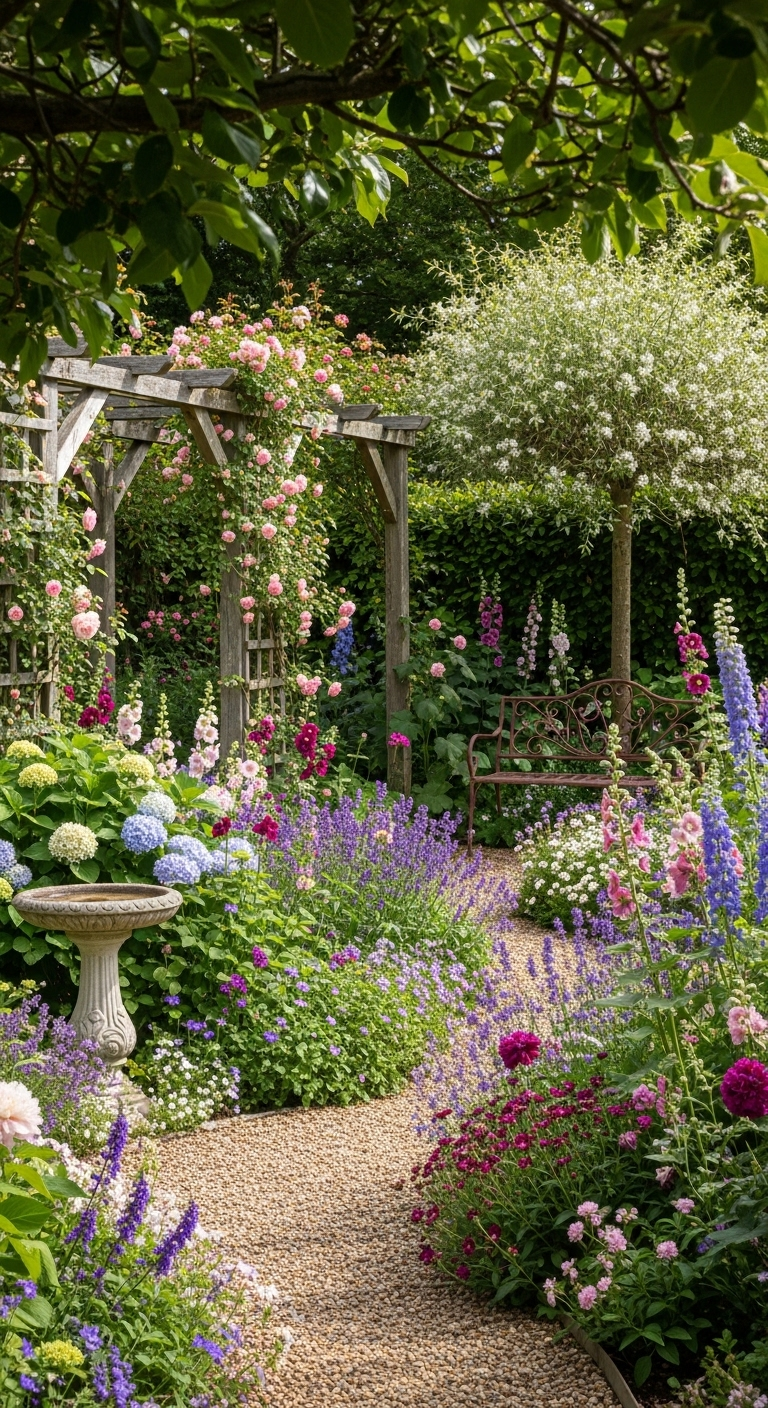
Vintage gardens are truly special because they effortlessly mix nostalgic memories with an abundance of timeless charm. You can easily achieve this look by selecting classic flower varieties like roses, hydrangeas, and tall delphiniums.
Incorporate weathered old pots or rustic wooden planters to enhance the authentic, aged feel of your space. Soft, muted color palettes that avoid overly saturated tones help complete the elegant and fashioned overall aesthetic.
Curving pathways and decorative small fences add a significant amount of character to your entire outdoor layout. When you combine these varying textures together, you create a sense of depth that feels professional.
Vintage gardens are the perfect choice for those who appreciate a romantic and highly peaceful outdoor space. The end result is a stunning area that remains beautiful for years, as it never goes out.
15#. Flowering Shrubs for Structure
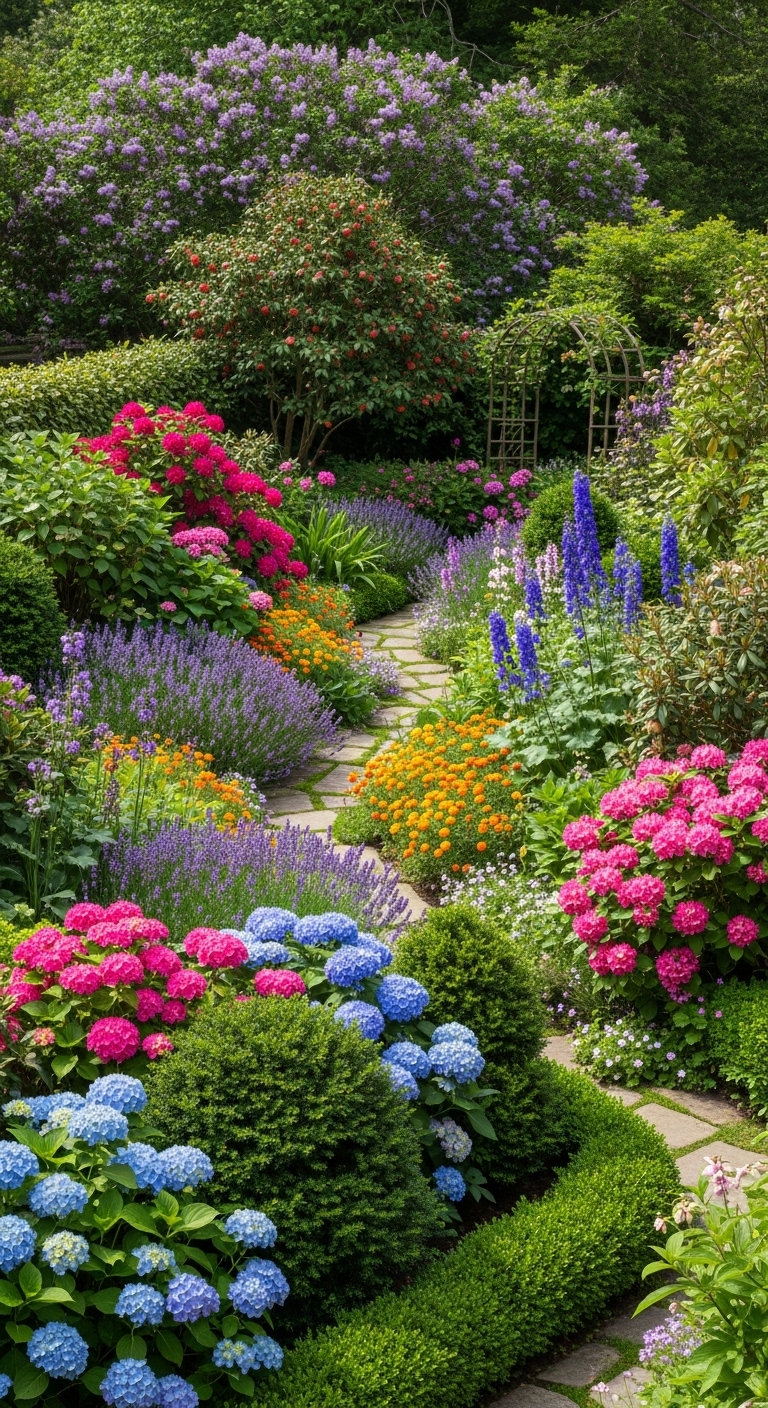
Flowering shrubs are essential additions to any garden, providing the height needed to create a polished and professional look. Varieties like azaleas, hydrangeas, and camellias are excellent choices, as they act as a strong visual framework for your landscape.
These plants are particularly special because they provide stunning blooms across multiple seasons, ensuring long-lasting interest. By anchoring your beds with these hardy shrubs, you give your garden a sense of fullness and permanent balance.
You can easily enhance your layout by planting smaller flowers directly in front of these flowering shrubs. This simple layering technique adds incredible depth, making your garden beds look lush, dense, and well-designed.
16#. Mixed Perennial Beds
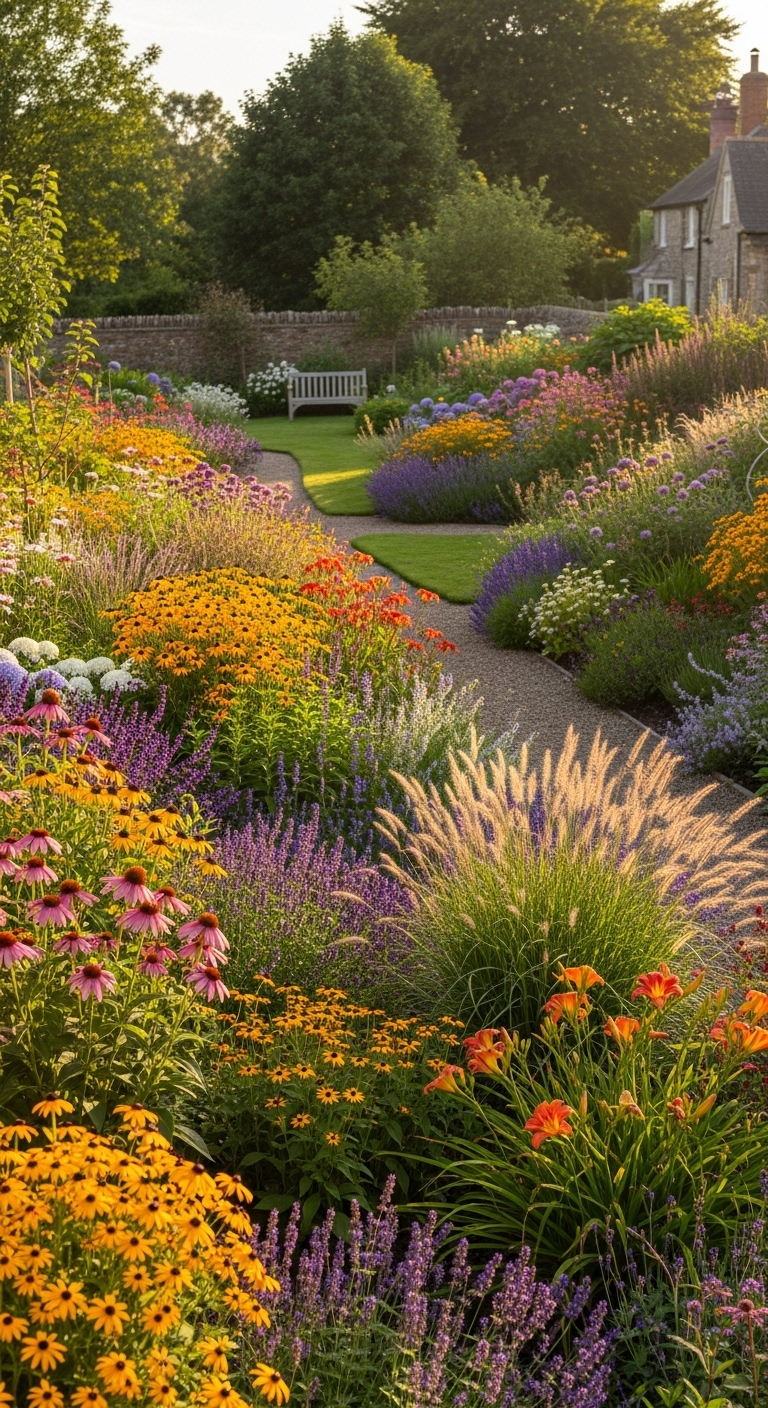
Perennials are a foundational element of any beautiful landscape because they reliably bloom for you year after year. Investing in these long-term plants ensures that your garden maintains its appeal and charm across every growing season.
When you thoughtfully combine different kinds of perennials, you create a dynamic, multi-layered visual experience. This variety provides you with a rich mix of textures, differing heights, and a wide palette of vibrant colors.
If you carefully select perennials that bloom at staggered times, your garden will look beautiful throughout the year. This strategic timing eliminates empty phases, keeping your outdoor space looking fresh, full, and professionally maintained.
By focusing on plants with diverse leaf shapes and colors, you add significant depth to your garden beds. The interplay of foliage creates a sophisticated aesthetic that makes your landscape feel much more interesting.
17#. Bold Contrasting Blooms
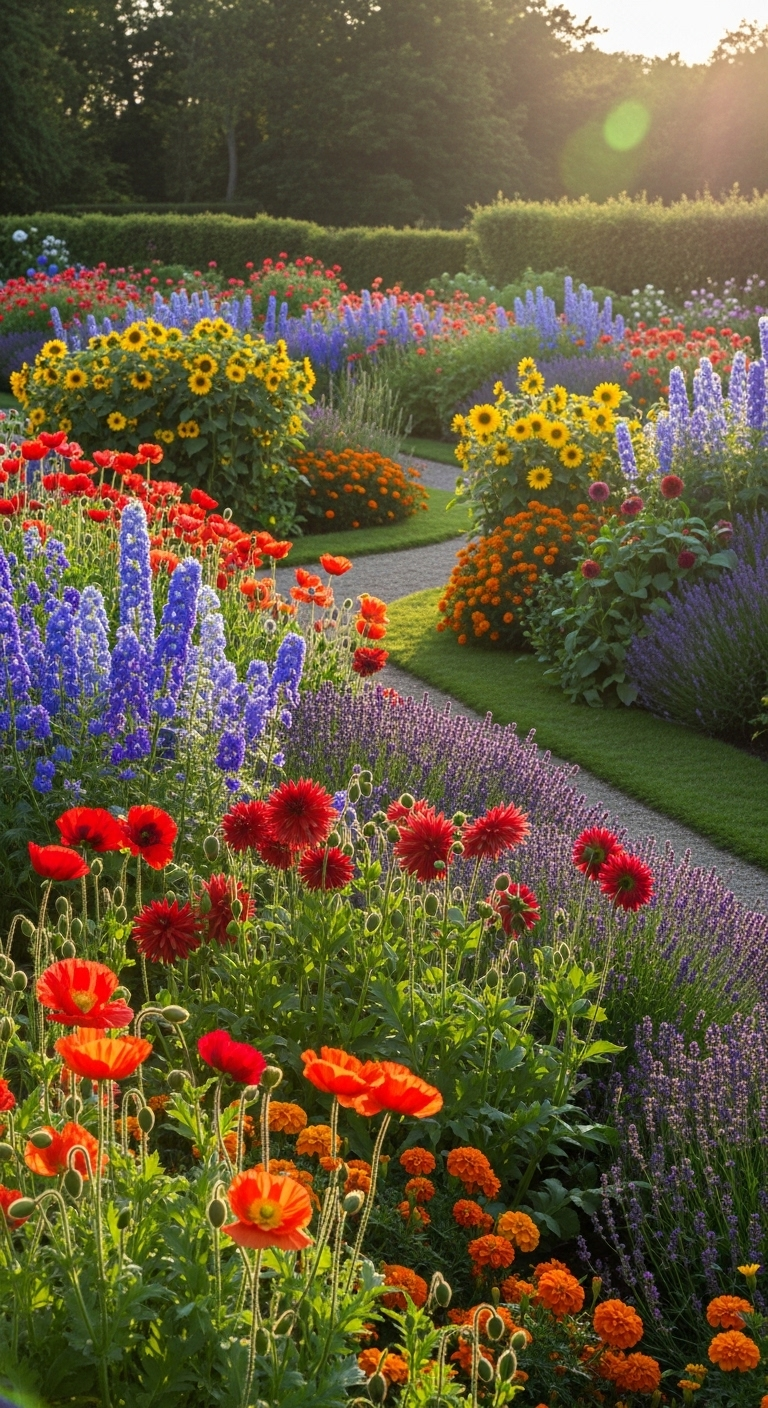
Incorporating high-contrast flowers is a fantastic way to give your garden an immediate, energetic, and professional look. Pairing bold red blooms with vibrant yellow, or classic purple with crisp white, commands attention the moment someone enters your space.
These dramatic color combinations are exceptionally effective at making smaller garden areas feel lively and full of personality. This bold styling is a perfect fit for eclectic gardens, allowing you to showcase a diverse range of plant life.
By repeating these striking color patterns throughout your beds, you ensure that the bold hues feel intentional and balanced. The natural contrast between these vivid tones allows the unique shape and beauty of each individual flower to stand out.
To keep the look approachable, integrate soft green foliage as a buffer between your most intense floral colors. This technique balances the brightness, making the overall arrangement feel refined, fun, and clearly designed with purpose.
18#. Hanging Flower Displays
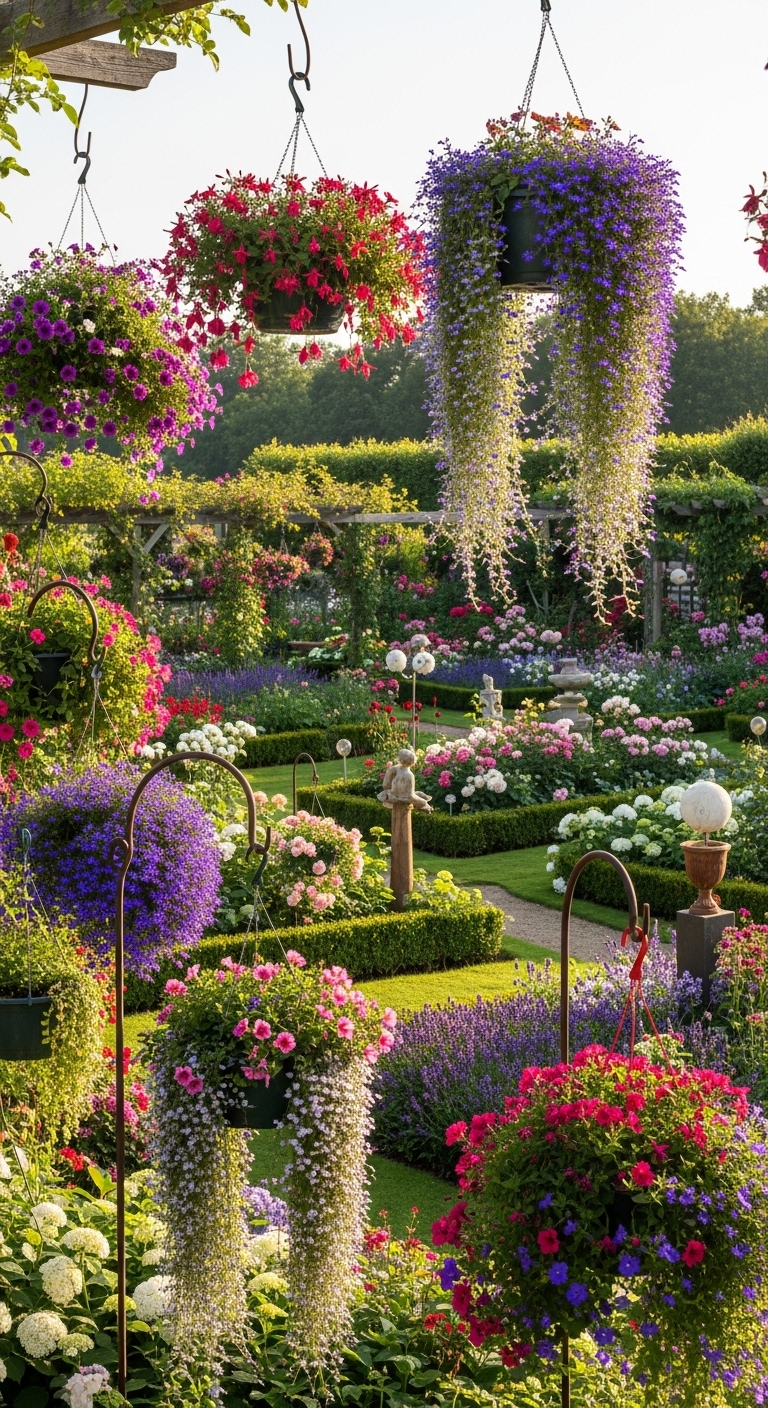
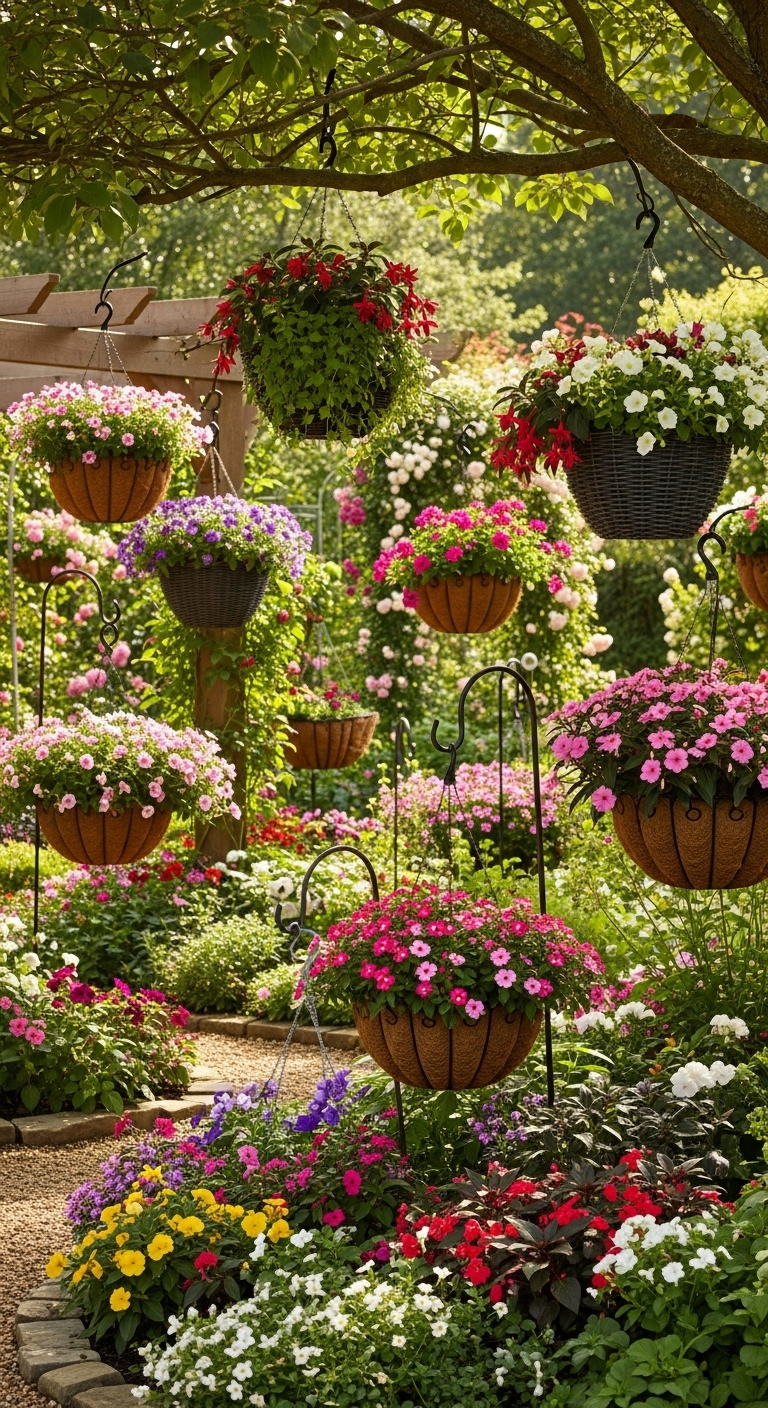
Hanging baskets are a brilliant solution for freeing up valuable ground space while adding immediate visual interest to your home. By utilizing vertical areas, you lift the beauty of your garden to eye level, ensuring your favorite blooms are always on display.
Varieties like petunias, fuchsias, and lobelia are perfect for these arrangements because they thrive in elevated positions. They transform standard porches, balconies, or patios into lush, vibrant extensions of your home’s overall living space.
If you experiment with hanging baskets at varying heights, you create a dynamic, professional, and visually layered look. The cascading, trailing nature of these plants works to soften hard edges, creating a graceful, flowing aesthetic.
This approach is an excellent way to ensure your garden feels remarkably full, abundant, and intentionally designed. It is a simple yet effective way to add architectural depth without requiring any additional square footage.
19#. Flowers Around Pathways
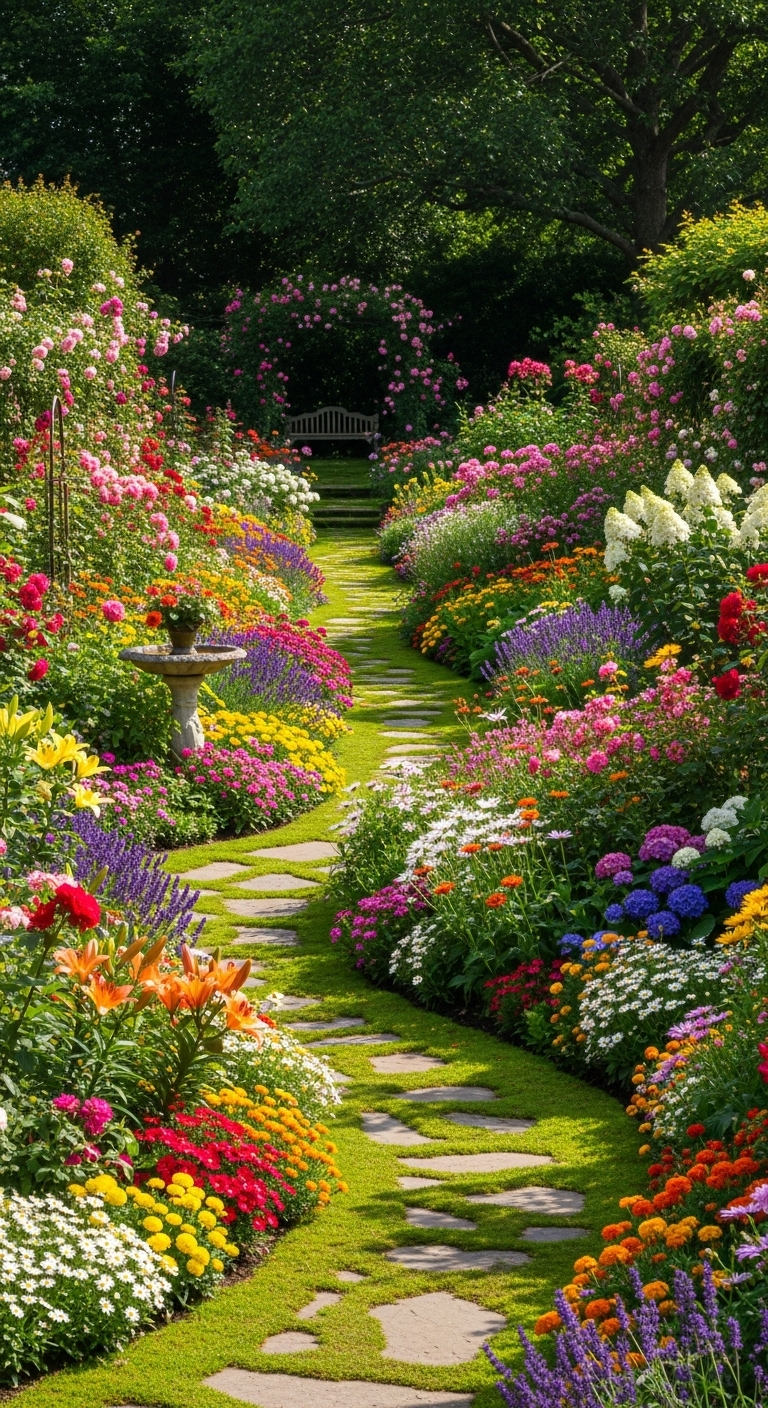
Bordering your pathways with flowers is a sophisticated technique for guiding the eye and clearly defining your garden spaces. Low-growing varieties like sweet alyssum or vibrant marigolds are excellent choices that provide a neat, professional appearance.
Lining your walkways with these plants transforms an ordinary path into a scenic, inviting stroll through your landscape. This small design adjustment makes your garden feel polished, demonstrating that significant thought went into the overall layout.
You should experiment by mixing diverse textures and colors to ensure your borders remain visually engaging and unique. Creating these deliberate pairings turns a functional walkway into an intentional design element that anchors your entire yard.
20#. Balcony Flower Ideas
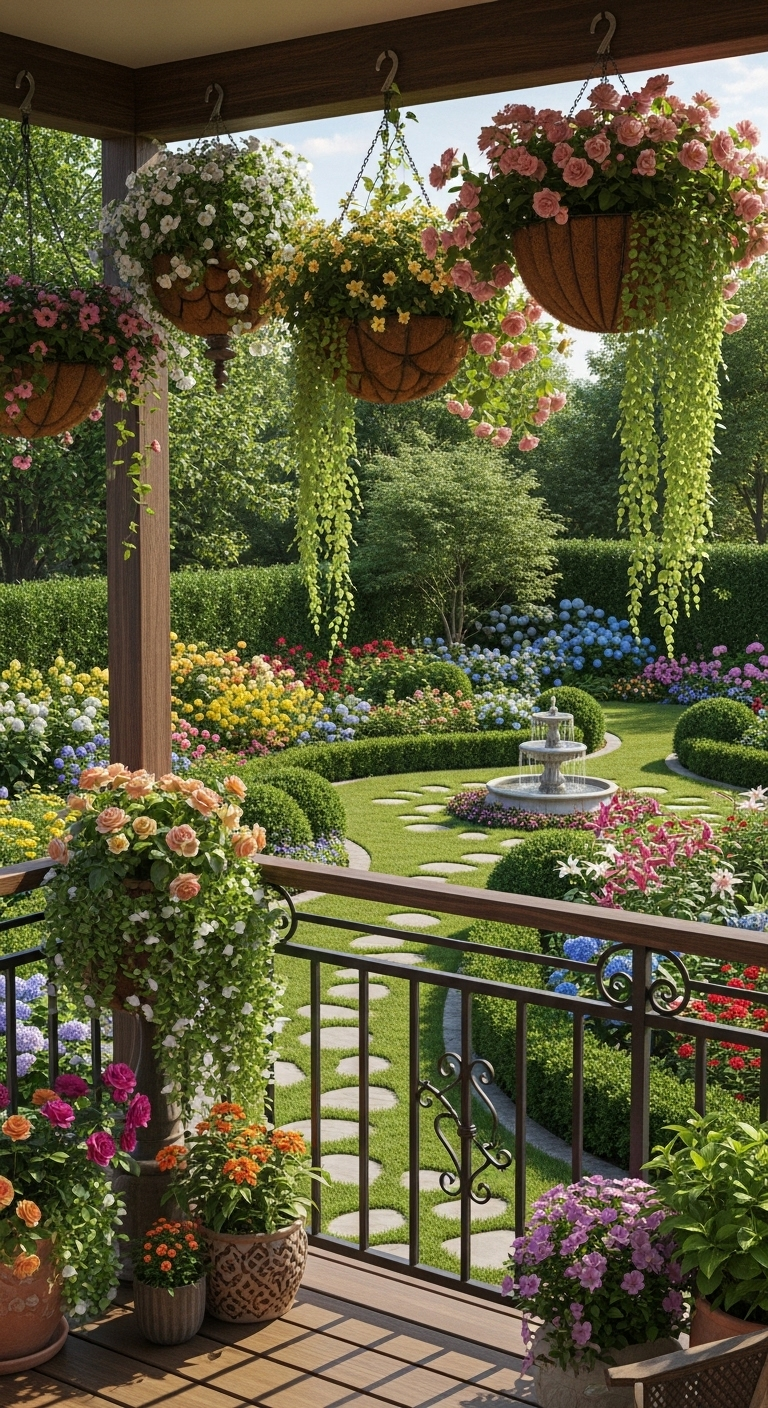
Small balconies have incredible potential to become your own private, lush green space in the heart of the city. By utilizing a mix of pots and cascading, hanging flowers, you can turn a compact area into a thriving retreat.
The key to success is choosing plants that are perfectly suited to the specific light levels of your balcony. Whether your space is bathed in bright sun or tucked away in cooling shade, there are perfect floral options.
This thoughtful approach turns a standard city balcony into a genuine, relaxing sanctuary away from the daily noise. Bringing nature into your elevated space creates a calming environment that promotes peace and mental clarity.
21#. DIY Flower Arches
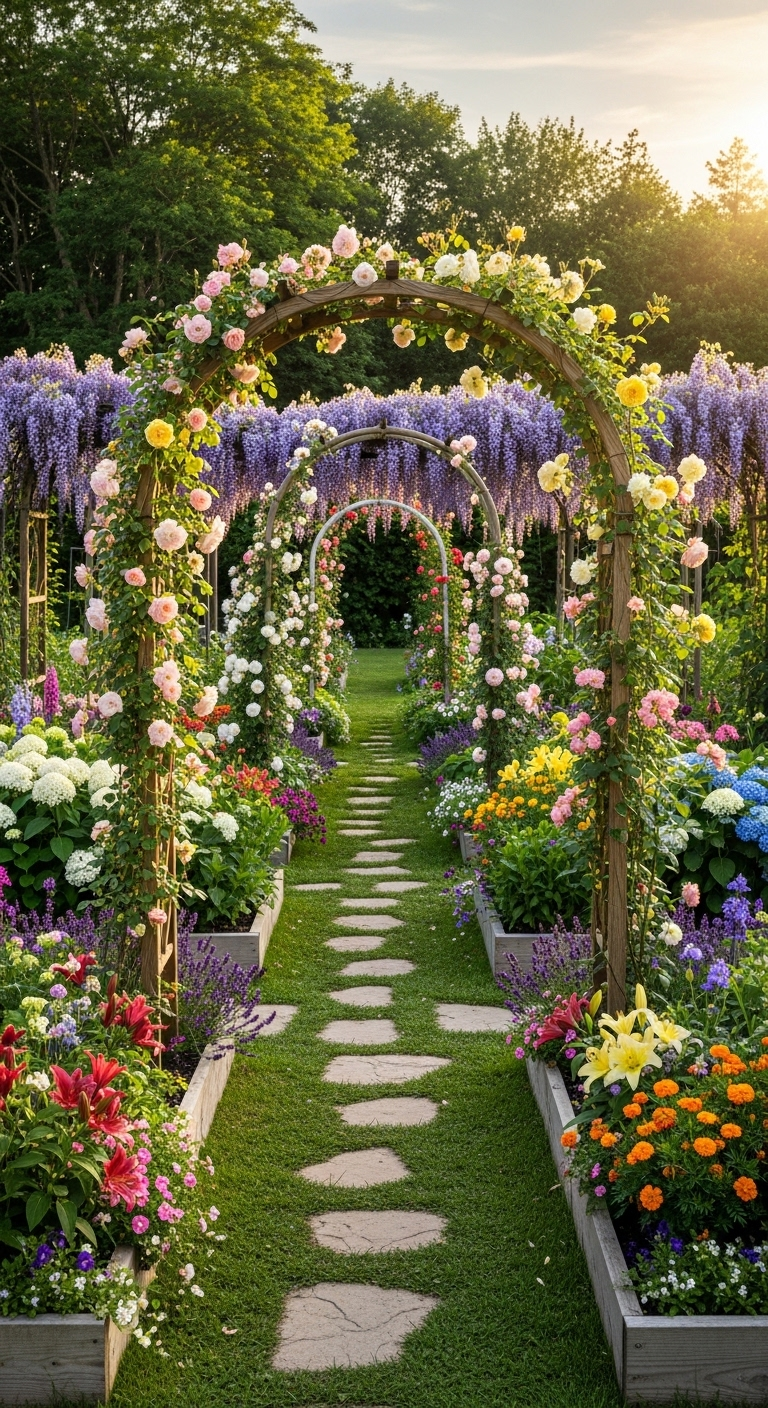
Flower arches are a magnificent way to define the entrance to your garden, instantly creating a sense of arrival. Whether you choose to train climbing plants or secure a vibrant arrangement of cut flowers, the structure feels instantly magical.
These arches bring a romantic, storybook quality to your outdoor space, elevating the entire atmosphere of your property. They serve as a stunning transition point, signaling that you are stepping into a special, curated, and peaceful environment.
Mixing delicate blooms with lush leaves and branches adds incredible visual interest and depth to your archway. Using fresh flowers that are currently in season is a smart, sustainable way to keep your entrance looking vibrant.
22#. Flowers in Recycled Planters
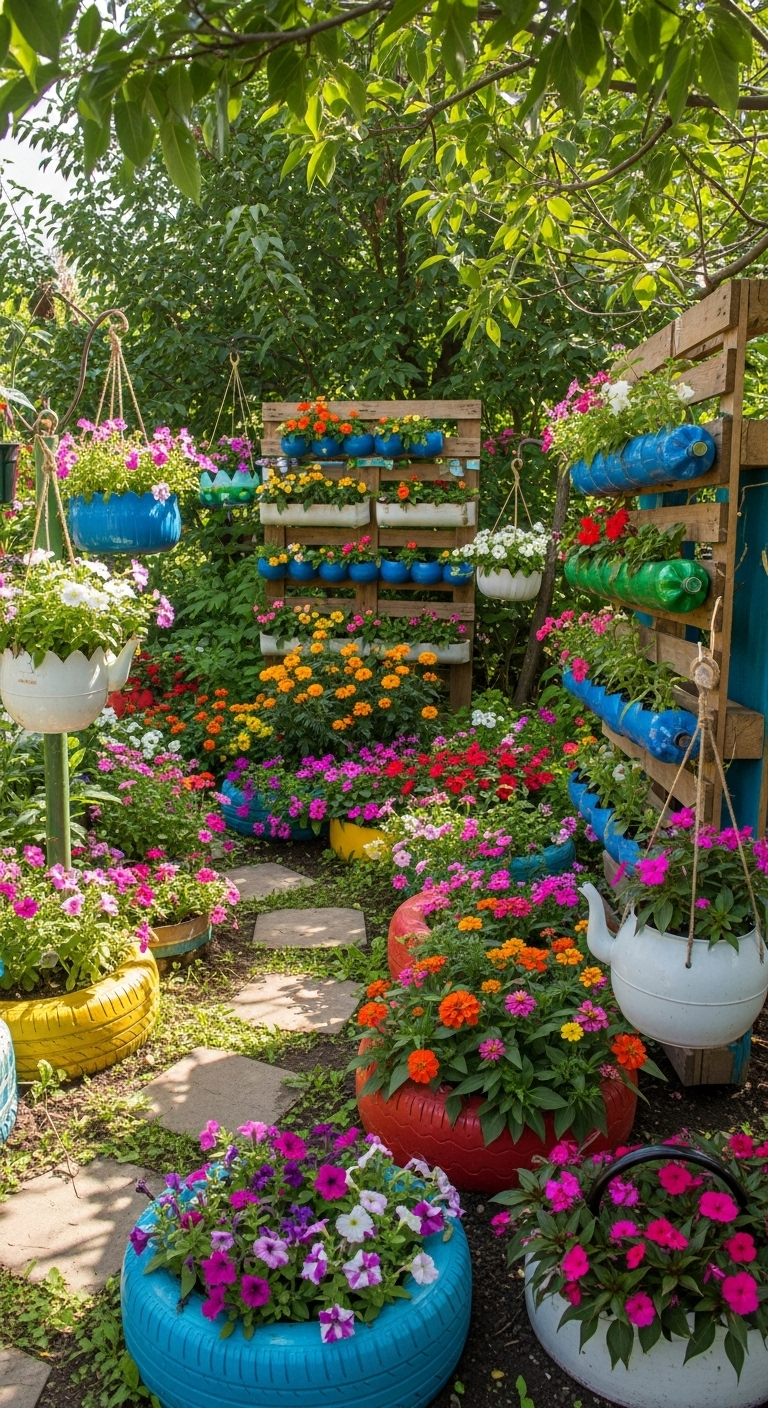
Repurposing everyday items like buckets or wooden crates into creative planters is a fantastic way to add sustainable charm to your home. This eco-friendly practice not only helps the earth but also results in a distinctive, high-end look for your gardening project.
Whether you choose to refresh your containers with a coat of paint or leave them weathered for a rustic, aged appeal, they will brim with character. Many varieties of flowers thrive in these sturdy setups, providing you with a versatile and functional way to display your green thumb.
By incorporating containers of varying sizes and colors, you create a dynamic display that is inherently more interesting to the eye. These unique pieces are perfect for placing on your patio, balcony, or throughout your backyard to personalize your outdoor area.
23#. Spiral and Geometric Flower Bed
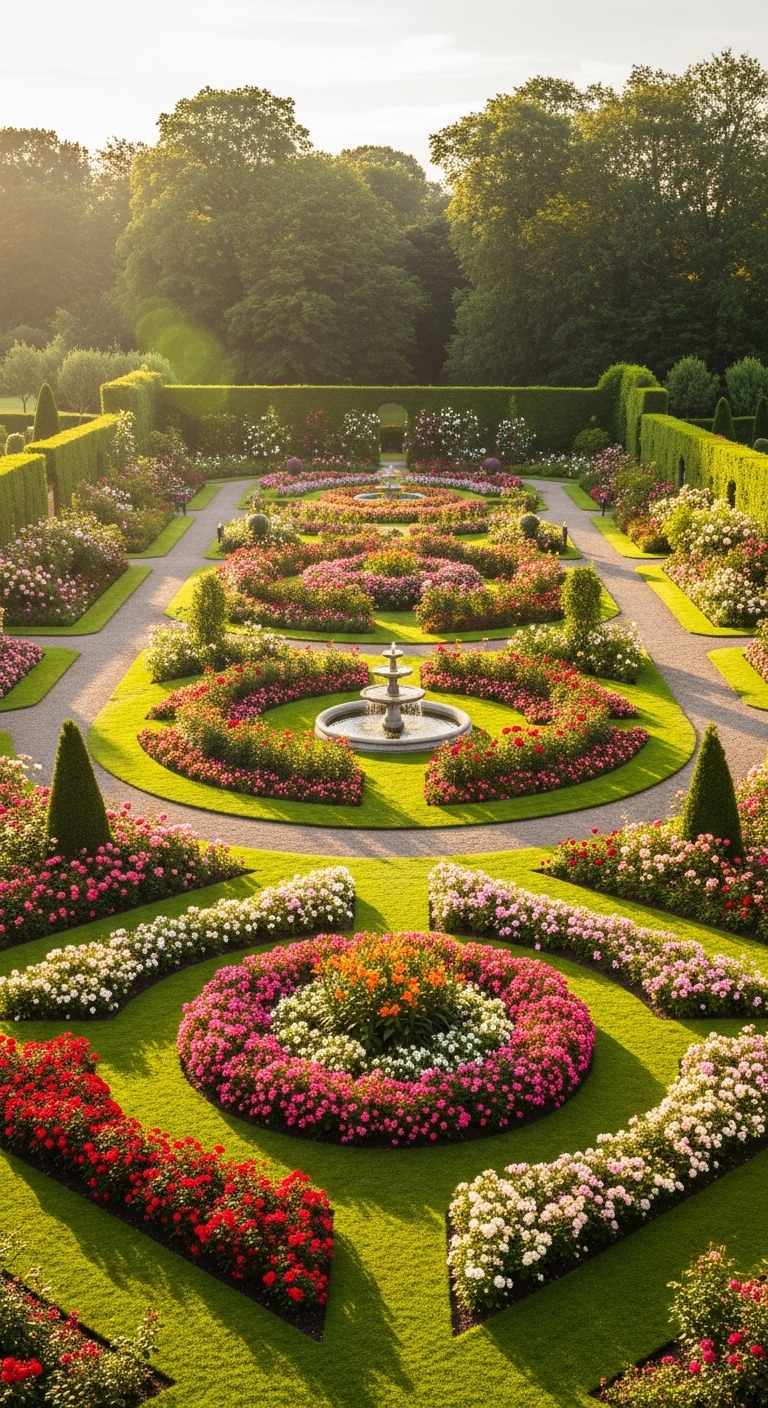
Geometric shapes are a powerful design tool for ensuring your garden looks impeccably neat and tidy. Integrating structured spirals or perfect circles helps naturally draw the eye toward your most important focal points.
When you layer your flowers within these shapes, you create an illusion of depth that feels professional and intentional. Utilizing bold geometry throughout your beds gives the entire landscape a highly artistic, curated feel that stands out.
Choosing a color palette that features strong, high-contrast tones or perfectly harmonious shades will elevate the impact. Structuring your beds this way turns the gardening process into a clear, satisfying plan that feels incredibly efficient.
24#. Flowers Around Water Features
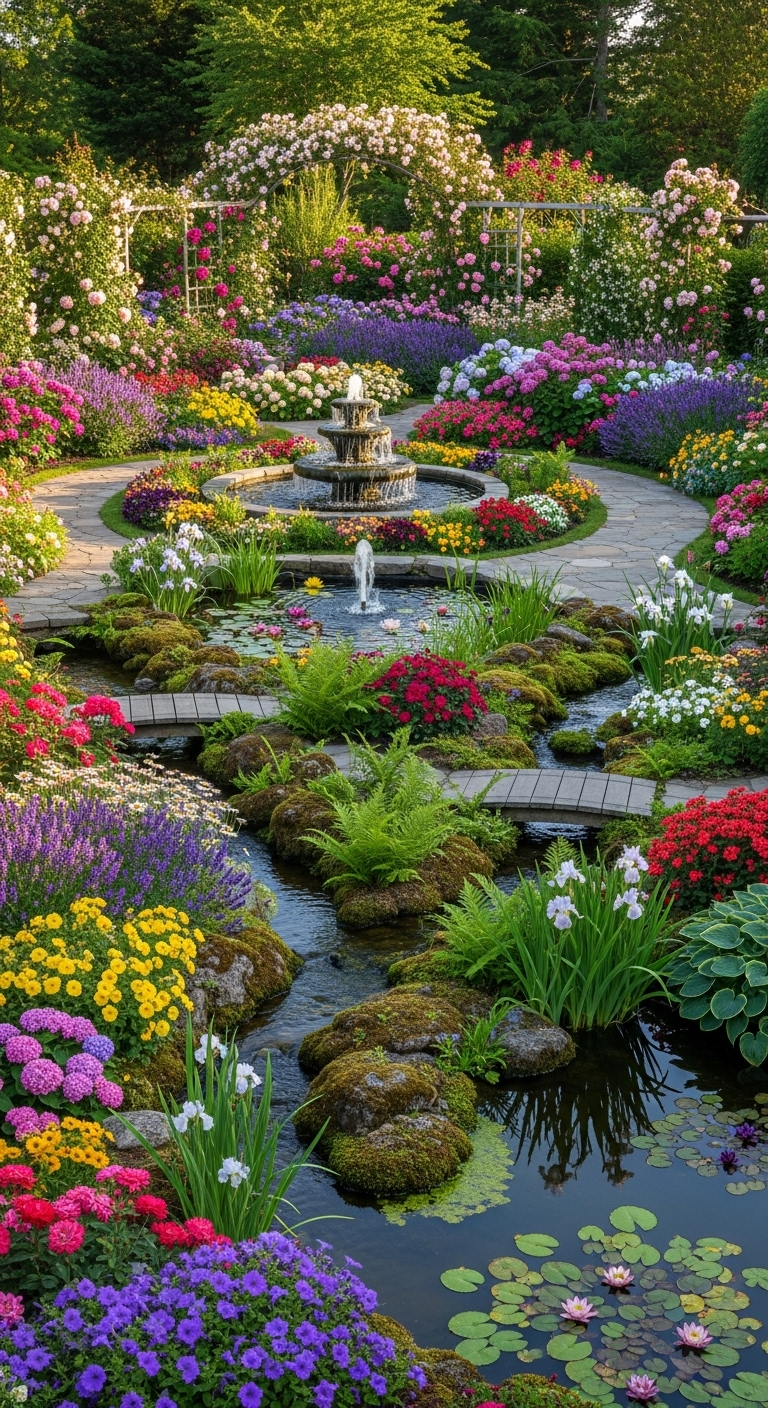
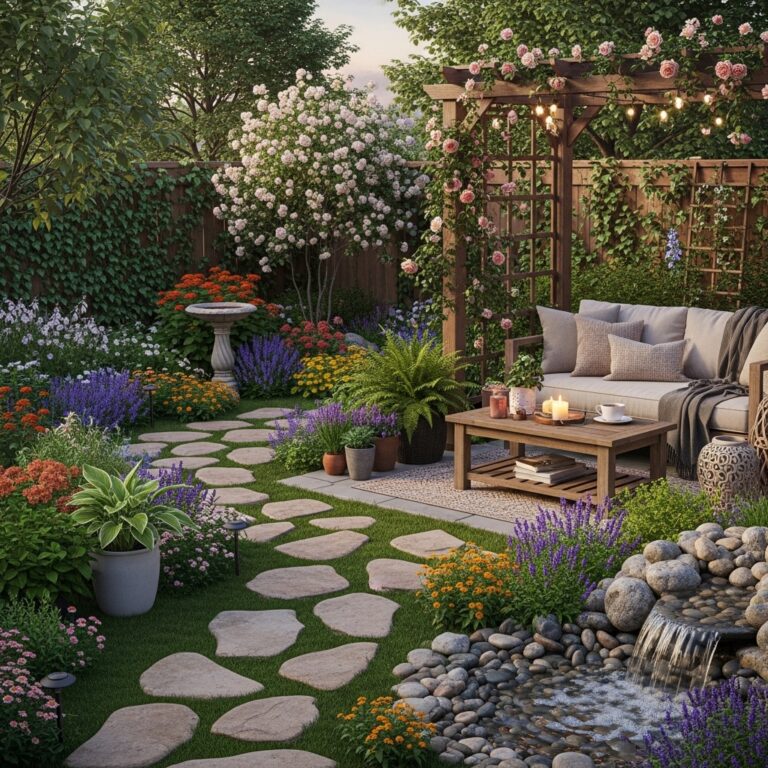
Planting flowers and lush greenery near ponds, fountains, or birdbaths is a beautiful way to foster a calm, serene atmosphere. The natural reflection of your plants in the water doubles their visual impact, making every bloom look twice as stunning.
Selecting moisture-loving varieties ensures your garden thrives in these specific, damp conditions, creating a healthy and thriving ecosystem. This choice of plant life helps you build a cohesive, professionally designed landscape that feels both grounded and peaceful.
You can frame your water feature with larger, structural plants while tucking small, delicate varieties right at the water’s edge. This deliberate layering technique creates a polished, natural look that feels like a high-end, professionally landscaped garden.
25#. Heart-Shaped Flower DesignsPlanting flowers and
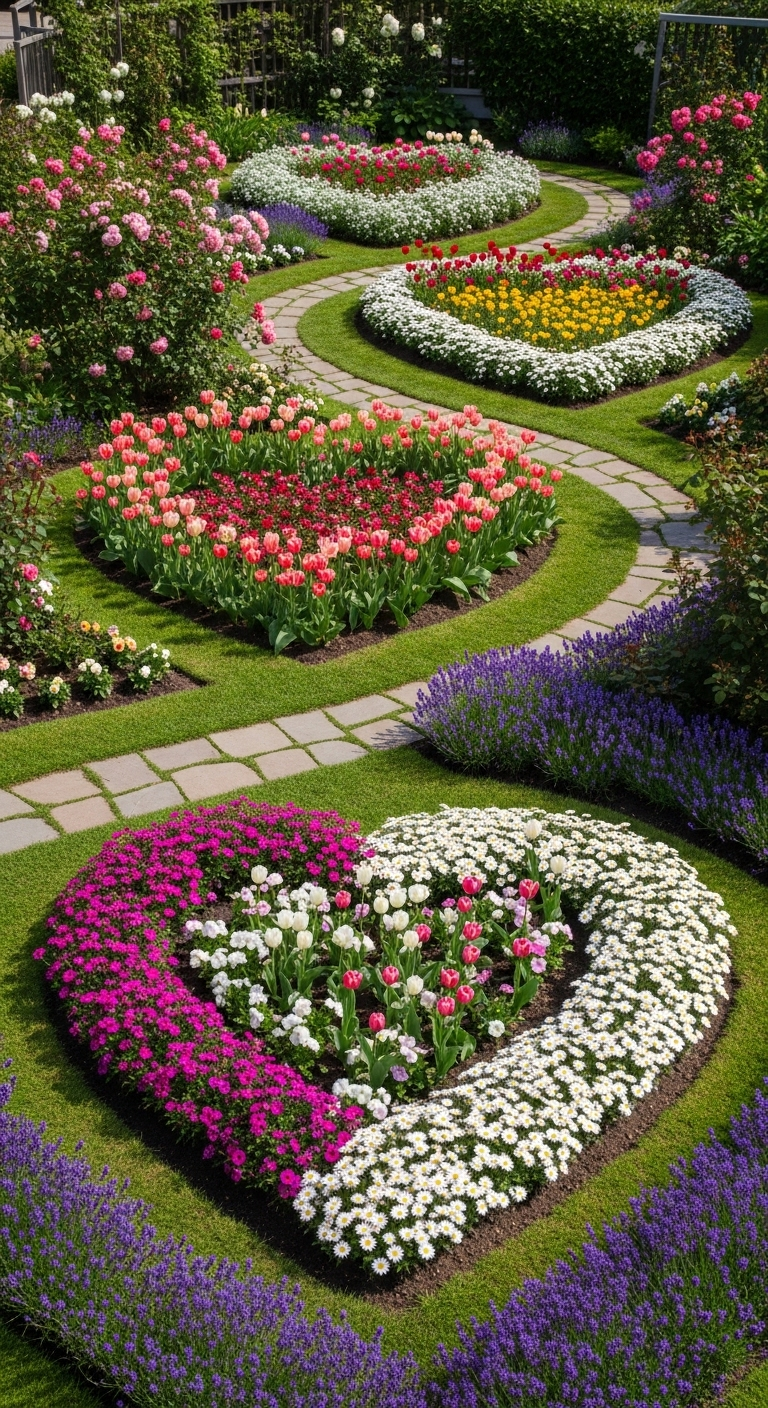
Heart-shaped beds are a wonderful way to add a touch of whimsy and personality to your landscape. They create an incredibly lovely focal point, making them perfect for dedicated garden corners or special areas you want to highlight.
When you carefully design your heart-shaped bed with symmetry in mind, the result is both balanced and visually stunning. This classic shape brings a wealth of charm to your outdoor space, turning a simple garden into a curated experience.
Incorporating flowers of varying heights within the heart shape is a fantastic way to make the design feel more dynamic. Using these different levels adds significant depth, ensuring that your garden looks interesting and professionally layered from every angle
26#. Flowers for Small Spaces
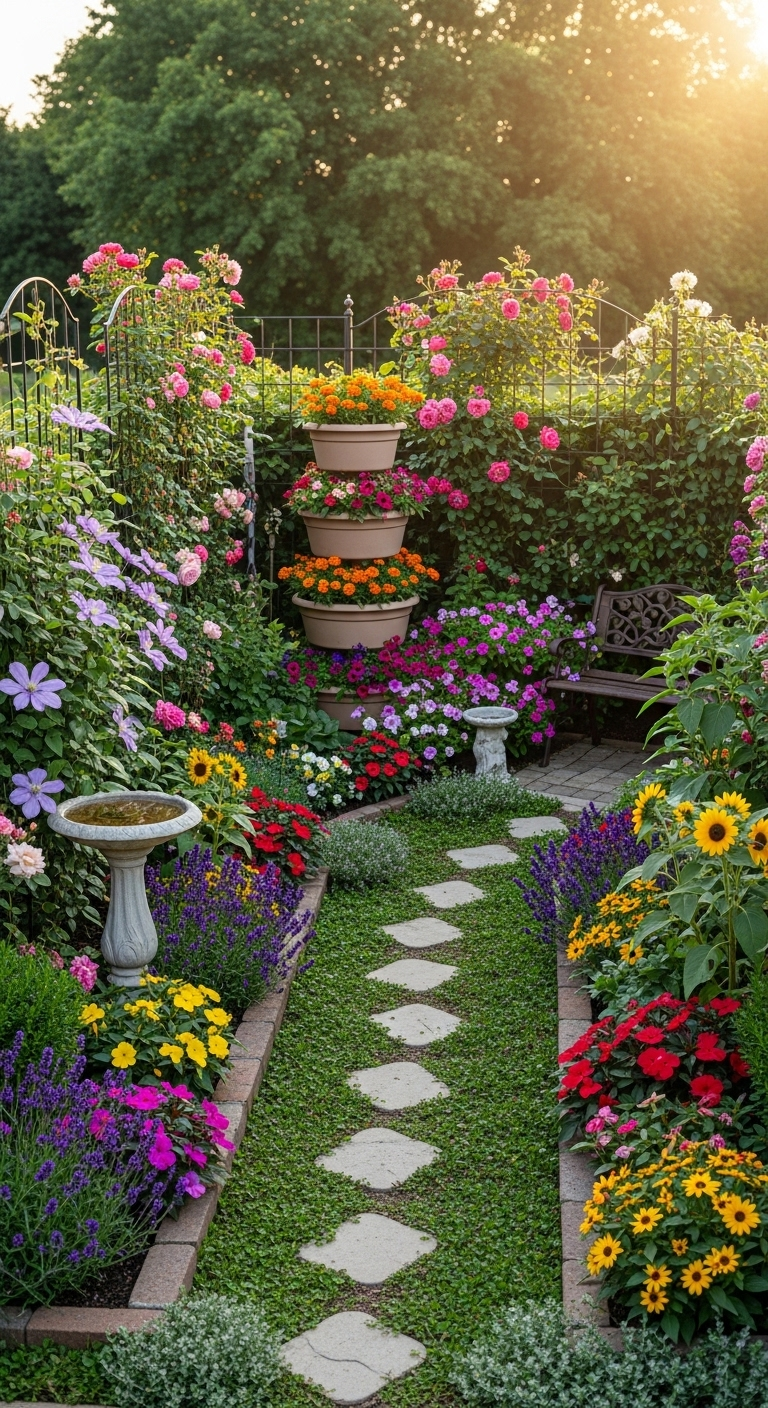
Compact flowers like pansies, violas, and dwarf roses are perfect for creating stunning, high-impact garden displays. By arranging these plants vertically and utilizing creative containers, you can make the most of every inch of available space.
Careful color coordination is essential to ensure your compact garden feels curated rather than overcrowded or chaotic. With thoughtful planning, even the smallest areas can be transformed into lush, beautiful, and highly inviting retreats.
To add significant depth and visual variety, try layering your plants by using different heights in a single arrangement. Hanging baskets are another excellent, professional solution that helps you save valuable ground space while adding overhead beauty.
27#. Bright Flowers Near Entrances
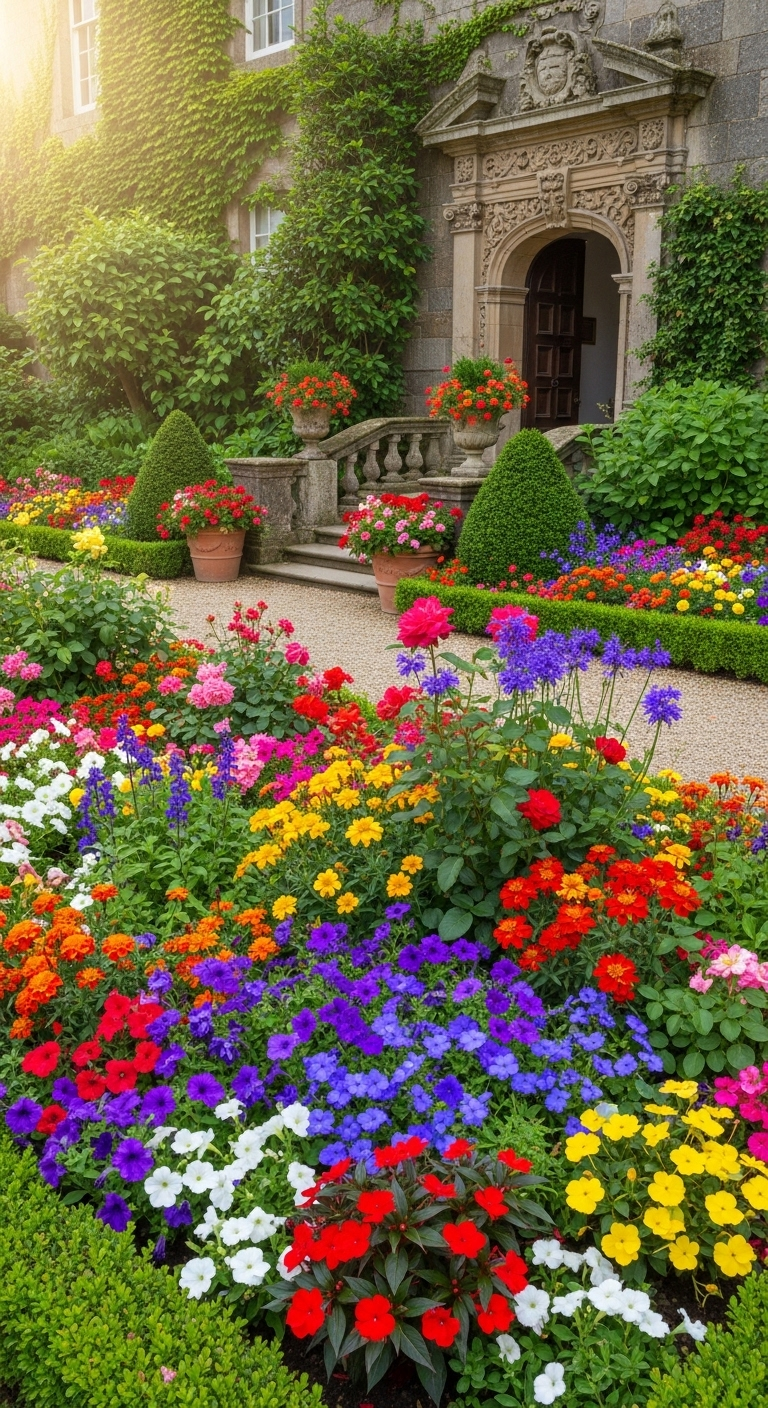
Planting flowers near your doors is an effortless way to make your home feel warm, inviting, and truly welcoming to every guest. Varieties like petunias, marigolds, and geraniums are perfect for this, as their bright, happy blooms immediately lift the mood of your entrance.
These vibrant flowers can dramatically change the look of your home, making your doorway appear polished, pretty, and well-cared for. When selecting your plants, choose colors that harmonize with your home’s exterior to create a cohesive, professional aesthetic.
Try combining different types of flowers and lush foliage to add layers, texture, and visual interest to your entryway. Updating your floral selection with the changing seasons is a great way to keep your home’s curb appeal feeling fresh and current throughout the year.
28#. Pastel-Themed Flower Gardens
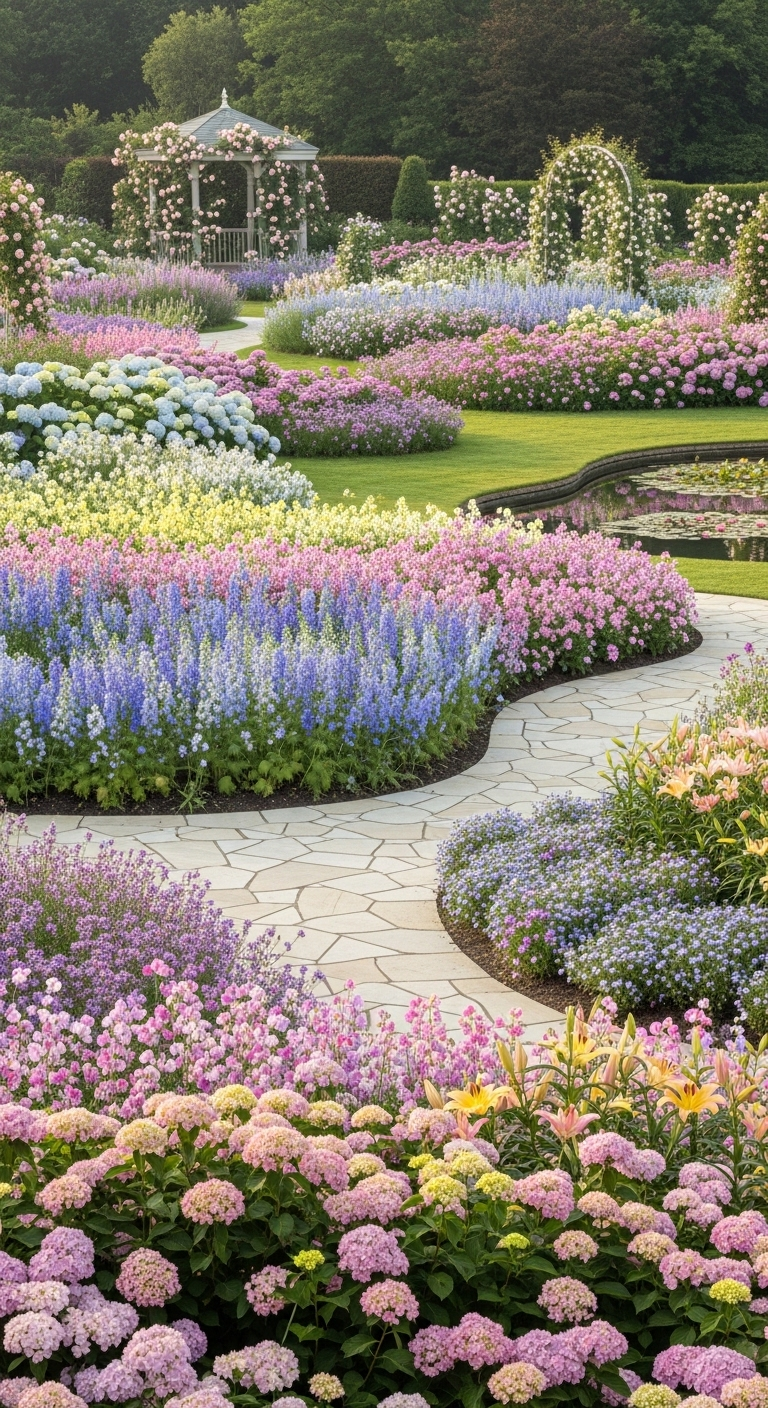
Soft pastel blooms are undeniably beautiful, evoking a sense of romance and tranquility in any outdoor space. Combining delicate shades like pink, lavender, peach, and crisp white creates a harmonious, soothing palette that feels both calm and sophisticated.
Whether you are designing a cozy garden corner or a expansive landscape, these gentle colors bring a refined, fancy aesthetic to your property. To elevate the visual interest of your pastel garden, it is essential to incorporate a variety of textures and plants of varying heights.
Pastel colors pair exceptionally well with rich, vibrant leaves and diverse green plants, providing a fresh contrast that highlights the softness of the blooms.
29#. Flowers in Rustic Wooden Planters
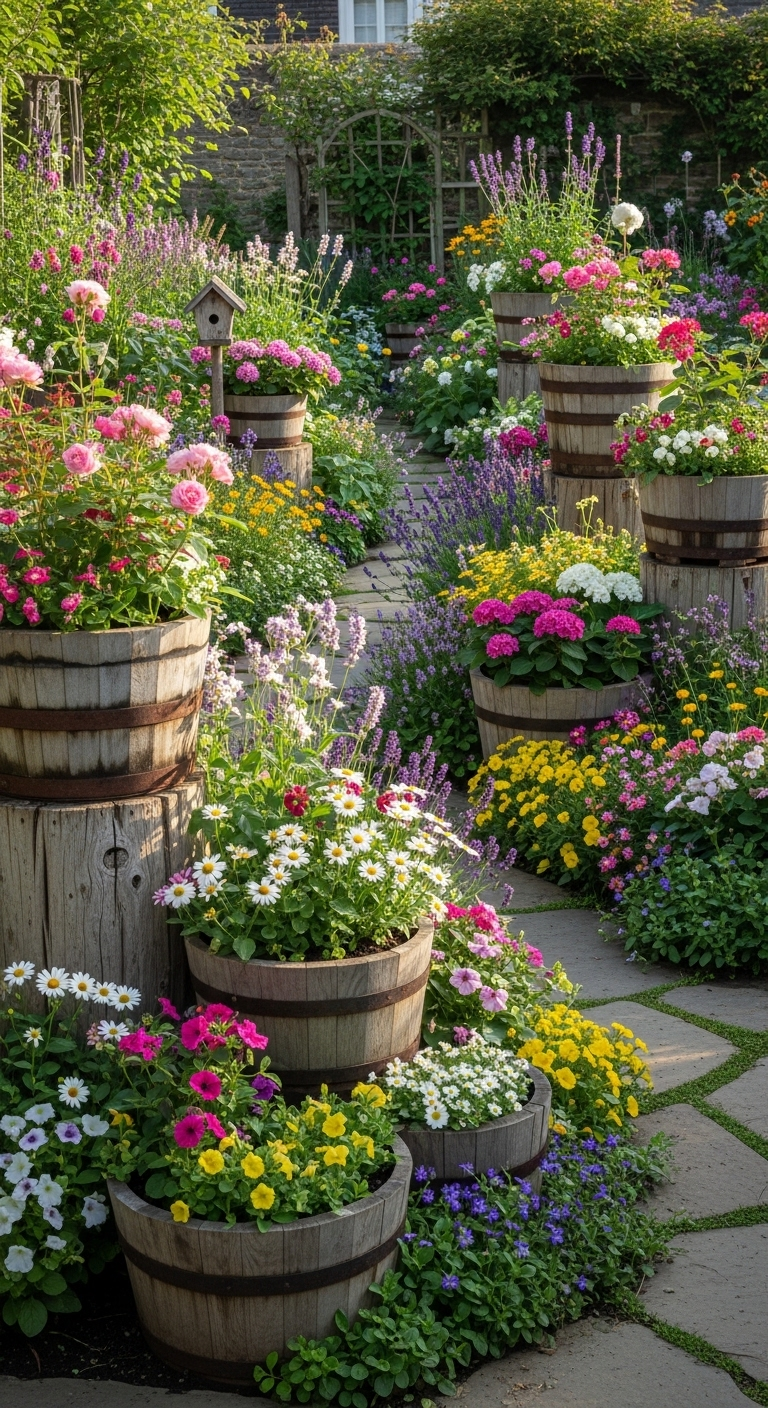
Wooden planters are a wonderful addition to any garden, immediately infusing your outdoor space with a sense of warmth and coziness. They are the quintessential choice for achieving that inviting, timeless farmhouse aesthetic that feels both authentic and welcoming.
Flowers like geraniums, fragrant lavender, and cheerful daisies thrive in these containers, creating a beautiful contrast against the natural textures. The appeal of wooden planters lies in their handcrafted quality, which lends a unique character and soul to your garden beds.
By incorporating containers of varying sizes and heights, you build a visually layered display that feels professional and intentional. The raw, organic nature of the wood perfectly complements the bright, vibrant colors of your favorite flowers, creating a balanced and harmonious look.
30#. Flowers with Herbs
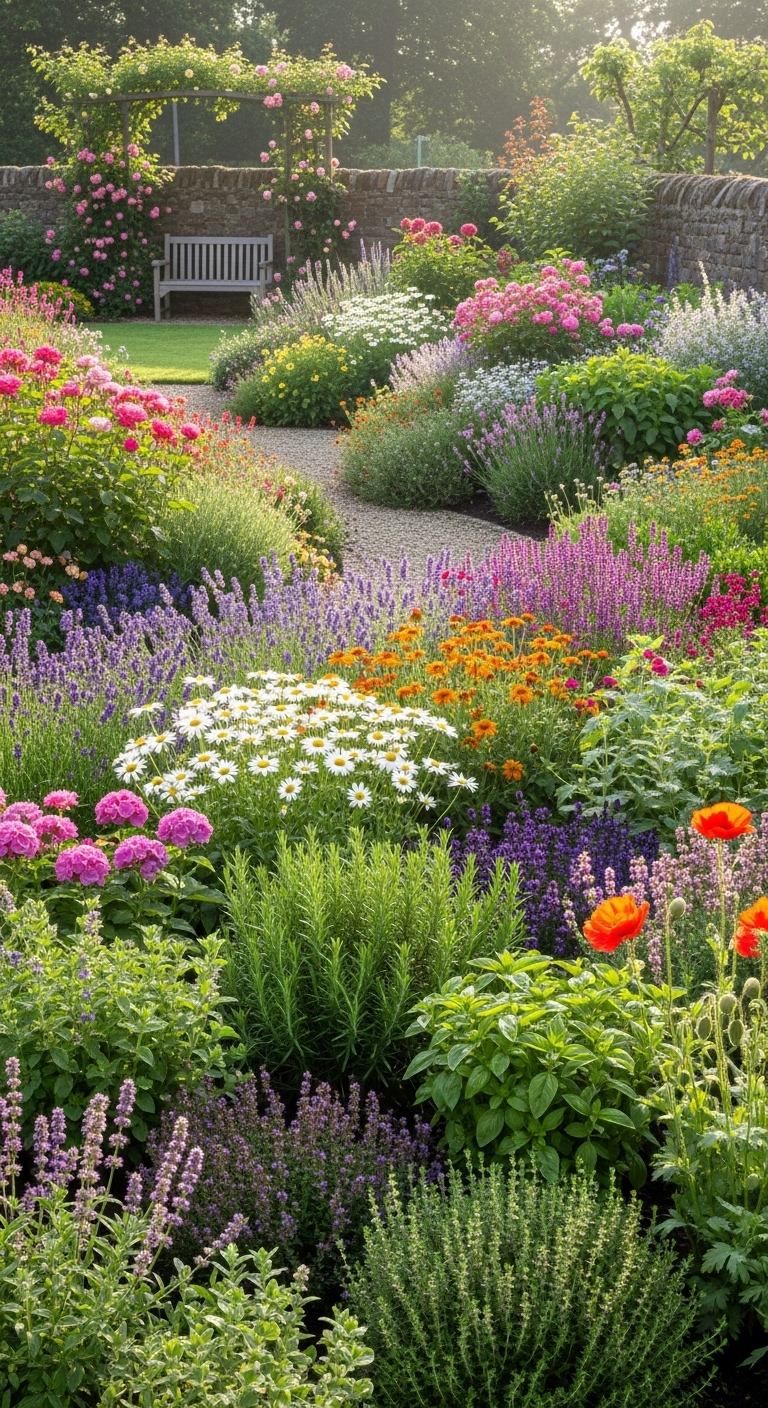
Pairing flowers with aromatic herbs is a brilliant design choice that seamlessly combines aesthetic beauty with practical, everyday function. Integrating varieties like lavender, thyme, and basil into your floral displays creates an outdoor space that is as useful as it is visually stunning.
Beyond their appearance, these herbs offer a delightful sensory experience, filling your garden with refreshing, natural fragrances. This combination is incredibly beneficial for your local ecosystem, as herbs are highly effective at attracting essential pollinators like bees and butterflies.
Because these plants are generally low-maintenance, this approach is perfect for beginners looking to establish a successful and rewarding garden. The blend of textures and colors ensures your beds look polished and professionally curated throughout the growing season.
31#. Shade-Tolerant Flower Corners
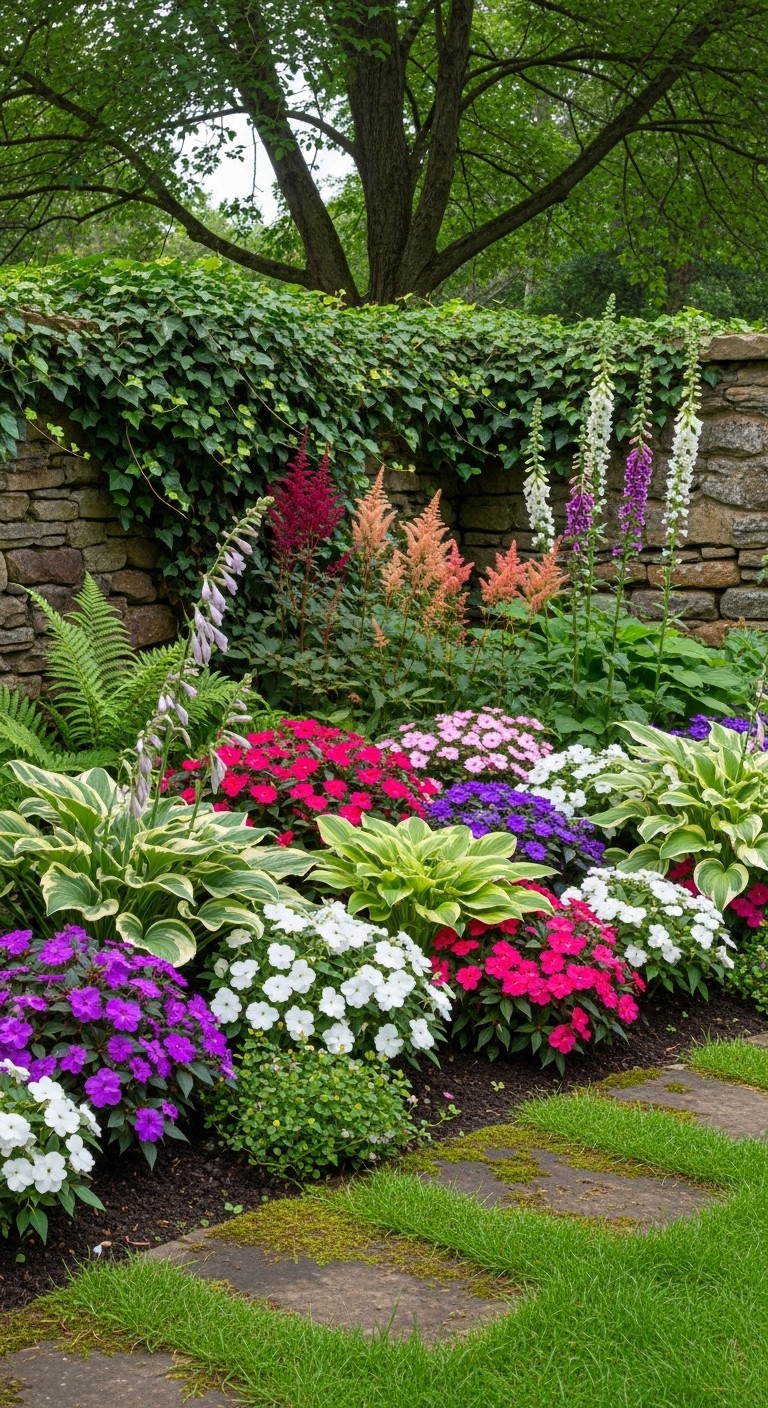
Some areas of your landscape require flowers that thrive in the shade, such as hostas and impatiens, to truly reach their full potential. These shade-loving plants are essential for brightening up darker garden corners, effectively turning forgotten spots into highlights of your outdoor space.
By utilizing these varieties, you prevent lackluster, bare patches in your garden, ensuring every square foot looks intentionally lush and well-maintained. You can enhance this display by mixing diverse leaf textures, which provides much-needed variety and visual interest in lower-light conditions.
Adding a thoughtful selection of shade-tolerant flowers provides that perfect pop of color, making the area feel vibrant rather than dull. Furthermore, planting your selections at varying heights creates essential depth, ensuring your shaded spaces feel just as multi-dimensional as your sun-drenched beds.
32#. Layered Hanging Flower Baskets
Shade-loving blooms like hostas and impatiens allow you to cultivate a cohesive, high-end landscape that feels full and abundant throughout the entire property. You will find that these corners become just as lively, beautiful, and inviting as any other part of your outdoor sanctuary.
This approach to gardening is an efficient way to achieve a professional, polished transformation that feels deeply rewarding. It turns challenging low-light environments into curated features that reflect your dedication to beauty and plant health.
Focusing on these strategic elements ensures your garden remains a standout, immersive feature of your entire home design. It is the perfect way to blend practicality with natural artistry, creating an oasis you will love to visit in every season.
Would you like to explore other shade-loving varieties or specific foliage combinations to add more contrast to your garden’s darker corners, Mehreen?
33#. Flowers with Stepping Stones
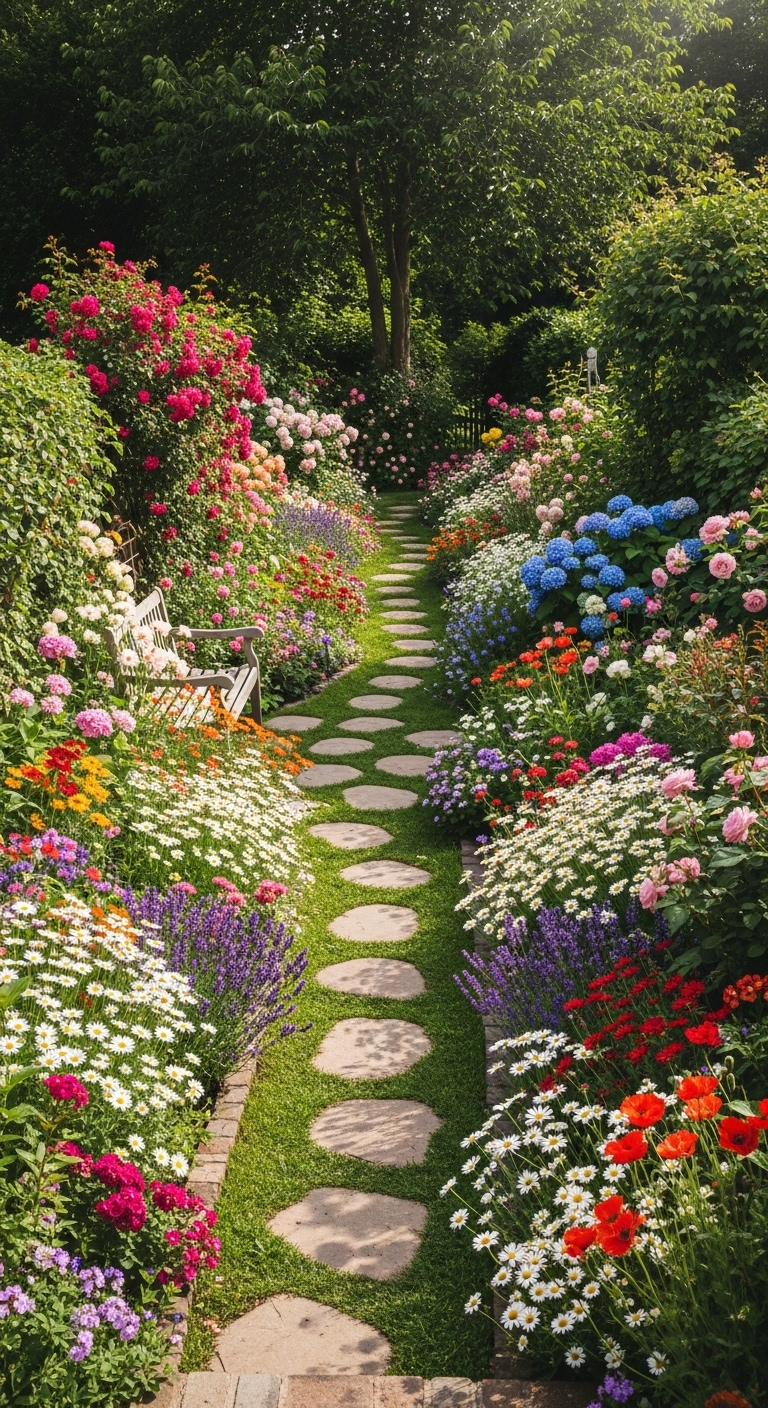
Planting flowers along your stepping stones is an inspired way to transform a simple path into a captivating garden feature. Using low-growing, resilient varieties like alyssum or creeping thyme perfectly frames the stones, creating a soft and inviting boundary.
These pathways do more than just guide visitors through your landscape; they turn every step into a pleasant, fragrant experience. Integrating a diverse color palette makes the walkway significantly more interesting, drawing the eye along the path with ease.
By planting flowers in deliberate layers around the stones, you add essential depth, ensuring the path looks professional and lush. These soft, blooming edges effectively break up the hard lines of the stone, adding an abundance of charm to your property.
34#. Seasonal Bulb Planting Ideas
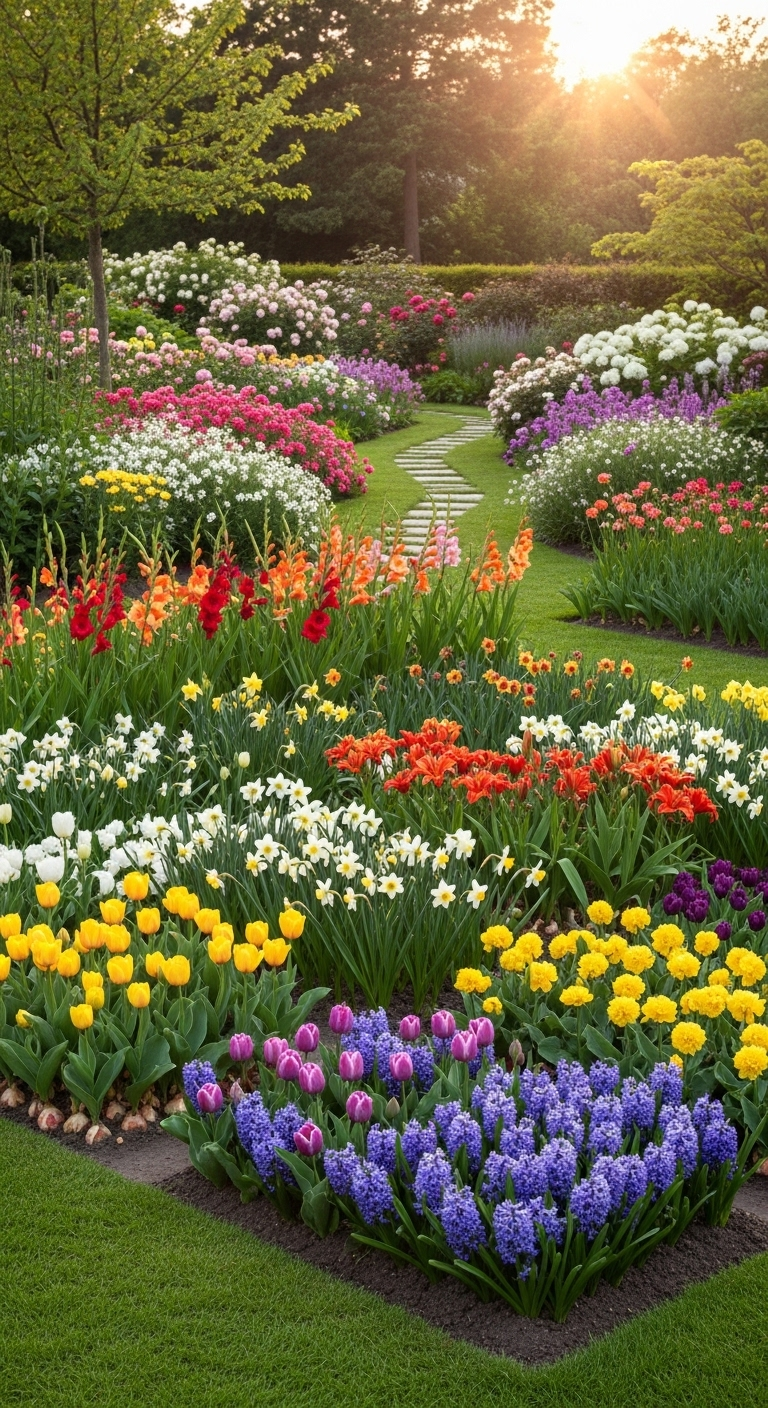
The beauty of bulbs lies in their immense versatility, allowing you to incorporate them into virtually any part of your outdoor design. You can tuck them along the neat edges of your garden beds, plant them in large decorative pots, or integrate them directly into your existing landscape.
This flexibility ensures you can add color precisely where you need it most, creating a high-end, curated look that feels both spontaneous and well-planned. Updating your beds with these early bloomers is an efficient way to achieve a stunning, professional transformation that maximizes your garden’s potential.
Focusing on these early-season elements ensures your garden remains a standout, immersive feature of your entire home design. It is the perfect way to blend reliable beauty with seasonal anticipation, creating a space you will love to welcome spring in.
Would you like to explore a specific bulb layering technique or perhaps a color scheme for your next spring-blooming display, Mehreen?
35#. Flowers for Pollinators
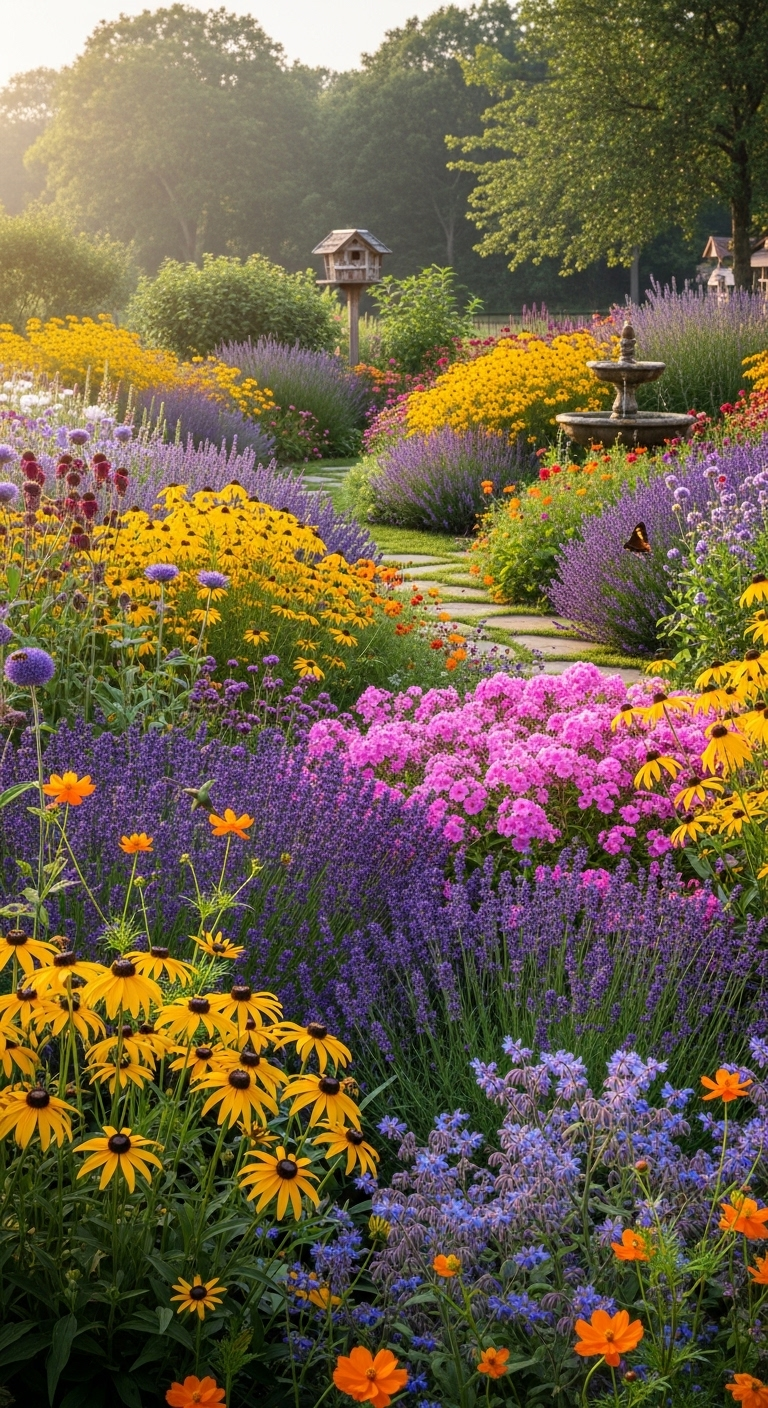
Planting vibrant blooms is a wonderful way to attract bees, butterflies, and hummingbirds, turning your garden into a bustling, living ecosystem. Varieties like lantanas, sunflowers, and zinnias are excellent, high-impact options that provide essential resources for these beneficial visitors.
Creating a dedicated pollinator garden is a fantastic contribution to your local ecology, promoting environmental health right in your own backyard. These plants bring a delightful sense of movement and constant life to your outdoor space, making it feel dynamic and truly immersive.
To maximize your impact, try planting in large clusters rather than scattered individual stems; this creates clearly defined feeding zones that are easier for pollinators to locate. Additionally, making the conscious decision to avoid pesticides is a vital step in ensuring a safe, healthy environment for the pollinators you are working so hard to attract.
Wrap-Up:
A well-designed garden is more than just flowers—it’s a space that reflects your personality, creativity, and style. By mixing colors, textures, heights, and scents, you can create an outdoor retreat that feels both lively and inviting. From vertical gardens to secret nooks, there are endless ways to make your space unique and memorable. Even small adjustments, like adding window boxes or layering blooms, can have a huge visual impact.