Have you ever stepped into a home and instantly felt a sense of calm wash over you? A place where everything feels balanced, cozy, and effortlessly beautiful? That’s the magic of Japandi design. In a time when our lives often feel busy and overwhelming, Japandi offers a gentler way of living—one that embraces simplicity, comfort, and the beauty of slowing down.
Japandi is more than just a decorating trend; it’s a lifestyle that encourages you to surround yourself with things that truly matter. By combining the warmth and coziness of Scandinavian interiors with the peaceful minimalism of Japanese design, this style creates spaces that feel welcoming, meaningful, and easy to live in. Every item has a purpose, and every corner feels thoughtfully designed.
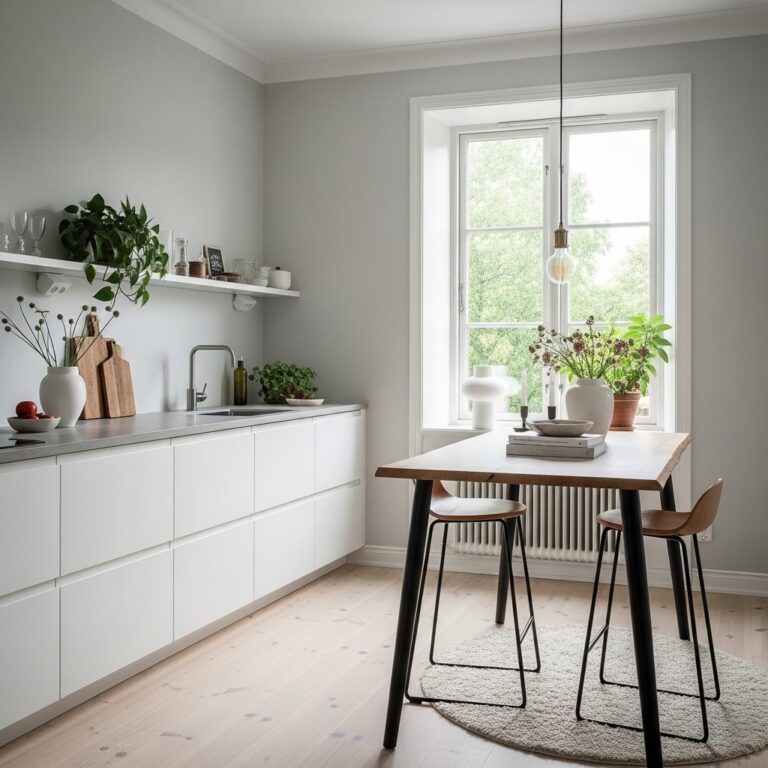
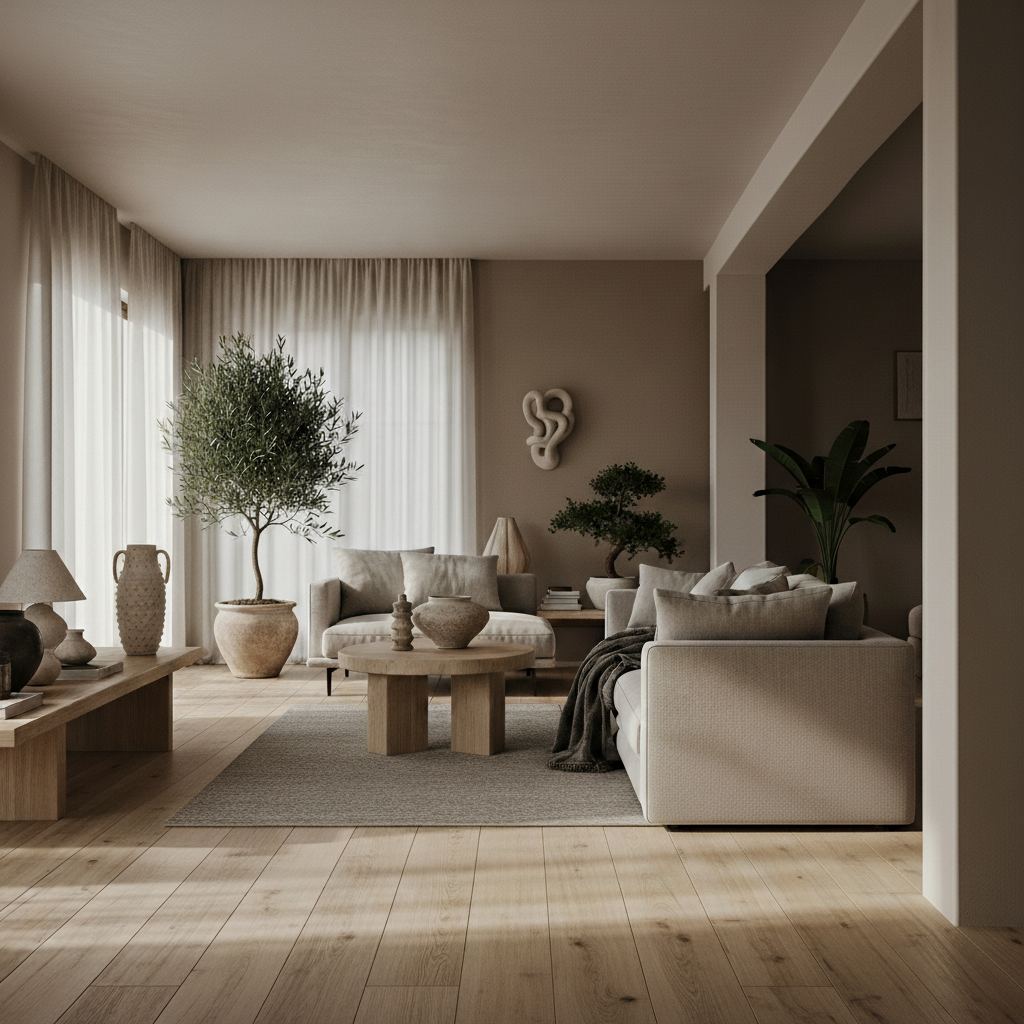
What makes people fall in love with Japandi is how effortlessly it turns a house into a sanctuary. Soft neutral colors, natural materials, clean lines, and clutter-free spaces work together to create an environment that feels both stylish and comforting. It’s not about having a perfect home—it’s about creating a space that helps you breathe a little easier and enjoy the moments that matter most.
If you’ve been dreaming of a home that feels calm, timeless, and beautifully put together, you’re in the right place. In this guide, you’ll discover 35+ Japandi home secrets that can help you transform any room into a peaceful retreat. Whether you’re making small updates or planning a complete makeover, these ideas will inspire you to create a home that feels as good as it looks..
This hybrid style, known as Japandi, is the interior world’s best-kept secret for creating a sanctuary that is both functional and incredibly soul-soothing.
1#. Scandi Function with Japanese Zen
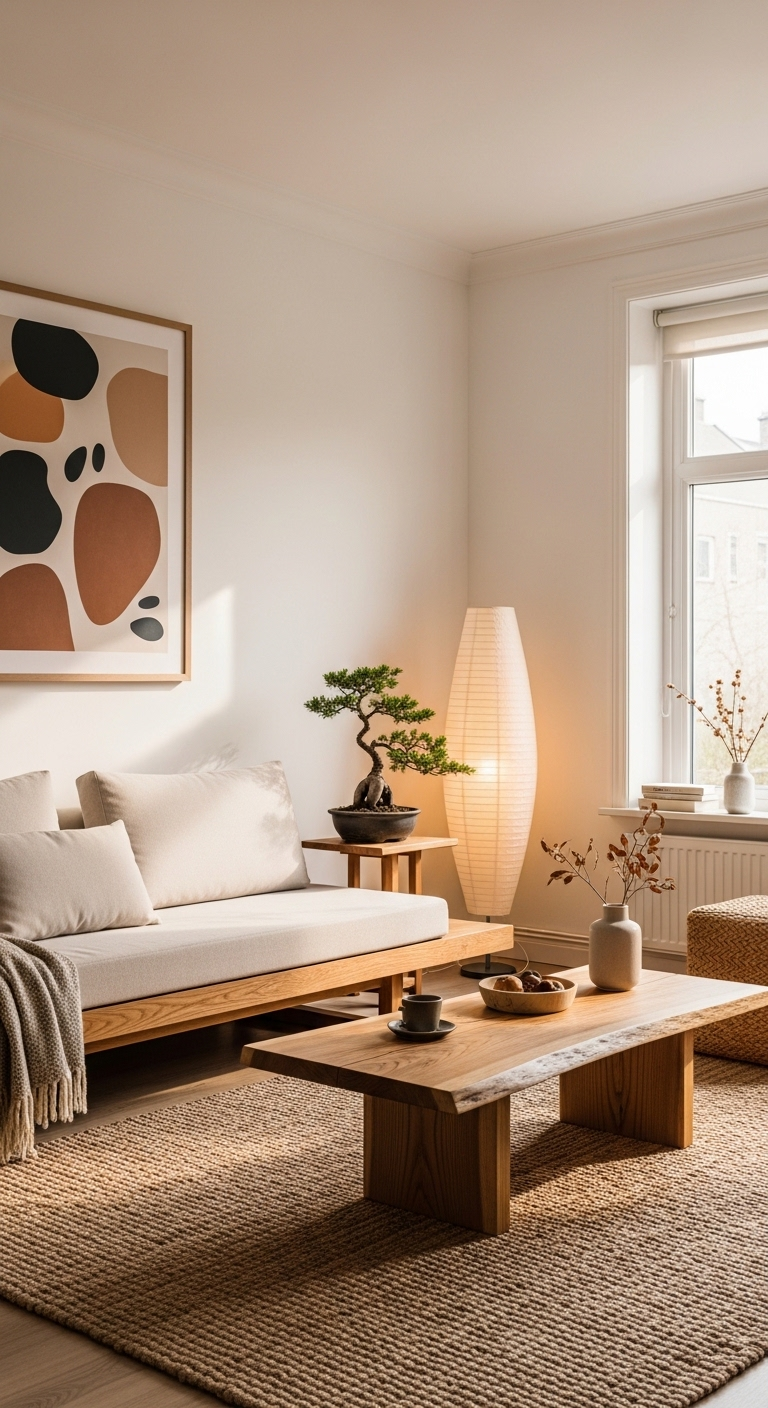
At its core, Japandi Home Secrets focus on the marriage of two distinct cultures that value simplicity above all. Scandinavian design brings the practical “Hygge” comfort, while Japanese influence provides the “Wabi-Sabi” appreciation for beauty.
To achieve this look, you must prioritize quality over quantity and ensure every piece serves a purpose. This intentionality creates a living space that feels curated, calm, and entirely free from modern-day clutter.
Select furniture with clean lines and low profiles to maintain the airy, open feel essential to this style. Focus on a warm, neutral color palette featuring soft creams, earthy beiges, and muted wooden tones for cohesion.
Incorporate natural materials like light oak, linen, and ceramic to ground the space in organic, tactile textures. Keep decorations minimal, choosing one or two statement pieces that resonate with your appreciation for nature.
Embrace intentional negative space to allow your carefully selected furnishings to truly shine and remain prominent. This balanced approach results in a serene, functional environment that celebrates harmony and refined, effortless living.
2#. Warm Neutral Color Palette
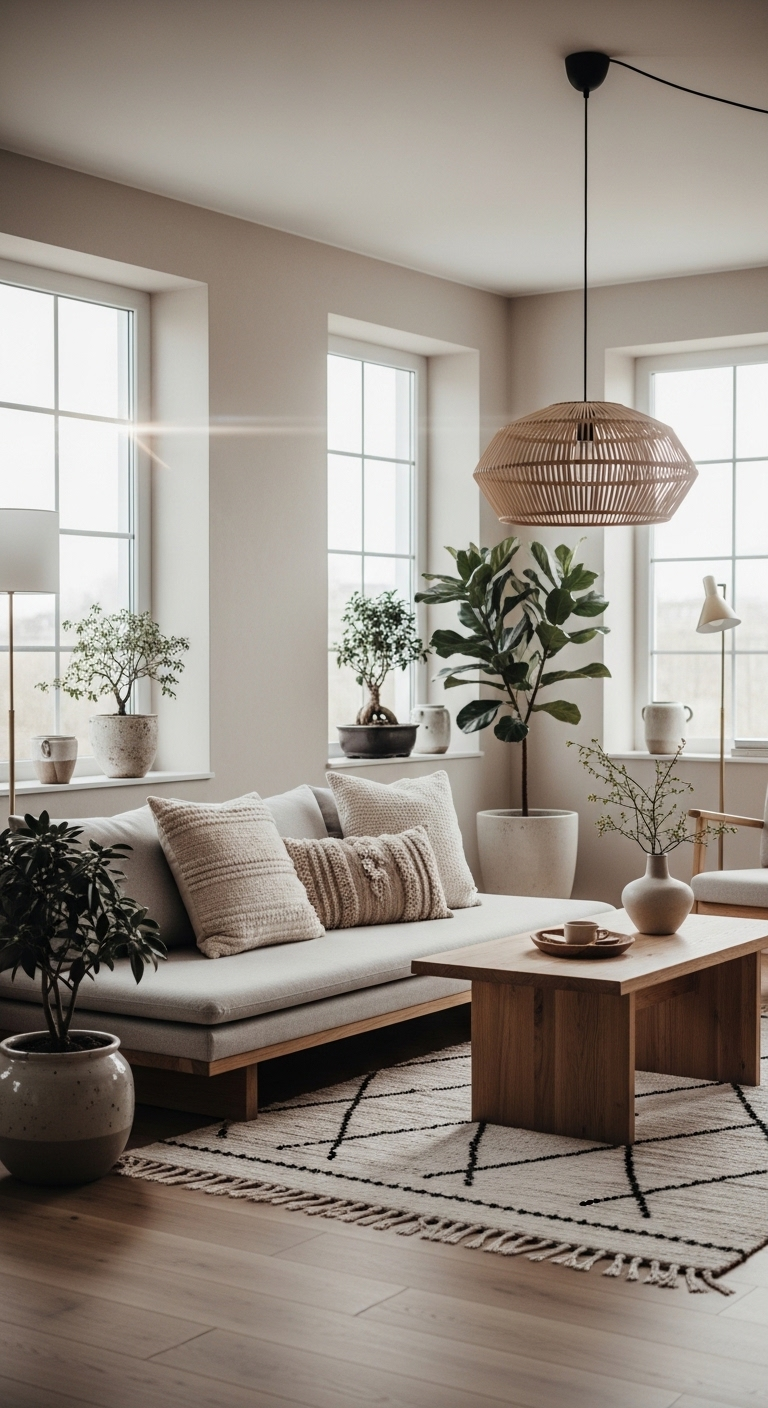
One of the most vital Japandi Home Secrets is the shift away from stark, cold whites toward warmer, earthy tones. Think of soft beiges, muted creams, and sandy tans that mimic the natural colors of untreated wood and stone.
These hues create a soft visual flow that makes even the smallest rooms feel expansive and deeply tranquil. By keeping the walls light and warm, you provide a peaceful backdrop that allows your furniture to shine.
Layer these shades by mixing textures like raw linen upholstery, wool throw blankets, and matte finished ceramics. Using subtle variations of a single base color prevents the space from feeling flat while maintaining simplicity.
Incorporate natural wood accents in medium-to-light tones to ground the warmth and add a touch of organic charm. This cohesive approach ensures that your home remains a restful sanctuary, free from harsh contrasts or distractions.
3#. Natural and Sustainable Materials
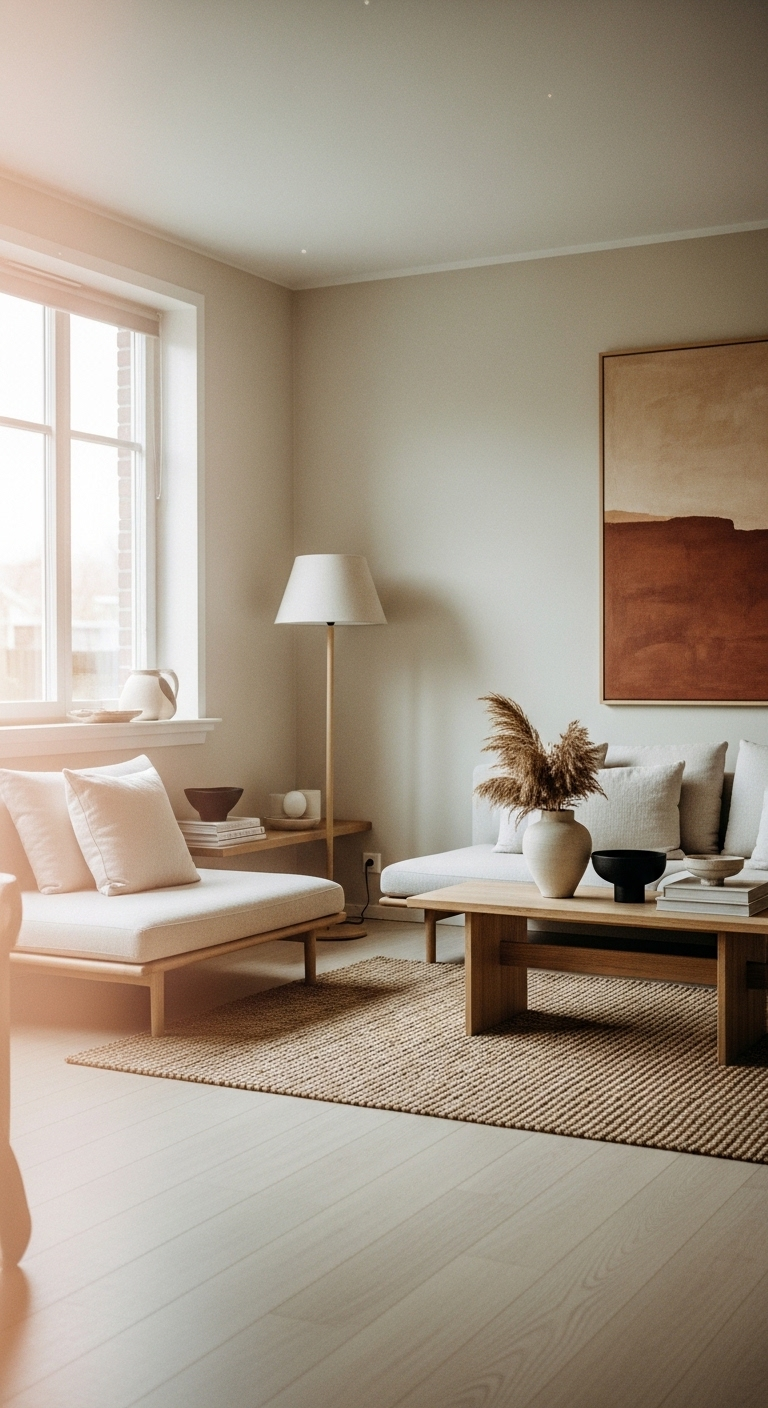
Authentic Japandi design relies heavily on the use of organic materials like light oak, bamboo, rattan, and breathable linens. These elements bring a tactile warmth to the home, ensuring the minimalist aesthetic never feels cold or uninviting.
Choosing sustainable materials is not only eco-friendly but also adds a layer of depth and story to your decor. Using raw textures is a key step in mastering Japandi home secrets for a truly modern, grounded home.
Select furnishings that highlight the natural grain of the wood, celebrating imperfections rather than hiding them. Introduce woven rattan baskets or light fixtures to break up smooth surfaces with intricate, natural patterns.
Layer your textiles with high-quality linen curtains and wool rugs to create a cozy, multi-sensory environment. This commitment to natural, durable materials fosters a deep connection between your living space and the outdoors.
4#. Focus on Low-Profile Furniture
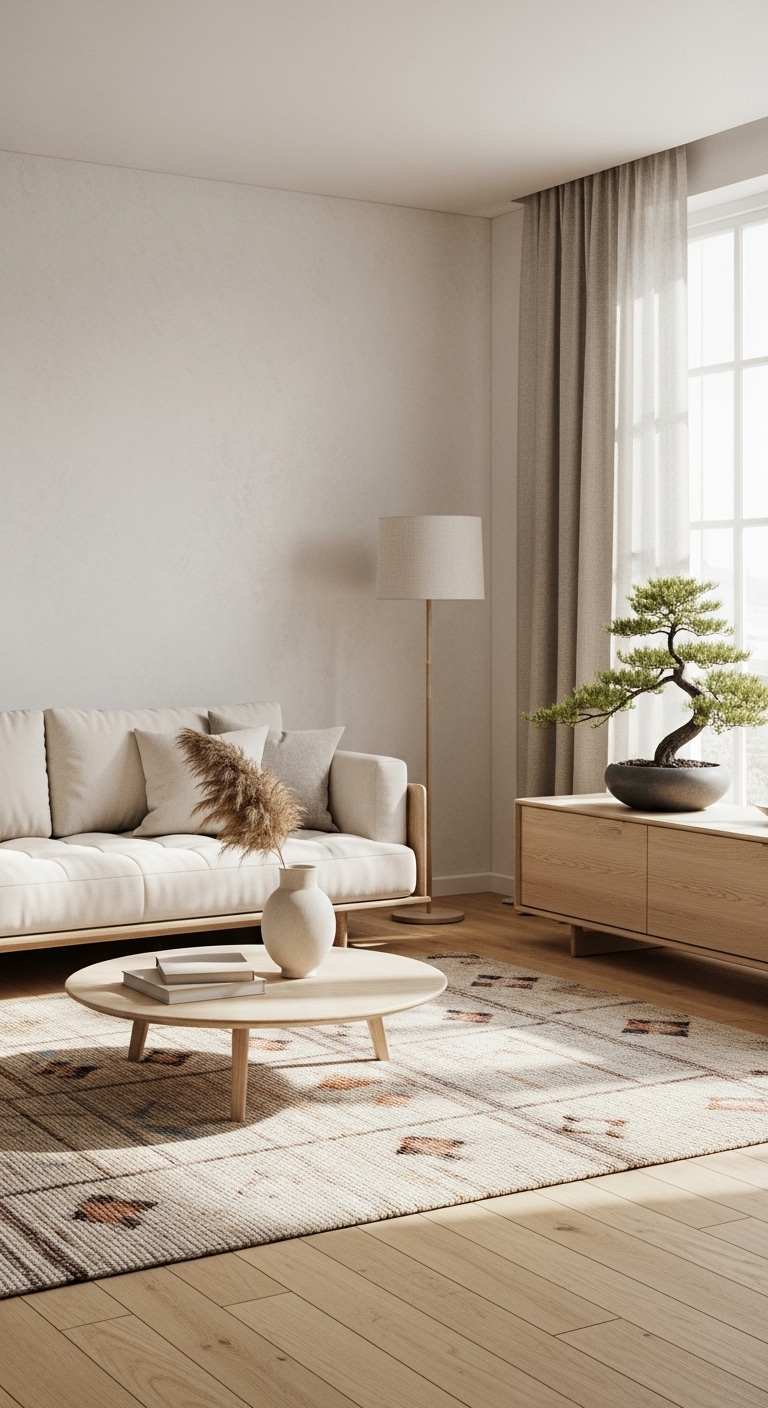
Japanese interiors are known for being close to the earth, so choosing low-slung sofas and bed frames is essential. This design choice opens up the vertical space in a room, making your ceilings appear higher and the atmosphere more relaxed.
Pairing these low pieces with sleek, tapered legs from the Nordic tradition adds a sense of airiness to the floor. It’s a subtle yet powerful way to implement Japandi design secrets in any living area of your home.
Focus on selecting modular seating that can be rearranged easily to suit your changing needs and social flow. Keeping your furniture height consistent throughout the room prevents visual clutter and encourages a calm, grounded energy.
Use area rugs to define these low-profile zones, creating distinct “islands” of comfort within an open floor plan. This intentional placement ensures that every piece of furniture feels like a purposeful part of a larger, cohesive scene.
5#. Declutter with Intentional Storage
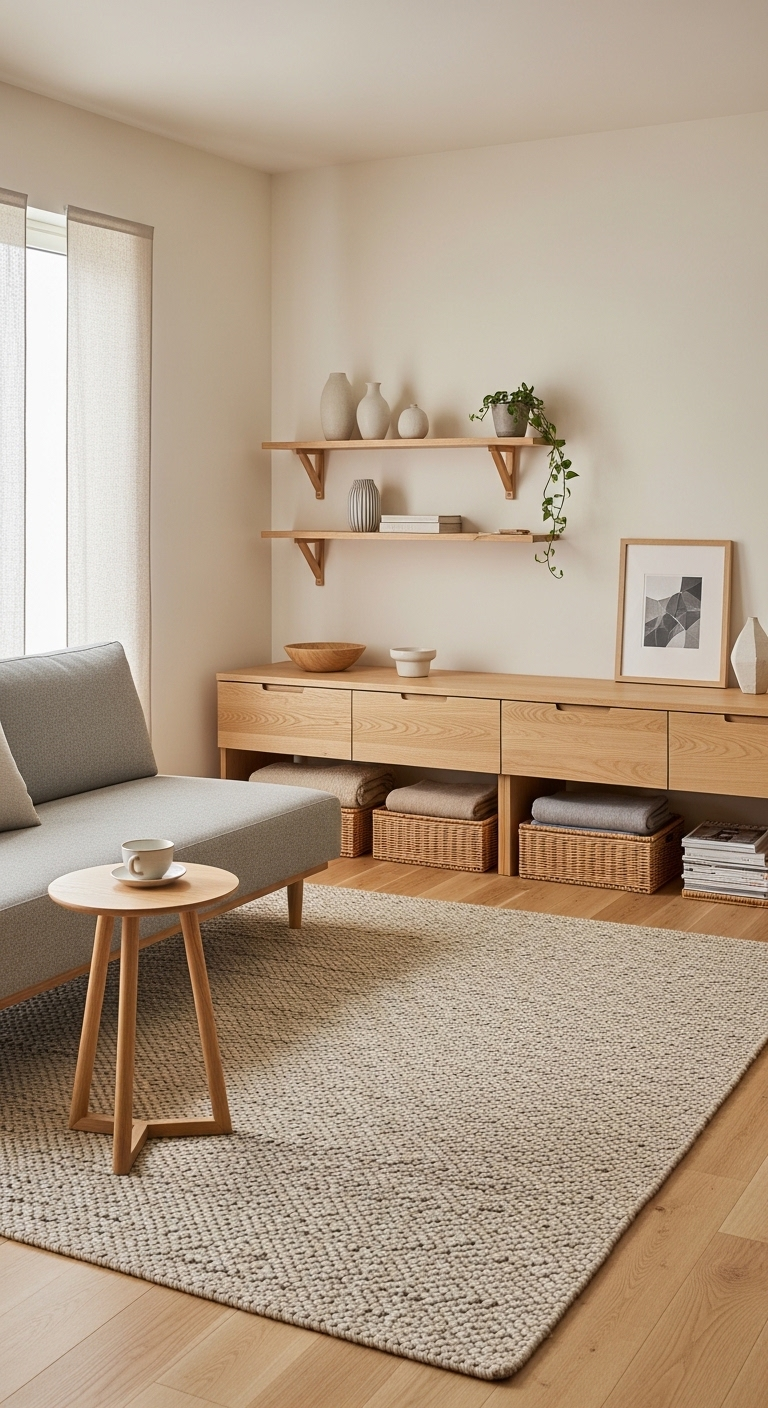
A clean space leads to a clean mind, which is why hidden storage is a fundamental pillar of this aesthetic. Use built-in cabinetry and minimalist wooden bins to keep everyday items out of sight while maintaining a sleek, uninterrupted look.
The goal is to eliminate visual noise so that the eye can rest on a few beautiful, high-quality decorative objects. Mastering organization is among the most practical secrets for a serene life that truly embraces this design philosophy.
Incorporate floor-to-ceiling closets with flush-mounted handles to keep your storage solutions completely integrated into the architecture. Designate specific zones for technology and cables to ensure your living spaces remain uncluttered and focused on relaxation.
Use modular organizers within your drawers to maintain order and make it effortless to keep your surfaces clear. This disciplined approach to storage transforms your home into a tranquil sanctuary that breathes and feels open every day.
6#. Incorporate Wabi-Sabi Through Ceramics
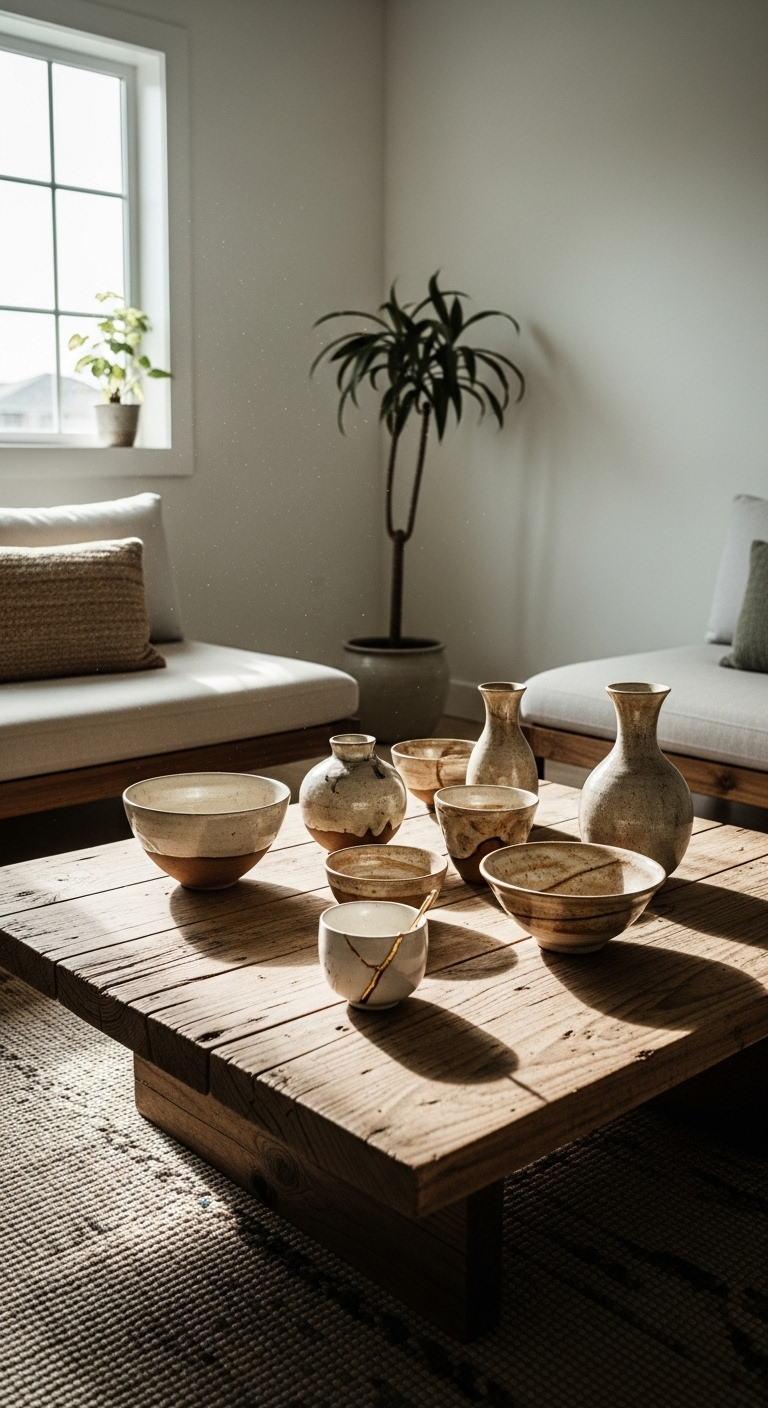
The Japanese concept of Wabi-Sabi teaches us to find beauty in the weathered, the old, and the slightly asymmetrical. Adding handmade ceramic vases or rough stone bowls provides a beautiful contrast to the clean-lined furniture found in Nordic styles.
These unique pieces add a sense of soul and craftsmanship that mass-produced items simply cannot replicate. Highlighting these textures is a hallmark of mastering the Japandi aesthetic for your modern, intentional living space.
Seek out pottery with visible glaze variations or hand-thrown edges that celebrate the maker’s human touch. Display these objects on floating shelves or simple wooden tables where they can act as quiet, meaningful focal points.
Allow wood surfaces to develop a natural patina over time rather than hiding their age under thick, synthetic finishes. Embracing these small imperfections creates a home that feels lived-in, authentic, and deeply connected to your story.
7#. Black Accents for Definition
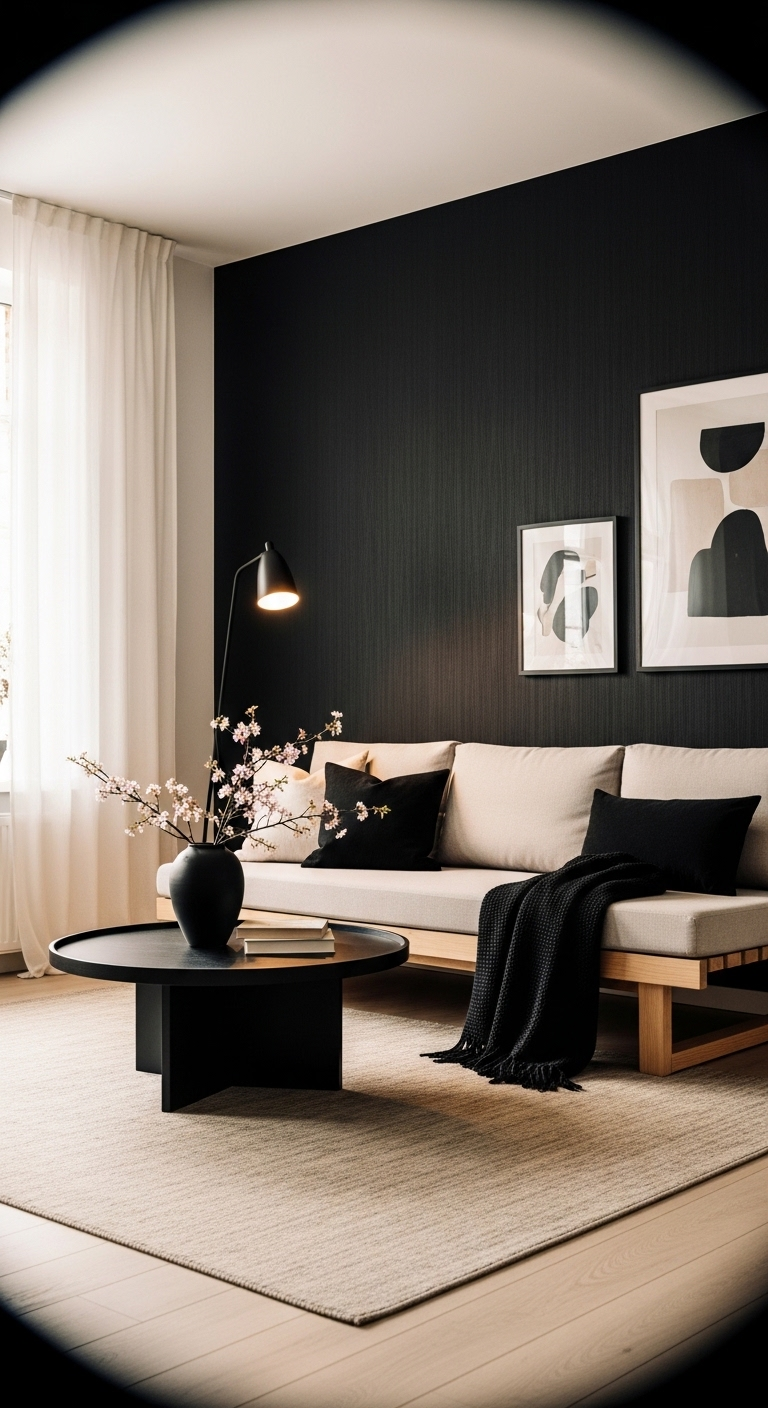
While the palette is mostly neutral, thin black lines in light fixtures or window frames add a necessary modern pop. This technique, inspired by Japanese ink paintings, provides a sharp architectural definition that anchors the softer, lighter elements.
Be careful not to overdo it; the black should be used as a delicate frame rather than a dominant color. Using contrast effectively is one of the most important aesthetic secrets to know when refining your home’s design.
Incorporate slender black metal hardware on doors or cabinets to draw the eye without overwhelming the natural wood tones. Choose minimalist black pendant lights to hang over dining tables or kitchen islands, creating a sophisticated focal point.
Ensure these dark elements are balanced by plenty of natural light and light-toned materials throughout the surrounding space. This careful application of contrast adds depth and a sense of deliberate structure to your calm, serene environment.
8#. Outdoors in with Greenery
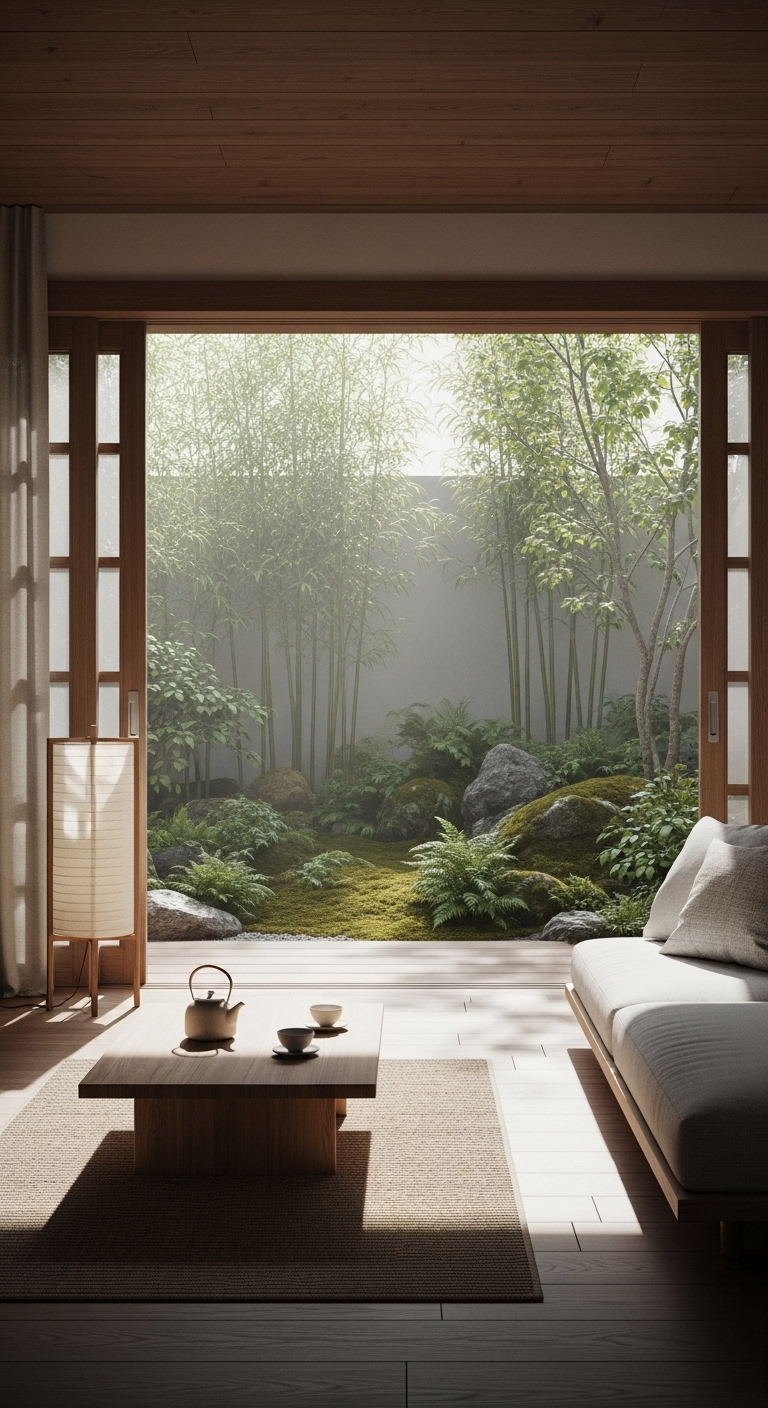
Japandi design deeply respects nature, making indoor plants an essential finishing touch for a vibrant, living home. Opt for a few statement plants like a tall Fiddle Leaf Fig or a delicate Bonsai rather than a cluttered collection of small pots.
Plants add a splash of natural color and improve the air quality, enhancing the overall wellness of your sanctuary. This connection to nature is a vital part of mastering the Japandi aesthetic for your modern, peaceful home environment.
Place your chosen plants in simple, unglazed ceramic or woven seagrass planters to maintain a cohesive, earthy look. Allow each plant enough space to be appreciated as an individual architectural element rather than filling every corner.
Position your greenery near windows to ensure they thrive while softening the transition between your indoors and outdoors. Incorporating these living pieces introduces a sense of vitality that keeps your minimalist design feeling fresh and energetic.
9#. Prioritize High-Quality Textiles
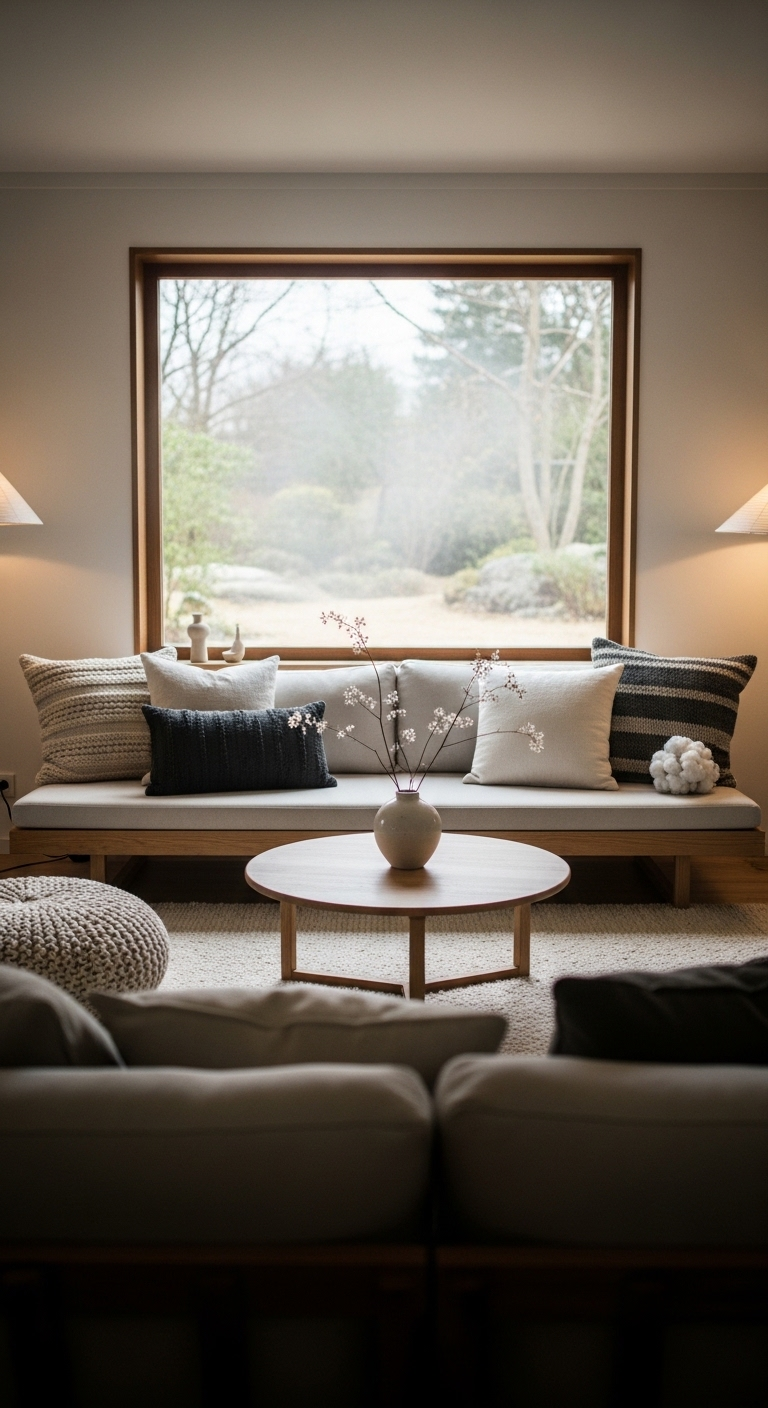
To soften the wood and stone, use layers of high-quality fabrics like organic cotton, heavy wool, and raw silk. These textiles add the essential “Hygge” factor, making a minimalist room feel cozy enough for long winter nights.
Choose fabrics in solid, muted tones to maintain the calm visual continuity of the room throughout your home. Investing in touchable, high-quality textures is a secret weapon in mastering the Japandi look for your living space.
Drape a chunky knit wool throw over a low-profile sofa to introduce immediate warmth and a sense of invitation. Swap out seasonal cushions, opting for linen covers in varying shades of cream, gray, or soft earthy brown tones.
Layer rugs with different piles to create tactile interest underfoot, grounding your furniture in a comfortable, soft foundation. This focus on premium, natural materials ensures that your home remains both visually clean and physically incredibly comfortable.
10#. Optimize for Natural Light and Air
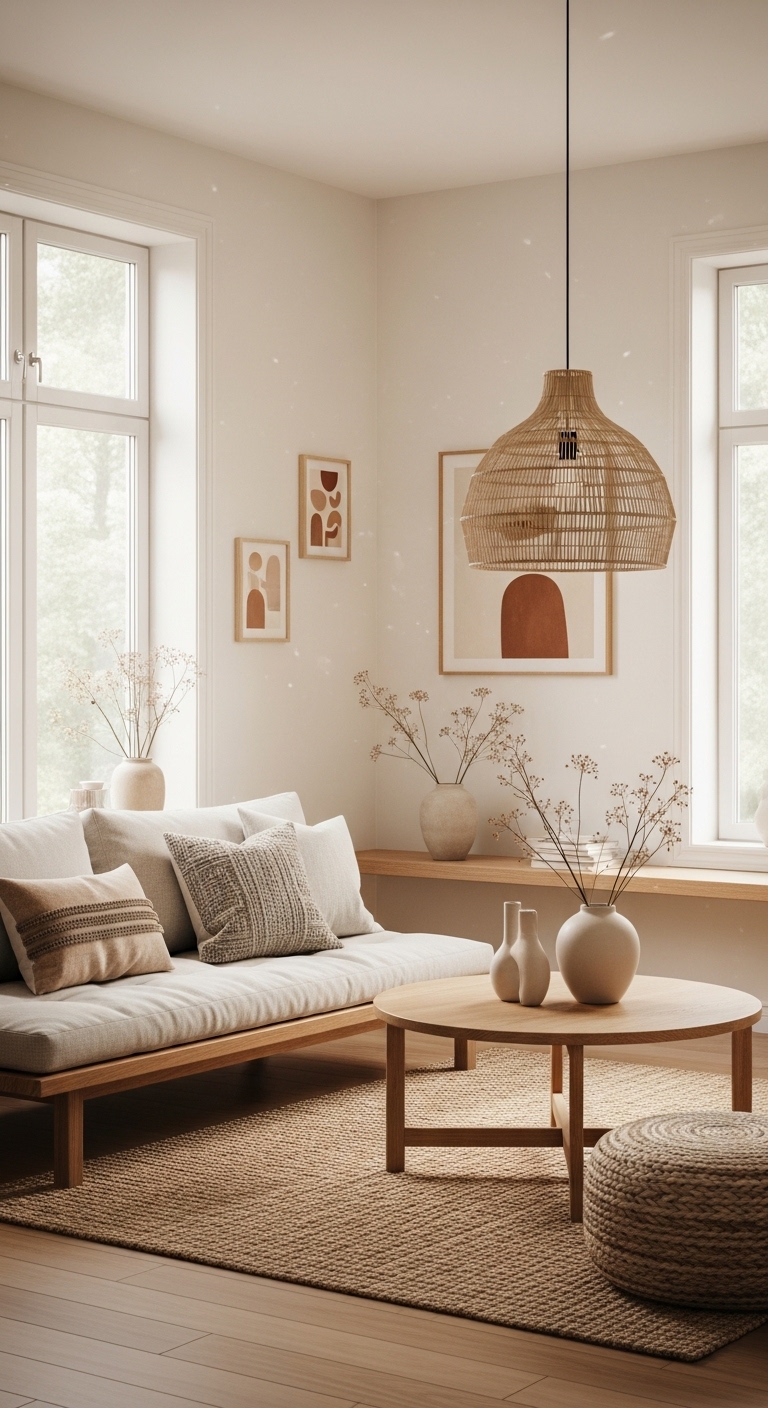
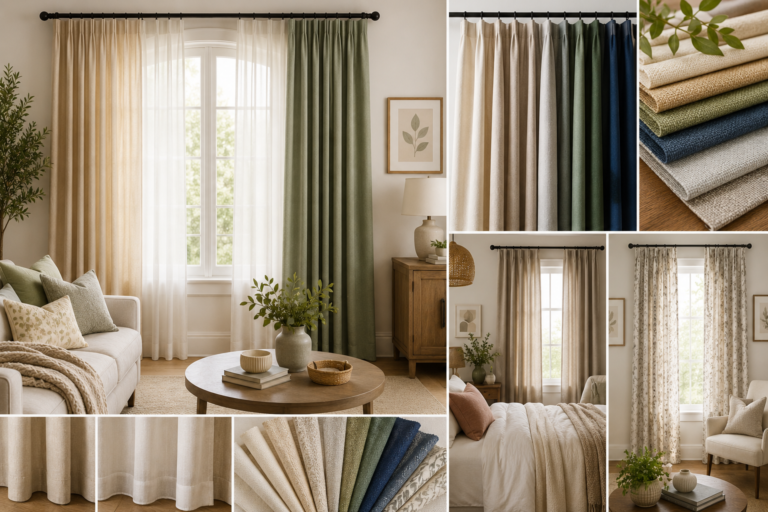
Large, unobstructed windows are the best way to invite the healing power of sunlight into your minimalist retreat. Use sheer bamboo blinds or light linen curtains that allow the light to filter through while maintaining privacy and softness.
Good airflow is equally important to keep the energy of the home feeling fresh and revitalizing throughout the day. Understanding light management is crucial to uncovering the secrets behind a truly serene and balanced Japandi home.
Position your furniture to maximize natural light exposure, creating bright, welcoming spots for reading or quiet reflection. Install simple, functional hardware that allows for easy operation, ensuring you can adjust the light levels throughout the day.
Keep your window sills free of clutter to emphasize the connection to the world outside and maintain clean sightlines. Prioritizing natural illumination turns your home into an airy, uplifting space that beautifully reflects the changing seasons.
11#. Embrace Asymmetrical Layouts
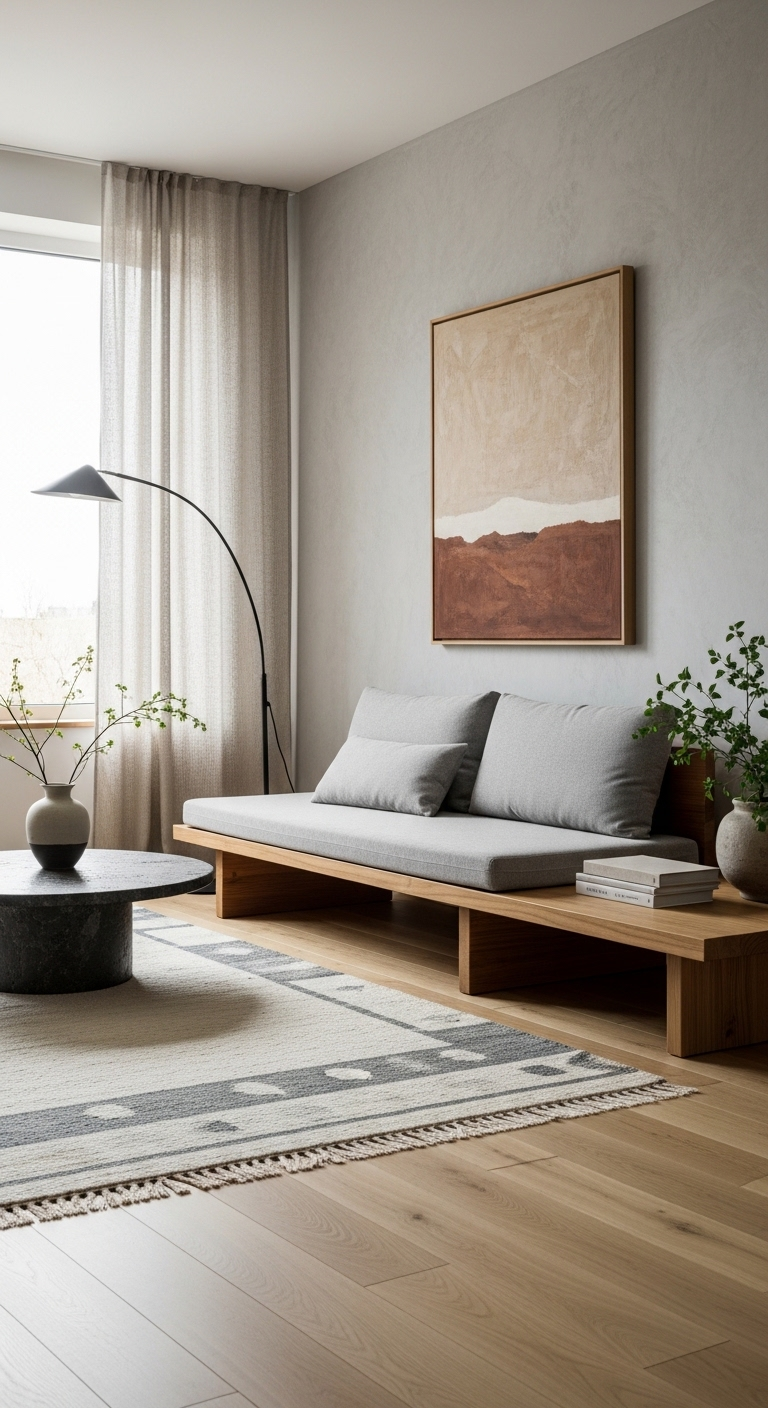
While traditional design often relies on perfect pairs, Japandi principles suggest using asymmetry to create a more natural, organic flow. Placing a single tall vase on one side of a sideboard creates a “Wabi-Sabi” feel that is visually intriguing and relaxed.
This approach prevents the room from feeling too stiff or formal, allowing the space to breathe and feel more lived-in. It is a subtle design trick that adds a professional, designer touch to any minimalist home project you undertake.
Group decorative objects in odd numbers—like three or five—to break up rigid lines and spark more visual interest. Use varying heights and textures within these groupings to lead the eye across the surface and create depth.
Leave intentional space around these arrangements to prevent overcrowding and maintain the airy, serene atmosphere you’ve cultivated. Mastering this balance of weight and negative space transforms your surfaces into thoughtfully curated vignettes that reflect effortless style.
12#. Sliding Shoji-Style Doors
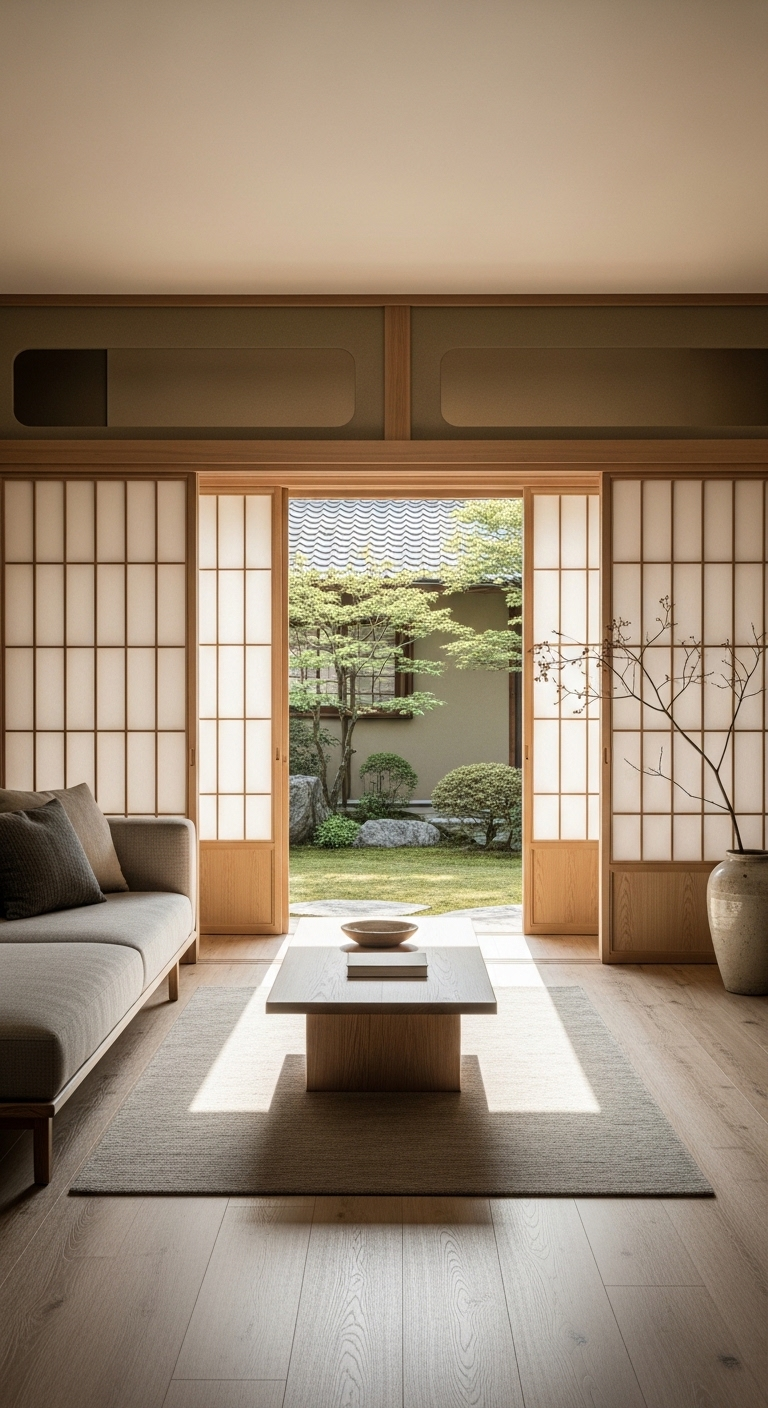
Replacing traditional swinging doors with sliding panels is a brilliant way to save space while adding a distinct Japanese architectural element. These doors allow you to close off areas for privacy without completely blocking the flow of light between rooms.
Modern versions often use frosted glass or light wood slats to maintain a contemporary, airy feeling throughout the house. This structural choice is one of the most impactful secrets to understand when aiming for a truly authentic Japandi interior.
Use track systems that are recessed into the ceiling or floor to create a seamless, minimalist appearance. Consider using lightweight materials like shoji-inspired frames to keep the operation smooth and maintain the design’s delicate balance.
These panels act as versatile room dividers, enabling you to transform an open-plan layout into cozy, intimate nooks as needed. Implementing this feature emphasizes the fluidity of your home’s layout, reinforcing a sense of openness and purposeful, intentional living.
13#. Opt for Matte over Glossy Finishes
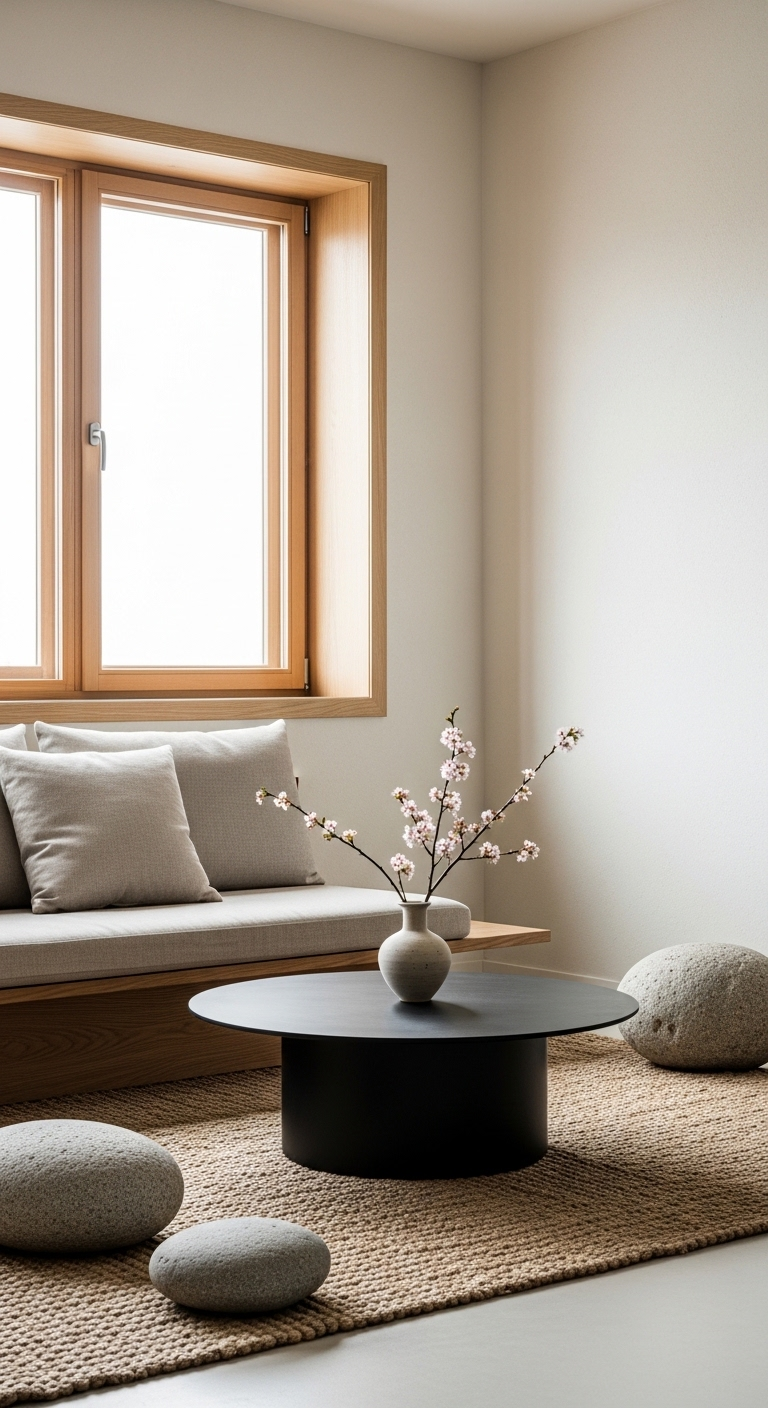
To maintain a grounded and natural atmosphere, prioritize matte surfaces for your countertops, hardware, and furniture finishes. Reflective, high-gloss surfaces can feel too clinical and cold, clashing with the organic warmth that Japandi design aims to achieve.
Matte finishes absorb light softly, creating a muted and calming environment that is much easier on the eyes. This focus on tactile texture over artificial shine is a core principle in mastering the Japandi look for your home.
Select matte-black hardware for cabinetry to provide that sharp, modern contrast while remaining subtle and understated. Choose countertops in honed stone or matte-finished composite to provide a durable, non-reflective surface that invites touch.
When selecting furniture, opt for oils or waxes rather than lacquers to let the raw, natural grain of the wood breathe. This commitment to matte surfaces creates a consistent, sophisticated visual flow that anchors the space in quiet, intentional elegance.
14#. Create a Minimalist Zen Entryway
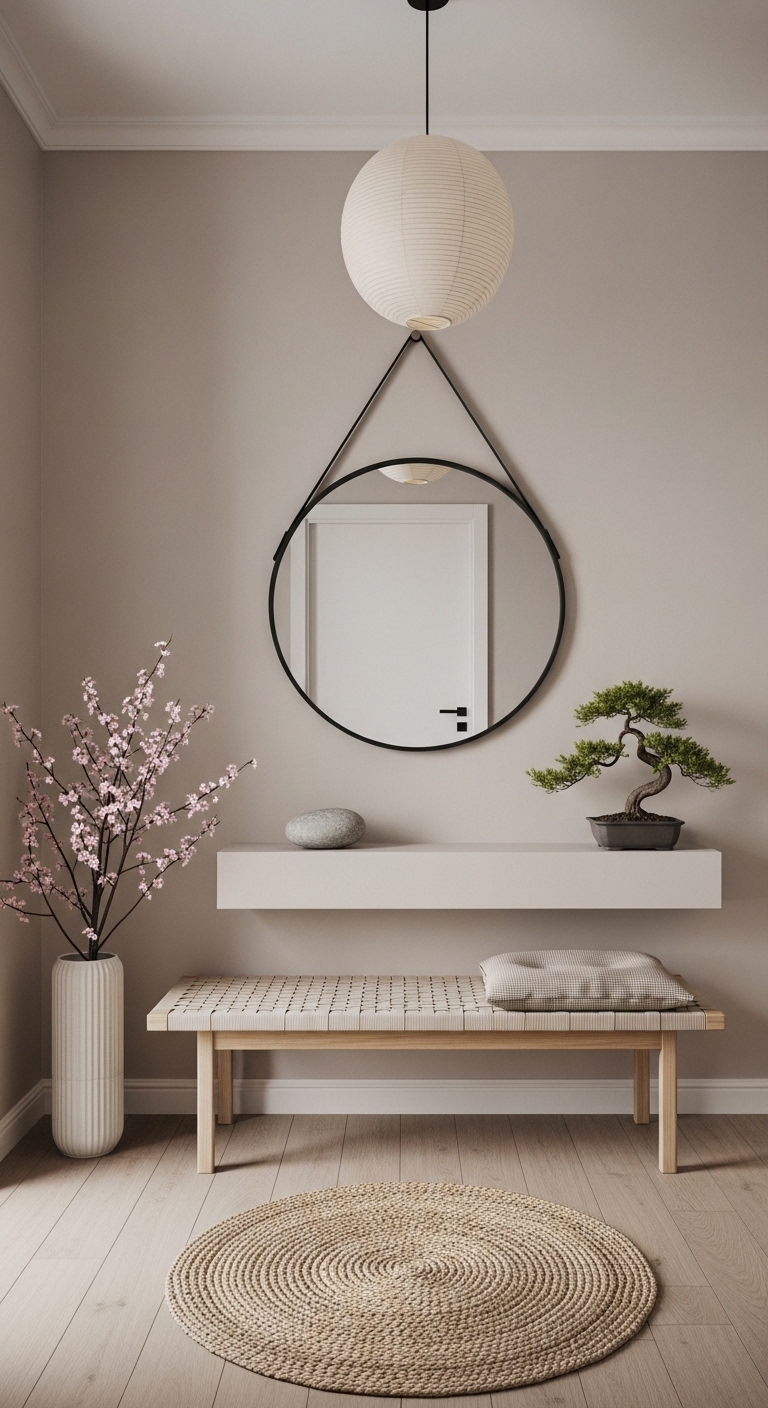
The entryway sets the tone for the entire home, so keep it clear of clutter with a simple wooden bench and hidden shoe storage. A single piece of art or a small stone bowl for keys is all you need to create an inviting, peaceful transition.
This organized approach ensures that the moment you step inside, the stress of the outside world melts away instantly. A tidy entrance is one of the most overlooked secrets to know when establishing a Japandi atmosphere from the very first step.
Install wall-mounted, minimalist hooks to keep coats and bags tucked away while maintaining clean floor lines. Use a narrow, low-profile console table to hold essentials, keeping the surface free from unnecessary decorative items.
Choose natural textures like jute rugs or wood-paneled walls to establish that signature blend of warmth and simplicity. By creating an intentional, orderly foyer, you establish a sense of calm that carries throughout the rest of your home.
15#. Simple Slatted Wood Walls
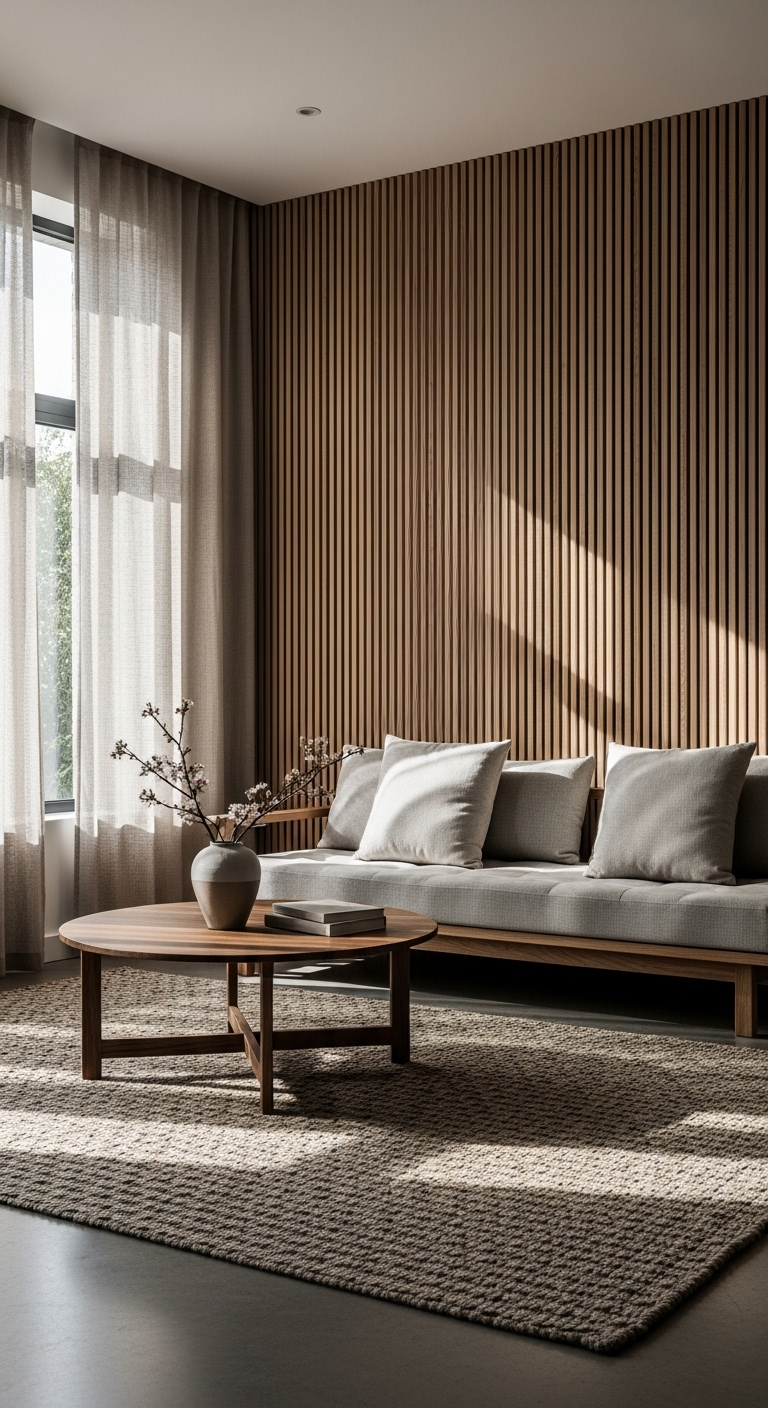
Vertical wood slats add incredible texture and a sense of height to a room without the visual weight of a solid wall. This feature acts as a beautiful, natural backdrop for a bed or a sofa, reinforcing the wood-focused Japandi aesthetic.
It also helps with acoustics, softening sounds to create a quieter and more sanctuary-like atmosphere in your living areas. Using slats is a trendy and highly effective way to apply Japandi home secrets to your modern, refined home today.
Install light oak slats behind a headboard to draw the eye upward and emphasize the airy, open feel of the bedroom. Use these slats in living spaces to subtly partition rooms, maintaining a sense of openness while defining different zones.
Ensure the spacing between slats is uniform to create clean, rhythmic lines that enhance the room’s overall architectural order. This structural detail introduces a sophisticated, tactile dimension that feels both grounded in tradition and perfectly contemporary.
16#. Decorate with Dried Grasses and Branches
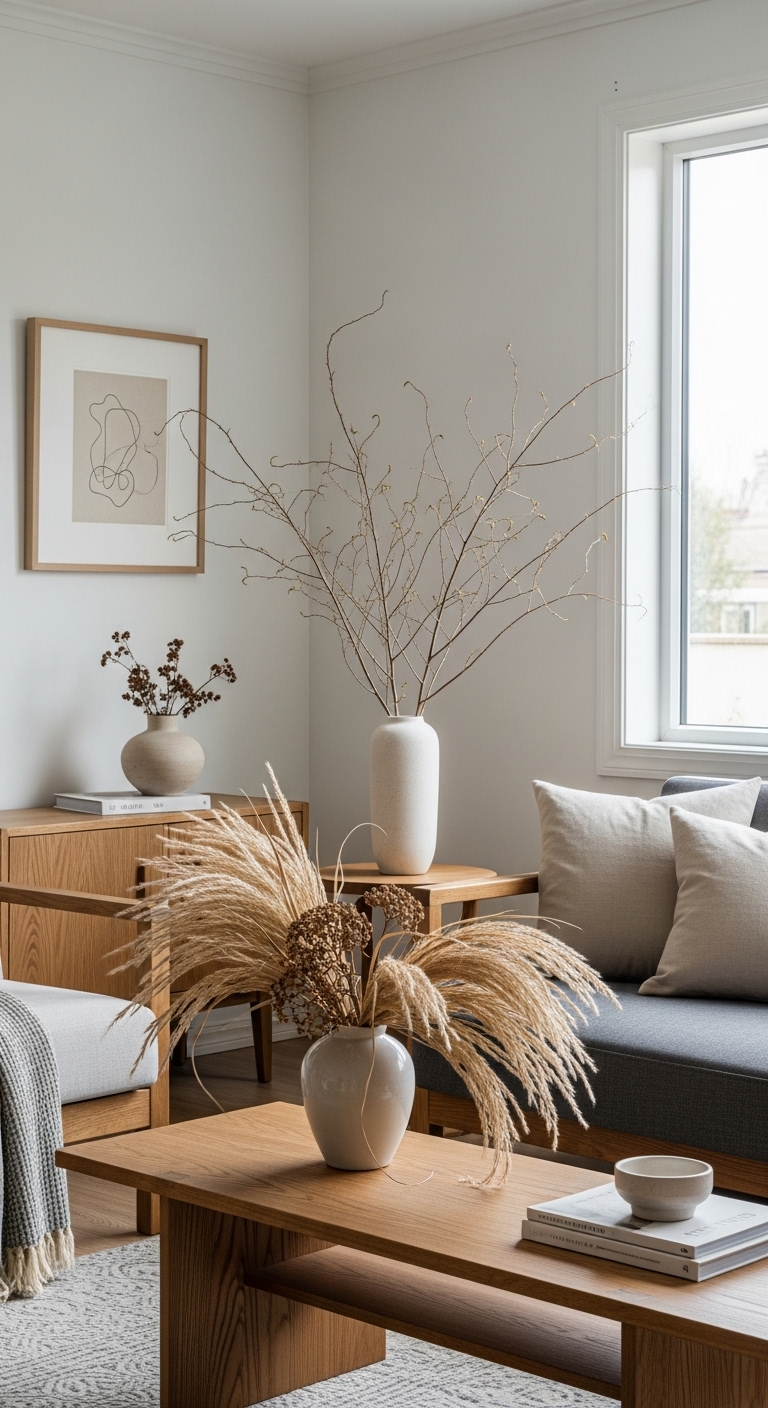
Instead of bright, multi-colored bouquets, use dried pampas grass or bare branches in tall ceramic vases for a minimalist floral arrangement. These elements last longer and reflect the Wabi-Sabi appreciation for the beauty found in the cycle of nature.
The muted tones of dried botanicals blend perfectly with a neutral palette, adding height and interest without overwhelming the senses. This is a beautiful, budget-friendly way to follow the essential Japandi home secrets in your own living space.
Select vases with matte finishes or raw, earthy textures to complement the organic nature of your chosen botanicals. Place your arrangements in corners or on sideboards where they can cast soft, interesting shadows against the wall.
Limit your selection to one or two types of branches or grasses to keep the look intentional and uncluttered. By choosing dried elements over fresh blooms, you create a timeless aesthetic that celebrates the understated elegance of the natural world.
17#. Choose Functional Art Pieces
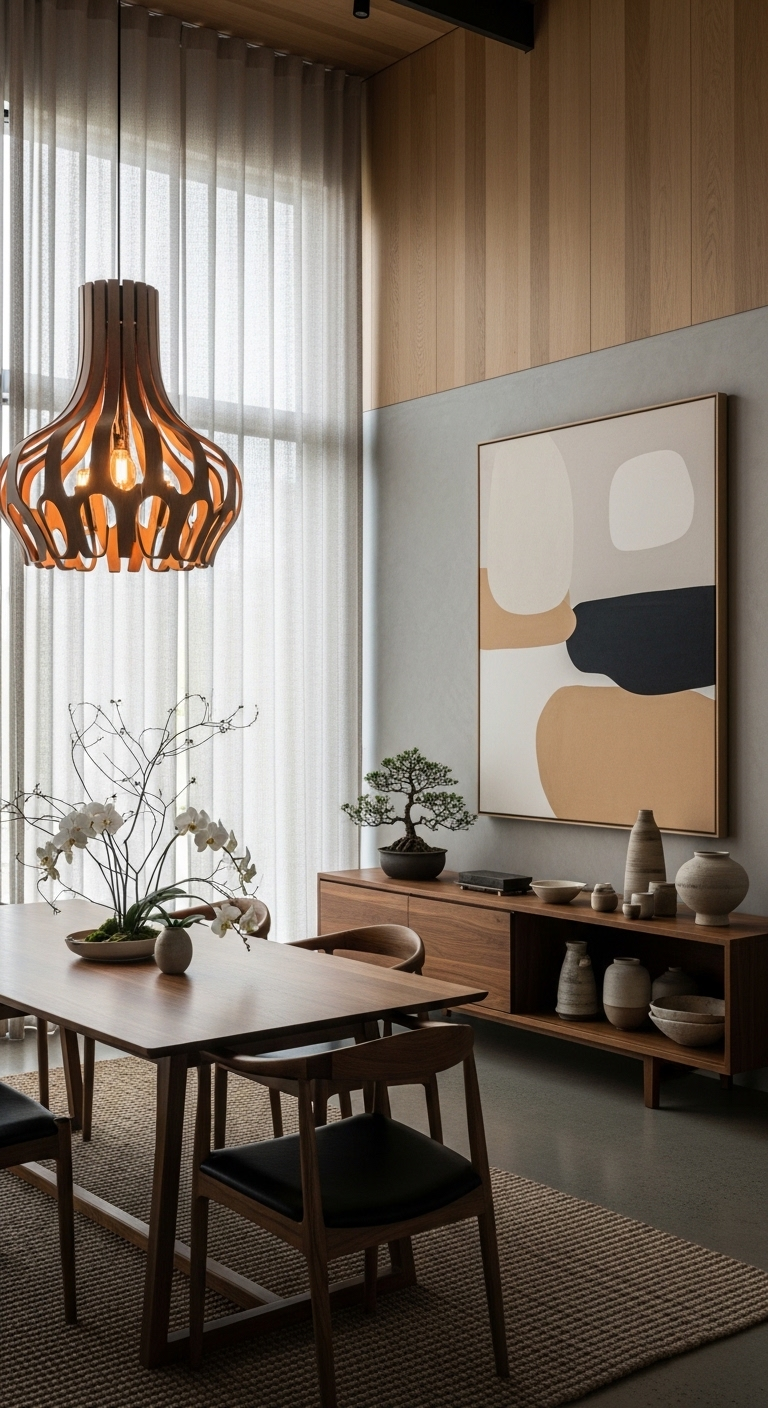
In a Japandi home, the everyday items you use—like a teapot or a fruit bowl—should be beautiful enough to serve as decor. Select items with clean silhouettes and interesting textures so that your home remains functional yet visually stunning.
This reduces the need for “dust collectors” and ensures that every object in your sightline provides genuine value and beauty. Selecting functional art is among the smartest secrets to know for a home that is both practical and deeply serene.
Prioritize kitchenware and tabletop essentials that feature handmade craftsmanship, such as stoneware mugs or wooden serving boards. When not in use, display these pieces openly on shelves or countertops where their forms can be fully appreciated.
Focus on quality over quantity, choosing items that age gracefully and bring a tactile joy to your daily rituals. By surrounding yourself with beautiful, useful objects, you cultivate an environment that celebrates the art of living well every single day.
18#. Incorporate Paper Lantern Lighting
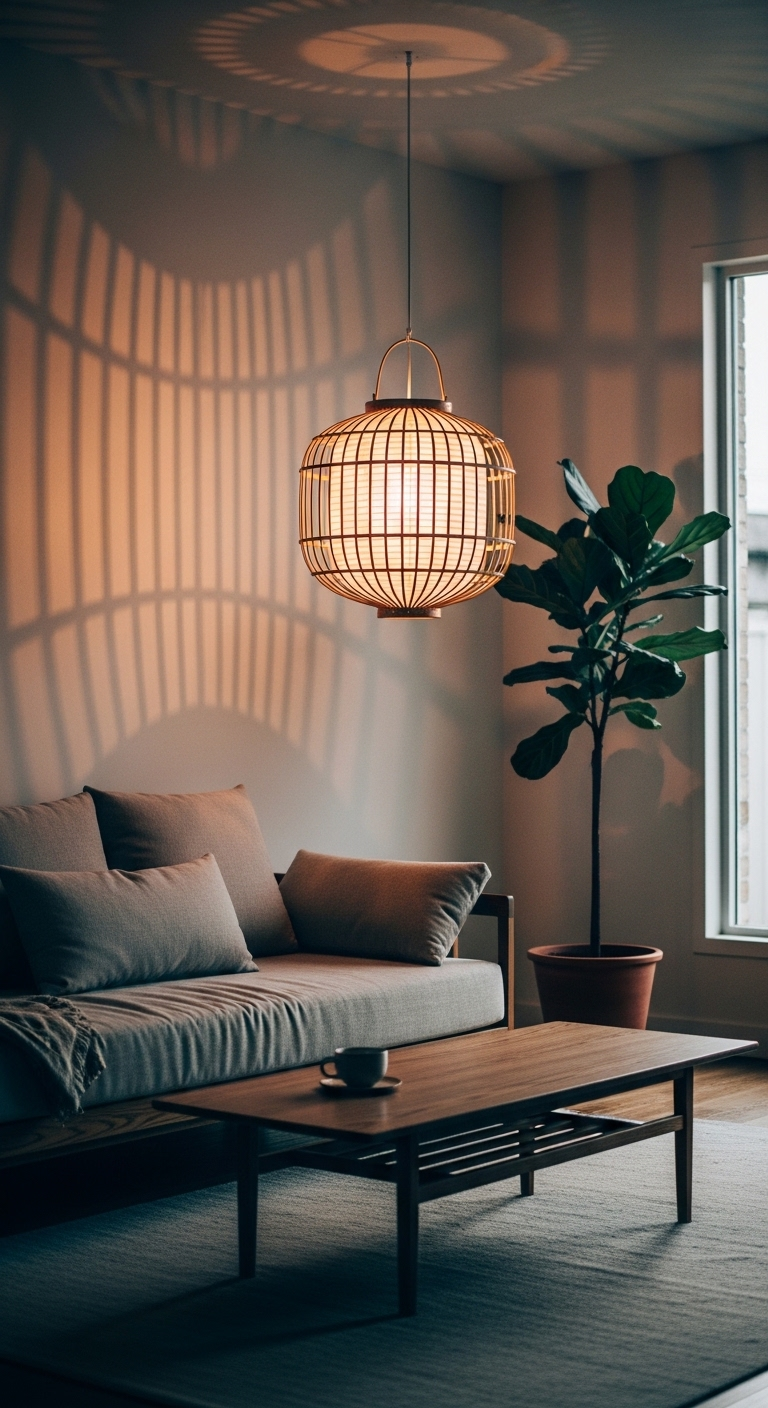
Iconic pleated paper lamps provide a soft, diffused glow that mimics the warmth of a candle, creating an incredibly cozy atmosphere. These lightweight fixtures add a touch of Japanese tradition while looking perfectly at home in a modern Nordic setting.
Hang them at varying heights to add a playful yet sophisticated focal point to a dining room or a quiet bedroom corner. Soft, layered lighting is a foundational element of the Japandi Home Secrets: Everything You Need To Know.
Use warm-toned LED bulbs to maintain that gentle, inviting ambiance without harshness or glare. Group lamps of different sizes to create depth and interest, ensuring the light reaches every corner of the room softly.
These fixtures serve as beautiful sculptural pieces even when turned off, adding texture and form to your space. By prioritizing diffused light, you transform your home into a tranquil, relaxing sanctuary that perfectly balances modern design with ancient comfort.
19#. Mix Dark and Light Wood Tones
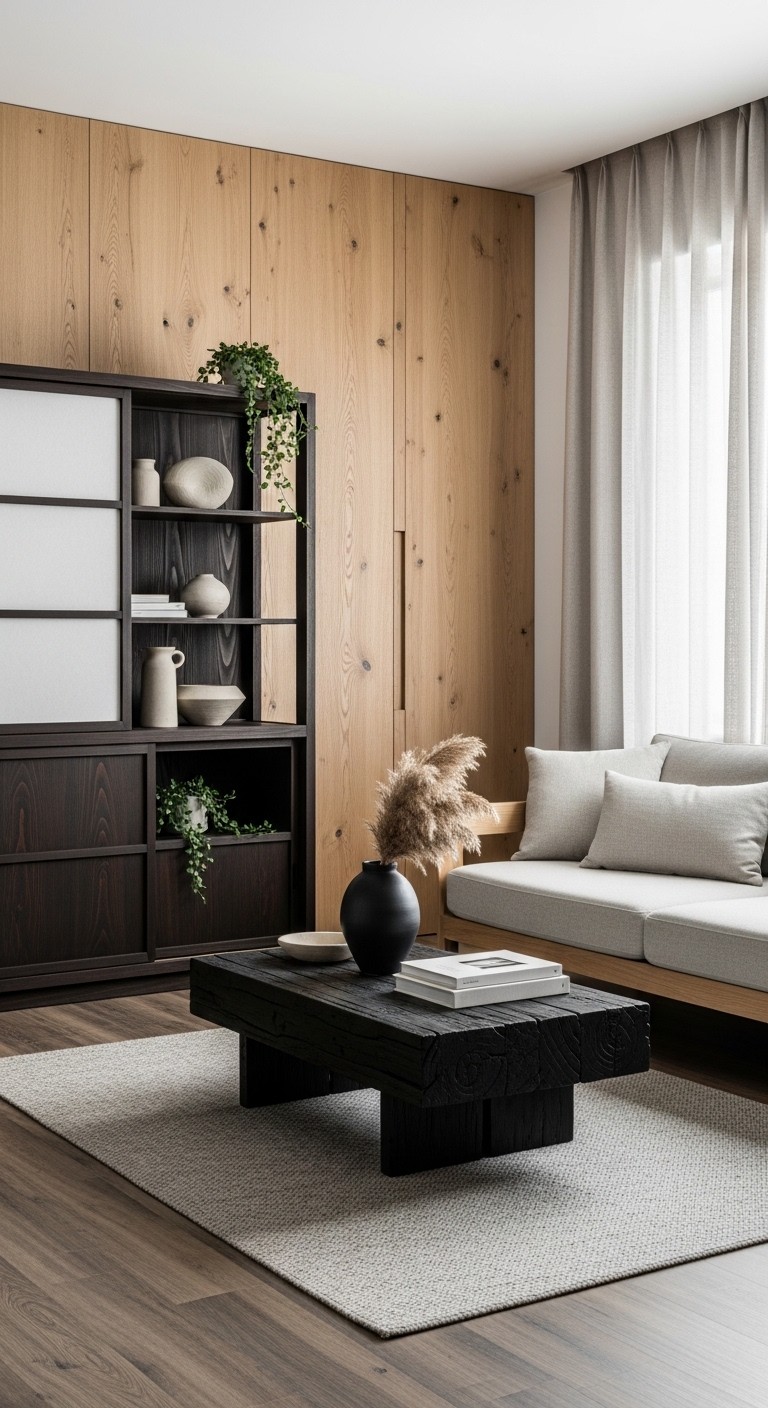
Don’t be afraid to pair light oak furniture with darker walnut accents to add depth and contrast to your interior design. Mixing wood tones prevents the room from looking like a showroom and gives it a more curated, authentic personality.
Ensure the undertones of the woods are similar to keep the look cohesive rather than chaotic or mismatched. Mastering this “wood play” is a sophisticated secret to know when refining your home’s unique character.
Use lighter woods for larger, foundational pieces like dining tables or bed frames to maintain an airy, expansive feeling. Introduce darker walnut through smaller elements, such as side tables, shelving, or hand-crafted decorative accessories.
Create a sense of balance by distributing these wood tones throughout the space, ensuring neither one feels isolated or out of place. This deliberate mixing of textures and depths adds a layer of professional complexity, making your home feel truly personal and thoughtfully designed.
20#. Clutter-Free Master Suite
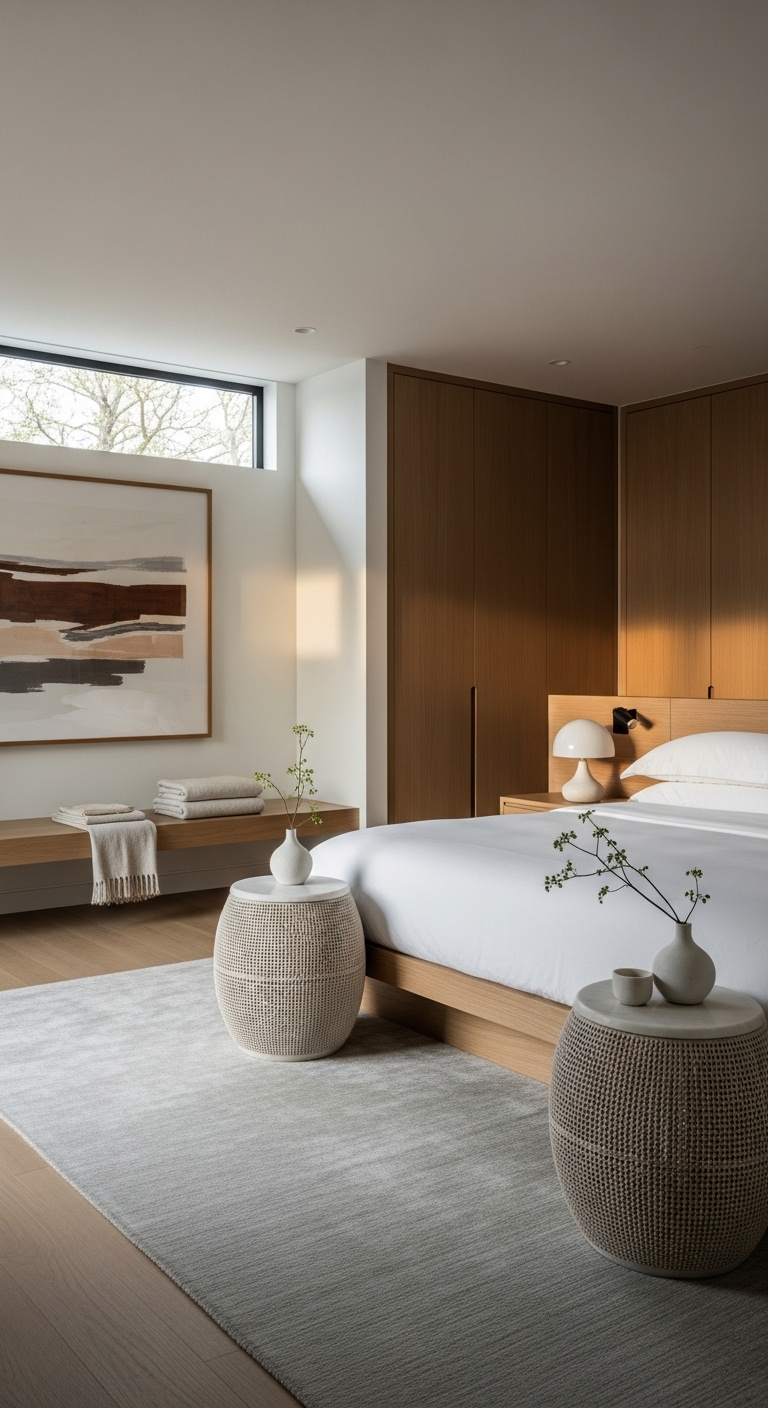
Your bedroom should be the ultimate sanctuary, focusing on a low bed frame and high-quality linen bedding in soft, earthy colors. Keep surfaces clear of electronics and clutter to promote a restful night’s sleep and a peaceful morning routine.
The absence of distractions allows you to focus on the textures of the room and the quality of your rest. A minimalist, intentional bedroom layout is essential to mastering the Japandi Home Secrets: Everything You Need To Know.
Position your bed as the primary focal point, using a simple wooden headboard or even a feature wall of vertical slats to ground the space. Incorporate bedside lighting with warm, diffused bulbs—like paper lanterns—to ease the transition from wakefulness to sleep.
Choose a monochromatic or closely tonal palette for your linens, such as soft greige, slate, or warm sand, to maintain visual calm. By stripping away the unnecessary, you create a dedicated space for rejuvenation that honors the balance between Japanese simplicity and Nordic comfort.
21#. Circular Elements for Flow
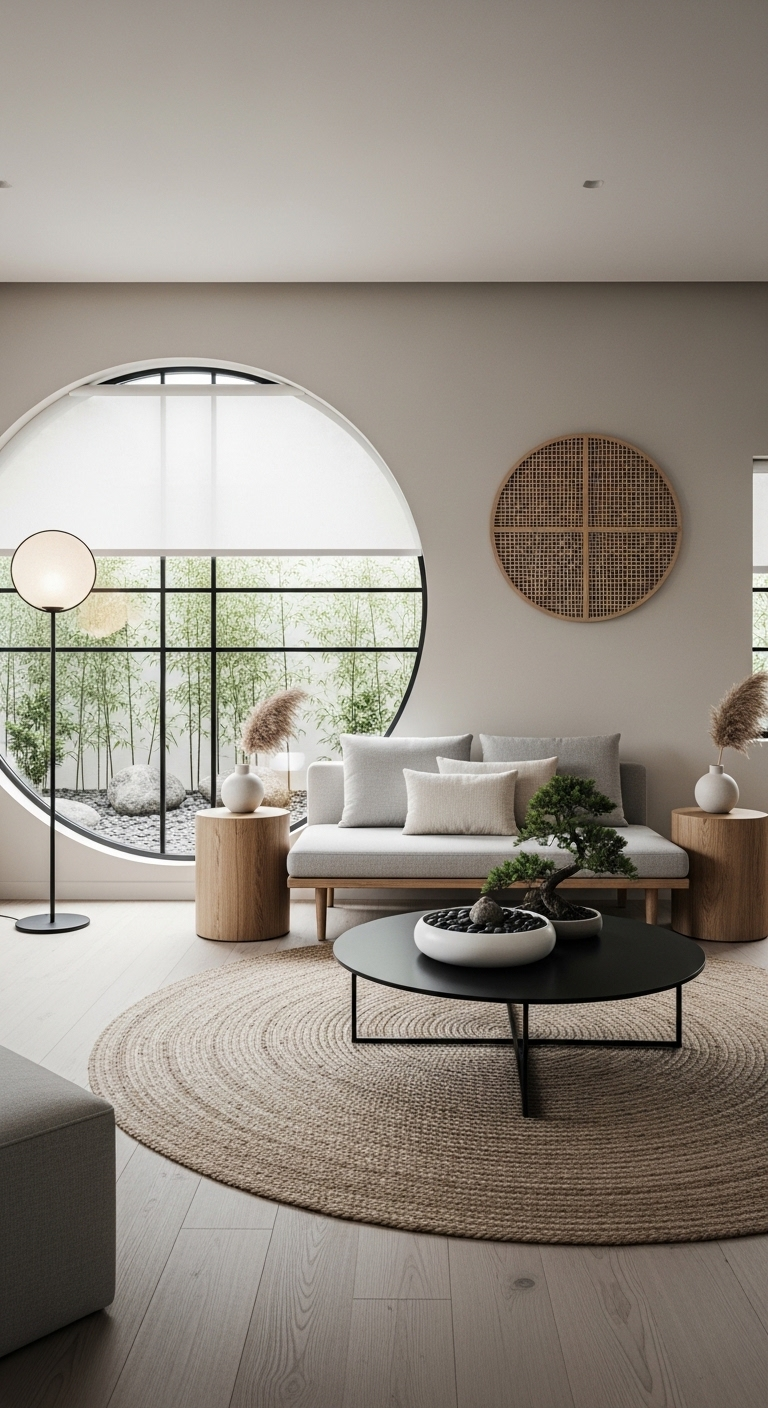
Incorporate round coffee tables or circular mirrors to soften the sharp, straight lines often found in minimalist Scandinavian architecture. These curves help to improve the energy flow, making the room feel more welcoming and less rigid.
A round rug can also help to define a seating area in a large, open-plan room without creating harsh boundaries. Adding curves is a gentle, effective way to implement the Japandi Home Secrets: Everything You Need To Know.
Use a large, frameless circular mirror above a console to reflect light and add a fluid focal point to your entryway or living space. Select a coffee table with a soft, rounded silhouette to contrast against the linear profile of a modular sofa or shelving unit.
Balance these curves with your existing straight-lined furniture to create a harmonious blend of structure and grace. This thoughtful integration of circular forms invites a sense of movement and relaxation, preventing the minimalist aesthetic from ever feeling too severe.
22#. Invest in Handmade Wooden Dining Sets
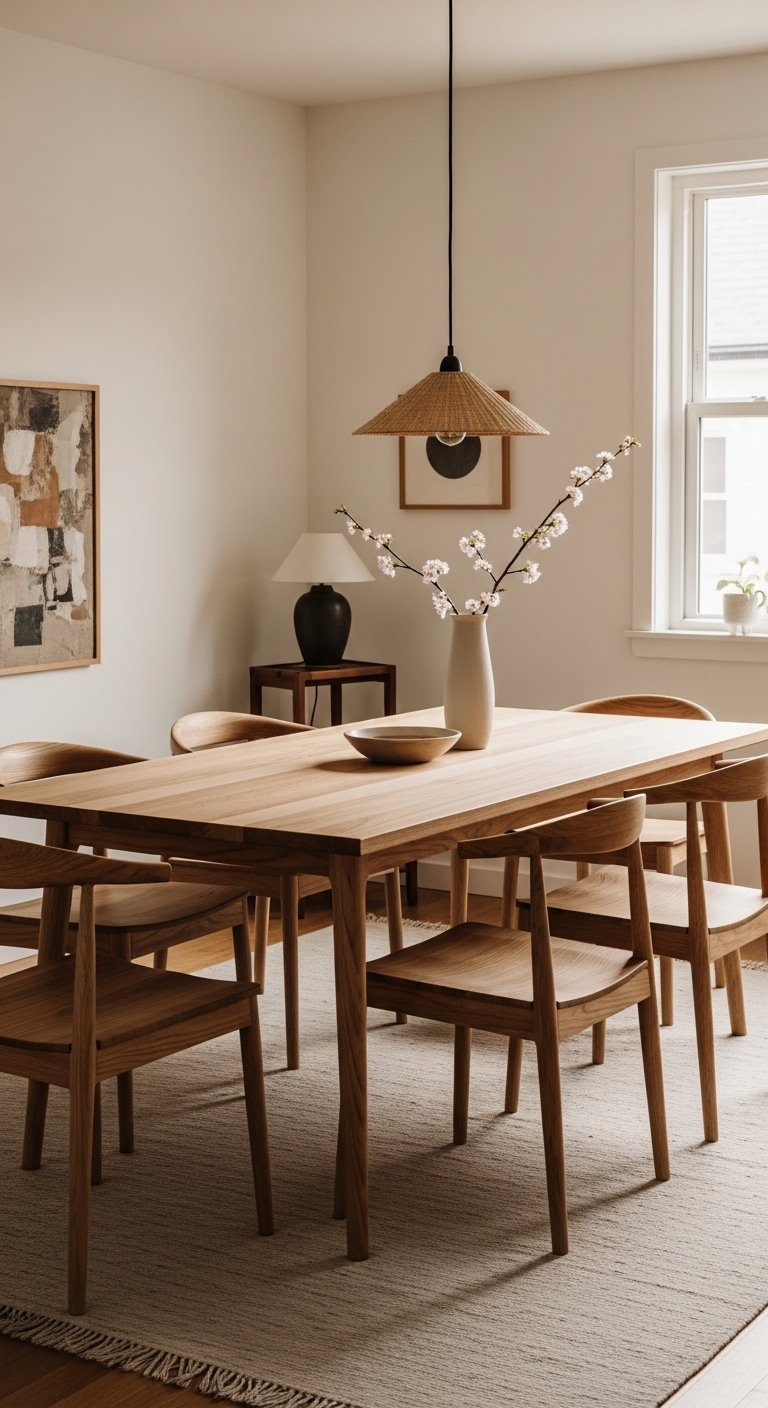
A dining table featuring visible wood grain and expert joinery serves as the emotional soul of your home. It celebrates the unique beauty found in manual craftsmanship that factory pieces simply cannot recreate.
These handmade items provide a lasting sense of warmth and stability within your daily dining space. Their sturdy construction ensures they remain central pieces in your house for many years to come.
Pairing this robust table with clean, minimalist chairs establishes a perfectly balanced aesthetic for you. It creates an inviting environment that is ideal for enjoying slow, mindful meals with your family.
Investing in high-quality furniture remains a top priority when you apply these design principles today. Quality materials elevate the entire mood of the room while grounding your home in authentic style.
23#. Dedicated Meditation Corner
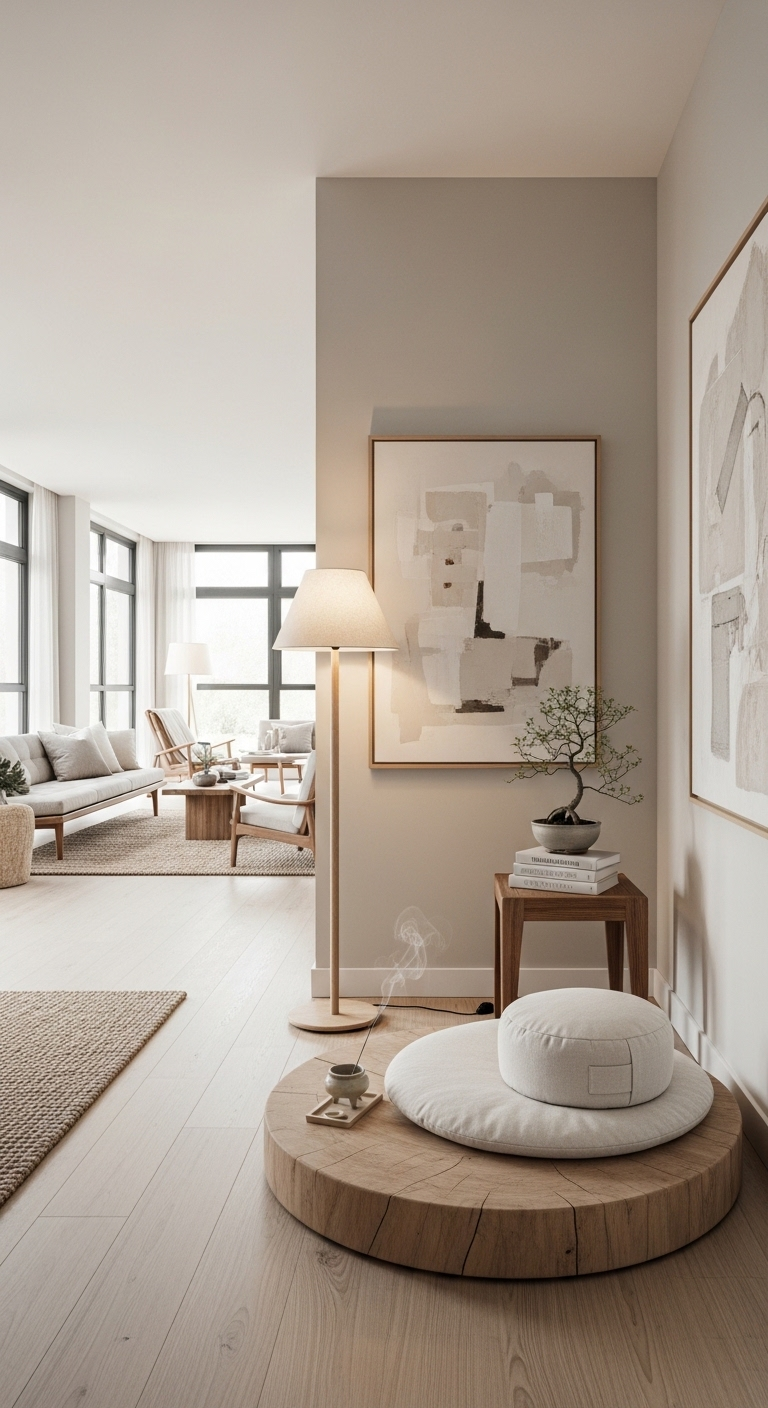
Set aside a small, quiet space with a floor cushion and a single plant to practice daily. This dedicated zone serves as a physical reminder to slow down and breathe while you reset.
Even a small corner of your guest room can be transformed into an inviting personal retreat. With the right minimalist touches and soft lighting, you create a sanctuary for your mind.
Prioritizing mental peace is one of the most vital secrets to know for a balanced home. It allows you to disconnect from the noise of our fast-paced world with intentional ease.
Use natural textures like woven mats to define this space without adding unnecessary visual clutter. This simple addition encourages you to find quiet moments for reflection in your busy life.
24#. Stone Elements in the Bathroom
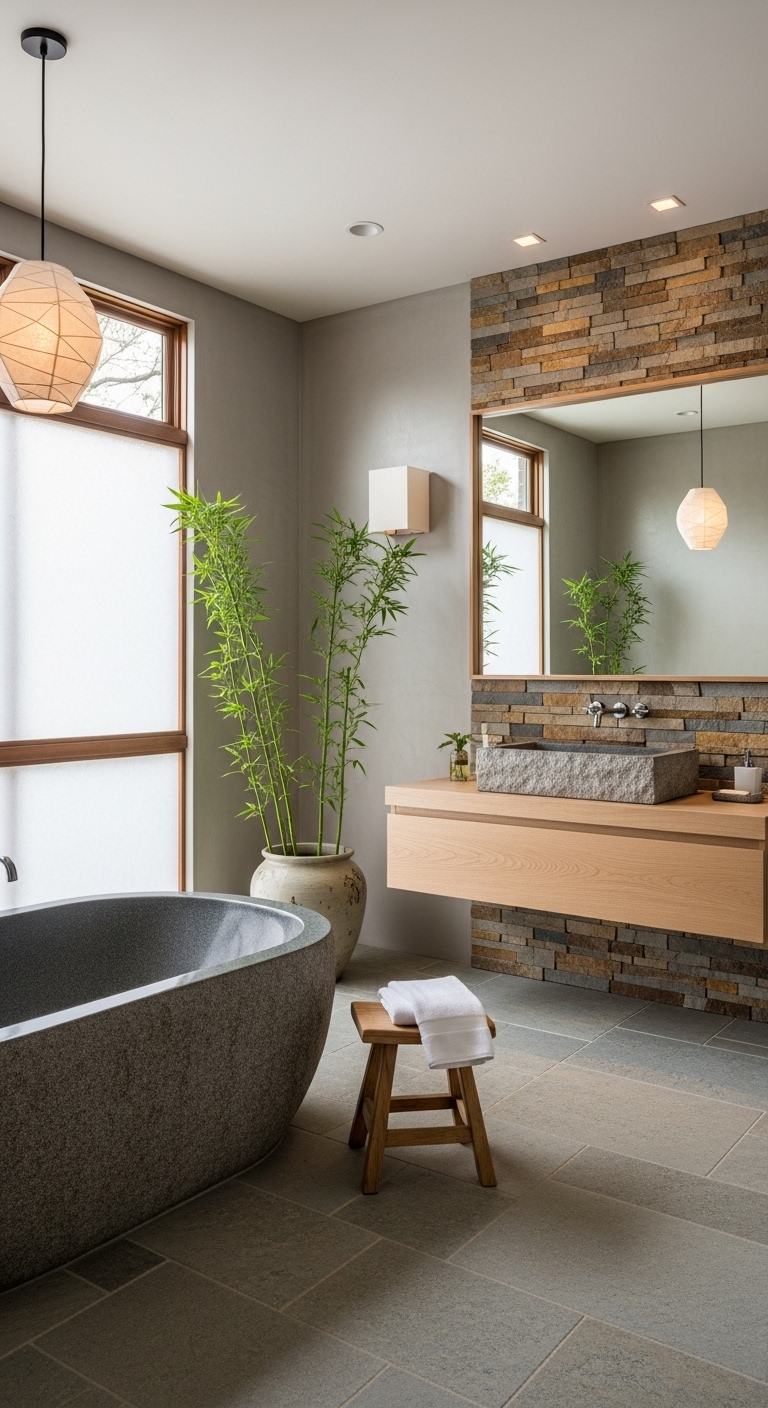
Integrate natural slate or smooth river stones into your bathroom design to create a spa-like feel. The cool, raw texture of stone provides a beautiful contrast to warm, wooden vanity finishes.
These natural materials establish a direct connection to the outdoors within your private daily space. They work alongside soft cotton towels to create a balanced environment for your morning routine.
Using stone accessories like soap dispensers or trays is an easy way to bring earthy tones. This approach helps you incorporate organic elements even when working within a smaller room layout.
Prioritizing raw materials remains a core strategy when you follow these specific design principles today. Natural stone anchors your bathroom in a serene atmosphere that encourages true relaxation and peace.
25#. Focus on Clean, Horizontal Lines
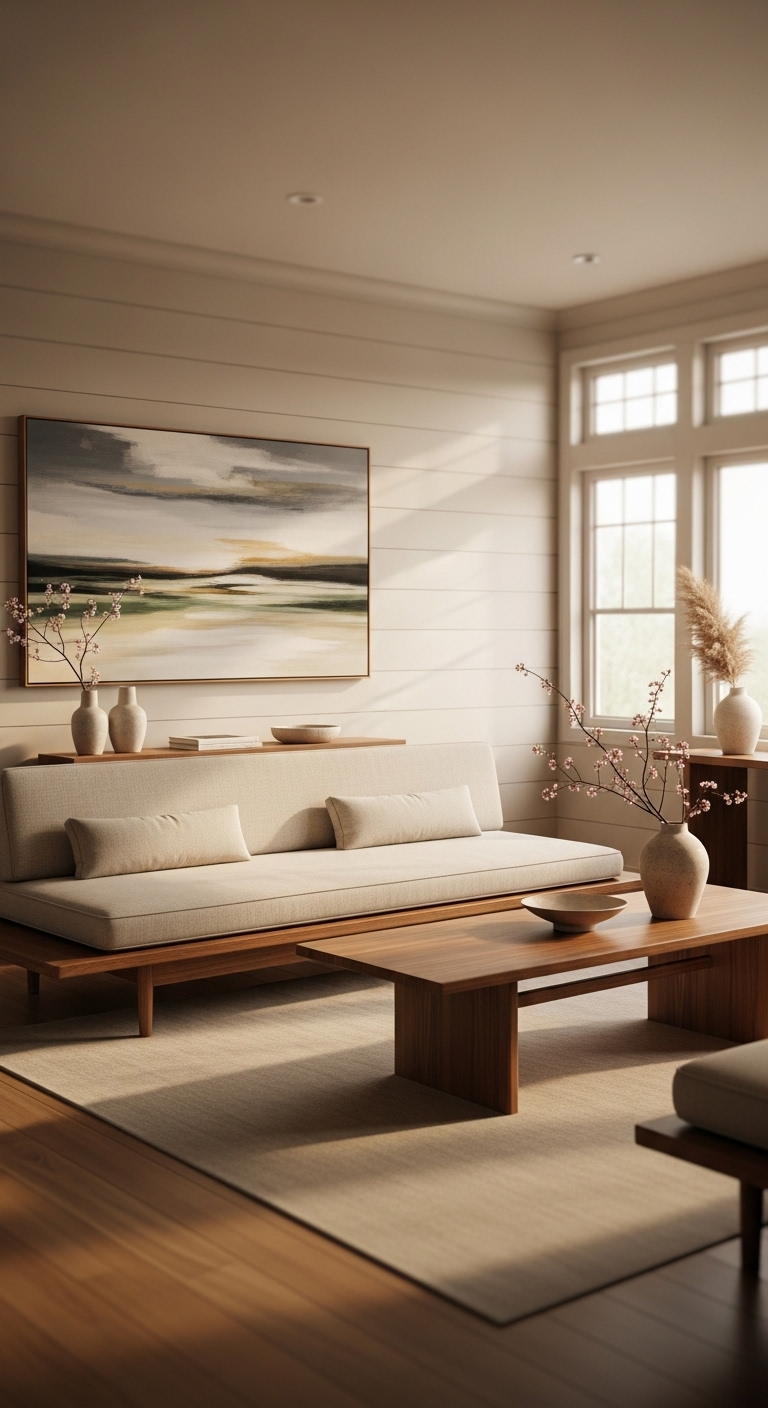
Modern Japandi design often emphasizes horizontal lines to create stability and calm within the home. Low bookshelves and long, sleek sideboards lead the eye across the room to add width.
This specific linear focus maintains a tidy and organized appearance for your minimalist home lifestyle. Horizontal planes help define the layout while keeping the overall aesthetic grounded and very approachable.
You can easily use wall-mounted cabinetry to reinforce these long, clean lines along your walls. This strategy avoids visual clutter and keeps your living spaces feeling open and truly airy.
Emphasizing the horizontal is a classic move when you follow these essential design principles today. It provides a professional structure that makes any room feel significantly larger and more cohesive.
26#. Opt for Frameless Mirrors
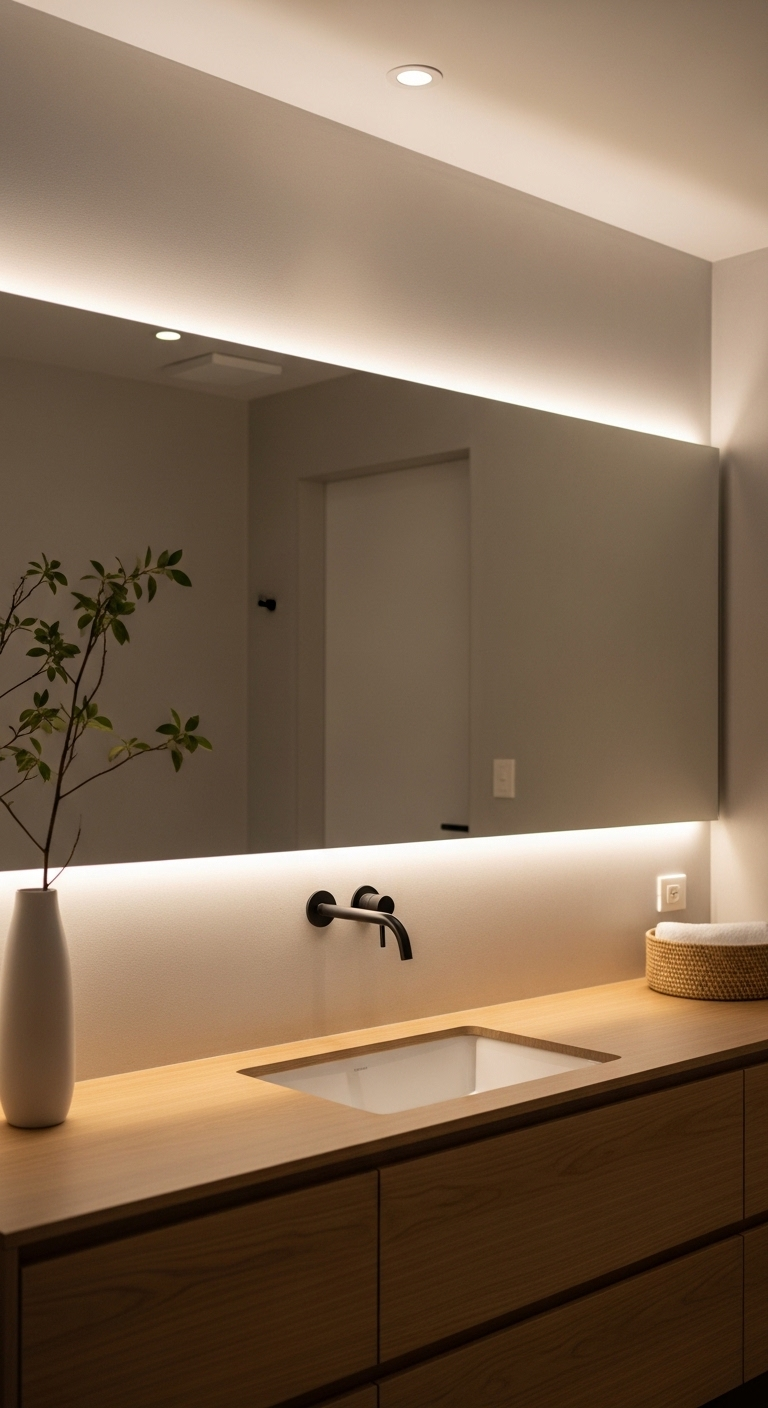
Large, frameless mirrors help to expand the space and reflect natural light without adding bulk. They avoid decorative noise on your walls, keeping the surface clean and very visually light.
This sleek, disappearing look aligns perfectly with the minimalist ethos found in modern design. You get a functional piece that enhances the airy feeling of your home quite effectively.
Positioning a mirror opposite a window can double the amount of sunlight entering your room. This simple change makes your living area feel brighter and more vibrant throughout the day.
Using reflective surfaces is a practical trick when you apply these essential design principles. It creates a sense of openness that is key to achieving a calm, professional interior.
27#. Use Textured Rugs for Warmth
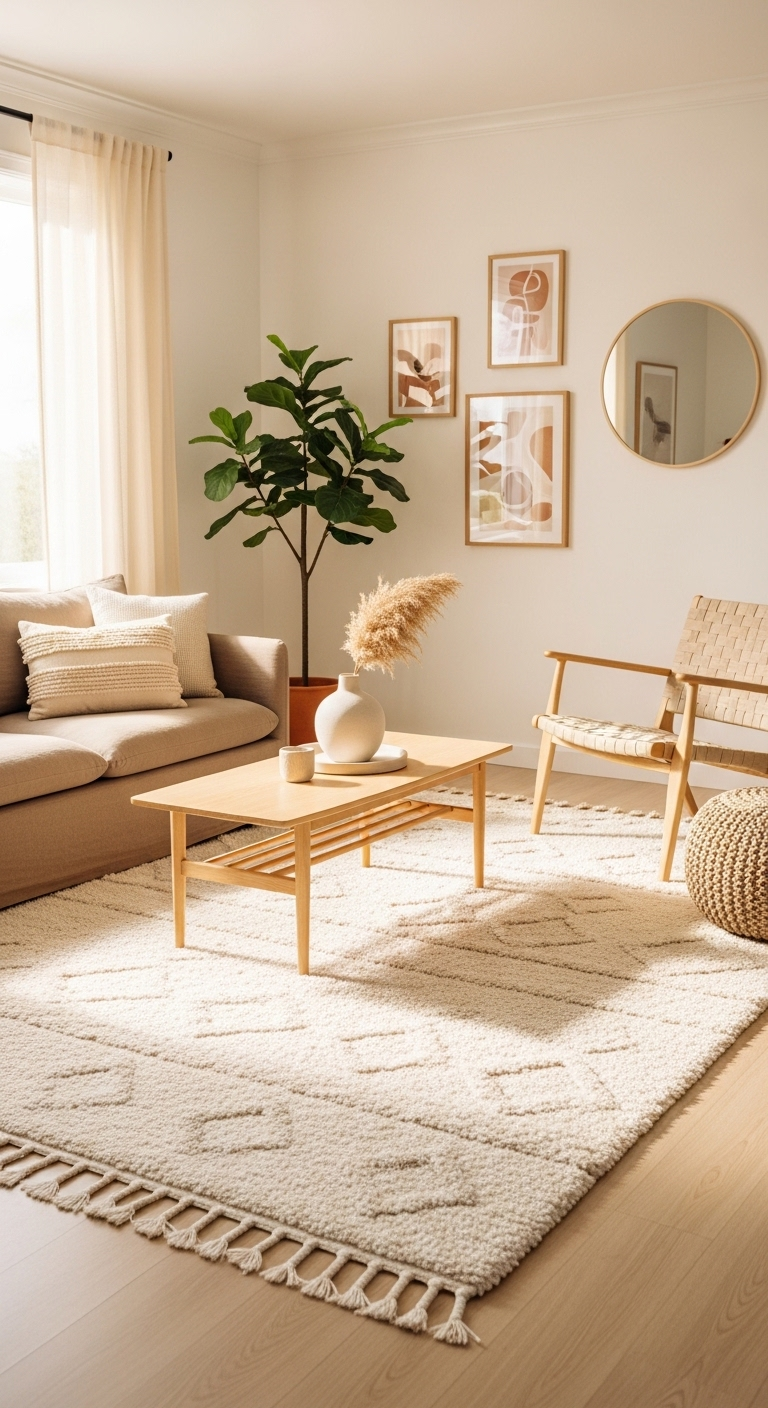
In rooms with hard wooden floors, a high-pile wool rug adds the necessary layer of comfort. Choose rugs in solid, neutral colors to provide a soft landing without cluttering the room.
The contrast between a smooth floor and a plush rug creates a rich sensory experience. This combination makes your minimalist aesthetic feel luxurious and deeply inviting for your daily life.
Layering textures remains a vital step when you follow these core design principles at home. Natural fibers soften the space and help to ground the furniture in a cohesive way.
Focus on rugs with subtle patterns or woven details to introduce interest without visual noise. These soft additions turn any functional room into a cozy haven that encourages quiet relaxation.
28#. Incorporate Traditional Tea Stations
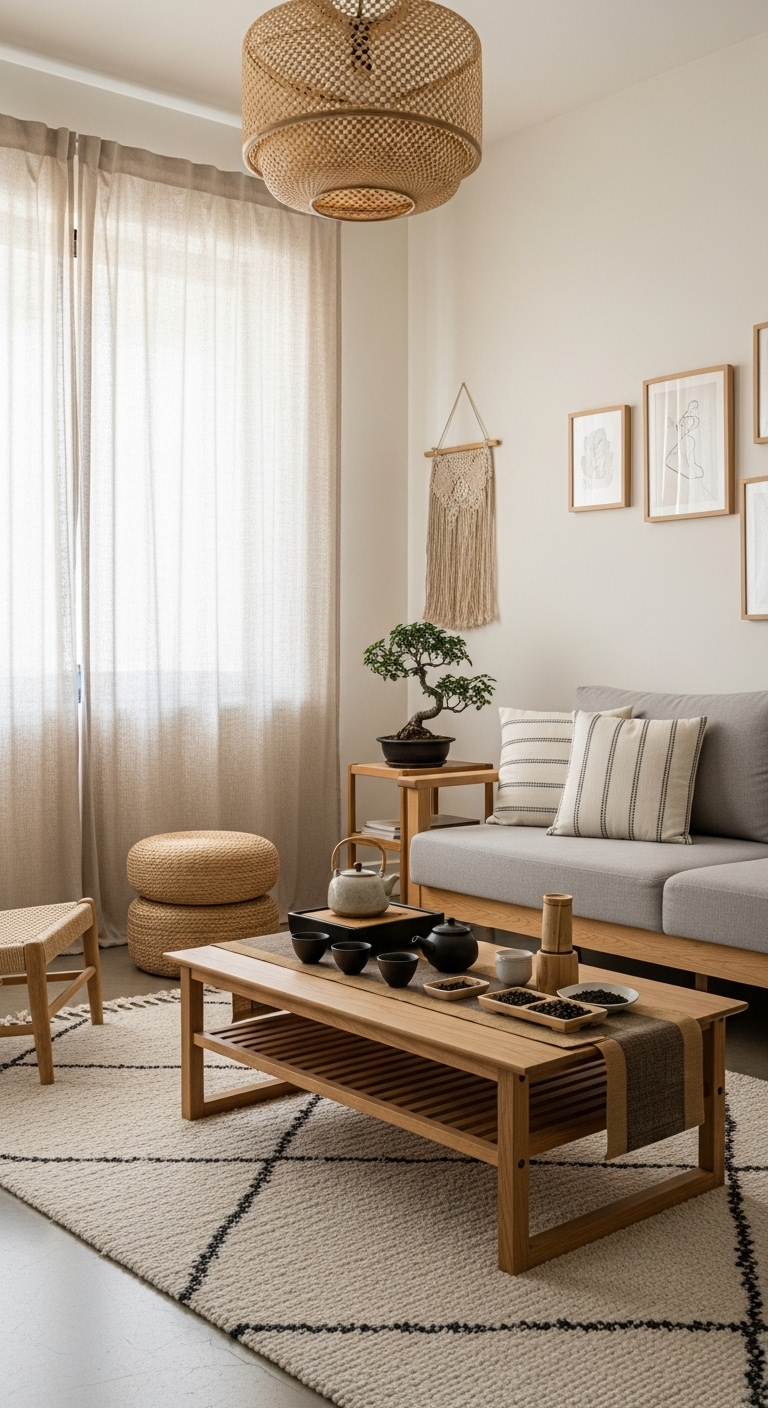
A small, organized tray with a ceramic teapot and cups creates a dedicated ritual space. This arrangement invites you to enjoy a slow afternoon break with mindfulness and genuine ease.
The setup encourages the Japanese philosophy of finding joy in simple acts of everyday life. You transform a basic kitchen counter into a meaningful station for your quiet afternoon tea.
Store your tea supplies in minimalist canisters to keep the station looking tidy and intentional. These simple containers hide clutter and help maintain the clean lines of your living space.
Cultivating rituals is a beautiful part of mastering these essential design principles at home. It allows you to build a habit of slowing down within your busy daily routine.
29#. Choose Sleek, Handleless Cabinetry
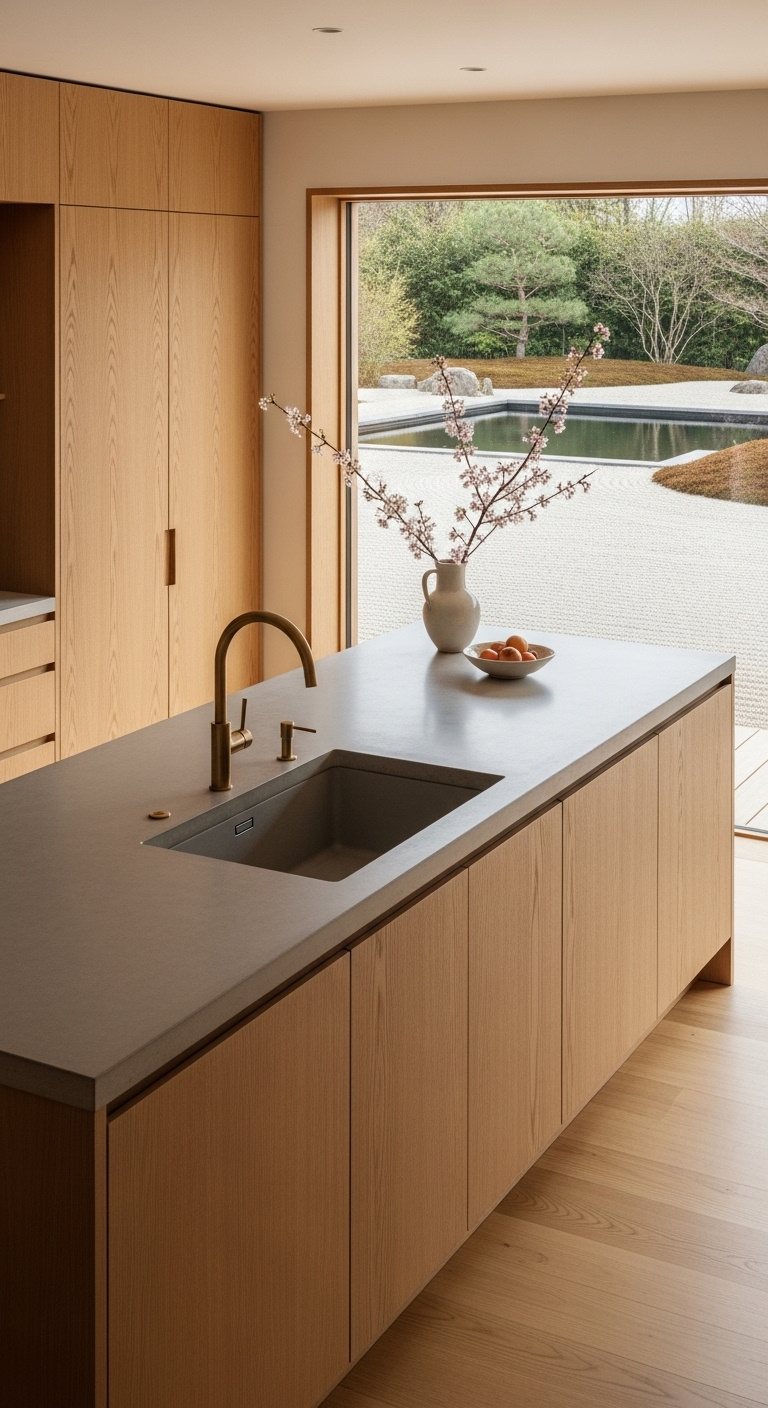
For a truly minimalist kitchen or storage wall, choose push-to-open doors that eliminate visible handles. This creates a smooth, flat surface that looks like an architectural feature within your home.
The lack of hardware keeps the lines of the room clean and very visually restful. You prevent the space from feeling too busy or industrial by hiding your storage behind.
Streamlining surfaces is one of the top design principles you should use for your home. It allows the quality of your cabinetry materials to stand out without any extra distraction.
Install these functional systems to achieve a cohesive look that feels both modern and calm. This intentional choice keeps your surfaces clear and supports a truly high-end minimalist lifestyle.
30#. Decorate with Neutral Abstract Art
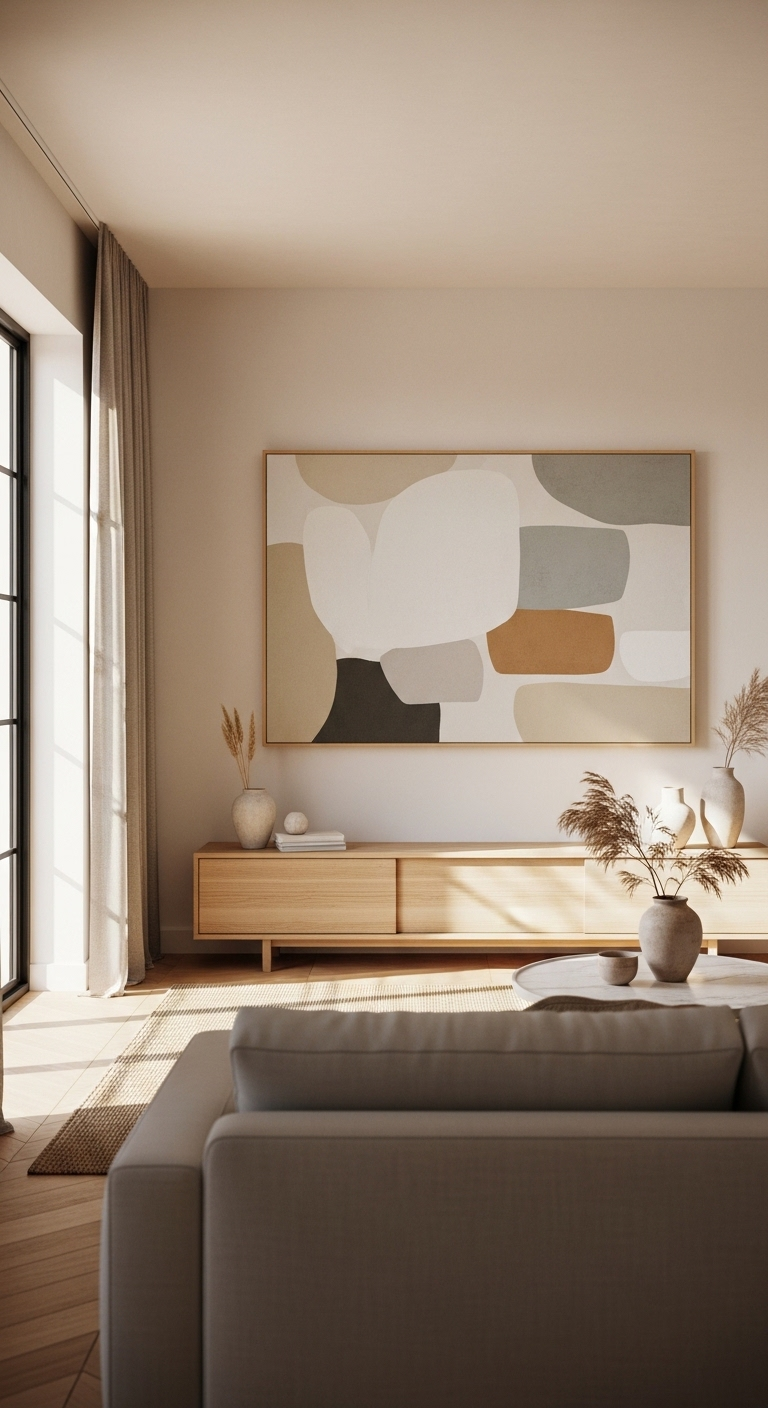
Select a few large pieces of abstract art in muted tones like charcoal, sand, and cream. These colors add personality to your walls without becoming overwhelming or disrupting your home’s peace.
Abstract art provides a sense of emotion and depth without being overly literal or distracting. It complements the clean lines of your furniture while adding a soft touch of texture.
Ensure the art is framed in light wood or thin black metal for consistent decor. These simple frames keep the focus on the artwork while maintaining a modern, professional look.
Choosing the right art is a hidden secret when you apply these design principles today. It brings a layer of intentional character that makes your living space feel completely finished.
31#. Use Low-Wattage Warm Lighting
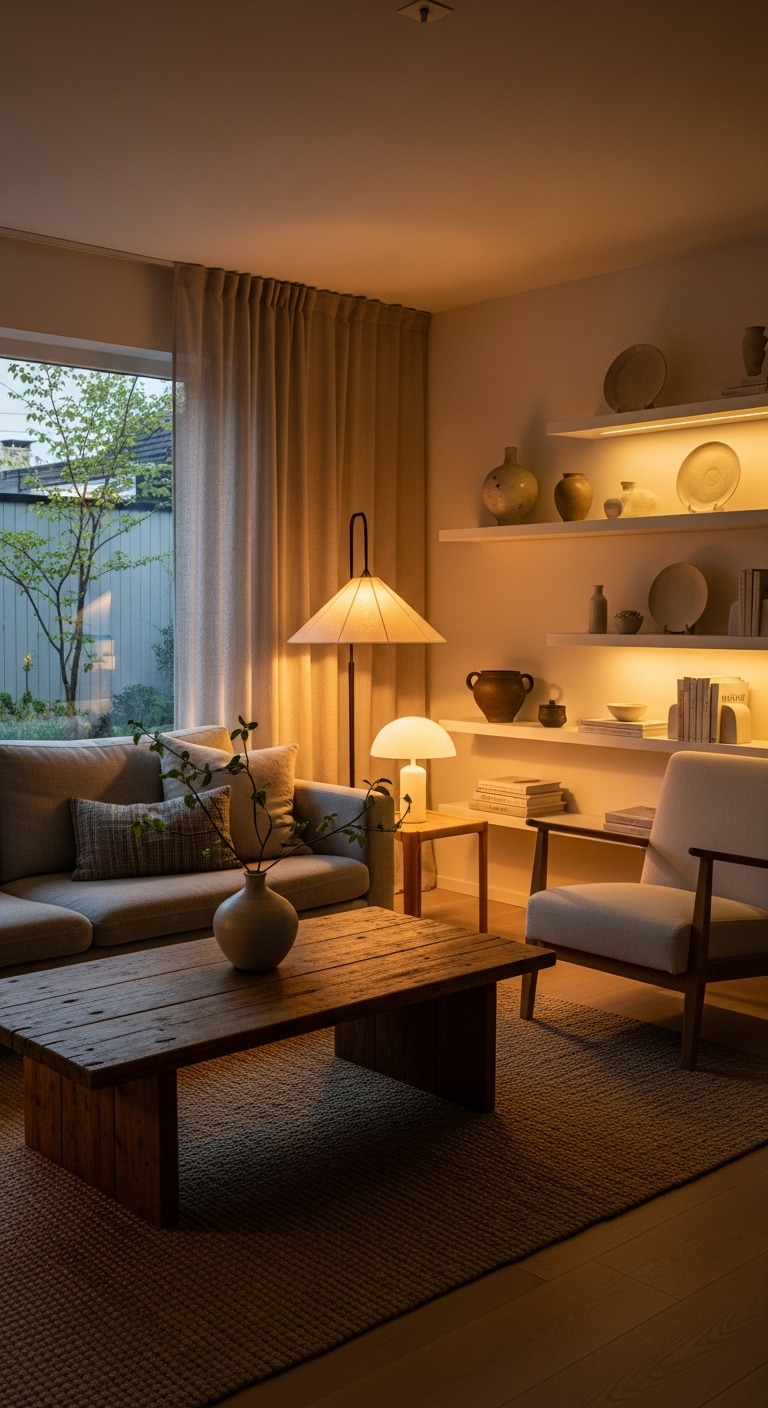
Avoid harsh overhead lights by using various floor and table lamps with warm-toned light bulbs. This layered approach creates a soft, glowing atmosphere as soon as the sun begins setting.
Warm light highlights the natural textures of wood and fabric found throughout your living space. It makes your minimalist design feel much more inviting and comfortable for your daily evening.
Using multiple light sources allows you to customize the mood of each room with precision. You gain total control over the environment to ensure it feels intimate and very cozy.
Atmosphere management is a key part of mastering these essential design principles in your home. It transforms any functional area into a relaxing sanctuary after a long and busy day.
32#. Prioritize Open-Plan Living Areas
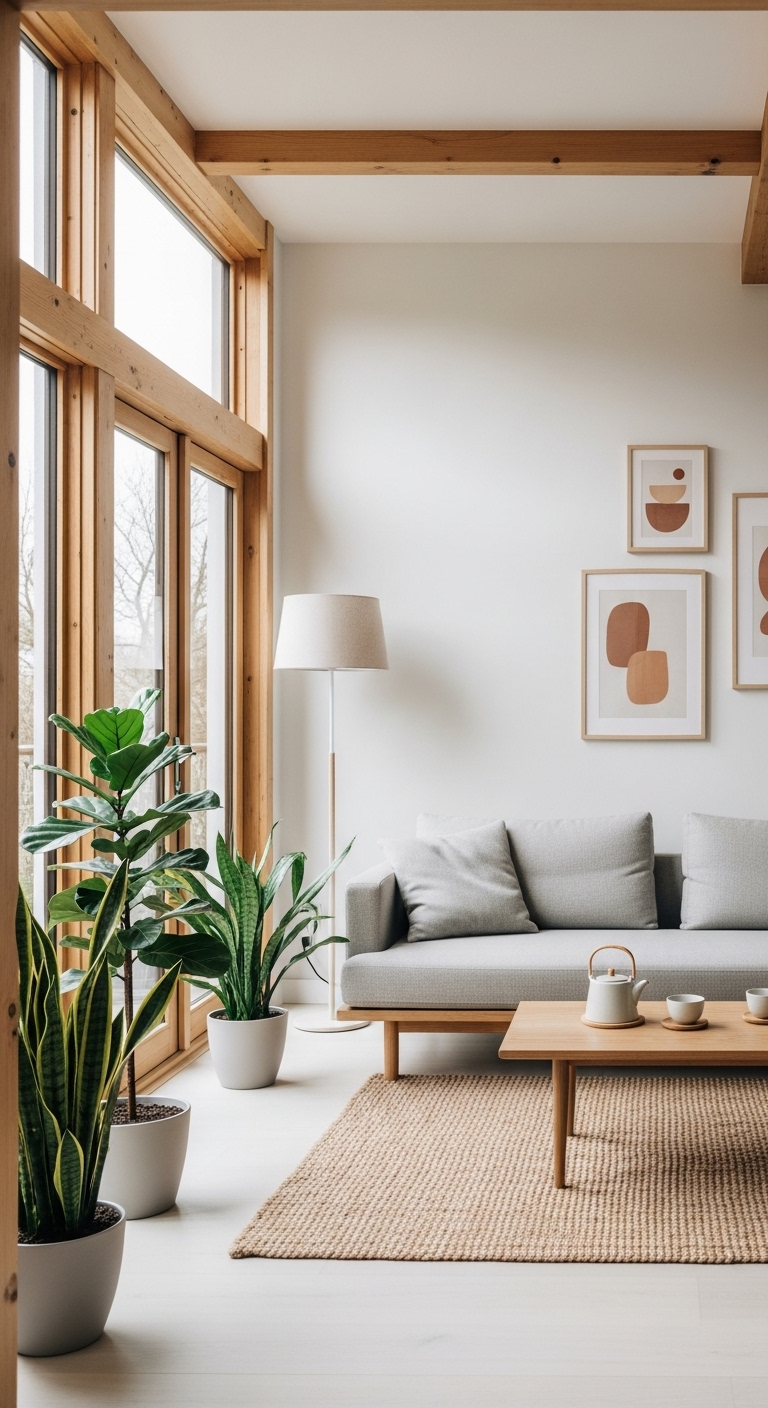
Whenever possible, keep the layout of your home open to improve light and communal freedom. Removing unnecessary barriers between the kitchen and living room creates a modern, airy flow.
This design approach allows natural sunshine to penetrate deeper into every corner of your house. You establish a sense of connection that makes your daily life feel much more expansive.
Use area rugs or strategic furniture placement to define different zones within your open space. These tools replace solid walls that block the view and prevent the room from breathing.
Managing space is a primary focus when you follow these essential design principles at home. It results in a versatile environment that feels both sophisticated and remarkably easy to navigate.
33#. Incorporate Multi-Functional Furniture
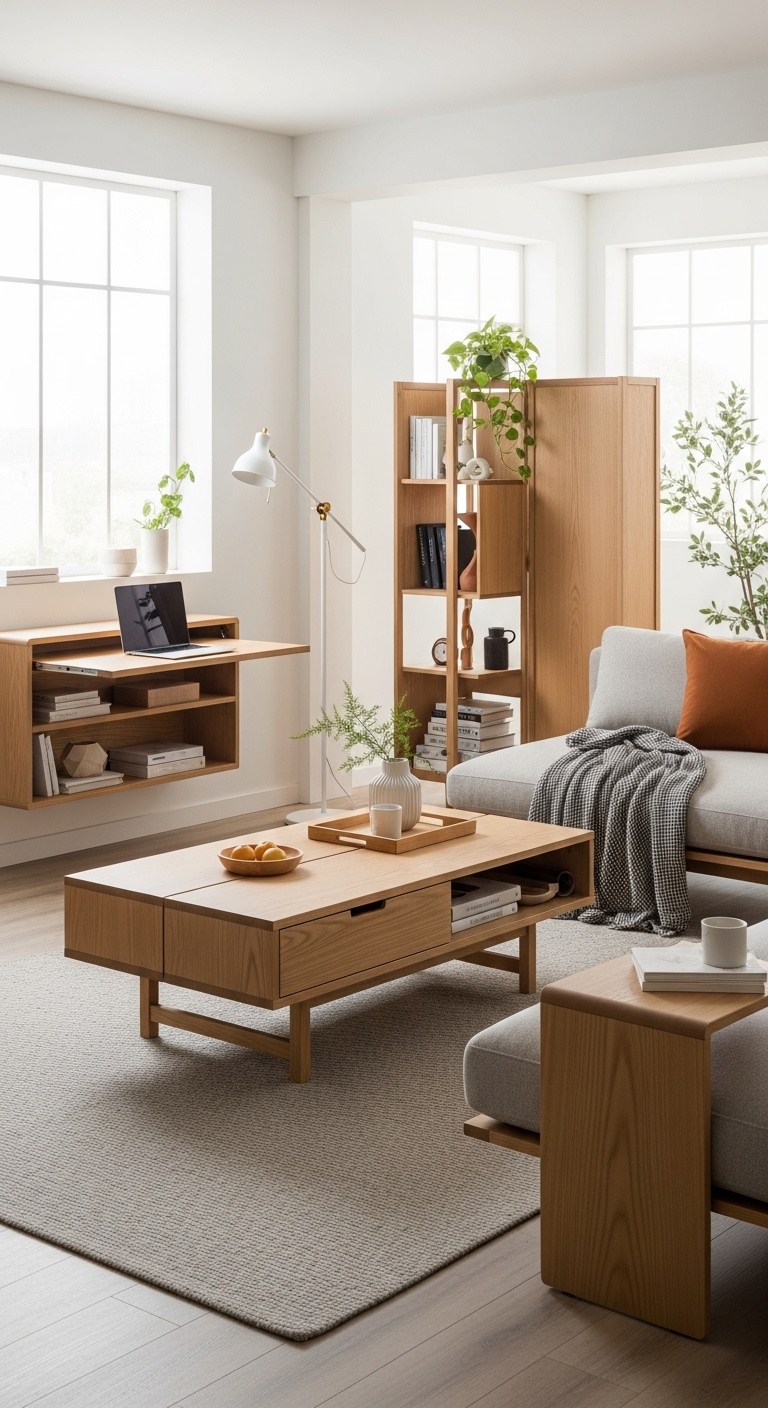
In a Japandi home, every piece of furniture must perform multiple roles, such as coffee tables that offer hidden storage or benches doubling as shelves. This approach prevents the need for extra clutter, keeping your living space strictly minimalist and highly functional for your daily household needs.
Smart, multi-use items are absolute essentials for smaller apartments where you need to maximize every square inch to maintain a peaceful environment. Prioritizing efficiency in your layout acts as a hidden gem when uncovering the core secrets to mastering this popular and serene design aesthetic.
Selecting pieces with clean lines and natural materials ensures that your home remains both visually grounded and incredibly practical for modern life. Focusing on quality over quantity allows you to curate a space that feels intentional, spacious, and perfectly tailored to your personal daily routines.
Integrating these dual-purpose elements creates a seamless flow between your furniture choices and the overall architectural style of your beautiful home. You will quickly find that removing unnecessary items allows the remaining high-quality pieces to truly stand out as focal points within the room.
34#. Focus on Craftsmanship and Joinery
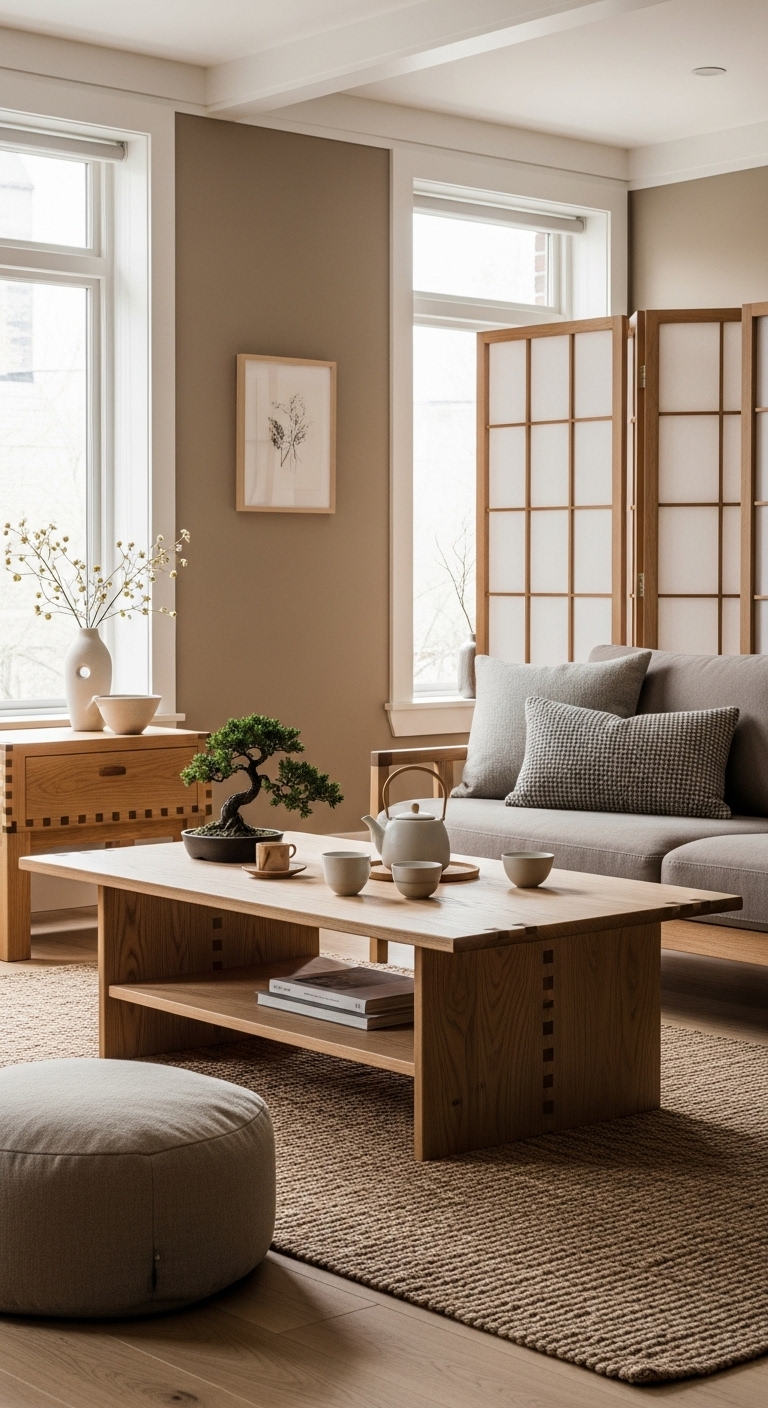
Appreciating the way a piece of furniture is built, such as visible dovetail joints, adds a layer of quiet beauty to your home. Highlighting the honest construction of an item shows a deep respect for the raw materials and the skilled artisan who created it.
This sharp focus on structural detail ensures that even the simplest chair feels like a high-end masterpiece within your living space. Valuing quality over quantity is the essential path to mastering the core principles of Japandi style and creating a lasting home.
Modern manufacturing often hides these craftsmanship details, but seeking out authentic woodwork brings a sense of history to your rooms. You create a more soulful environment by choosing items that celebrate the natural grain of wood and the precision of assembly.
Bringing these elements into your design strategy elevates your interior beyond mere decoration into a thoughtful and curated personal sanctuary. These intentional choices prove that you do not need excess furniture to make a bold, sophisticated statement in your own home.
35#. Maintain a Quiet Visual Rhythm
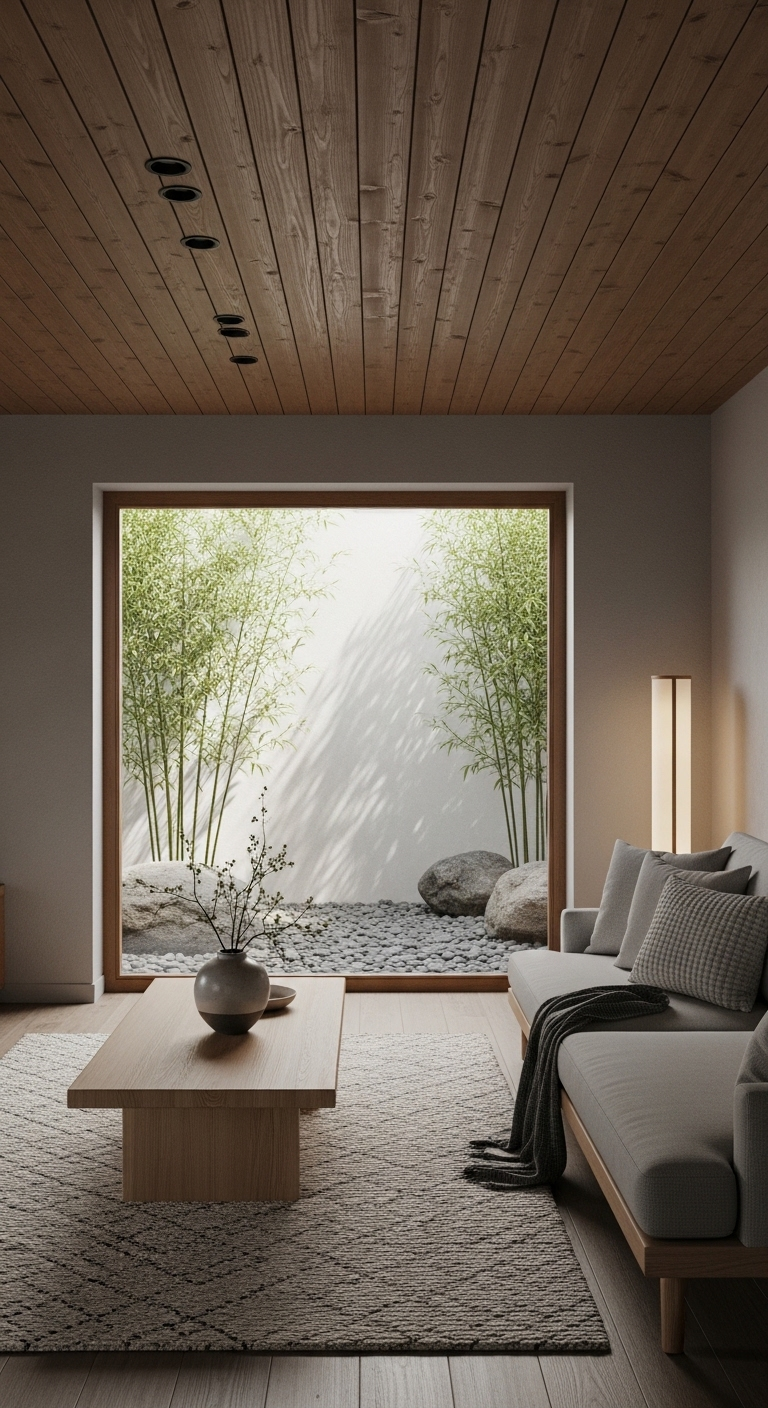
Ensure there is plenty of negative space on your walls and floors so that your home never feels crowded or overly busy. A quiet visual rhythm allows your mind to rest naturally while ensuring that the few pieces you own are fully appreciated.
Balance and breathing room are the ultimate goals of this style, helping to create a home that functions as a true sanctuary. Achieving this final equilibrium is the fundamental key to mastering the various secrets behind the popular and serene Japandi aesthetic.
Leaving areas intentionally open invites a sense of calm that helps you transition away from the stressors of your workday environment. You will notice how your favorite furniture pieces gain more character when they have enough room to exist without visual competition.
Minimalism is not about emptying a room but about carefully selecting items that bring you a genuine sense of lasting peace. Your commitment to these design principles will transform your house into a balanced, functional, and deeply restful home for your family.
Wrap-Up
The Japandi aesthetic is a masterclass in intentional living, proving that you don’t need a lot of things to have a home full of soul. By merging the cozy, functional spirit of Scandinavia with the serene, organic wisdom of Japan, you create a space that transcends trends.
We hope this comprehensive guide inspires you to simplify your surroundings and find the perfect minimalist balance in your own sanctuary.