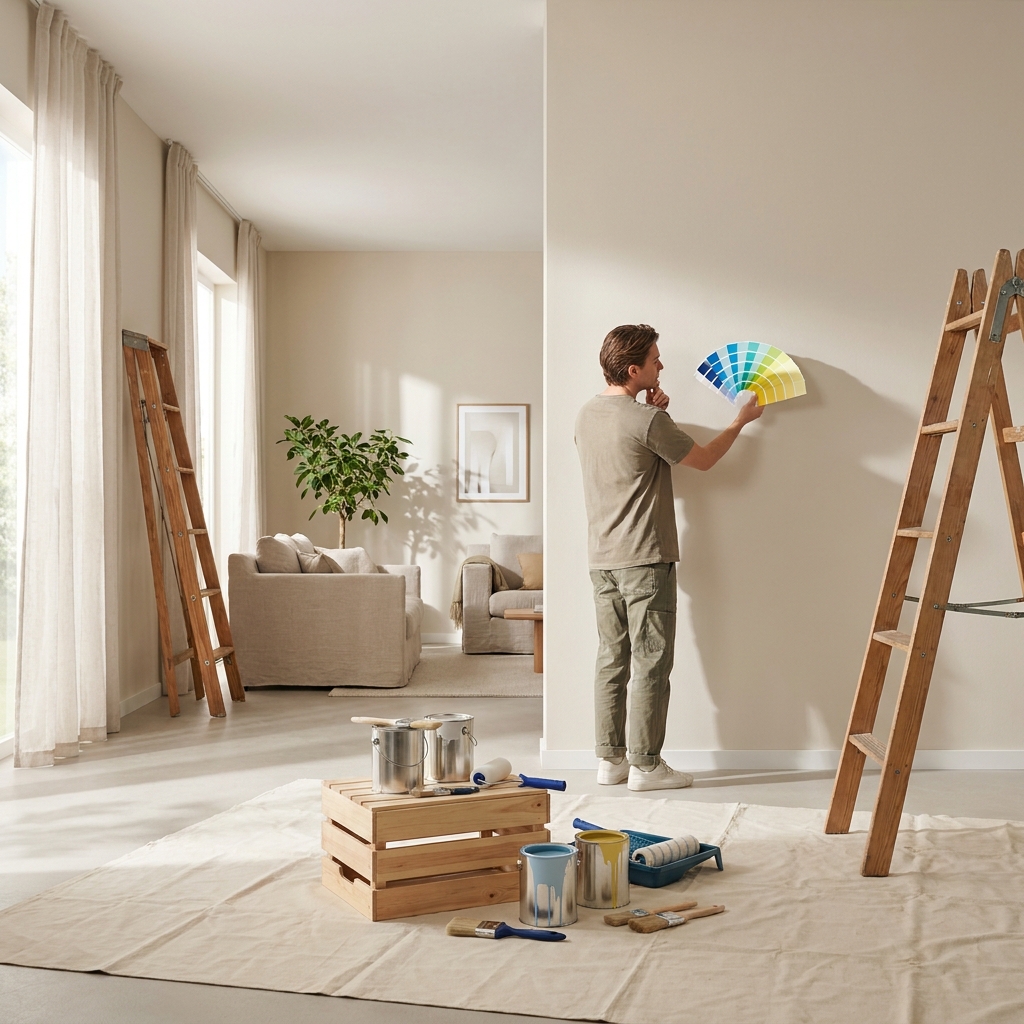
Have you ever stood in a paint store staring at hundreds of swatches, feeling completely overwhelmed?
You pick one that looks perfect under the bright lights, bring it home, paint a whole wall, and then wonder why it feels totally wrong. This is a story almost every new homeowner or renter knows all too well.
Choosing paint isn’t just about picking a shade you like — it’s about creating a space that feels like you. The right color can make a small room feel open, a noisy space feel calm, and a plain house feel like a warm, welcoming home. This guide will walk you through every step, no fancy design degree required.
By the end, you’ll know exactly how to pick colors that look great from morning to night, and that you won’t want to repaint next year.
Warm vs. Cool Pigment Divide
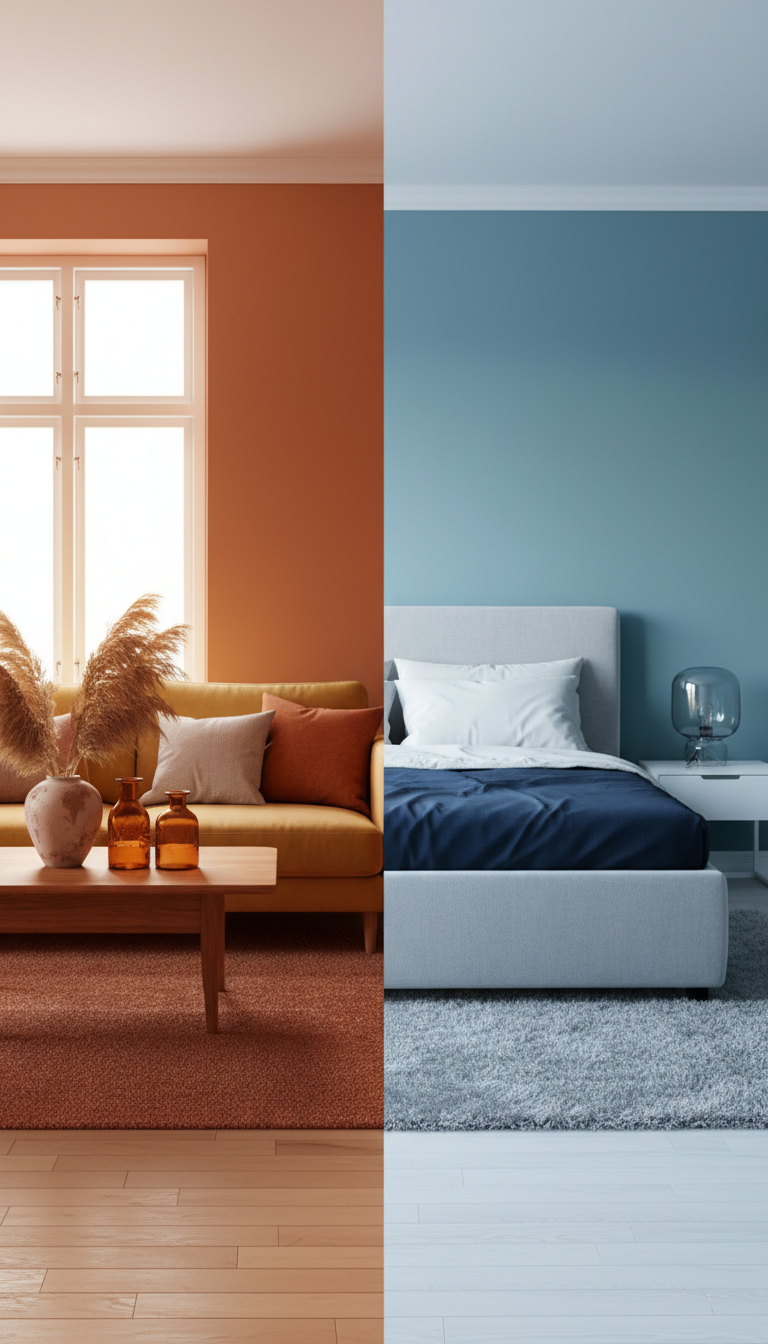
Undertones split every single color on earth into two distinct psychological and functional design categories:
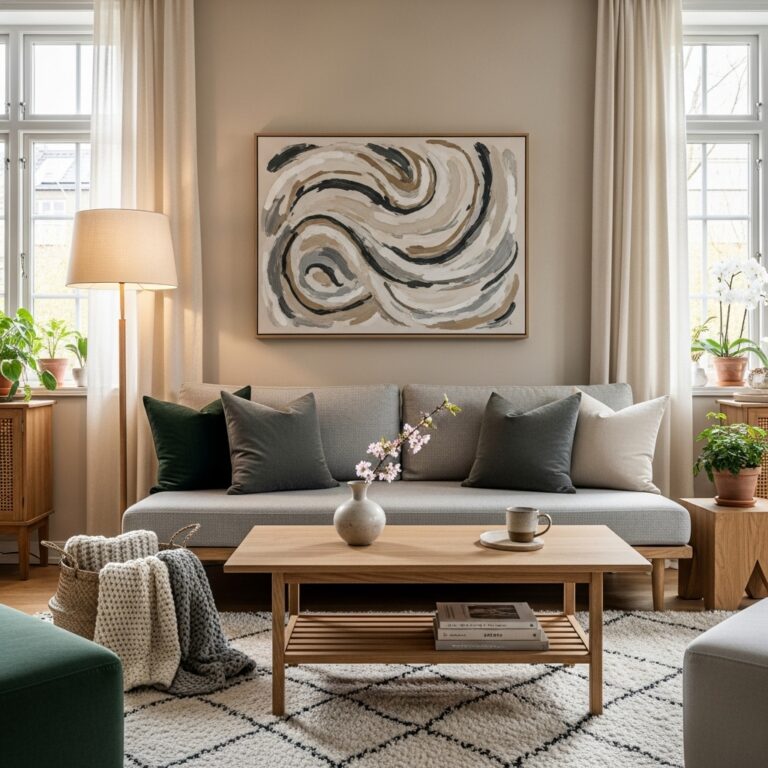
- Warm Undertones: Fueled by yellow, peach, pink, or red base drops. A white or beige with warm undertones feels incredibly inviting, cozy, traditional, and physically enveloping.
- Cool Undertones: Driven by blue, green, or purple base drops. A white or gray with cool undertones looks crisp, modern, hyper-clean, and clinical.
How Paint Color Changes How You Feel & See Your Space
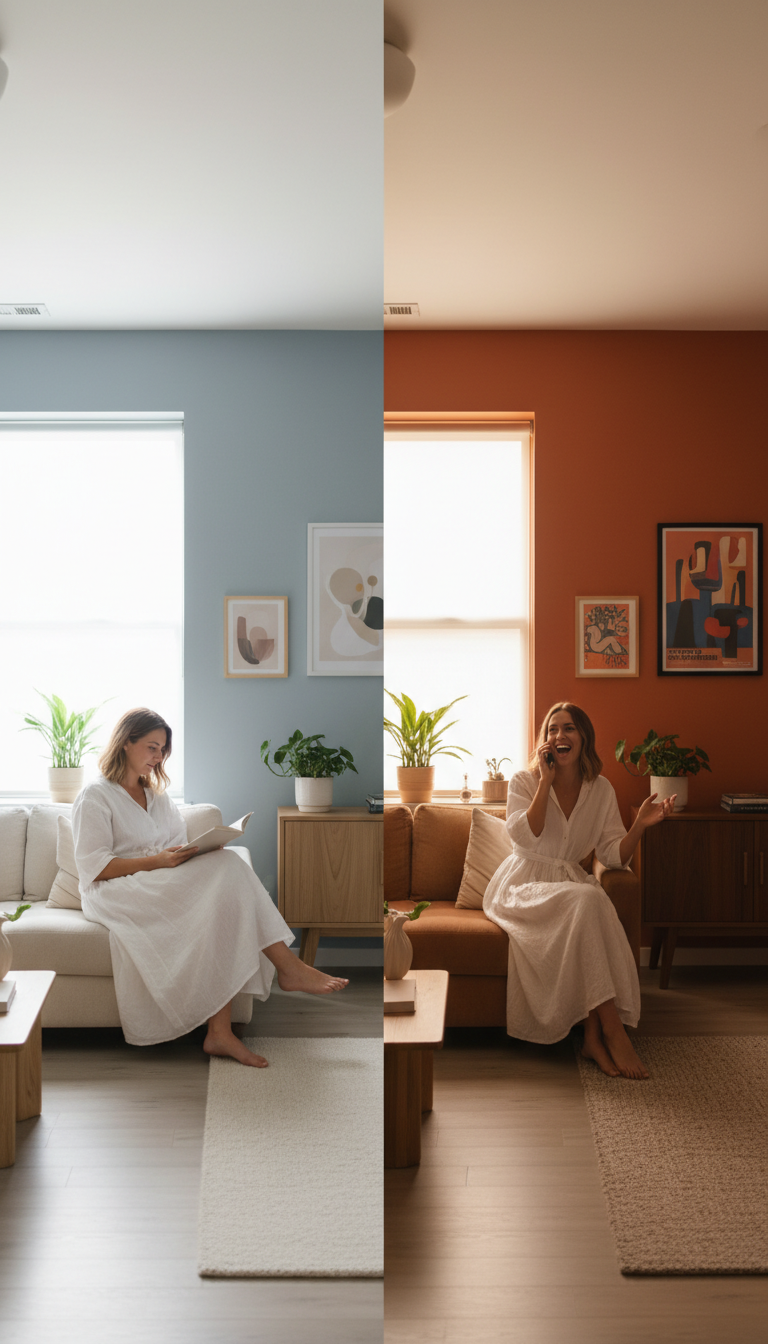
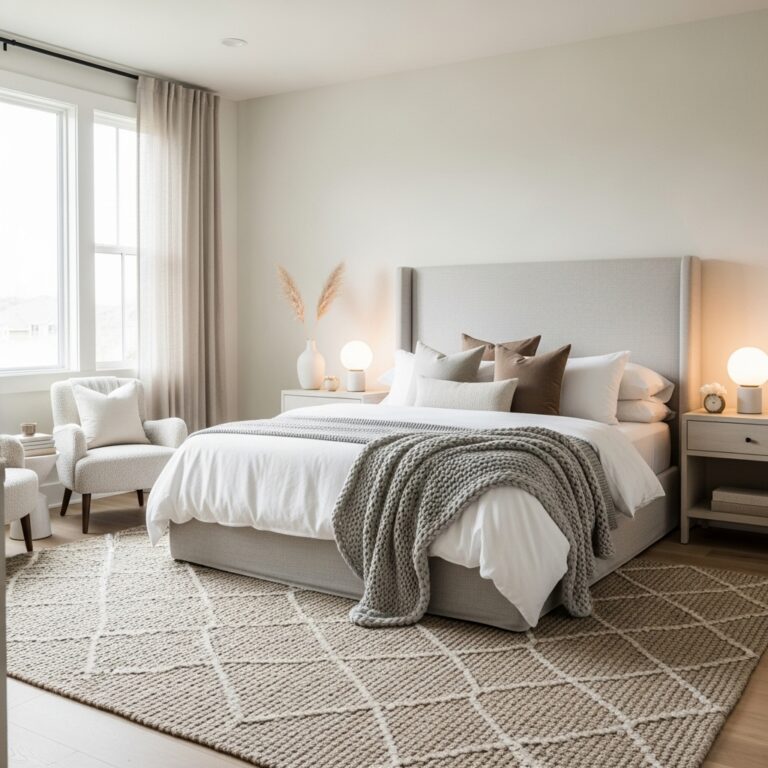
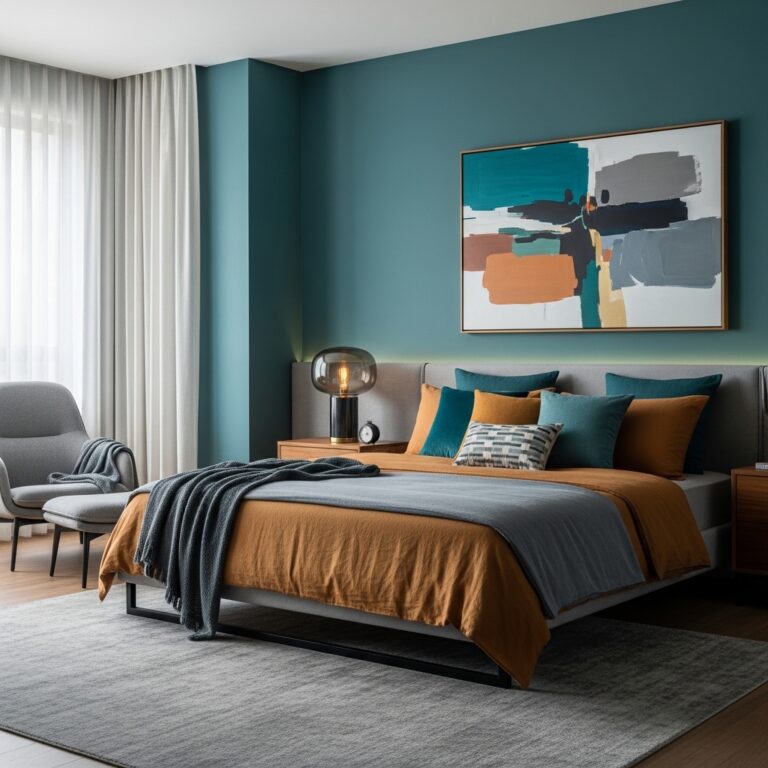
Most people do not realize how much paint color affects their mood and energy. A soft blue color can make you feel calm while a warm yellow color often gives an welcoming feeling.
Your choice of paint color also changes how big or small a room looks at first. Light colors make small areas look bigger while dark colors create an enclosed feeling.
Even small differences in color can change the atmosphere of a home. This is why choosing a paint color is not about looks. It is, about how you live in your home.
Understanding these basics helps you avoid making choices that do not feel after a few weeks. It gives you a foundation to build on as you explore your paint color options.
Biggest Mistakes Beginners Make (And How to Avoid Them)
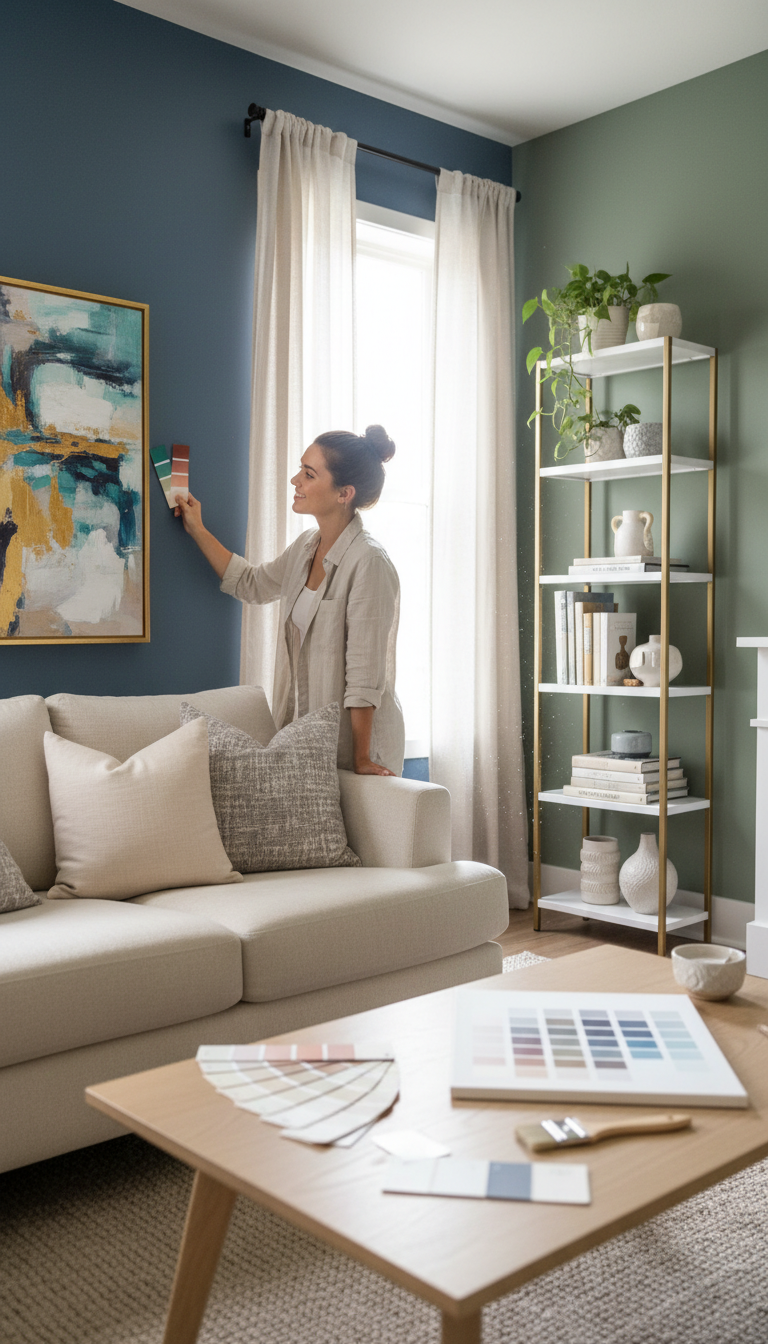
When people are first starting out with painting they usually choose colors based on samples they see in the bright lights of a store. The problem is that the color usually does not look the same when the paint is on the walls at home in light. This often leads to people being unhappy with the color they picked.
Another thing that people do wrong is they do not think about which way their windows are facing and how the light in the room changes throughout the day. A color that looks great in the morning might not look so good at night.
People also make a mistake when they try to match the color of the paint closely to the color of the furniture or other things, in the room. When everything is the color it is hard to see each thing on its own. What you really want is for each thing to stand out a bit so you want the colors to go well together but not be too similar.
Not testing the paint samples is a mistake that can cost you a lot of time and money. You will probably end up with the color and have to paint again. Testing the samples is easy to do. It does not cost very much so it is worth doing to make sure you get the right paint color.
Paint Color Trends & Facts — Useful Statistics Table
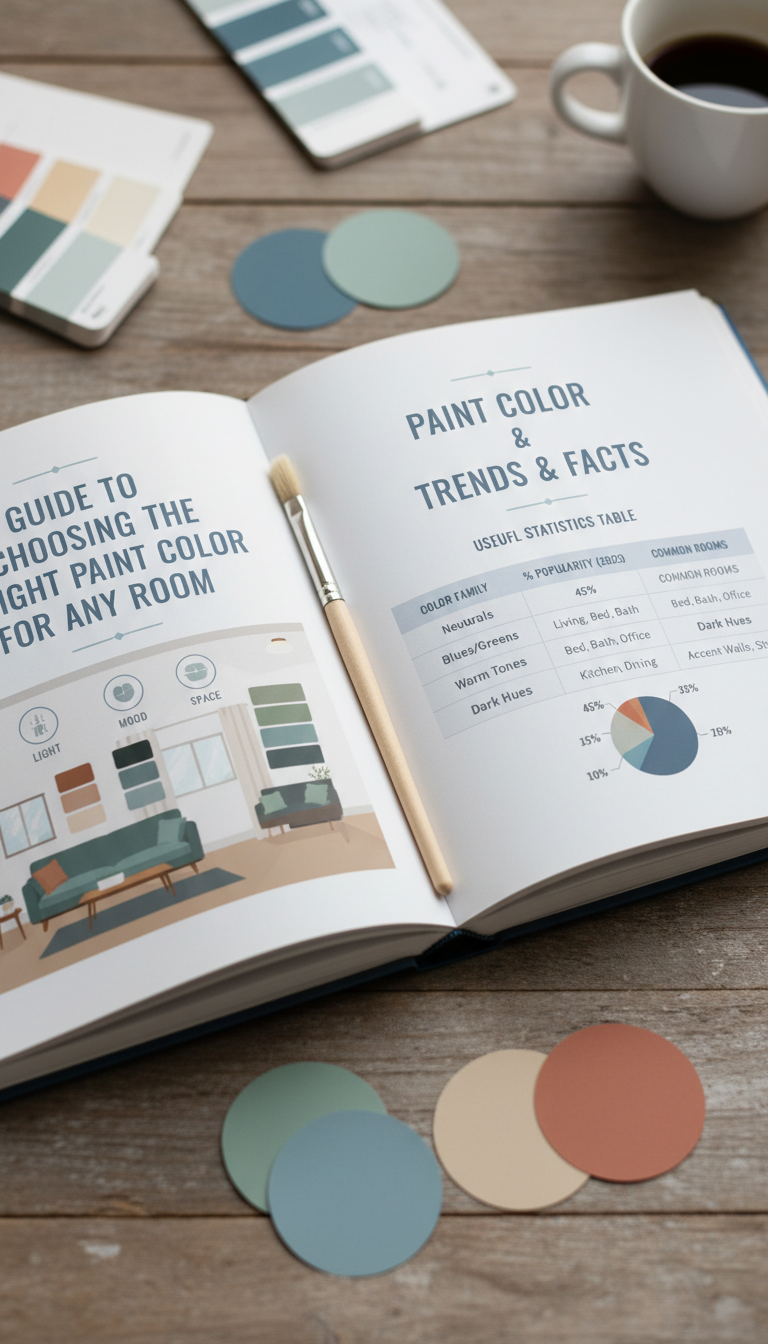
Looking at national surveys helps you understand what works and why it stays popular.Below is a quick breakdown of common preferences and their effects across US homes.
| Category | Top Choices | % of Homeowners Choosing | Main Benefit |
|---|---|---|---|
| Living Rooms | Warm white, soft gray, beige | 62% | Timeless, easy to decorate around |
| Bedrooms | Light blue, sage green, lavender | 48% | Promotes relaxation and better sleep |
| Kitchens | Off-white, light yellow, pale gray | 55% | Feels clean, bright, and makes spaces look larger |
| Bathrooms | Cool white, soft aqua, light gray | 59% | Creates a fresh, open, and spa-like feel |
| Dining Rooms | Muted terracotta, deep blue, olive | 31% | Adds warmth and encourages conversation |
| Long-Term Resale | Neutral tones (white/gray/beige) | 78% | Helps homes sell faster and at better prices |
Source: National Association of Home Builders & DIY Design Surveys 2024–2025
Neutral tones are still the pick for home owners. They are popular because they are flexible and have a resale value. People are now adding shades inspired by nature to give their homes some personality.
The data shows that using colors is a great trick for making small rooms look bigger. Than 70 percent of home owners say that light shades make their space feel more open and airy.
Some color trends may. Go.. Calm and balanced colors always stay in style. Look at these numbers, for ideas.. In the end pick the colors that you personally like.
The #1 Factor Most People Forget: Natural & Artificial Light
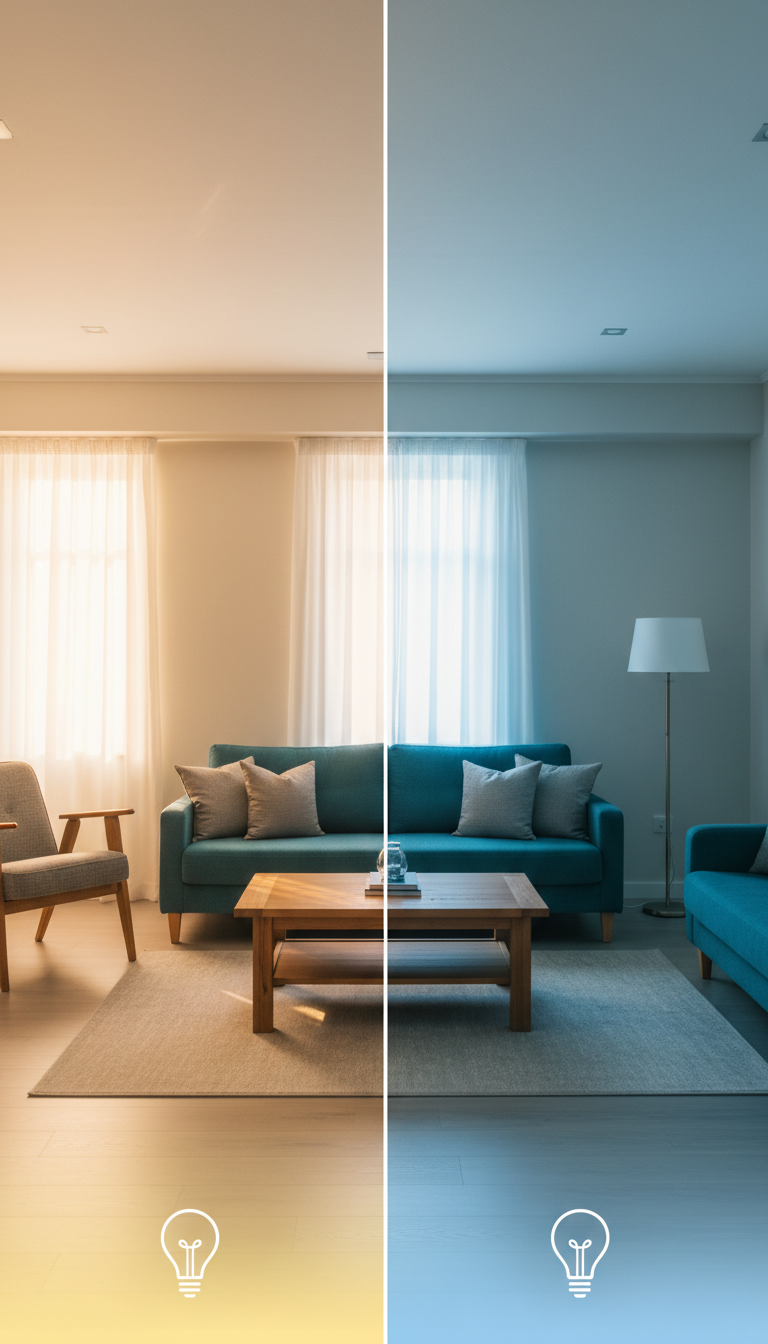
Light is really important when it comes to the color of your paint. It can completely change how it looks.
North-facing rooms get a type of light that’s calm and steady which makes the colors look a little darker. South-facing rooms are different they get a lot of sunlight that makes the colors look softer and brighter.
East-facing rooms are bright in the morning. As the day goes on the light becomes cooler. West-facing rooms start off soft but by the late afternoon they are filled with a warm golden light.
The kind of bulb you use also affects the color warm bulbs make things look yellow and cool bulbs make them look blue. So you have to test the paint at times of the day to see how it looks.
You need to see how the color changes in the light to pick a shade of paint that looks good all the time. Light and paint color go together so checking your test samples at times is really important to find a paint color that looks good with the light, in your room.
📊 Paint Color Selection Flowchart
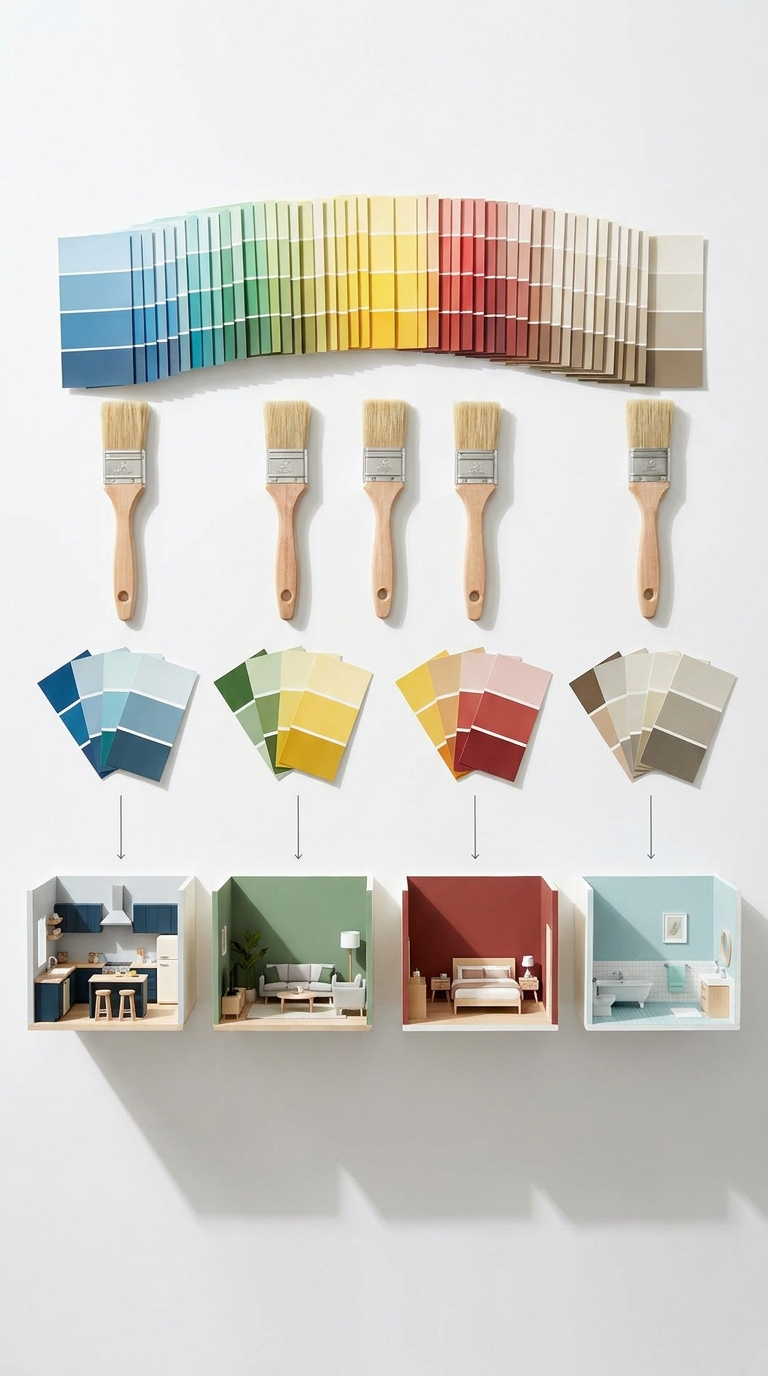
(Easy to read, perfect for Pinterest or blog visuals)
START
↓
Step 1: How do you want the room to feel?
├─ ➡️ Bright & Spacious → Choose light shades (white, cream, pale gray, soft beige)
├─ ➡️ Calm & Relaxing → Choose cool tones (light blue, sage green, lavender)
├─ ➡️ Warm & Cozy → Choose warm tones (soft yellow, terracotta, warm gray)
└─ ➡️ Bold & Dramatic → Choose deep shades (navy, charcoal, olive green)
↓
Step 2: Which direction do your windows face?
├─ ➡️ North (cool, dim light) → Pick warmer undertones to avoid feeling cold
├─ ➡️ South (bright, warm light) → Pick cool or neutral shades to stay balanced
├─ ➡️ East (bright morning, cool evening) → Pick versatile mid-tones that work all day
└─ ➡️ West (golden afternoon light) → Pick softer shades to avoid looking too intense
↓
Step 3: Check existing furniture & decor
├─ ➡️ Lots of bold colors/patterns → Go with soft neutrals on walls
├─ ➡️ Mostly neutral furniture → You can add subtle color or depth
└─ ➡️ Wood tones → Match warm or cool undertones to your wood
↓
Step 4: Always test first!
↓
✅ FINAL CHOICE CONFIRMED
“Color is a power which directly influences the soul.” (— Wassily Kandinsky)
“The right color can turn a house into a home, and the wrong one can make even the nicest furniture feel out of place.”Step-by-Step Method: to Pick Your Perfect Shade
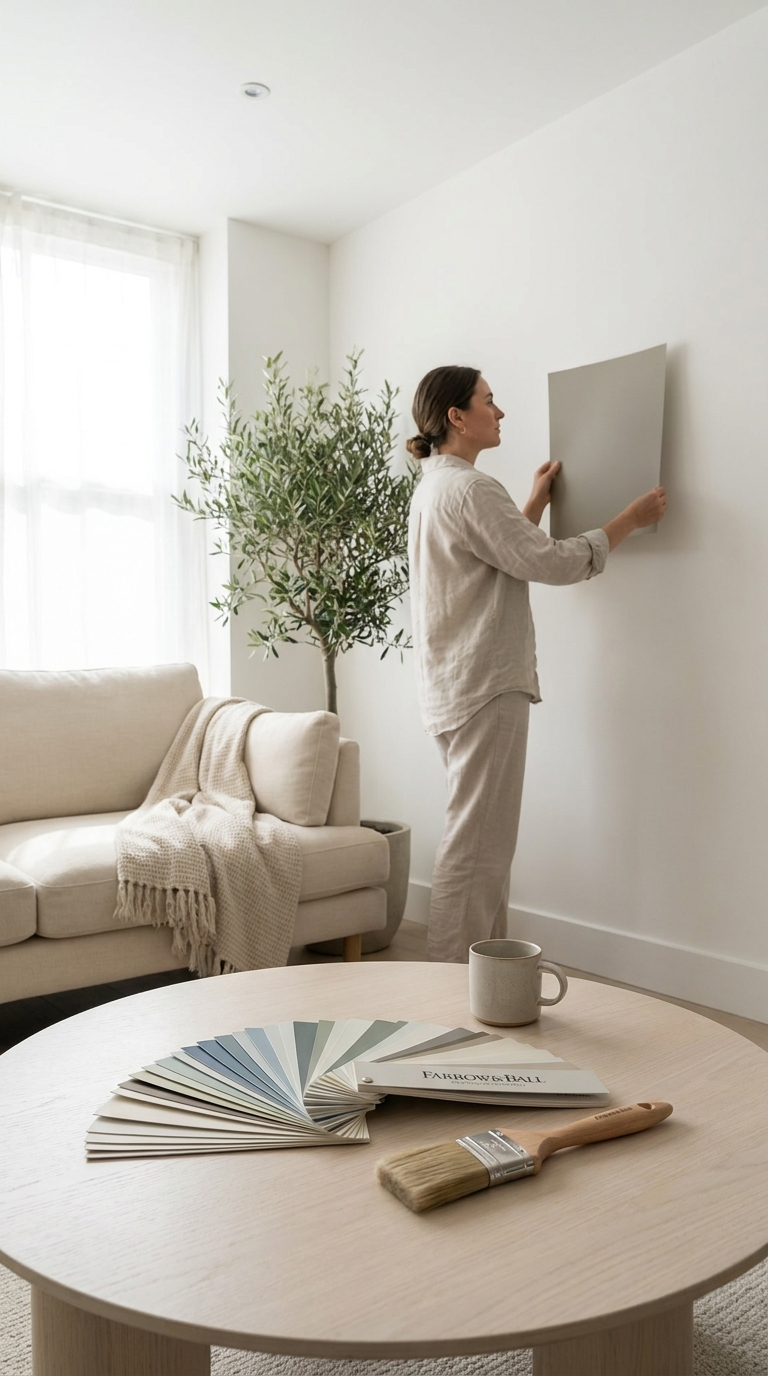
1- Look around your room. See the colors of your furniture, rugs, curtains and art. Pick one or two colors that you really like to use as inspiration for the color of your walls. You do not have to match the colors just find colors that look good next to them. This way your room will look nice. Connected without feeling like everything was put together in a hurry.
2-Every paint color has a tone to it either it is warm, cool or neutral. Warm colors are like red, yellow or orange. Cool colors are like blue, green or purple. Neutral colors are good because they work well with anything and are great for people who are painting for the first time. Figuring out which tone you like helps you choose from all the colors.
3- Paint colors come in medium and dark shades. Each one is good, for something. Light colors make a room look bigger. Medium colors add some character to a room. Dark colors can make a room look dramatic or cozy. If you are painting for the time it is usually a good idea to start with light or medium colors. These colors are easy to work with. You can change the decor of your room later if you want to.
4- You can buy pots of paint or use big stickers to test the colors. Paint a patch of color on two different walls and look at it for a few days. Check how the color looks in the morning in the afternoon when the sun is shining and at night when the lampsre on. This is the way to know if a color will look good in your room.
3-Ways to Use This Guide
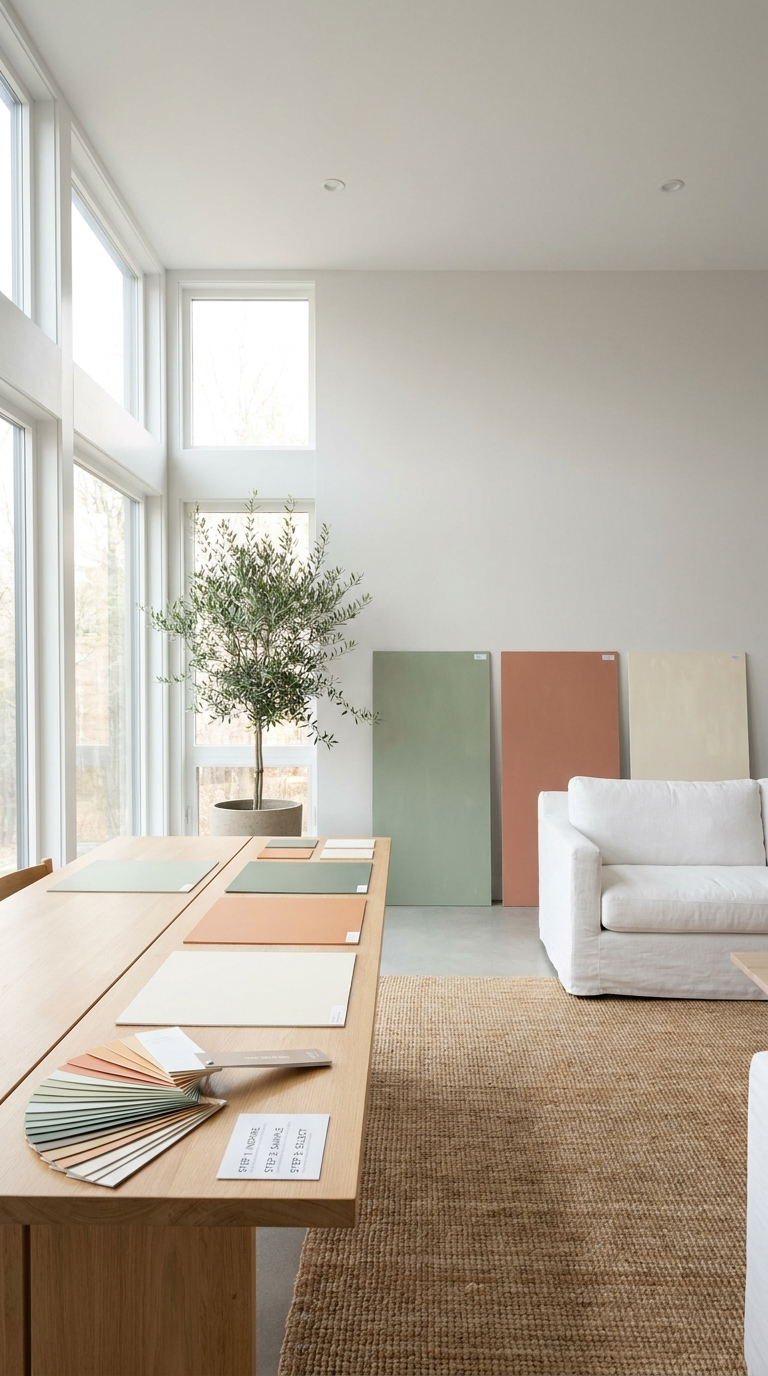
Way# 1: This is great for people who do not have a lot of time and want to get a summary that they can save or print. The checklist includes things like checking the lighting and tips for undertones. It also tells you about common mistakes that you should avoid. You can save this checklist to your Pinterest board so you can look at it again later. It is really helpful when you are standing in the paint section of a store and you need to make a decision about what color to choose.
Way# 2: The checklist is organized by room. Like the living room, bedroom, kitchen, bathroom and entryway. Each section of the checklist gives you examples of colors that might look good and it also gives you some ideas about the kind of mood you might want to create in each room. This format is helpful because it lets you plan the colors for your house without feeling like it is too much to handle. The checklist is easy to read. It is perfect for sharing on social media or saving for later.
Way# 3: The checklist is like a tool that asks you simple questions to help you choose a color. For example it might ask you “Do you want the room to feel bigger?”. Do you get a lot of sunlight in the room?”. So on. People really like formats like this, on Pinterest because they are easy to look at and they help people feel confident even if they have never chosen a paint color before.
Four Foolproof Color Recommendations
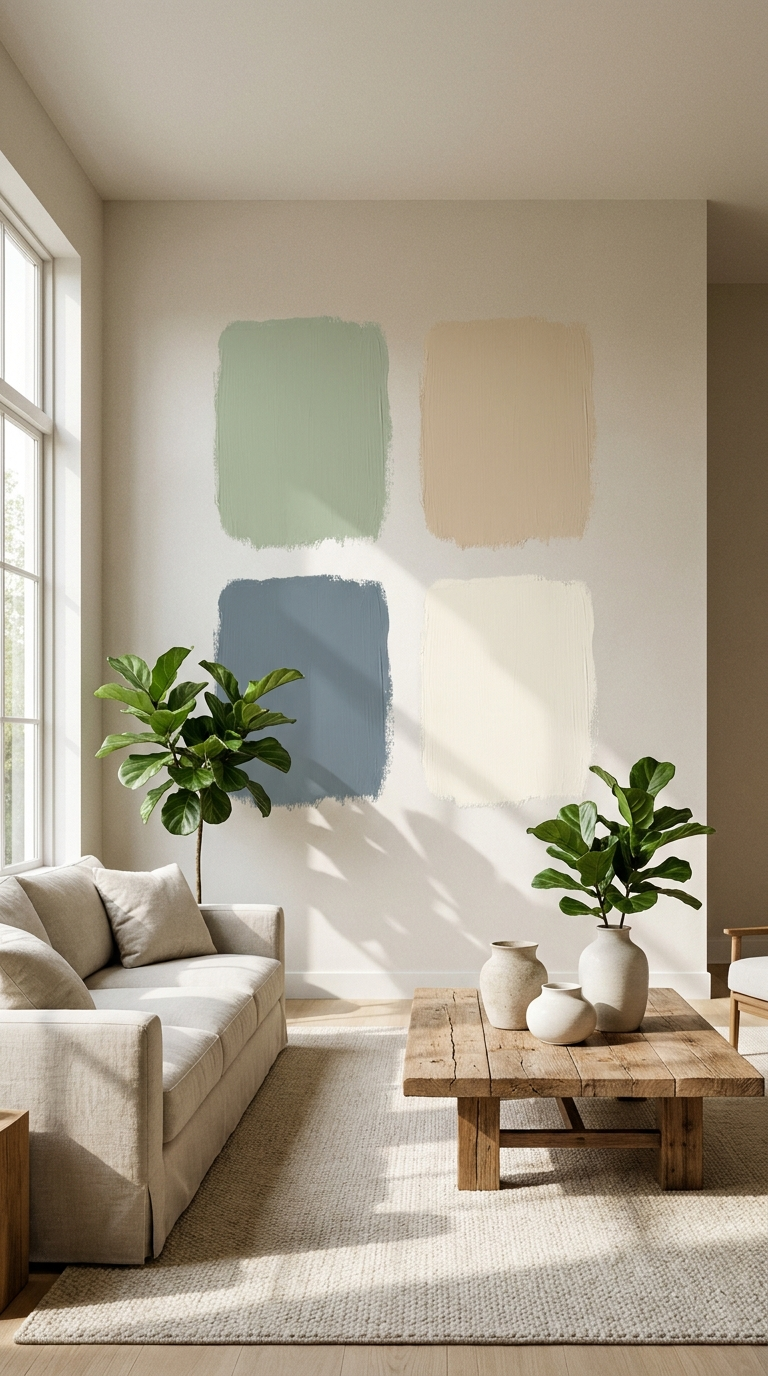
If you want to skip the agonizing trial-and-error process entirely, here are four timeless, luxury-approved paint shades used repeatedly by decorators. These colors are highly stable and resist flashing unexpected, ugly undertones under shifting lights.
| Color Vibe | Design Style | HEX Code | The Secret Sauce |
| Creamy Serenity | Soft & Warm White | #F4F0EA | A cozy, welcoming white with a hint of beige. It completely avoids that clinical, cold, sterile hospital look. |
| Balanced Greige | Modern Minimalist | #D1C7BD | The ultimate chameleon. It blends gray and beige perfectly, adapting seamlessly to changing light profiles. |
| Deep Saddle Brown | Luxury Accent | #885130 | An organic, rich tone that adds instant high-contrast luxury behind beds or on custom room woodwork. |
| Slate Charcoal | Moody Executive | #4A4E51 | A dramatic, deep charcoal perfect for home offices or media rooms to get that premium boutique hotel aesthetic. |
Pro Tips: for Beginners — From Choosing to Buying
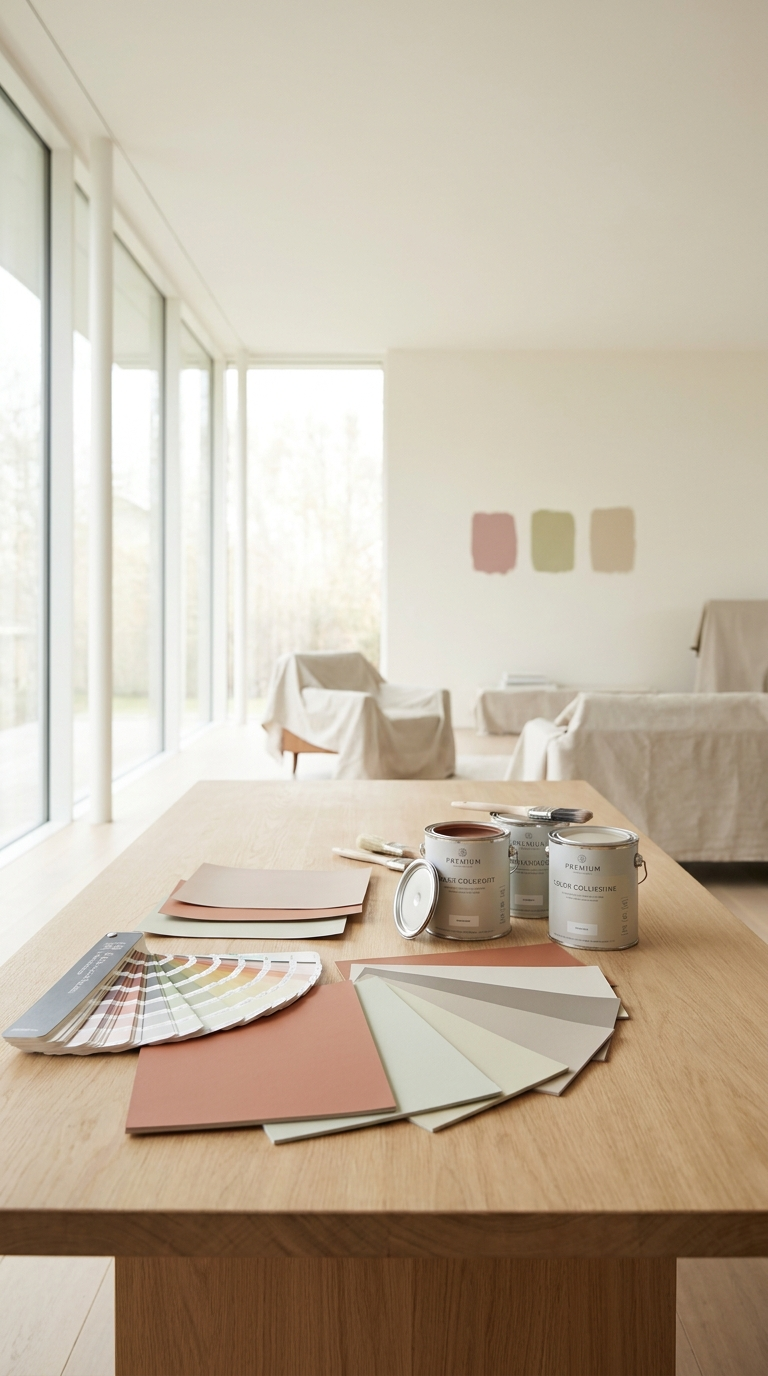
The paint finish is really important because it changes how the light reflects off the wall and how easy it is to clean the wall on. If you choose an matte finish it will hide the imperfections on the wall but it is going to be harder to wipe clean when it gets dirty.
Eggshell and satin finishes are pretty nice because they give you a look and they are also durable. Semi-gloss and gloss finishes are very shiny. They are very easy to wash which makes them perfect for kitchens and bathrooms where things can get really messy.
When you are comparing shades of paint it is a good idea to stick to one brand so that the undertones are consistent. The problem, with brands is that they may call the same color by different names or they may mix it slightly differently.
So before you buy a gallon of paint ask for a small sample first. Most stores offer samples of paint that are very affordable and they can save you a lot of money and stress in the long run because you can test the paint finish and the color before you commit to buying a lot of it.
Final Thoughts
Think back, to a room that made you feel relaxed or happy the moment you walked in. The color of the walls probably played a part in making you feel that way. You do not have to do what everyone else is doing. The best color is the one that makes you happy every time you see it.
Take your time. Try out different colors. Remember that paint is easy to change if you need to. Changing the paint is one of the ways to make a house feel like a home.
With this guide you have everything you need to choose a color that you will like. You will enjoy picking colors that make your space feel like it belongs to you.