Figuring out exactly how much to spend on home decor is usually the most stressful part of moving into a new place. You want your house to look like a magazine spread without completely draining your savings account during the very first month.
Most homeowners make the mistake of buying everything at once from a single big-box store just to fill empty space quickly. This rushed strategy almost always leads to massive buyer’s remorse and cheap furniture that falls apart within a few short years.
The secret to creating a beautiful space lies in understanding exactly which items deserve your hard-earned cash and where to save. Breaking down your budget room by room eliminates the overwhelming anxiety and gives you a clear roadmap for purchasing over time.
We are pulling back the curtain on actual retail costs to help you set realistic financial expectations for your interior design project. Let us explore exactly how to allocate your funds so you can build a comfortable, stylish home that actually lasts.
Quick Reference Statistics: Average Home Decor Spending
| Room / Area | Average Spending Range | Percentage of Budget | Key Investment Pieces |
|---|---|---|---|
| Living Room | $3,000 – $15,000 | 35% | Sofa, Area Rug, Lighting |
| Primary Bedroom | $3,000 – $10,000 | 25% | Mattress, Bed Frame, Dresser |
| Dining Room | $2,000 – $8,000 | 15% | Dining Table, Chairs, Chandelier |
| Guest Bedroom | $1,500 – $4,000 | 10% | Bed, Nightstands, Linens |
| Home Office= | $1,000 – $5,000 | 10% | Ergonomic Chair, Desk |
| Kitchen/Bath Accents | $500 – $2,000 | 5% | Hardware, Counter Stools, Decor |
The Truth About Decor Budgets in American Homes
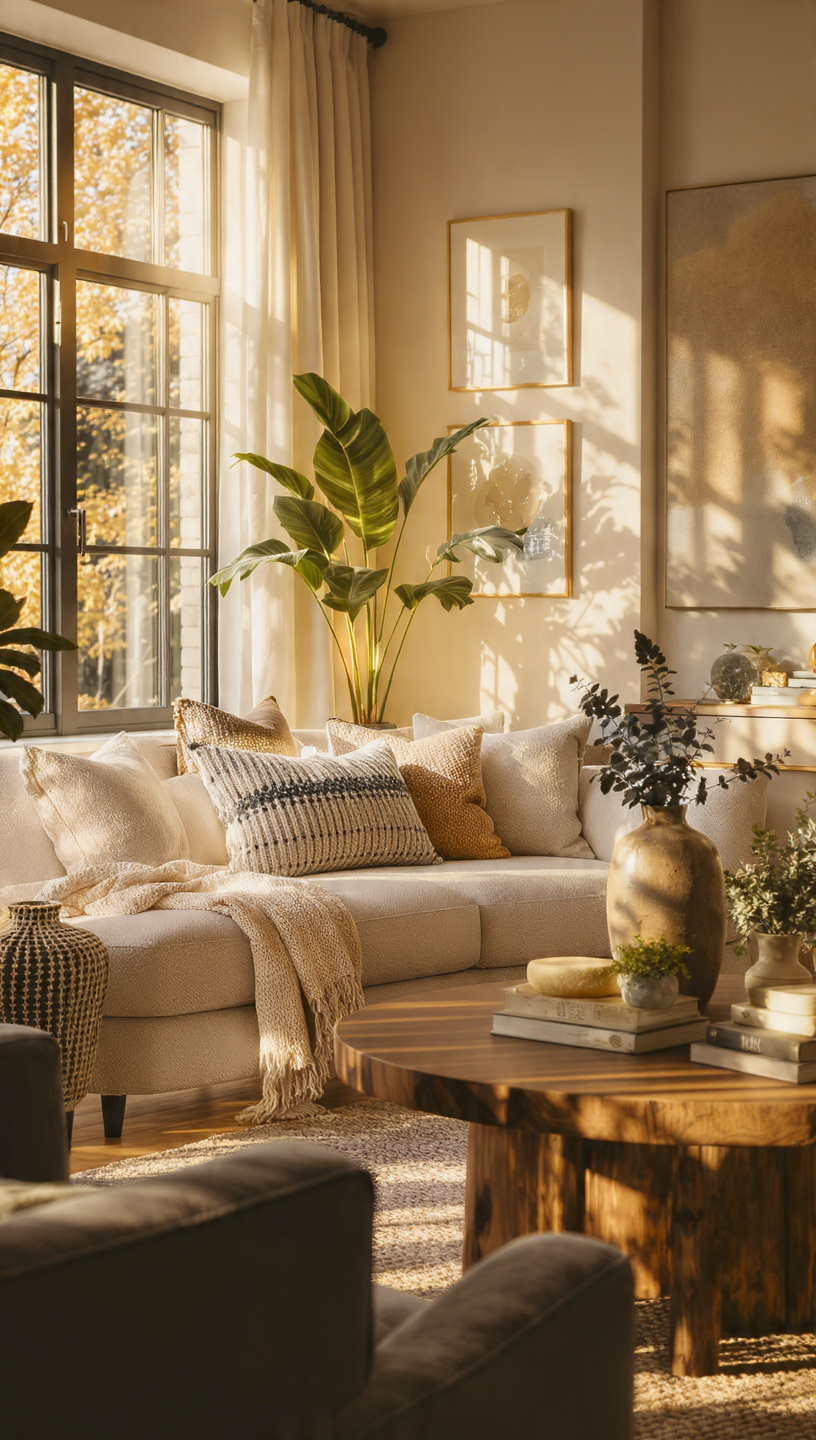
Many new homeowners completely underestimate the actual financial commitment required to fully transform empty rooms into cohesive, functional living spaces. The initial excitement of closing on a property often overshadows the stark reality of current retail furniture pricing across the country.
Walking through empty hallways quickly brings the realization that buying the house was only the very first step in the journey. Creating that comfortable environment you envisioned on Pinterest requires a strategic financial plan and a clear understanding of current market costs.
Industry professionals typically recommend calculating your initial interior design budget based directly on the total purchase price of your newly acquired property. This baseline gives you a grounded starting point rather than pulling arbitrary numbers out of thin air while scrolling online catalogs.
We are going to break down exactly how those percentages translate into real dollars across every single room in your house. You will leave this guide knowing exactly where to invest your hard-earned cash and where you can safely cut corners today.
Applying the Ten to Twenty Percent Home Value Rule
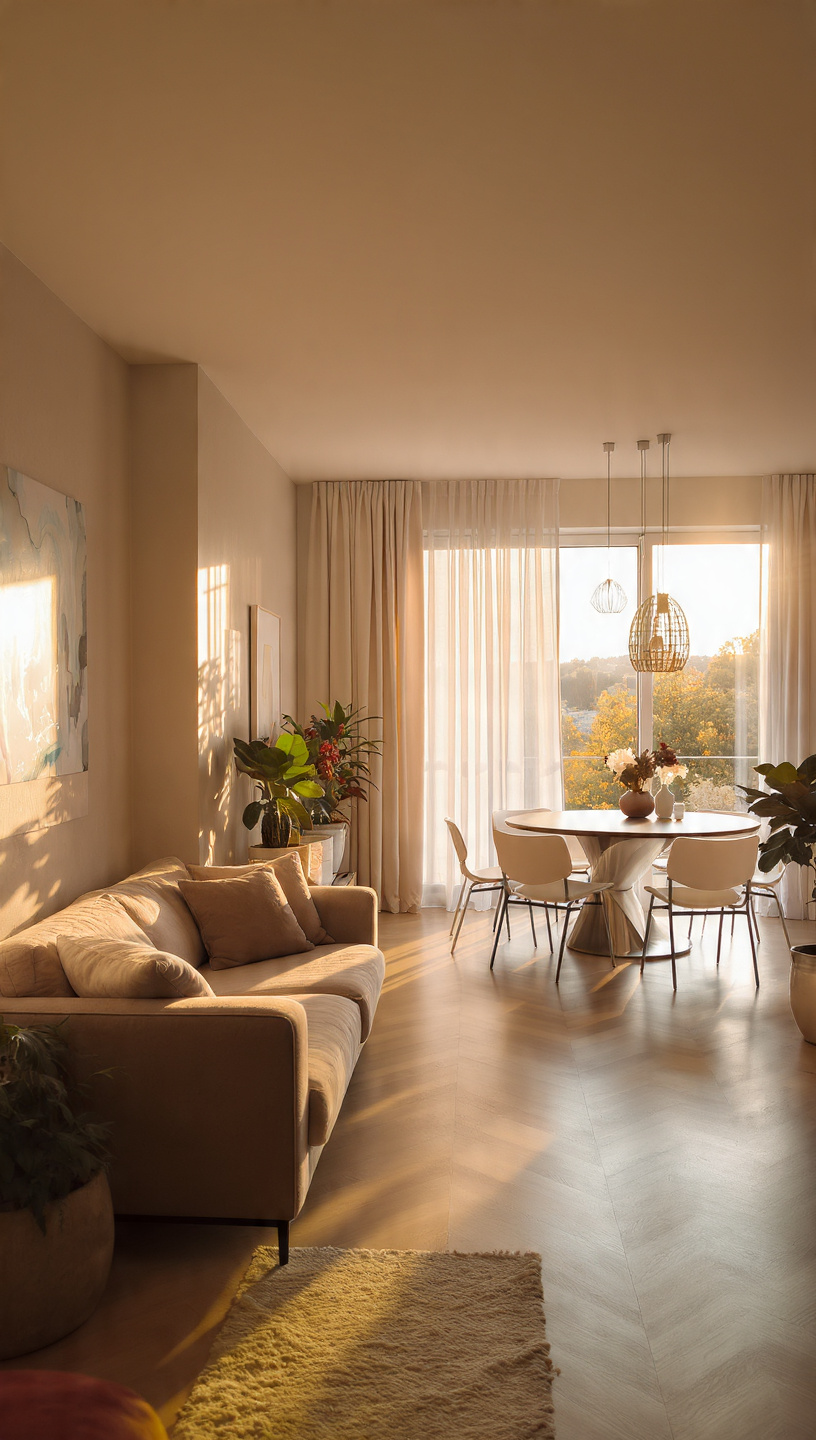
If you recently purchased a three hundred thousand dollar home, your furnishing budget should realistically fall between thirty and sixty thousand dollars. This might sound intimidating at first glance, but buying quality items that last an entire decade justifies this substantial initial investment.
You do not need to spend this entire amount during your first month of living in the new house. Spreading these purchases over your first two years allows you to prioritize essential living areas while slowly curating pieces you genuinely love.
People who try to furnish an entire four-bedroom house for under five thousand dollars usually end up replacing everything within three years. Cheap particleboard furniture simply cannot withstand the daily wear and tear of a busy American family navigating their regular routines.
Focusing your initial spending power on the rooms where you spend the most active time guarantees an immediate improvement in daily comfort. Once the main spaces feel complete, you can gradually allocate funds toward secondary areas like guest rooms and formal dining spaces.
Breaking Down the Fifty Forty Five Five Strategy
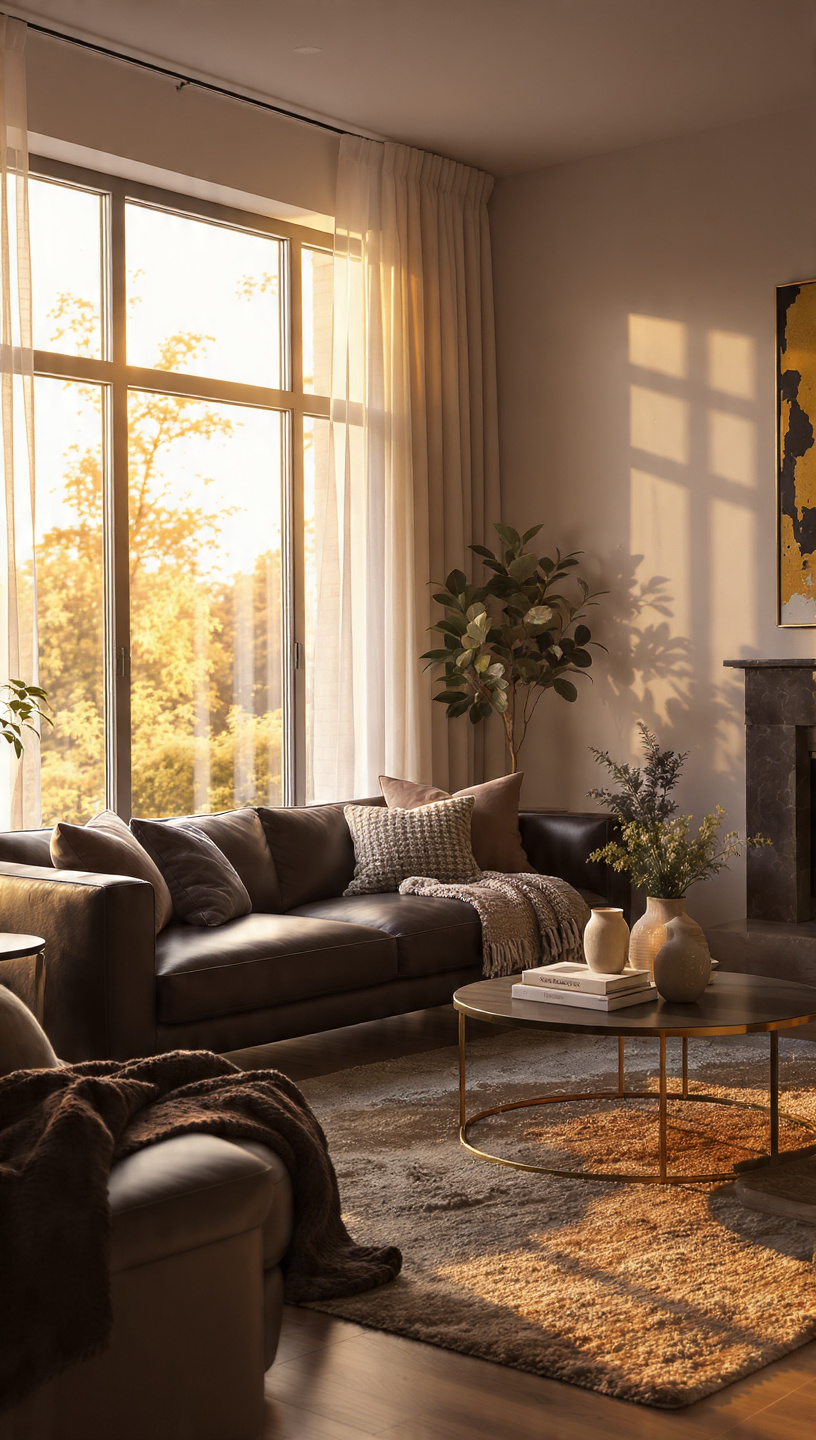
When organizing your overall budget, interior designers often rely on a specific percentage breakdown to keep spending completely balanced and predictable. Fifty percent of your funds should go directly toward furniture and decor items that physically fill the rooms of your home.
Forty-five percent is usually reserved for services, construction, custom built-ins, painting, and professional labor needed to upgrade the space. Even if you plan on doing some painting yourself, you still need to allocate a significant chunk of money for raw materials.
The final five percent serves as an essential contingency fund for unexpected costs, shipping fees, taxes, and surprise delivery surcharges. Having this protective buffer prevents you from maxing out your credit cards when a custom sofa requires expensive specialized delivery equipment.
Following this strict allocation prevents the common mistake of blowing your entire budget on a beautiful couch while forgetting about window treatments. A visually balanced room requires attention to everything from the floor rugs up to the ceiling light fixtures and crown molding.
Real Numbers for Furnishing the Living Room Space
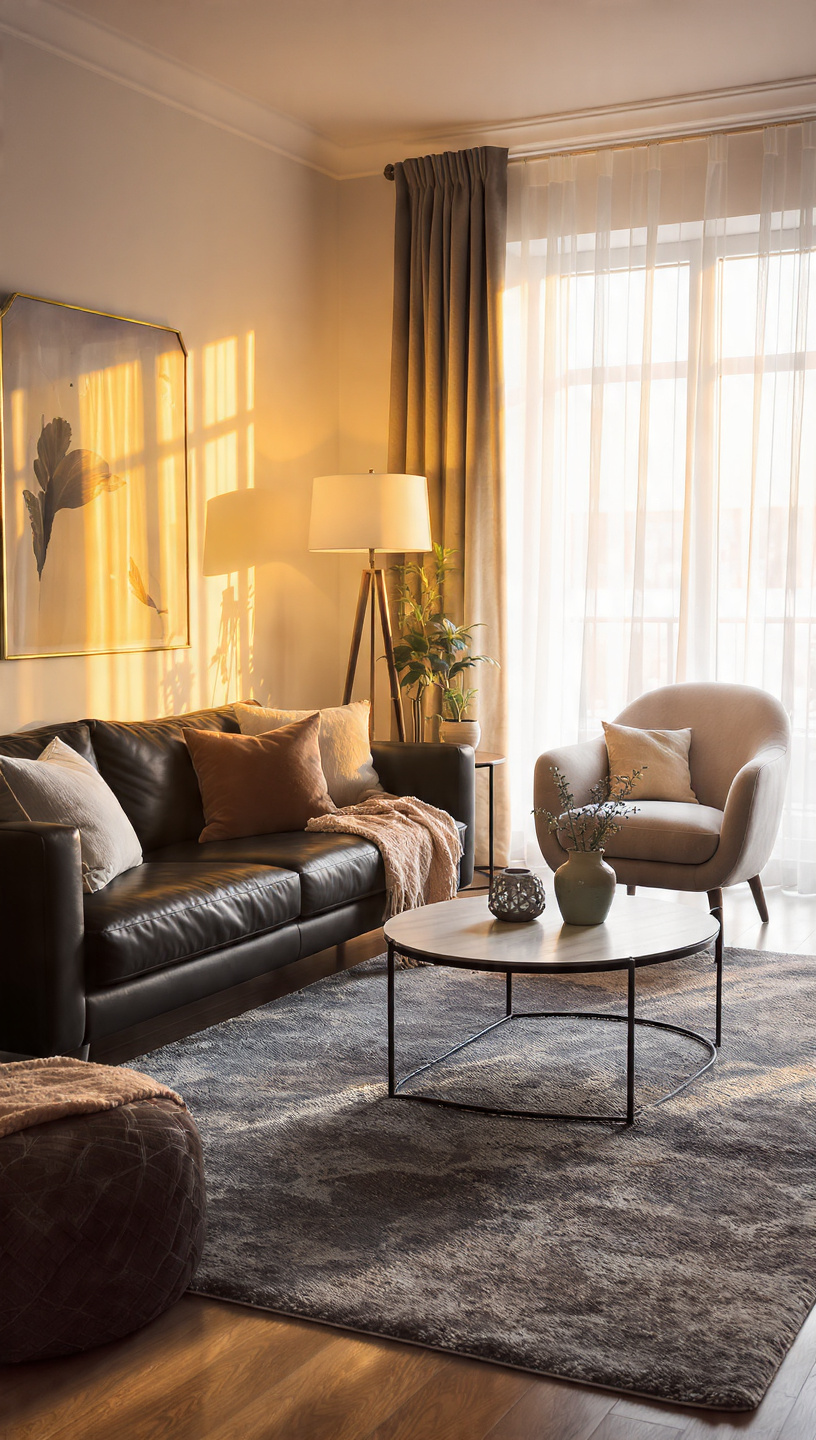
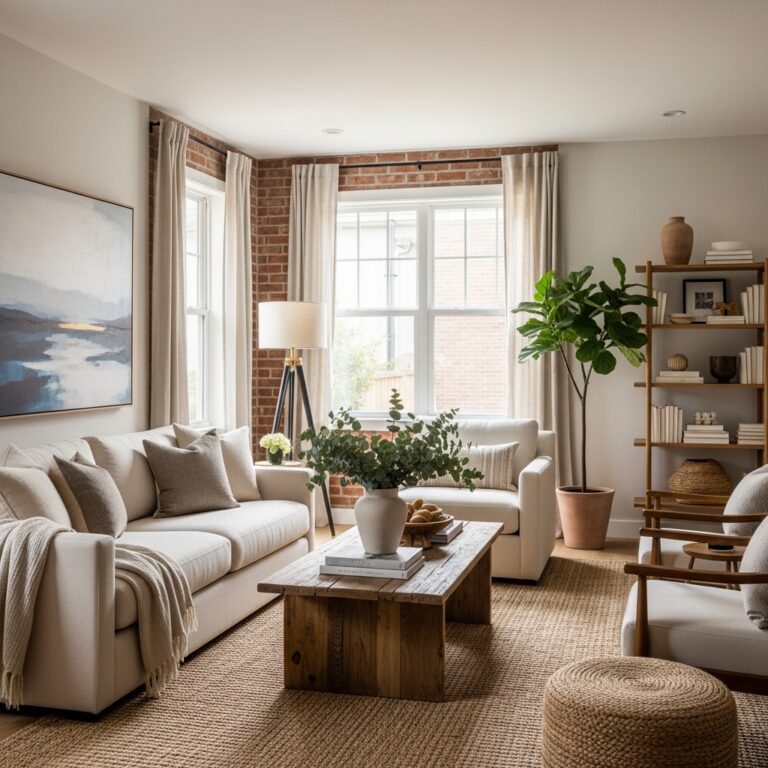
Your living room demands the largest chunk of your decorating budget because it serves as the central gathering hub for everyone. Furnishing this space completely from scratch typically requires an investment anywhere between three thousand and fifteen thousand dollars for mid-range quality.
This wide price range accounts for the massive difference between buying factory-direct flat-pack furniture versus selecting custom-upholstered designer pieces. Most families find their sweet spot right around the seven thousand dollar mark to achieve durability without completely draining their savings.
The layout of your specific living room dictates exactly how many major pieces of furniture you will actually need to purchase. A massive open-concept great room requires significantly more seating and larger rugs to prevent the furniture from looking awkwardly small.
Never rush the process of selecting the items for this high-traffic area just to fill the empty floor space quickly. Taking the time to measure your floor plan ensures you buy pieces perfectly scaled for entertaining friends and relaxing after work.
Why the Sofa Takes Up Most of Your Budget
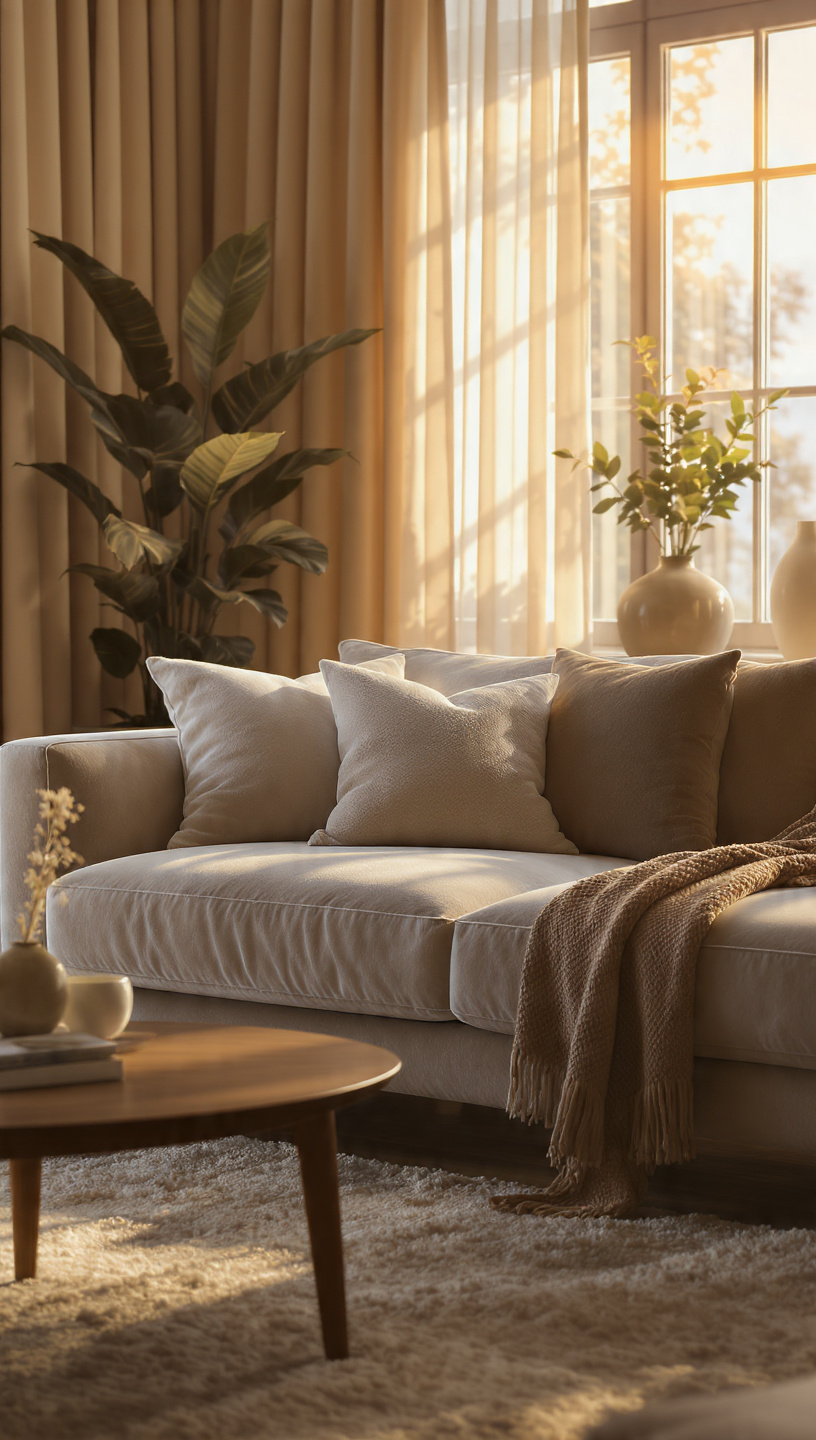
The sofa is arguably the most important piece of furniture you will ever purchase for your primary daytime living environment. You should expect to spend roughly two to four thousand dollars on a quality sectional that will survive years of movie nights.
Cheaping out on living room seating always leads to flat cushions, creaking frames, and ripped upholstery within the first twelve months. A high-quality frame built from kiln-dried hardwood guarantees your couch will maintain its structural integrity through thousands of hours of lounging.
Performance fabrics are absolutely essential for any household dealing with shedding pets, messy toddlers, or regular weekend entertaining with friends. Spending an extra few hundred dollars on stain-resistant upholstery saves you from constantly scrubbing spots or buying replacement slipcovers every season.
Consider the depth and cushion density carefully before swiping your credit card for such a massive financial commitment. A piece of furniture can look incredibly stunning on a Pinterest board while remaining completely uncomfortable for actual daily human use.
Layering Living Room Accents Without Breaking the Bank
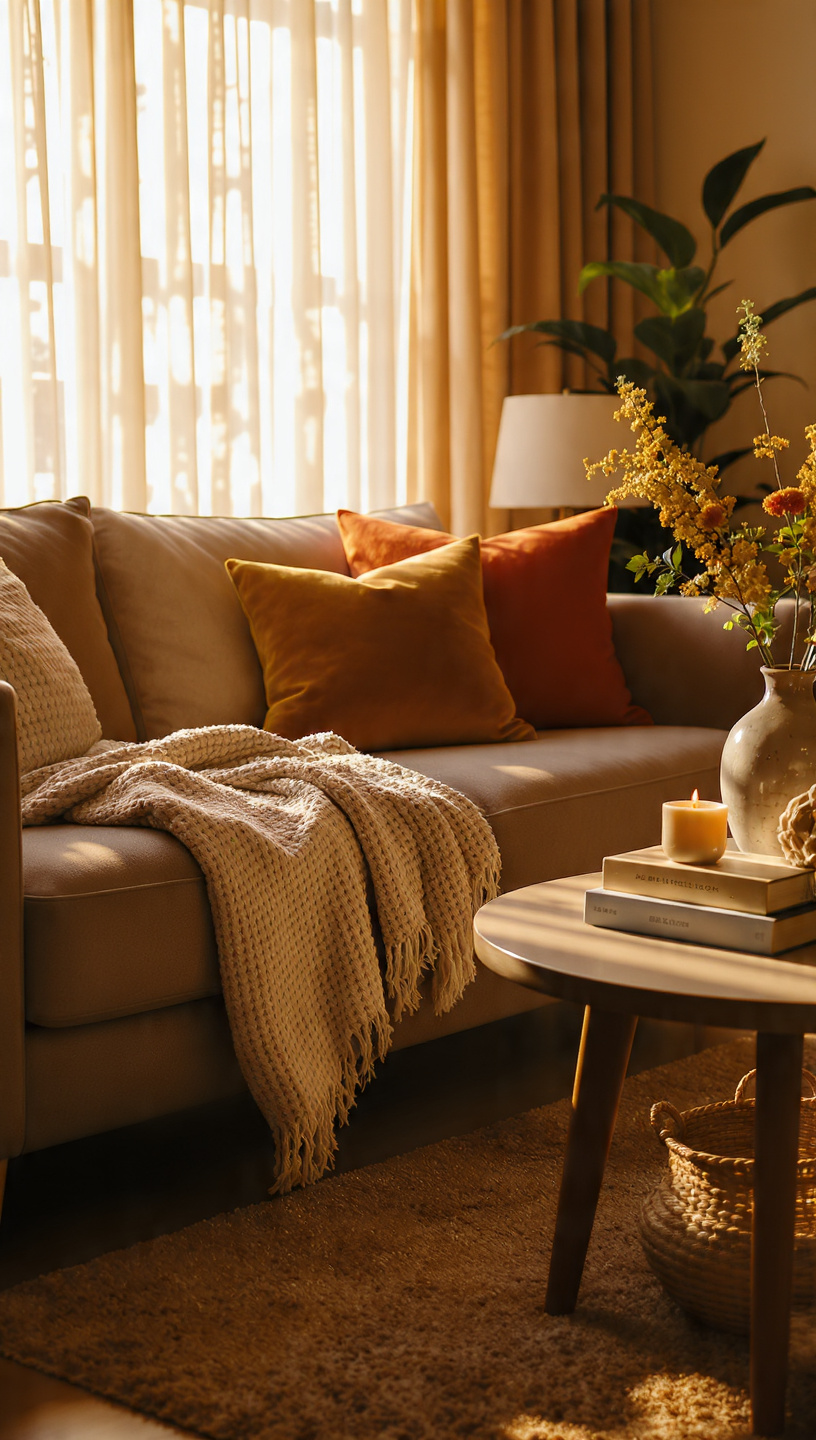
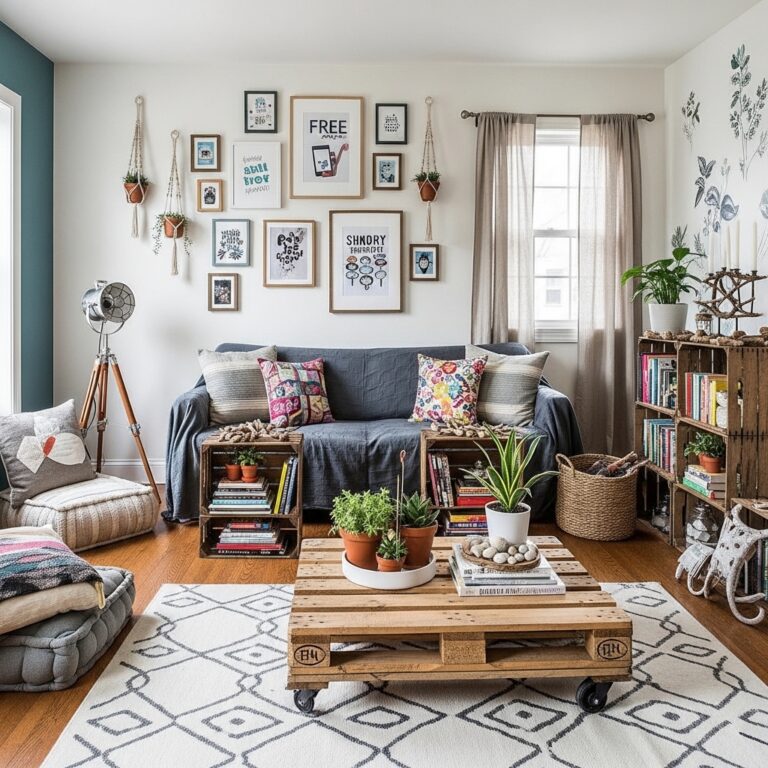
Once your major anchor seating is secured, you can start bringing the room to life with carefully selected decorative accents. You can easily save hundreds of dollars by sourcing vintage side tables or upcycling older coffee tables with fresh wood stain.
Area rugs ground the entire seating arrangement, but high-quality wool rugs easily cost well over one thousand dollars at retail stores. To save money without sacrificing the aesthetic, consider layering a smaller patterned vintage rug over a large, inexpensive natural jute rug.
Window treatments instantly elevate the visual value of the room and make standard ceiling heights appear much more grand and expensive. Hanging affordable curtain panels close to the ceiling line creates a sophisticated custom look without the massive price tag of tailored drapery.
Throw pillows and heavy blankets offer the easiest way to inject seasonal colors and varying textures into your baseline neutral design. Buying inexpensive pillow inserts and swapping out high-quality covers allows you to refresh the entire room for under a hundred dollars.
The True Cost of Upgrading the Primary Bedroom
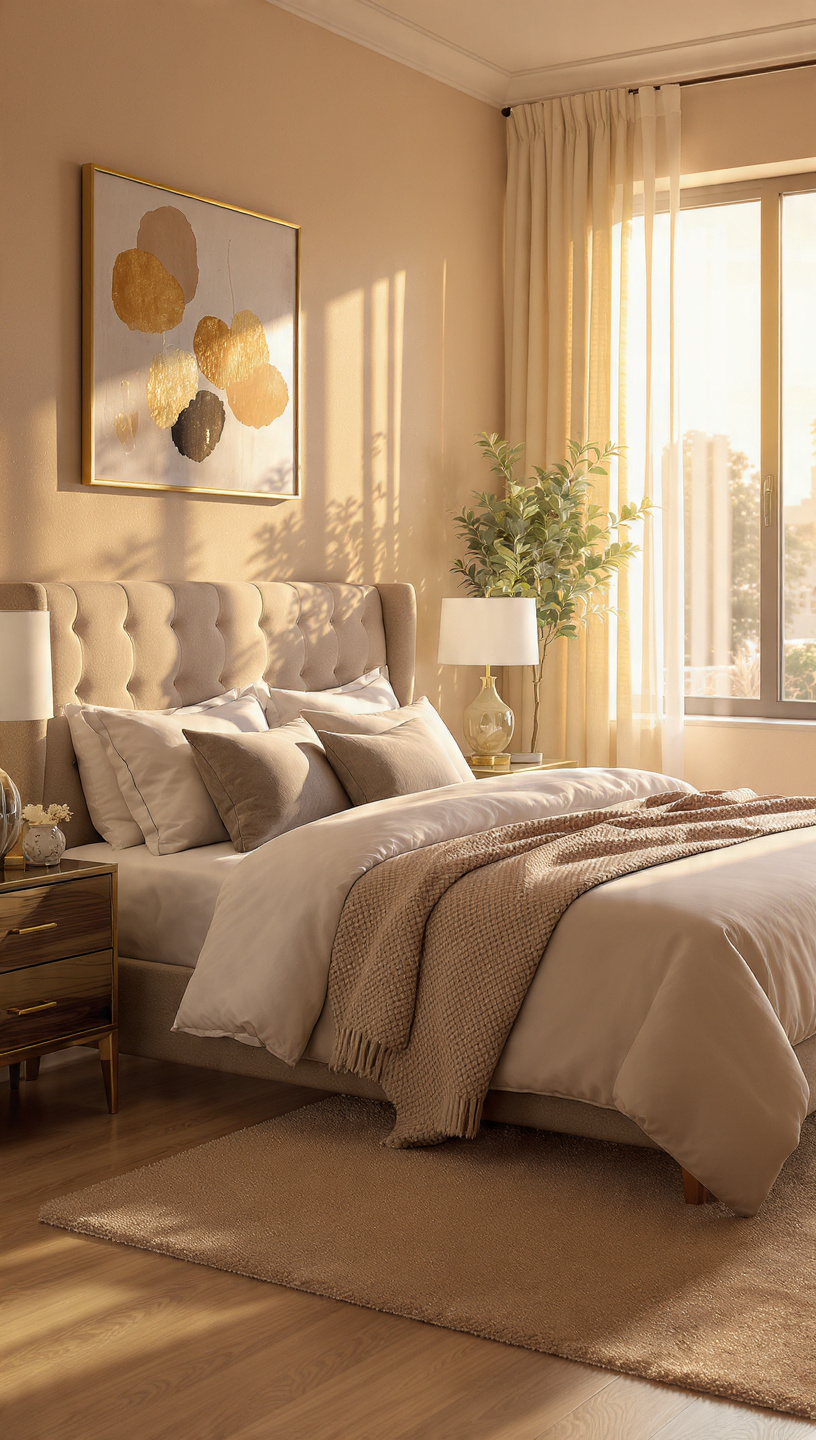
The primary bedroom should serve as your ultimate private sanctuary away from the chaotic energy of the rest of the house. Creating a truly restful environment requires an average investment of three to eight thousand dollars for high-quality, durable bedroom furnishings.
Many people make the critical mistake of neglecting their own bedroom budget because guests rarely see this private area of the home. However, starting and ending your day in a beautifully curated space drastically improves your overall mood and daily mental well-being.
Your budget must cover significantly more than just the bed itself if you want the room to feel finished and intentional. Two matching nightstands, a spacious dresser, ambient lighting, and blackout window treatments are absolutely non-negotiable for a fully functional adult bedroom.
You can save considerable money here by mixing and matching furniture pieces instead of buying a complete, pre-packaged matching bedroom set. Blending wood tones and textures creates a much more expensive, custom-designed aesthetic than identical mass-produced nightstands and dressers.
Investing in Your Mattress and Anchor Furniture
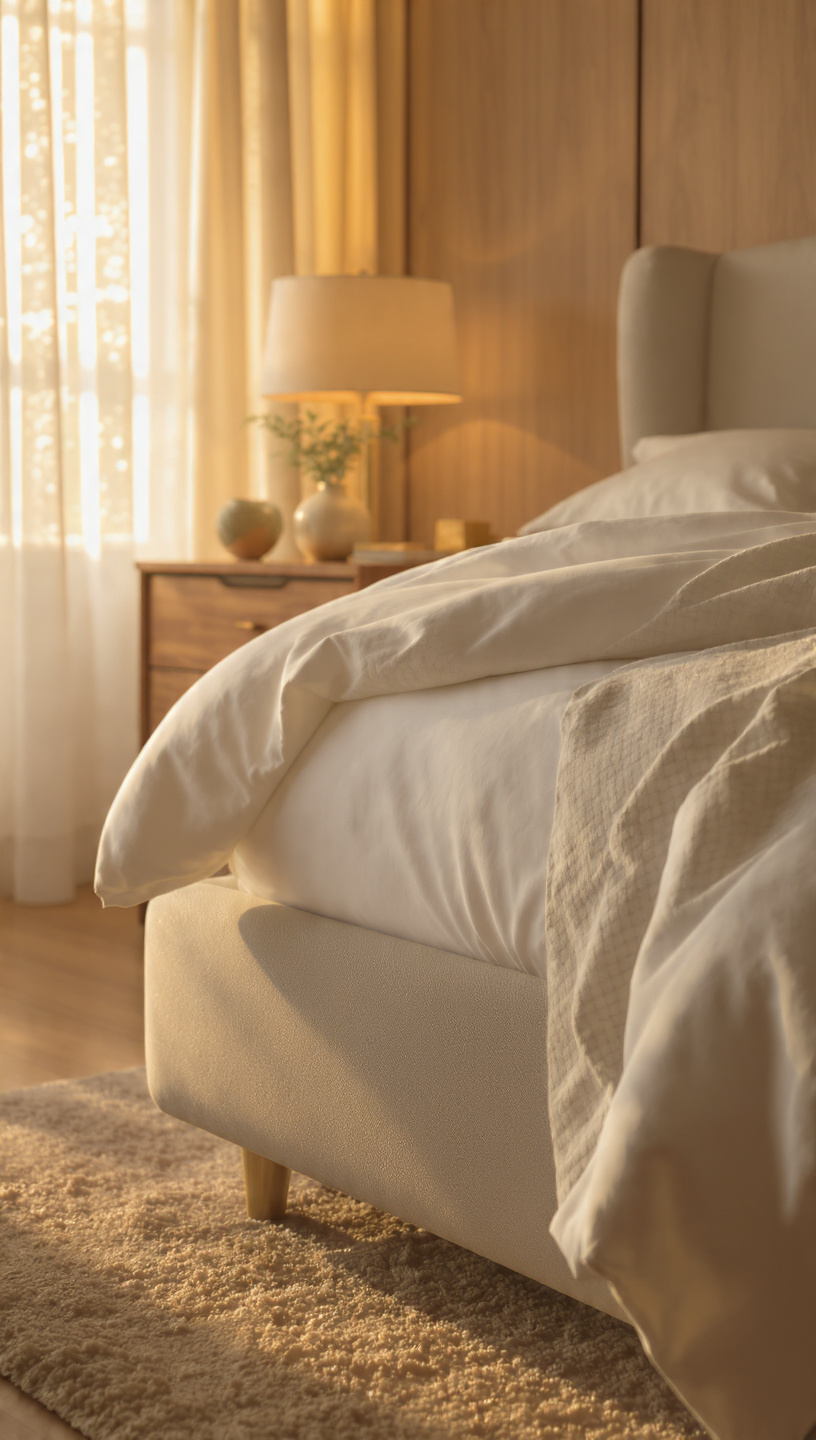
You will spend roughly one-third of your entire life sleeping, making the mattress the most justifiable major expense in your home. A premium mattress easily commands between one and three thousand dollars, but the health benefits of deep sleep are completely invaluable.
Do not let a beautiful, trendy bed frame distract you from the actual structural support required for a heavy modern mattress. Solid wood frames provide the necessary stability to prevent annoying squeaks every single time you roll over in the middle of the night.
When selecting your dressers and storage pieces, always check the construction of the drawers before committing to a purchase. Dovetail joints and smooth metal glides indicate a piece of furniture that will actually survive decades of daily opening and closing.
If your budget is currently stretched thin, prioritize the mattress and frame immediately while using temporary solutions for your clothing storage. You can easily upgrade to a luxury hardwood dresser next year when your financial situation recovers from the initial home purchase.
Styling the Bedroom for a Luxury Hotel Feel
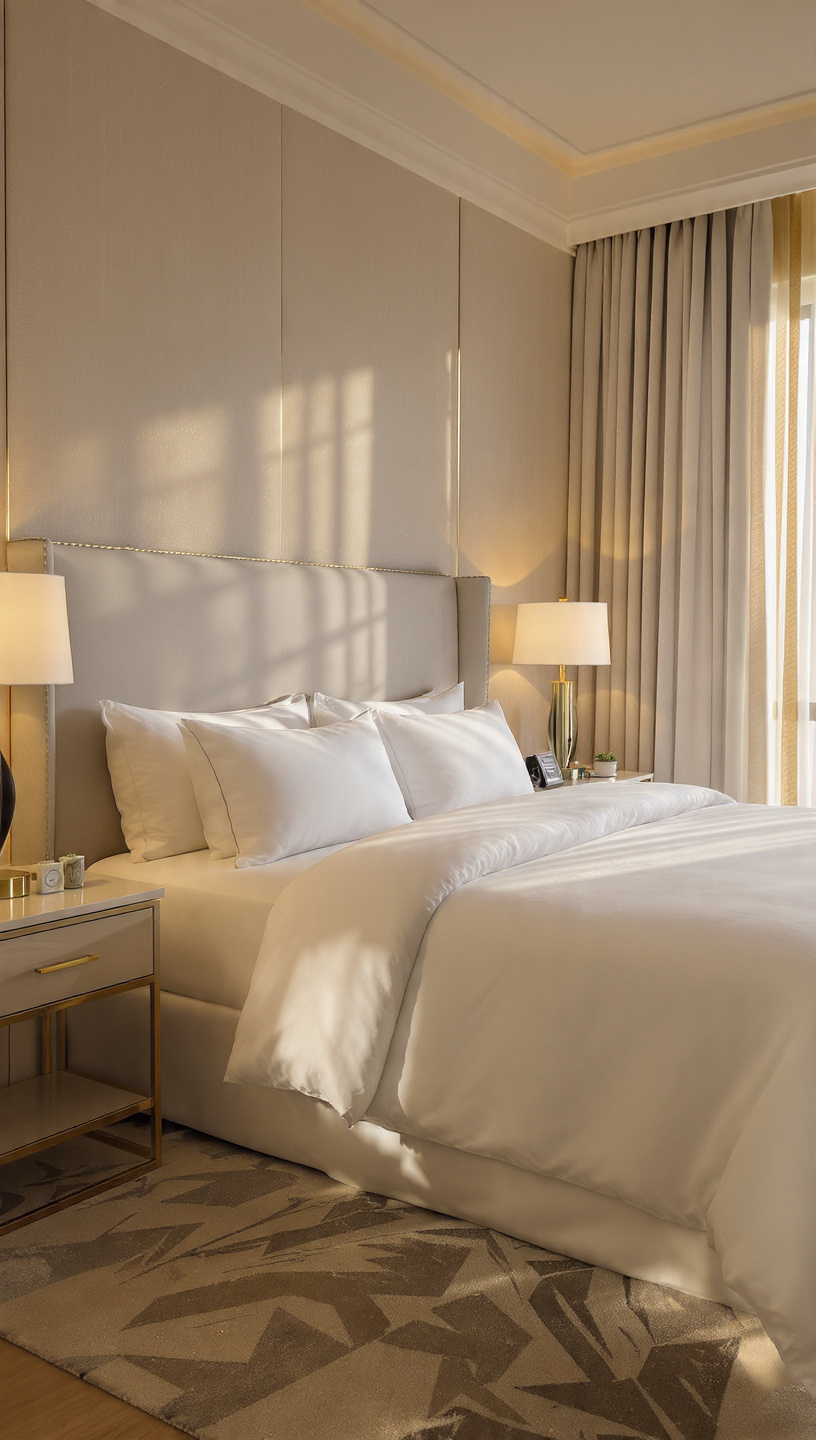
Achieving that highly coveted boutique hotel aesthetic relies heavily on layered bedding and strategic ambient lighting rather than expensive major furniture. Investing in high-thread-count percale cotton sheets provides an immediate daily luxury that costs significantly less than a new piece of art.
Layering a heavy duvet, a textured quilt, and several decorative sleeping pillows creates that plush, inviting look you see in magazines. You can find incredible deals on premium bedding components during major holiday weekend sales at reputable department stores and online retailers.
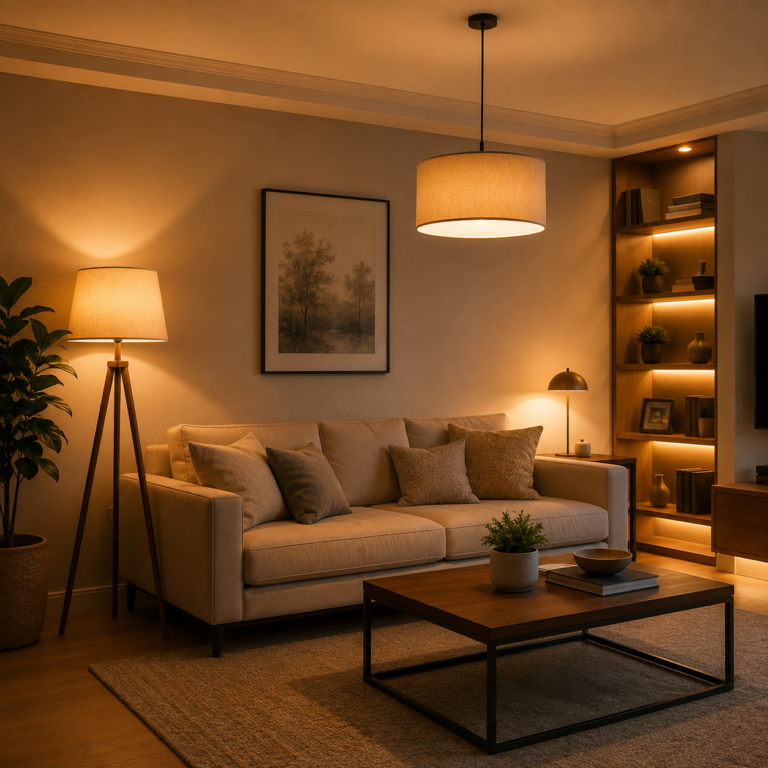
Overhead lighting is generally too harsh for a bedroom environment designed strictly for evening relaxation and peaceful morning routines. Installing plug-in wall sconces above your nightstands clears up valuable tabletop space while providing the perfect warm glow for reading books.
A large area rug placed halfway under the bed frame ensures your feet hit a soft, warm surface every single morning. Synthetic blend rugs work perfectly fine in bedrooms since they experience far less muddy foot traffic than your main entry hallways.
Budgeting Realistically for the Dining Room Area
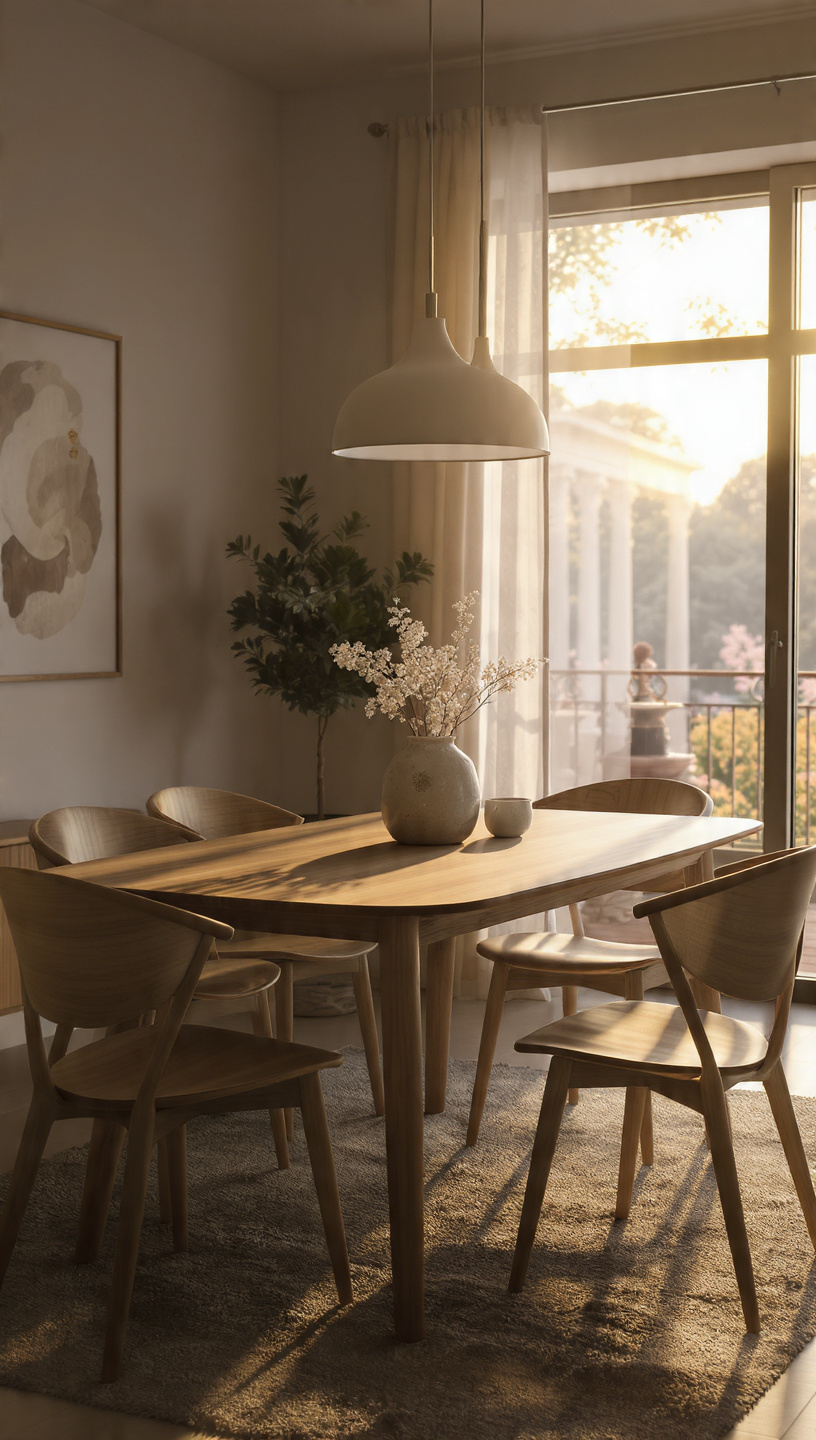
Furnishing a dedicated dining room completely from scratch usually costs the average American homeowner somewhere between two and seven thousand dollars. This room often sits completely empty for the first year because buying a massive table feels incredibly overwhelming right after moving.
The exact cost of this space depends entirely on whether you entertain large groups or prefer intimate family dinners on weeknights. A massive table capable of seating twelve people requires significantly more floor space and a much larger financial commitment for seating.
If you rarely host formal holiday dinners, you might consider converting this square footage into a more functional daily living space. A high-quality breakfast nook setup costs a fraction of a formal dining room and gets utilized by the family every single morning.
For those who do need a formal space, prioritize spending your money on a table constructed entirely from solid, durable hardwoods. Veneers peel easily over time, whereas solid wood tables can be sanded down and completely refinished decades into the future.
Choosing a Dining Table That Survives Daily Life
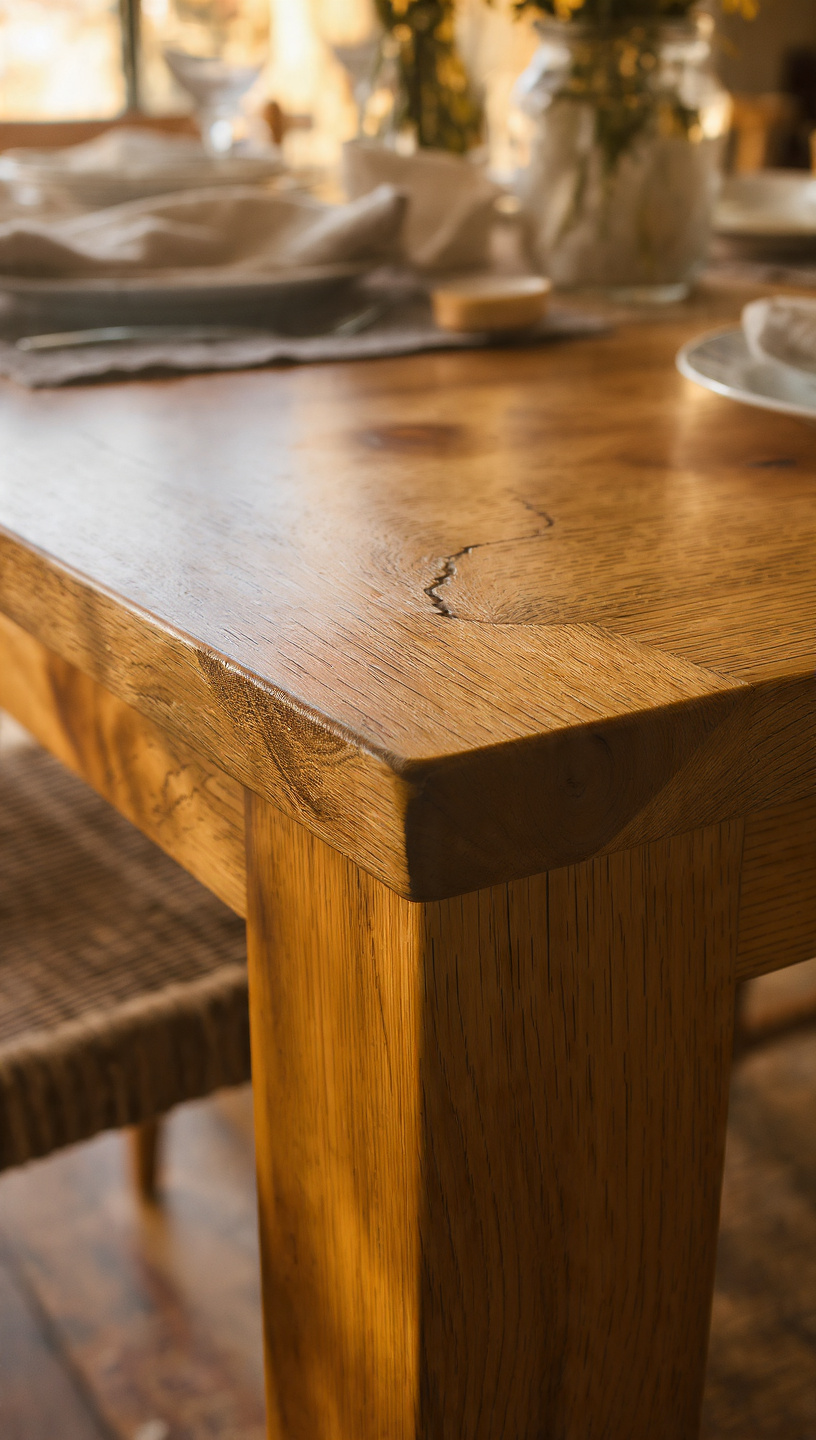
Your dining table must withstand hot plates, spilled drinks, heavy homework assignments, and aggressive scrubbing without losing its visual appeal. Spending two thousand dollars on a solid oak or walnut table guarantees a piece of furniture that outlasts your mortgage payments.
Extendable tables offer incredible versatility for growing families who occasionally need to host massive holiday gatherings during the winter months. Just make sure the extension mechanism operates smoothly and is built from heavy-duty metal rather than cheap plastic components that snap.
Dining chairs quickly consume your budget because you have to purchase six to eight of them simultaneously to complete the set. While upholstered chairs look incredibly elegant, they require constant spot cleaning and professional maintenance if you have young children or pets.
Mixing an expensive, beautiful wooden table with highly affordable, easy-to-wipe metal or molded plastic chairs creates a stylish modern aesthetic. This high-low budget strategy allows you to secure the heirloom table now while easily upgrading the seating whenever finances allow.
Kitchen Styling Updates That Increase Home Value
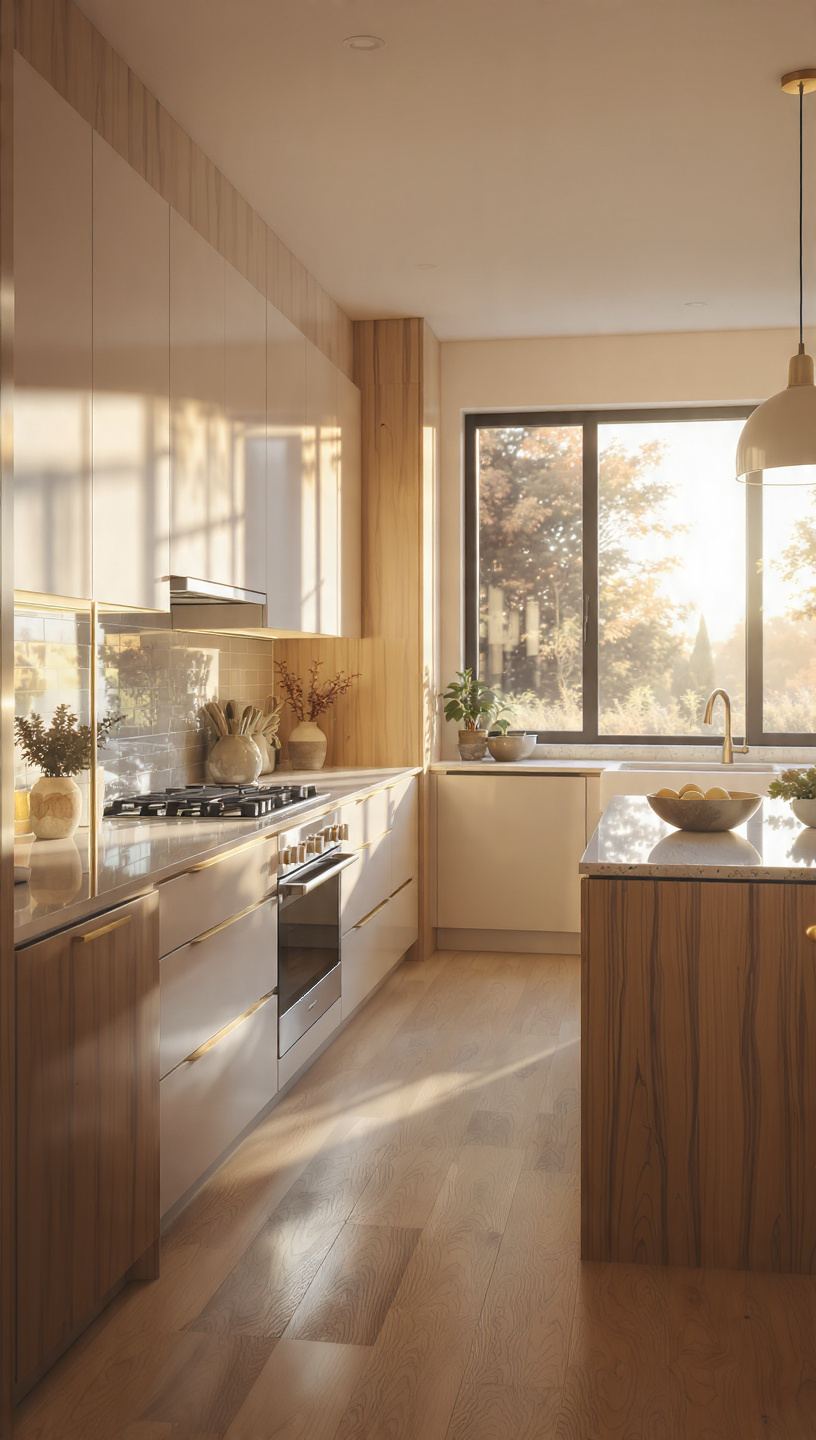
Even if you cannot afford a massive forty-thousand-dollar structural kitchen renovation, you still need a budget for cosmetic styling and accessories. Setting aside five hundred to fifteen hundred dollars allows you to dramatically modernize the hardest-working room in your entire house.
Replacing cheap builder-grade cabinet hardware with heavy brass or matte black pulls instantly elevates the entire visual profile of the kitchen. This single afternoon project costs a few hundred dollars but makes generic cabinetry look incredibly custom and significantly more expensive.
If your kitchen features an island, comfortable counter stools are absolutely essential for creating a casual gathering spot for family breakfasts. Good quality leather or solid wood stools typically run between two and four hundred dollars per individual chair at retail pricing.
Do not forget to budget for beautiful organizational elements like matching glass storage jars, wooden cutting boards, and stylish countertop appliances. These functional styling pieces serve double duty by keeping your workspace completely organized while acting as intentional decorative accents.
Bathroom Cosmetic Fixes for Immediate Impact
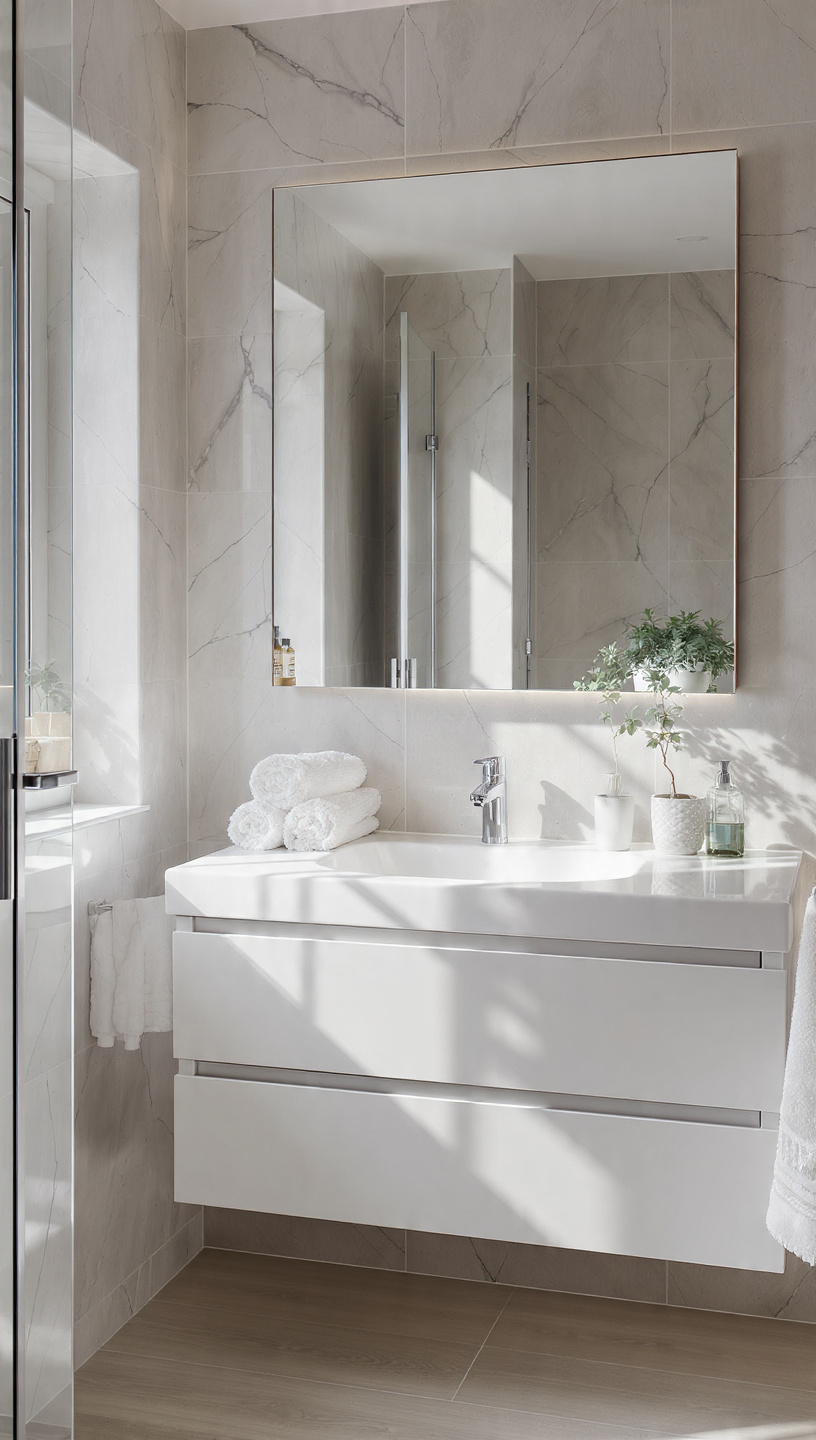
Upgrading the visual appeal of a primary or guest bathroom requires very little money compared to the main living areas. You can completely transform the aesthetic of a standard bathroom with a dedicated styling budget of under five hundred dollars.
Swapping out the basic mirror above the sink for a framed, decorative piece immediately removes that generic commercial bathroom feeling. Adding a modern vanity light fixture completely changes the ambiance and casts much more flattering light for your morning routine.
Invest in matching, high-quality plush towels and a heavy linen shower curtain to mimic the luxurious feeling of a high-end spa. These soft textiles absorb the harsh echoes found in tiled bathrooms and introduce necessary warmth to otherwise cold, hard surfaces.
Replacing the showerhead with a premium rainfall model costs less than a hundred dollars but drastically improves your daily living experience. These tiny, intentional upgrades prove that you do not need a massive construction budget to improve your home’s actual comfort level.
Setting Up a Remote Work Office on a Budget
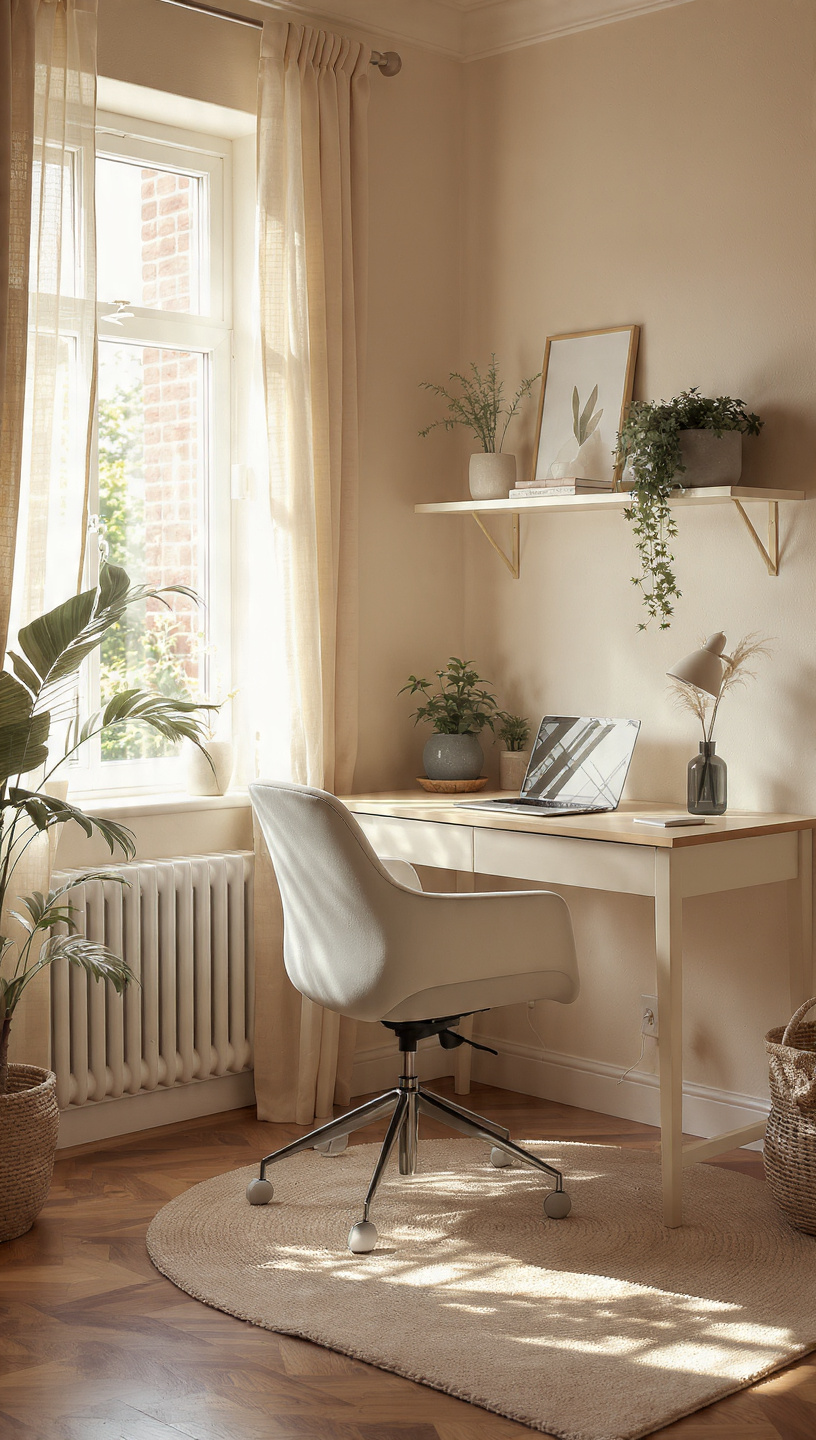
The shift toward permanent remote work has made the home office an absolutely critical space that requires a dedicated furnishing budget. Expect to spend between one and four thousand dollars to create a professional environment that prevents severe back pain over time.
Your top financial priority in this room must be a highly adjustable, ergonomically designed desk chair from a reputable office brand. Skimping on your desk chair to save money will inevitably cost you thousands of dollars in physical therapy and chiropractic bills.
A sturdy desk with enough surface area for multiple monitors and paperwork is the second most important investment in this space. Electronic standing desks have become incredibly affordable and help mitigate the serious health risks associated with sitting for eight hours daily.
Proper lighting prevents severe eye strain during long winter afternoons when natural sunlight completely disappears from your workspace by four oclock. A dedicated task lamp combined with soft ambient room lighting creates a professional background environment for your endless video conference calls.
Planning for Hidden Shipping and Assembly Costs
One of the fastest ways to destroy your carefully planned decor budget is completely ignoring the hidden costs of furniture delivery. Freight shipping for massive items like sofas and dining tables frequently adds two to four hundred dollars to your final checkout.
White-glove delivery service includes bringing the item inside, fully assembling the piece, and removing all the massive cardboard packaging from your property. While this service costs extra, it is absolutely essential if you live alone or cannot physically carry a heavy dresser upstairs.
State sales taxes also take a massive chunk out of your budget when you are purchasing several thousand dollars worth of goods. Always calculate an extra ten percent on top of the retail price to ensure you have enough cash for final checkout.
Never forget to budget for the small mechanical pieces like curtain rods, drywall anchors, picture hanging wire, and heavy-duty wall hooks. These minor hardware store purchases add up incredibly fast when you are trying to finish decorating three different rooms simultaneously.
Understanding When to Hire an Interior Designer
If managing massive budgets and coordinating furniture deliveries sounds completely exhausting, hiring a professional interior designer might save your sanity. Designers typically charge either a flat project fee, an hourly rate, or a specific percentage of your total furnishing budget.
While their fees require an upfront investment, experienced designers prevent you from making expensive structural mistakes that cost thousands to fix. They completely eliminate the overwhelming paralysis of choice by presenting you with a curated selection of items that fit your aesthetic.
Designers also grant you exclusive access to to-the-trade furniture showrooms and custom fabricators that the general public cannot normally access. The discounts they pass along on these premium commercial products often help offset the actual cost of their professional design fees.
If a full-service designer exceeds your current budget, consider booking a simple two-hour virtual consultation to review your personal floor plans. This affordable service provides you with a professional roadmap and gives you the confidence to execute the design entirely on your own.
Making Smart Long Term Decor Investment Choices
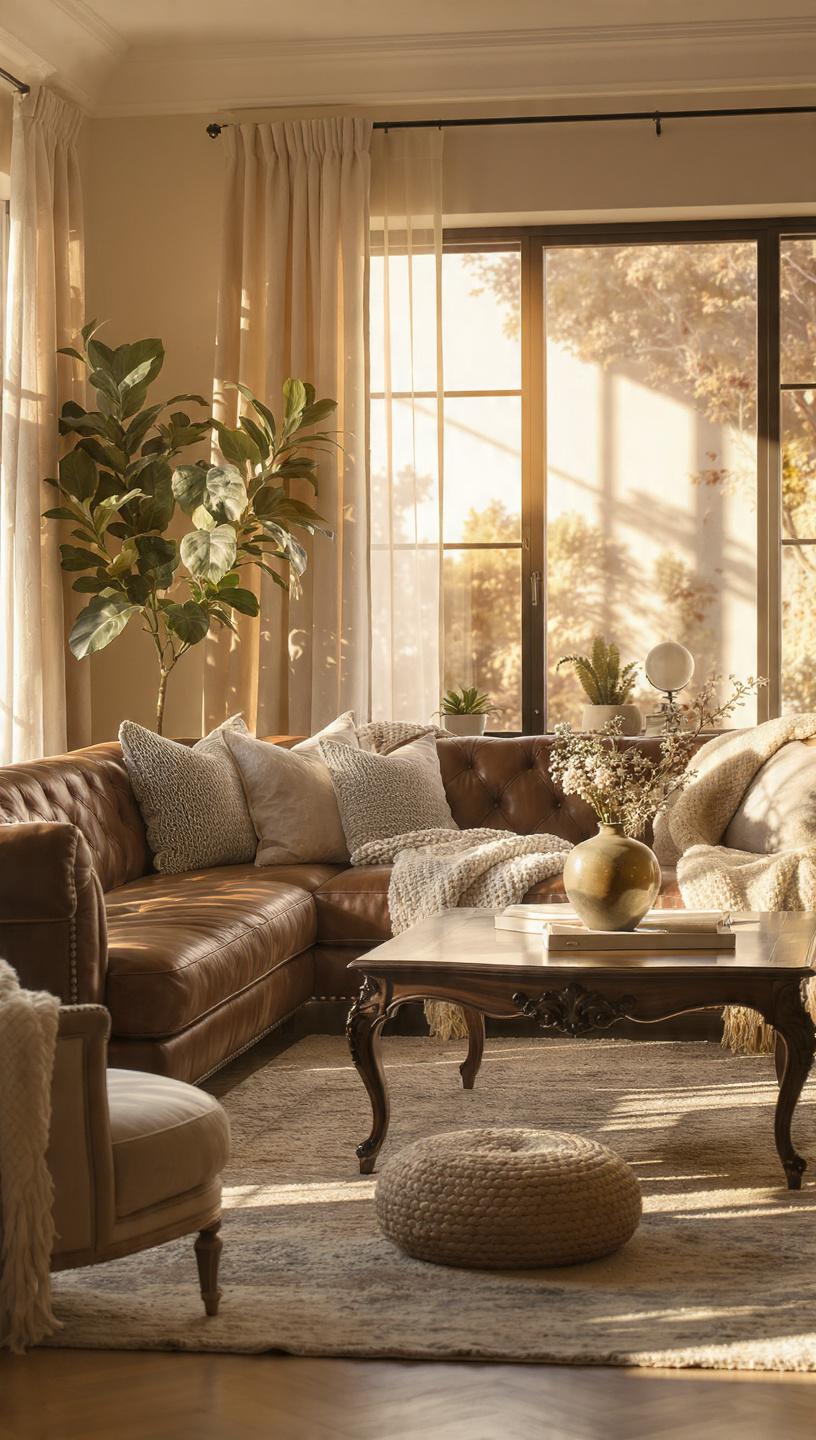
Furnishing your home is a marathon that requires intense patience rather than a massive sprint to fill every single empty corner. Living in a partially empty house for a few months teaches you exactly how you naturally move through the physical space.
Always prioritize purchasing high-quality foundational pieces that feature classic, timeless silhouettes rather than chasing whatever micro-trend is currently going viral. You can easily satisfy your desire for trendy aesthetics through inexpensive throw pillows, paint colors, and easily replaceable decorative tabletop accessories.
Track seasonal furniture sales aggressively around major holidays to save thousands of dollars on your largest required investments like mattresses and sectionals. Signing up for retail email newsletters grants you early access to massive clearance events that happen throughout the calendar year.
Your home should ultimately serve as a physical reflection of your personal journey rather than a sterile replica of a catalog. Take your time curating a space filled with durable, beautiful items that will comfortably support your family for decades to come.
Room-by-Room Budget & Style Recommendations
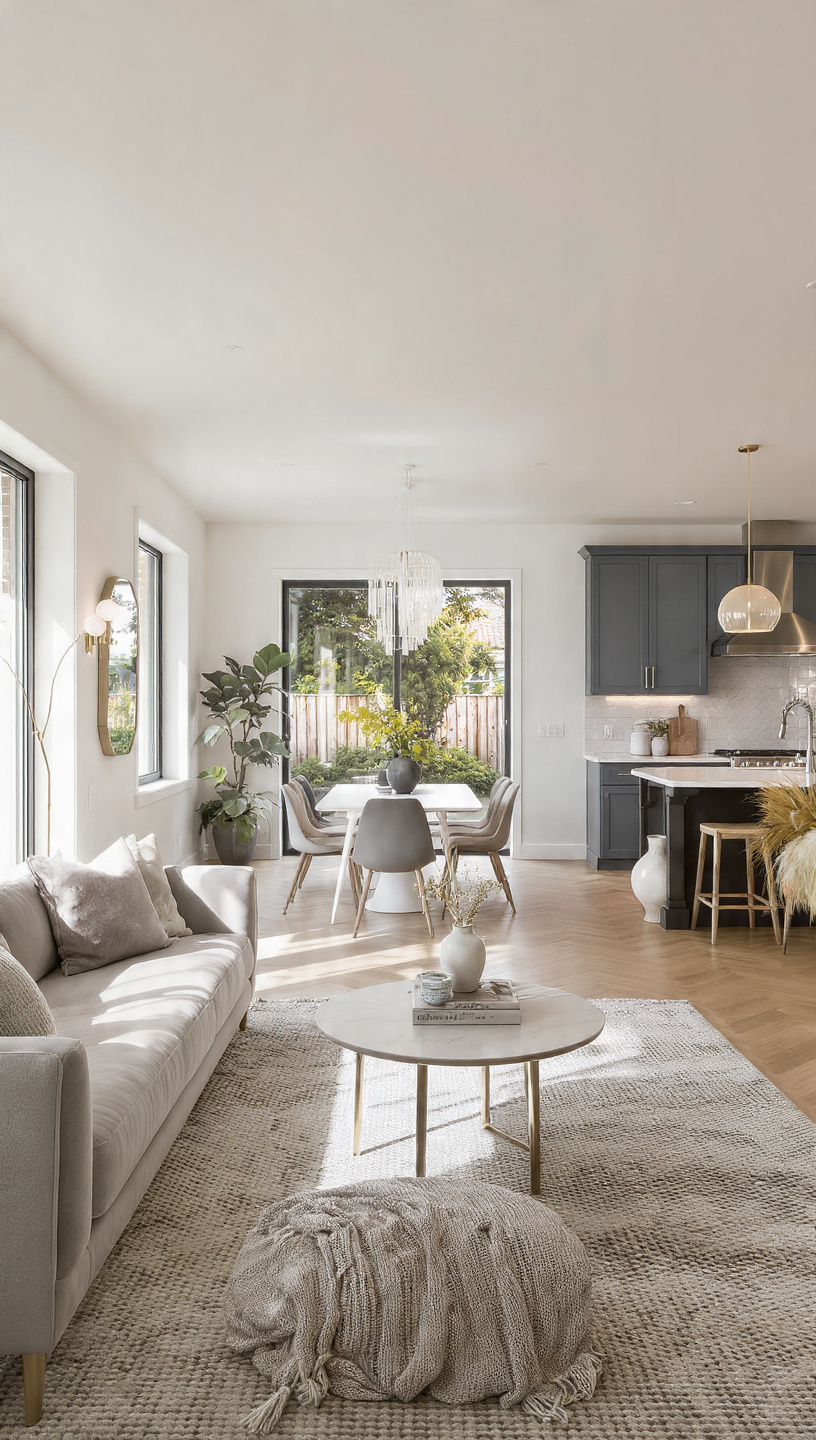
| Room / Area | Budget Priority | Aesthetic Pairing | Actionable Smart Recommendation |
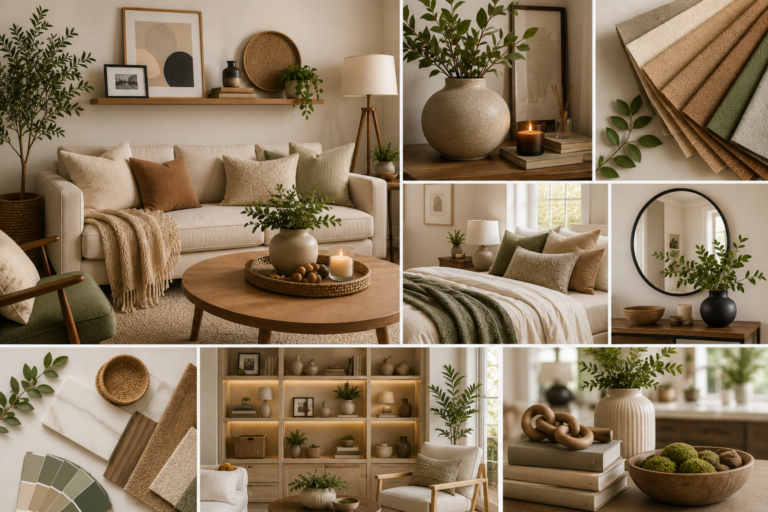
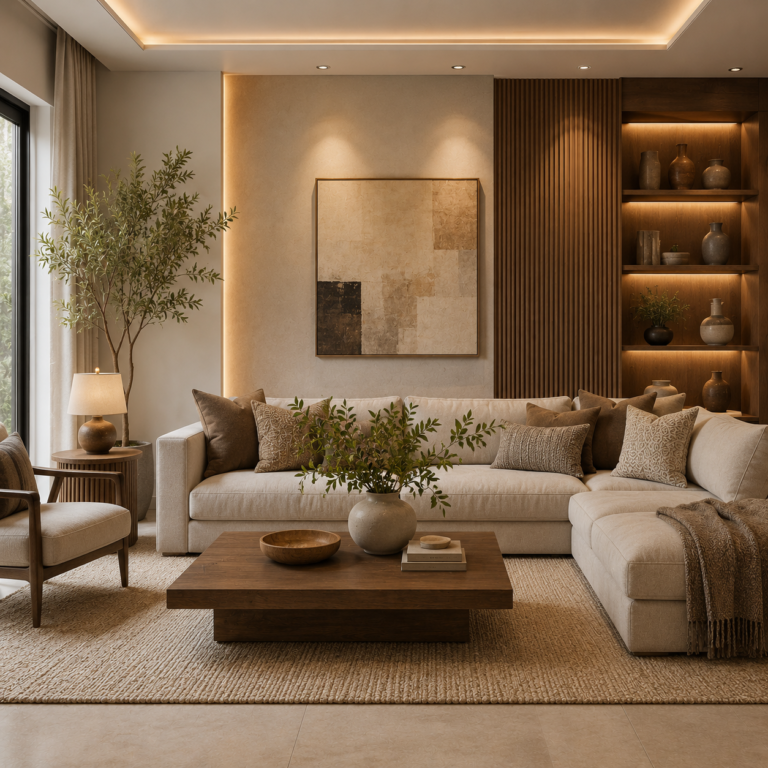
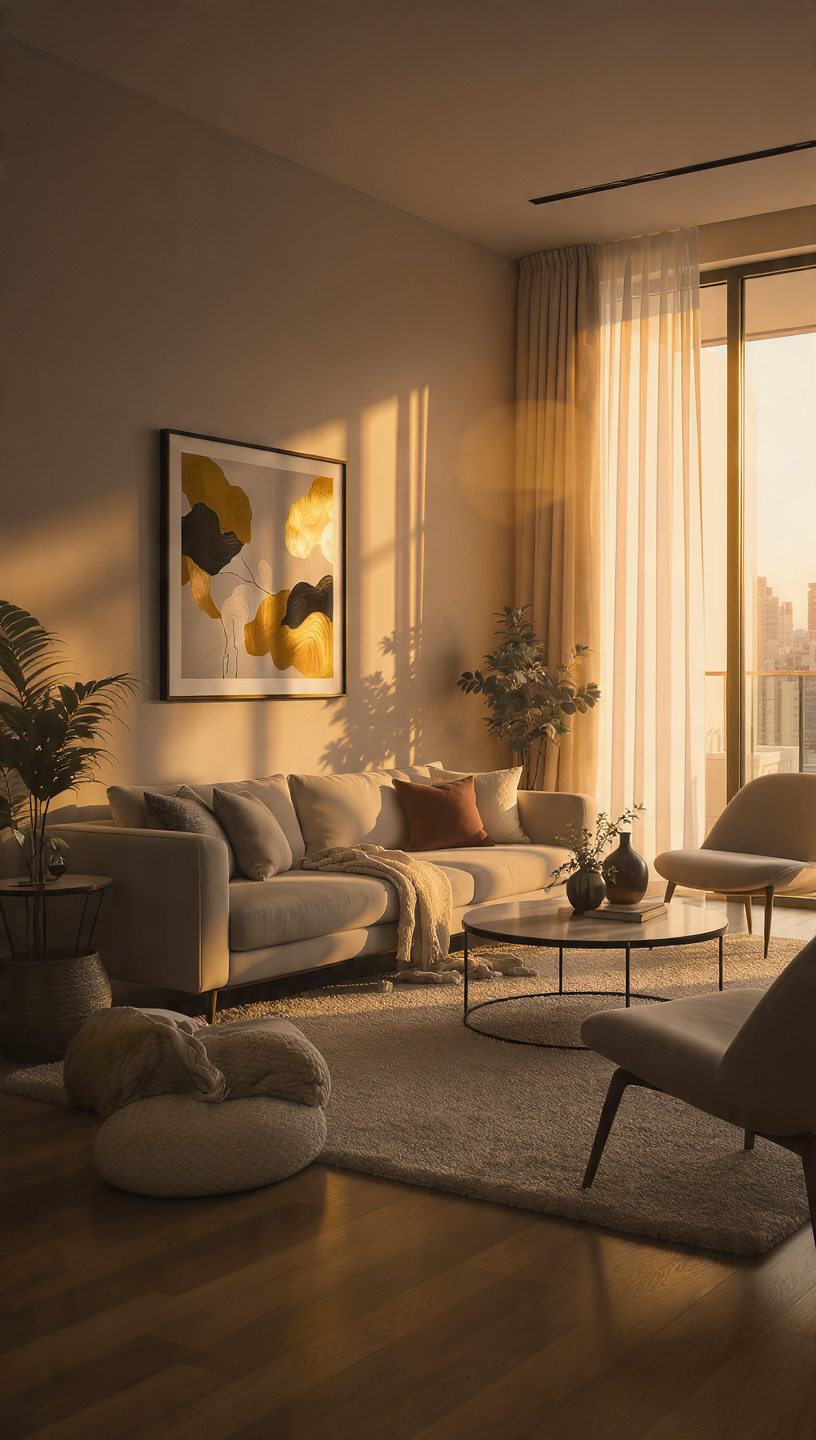
| Living Room | Highest (35% of overall budget) | Balanced Greige (Modern Minimalist) | Use the ultimate chameleon greige to ground the space. Invest heavily in a high-quality, kiln-dried performance fabric sofa. Save money by sourcing vintage side tables and DIY layering cheap curtain panels close to the ceiling line. |
| Primary Bedroom | High (25% of overall budget) | Creamy Serenity (Soft & Warm White) | Pair a cozy, welcoming warm white background with a premium mattress and sturdy solid wood bed frame. Cut costs by purchasing synthetic blend area rugs and hunting down premium sheet sets during holiday clearance events. |
| Dining Room | Medium (15% of overall budget) | Deep Saddle Brown (Luxury Accent) | Bring high-contrast luxury to the room with rich wood elements. Splurge on a solid hardwood extendable dining table that handles daily wear. Save thousands by choosing easy-to-wipe metal or molded plastic chairs instead of custom upholstery. |
| Home Office | Medium (10% of overall budget) | Slate Charcoal (Moody Executive) | Lean into a dramatic, premium boutique hotel aesthetic with deep charcoal. Prioritize your budget on a highly adjustable, brand-name ergonomic desk chair. Save by keeping desk surfaces simple and relying on basic, functional shelving units. |
| Kitchen & Bath Accents | Low (5% of overall budget) | Creamy Serenity or Deep Saddle Brown | Focus entirely on small, high-impact tactical upgrades. Invest in heavy brass cabinet hardware and premium rainfall showerheads. Save by using affordable styling elements like matching glass jars, plush towels, and wooden cutting boards. |
Wrap Up
Transforming an empty house into a deeply personal home is a gradual process that requires far more patience than a massive budget. Giving yourself permission to design slowly ensures every single piece you purchase actually serves a functional purpose in your daily life.
Remember that the initial sticker shock of quality furniture is simply part of establishing a comfortable baseline for your new property. Investing heavily in structurally sound anchor pieces now guarantees you will not be replacing broken seating and wobbly tables next year.
Keep your financial boundaries firm when shopping, but allow yourself the flexibility to shift funds between rooms if your priorities suddenly change. If you realize your family spends all their time in the kitchen, pivot your living room budget to support that reality.
You now have the exact financial blueprint needed to tackle your interior styling projects with absolute confidence and clear personal boundaries. Enjoy the journey of curating your space, and trust that your dream home will beautifully come together one intentional purchase at a time.