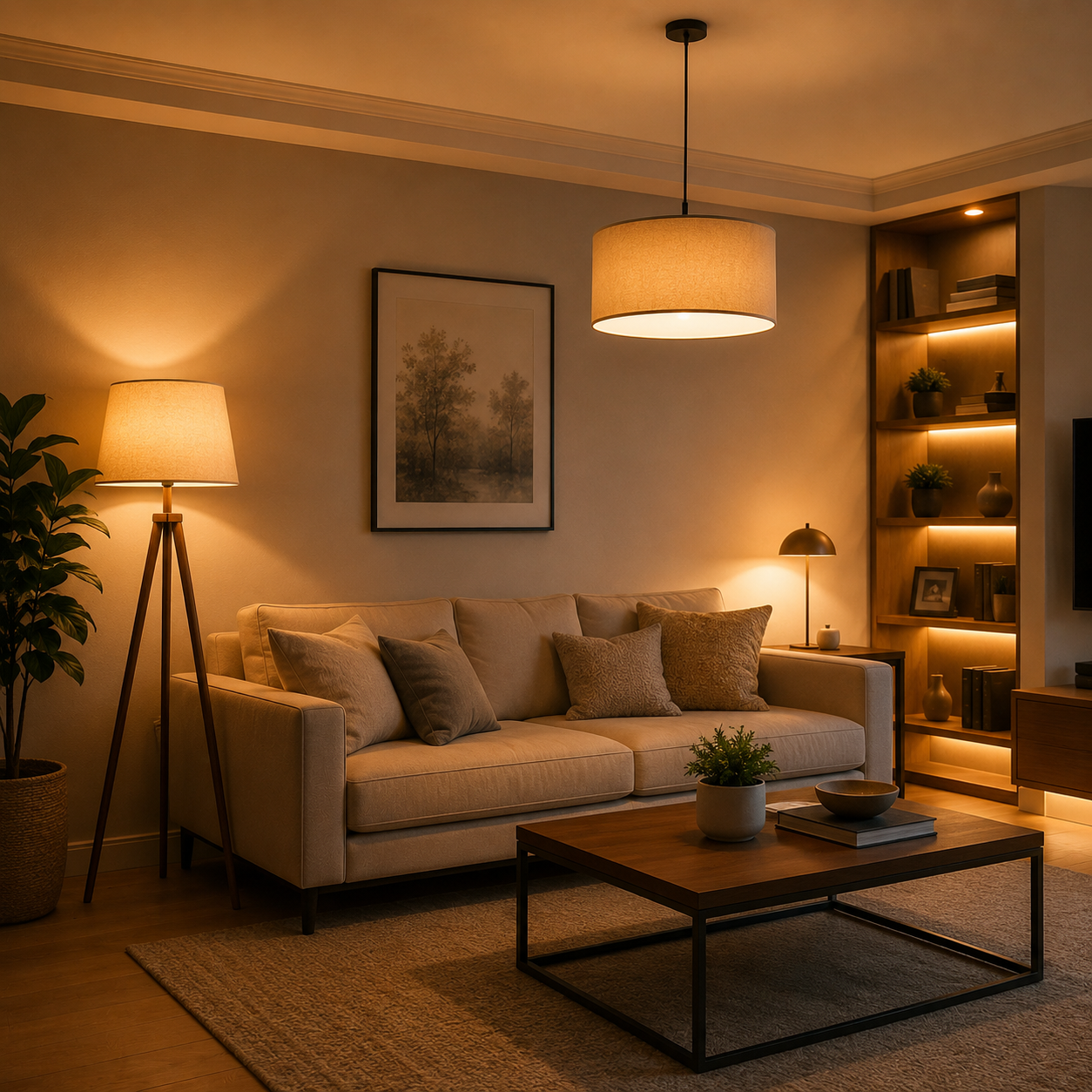
Lighting is arguably the most powerful, yet frequently misunderstood, tool in interior architecture. While furniture selection and color palettes dominate standard design conversations, it is the manipulation of photons that ultimately dictates how those elements are perceived. Poorly executed lighting can make a premium, custom-designed room feel cold, flat, and clinical; conversely, a sophisticated lighting scheme can elevate humble materials and fundamentally alter the perceived scale and warmth of a space.
Most residential lighting layouts fail because they rely on a single, uniform source of light—typically a grid of recessed ceiling fixtures that casts harsh, unforgiving shadows down onto the inhabitants. Interior designers approach a space through a entirely different framework. They treat light as a multi-dimensional medium, strategically blending functional illumination with localized emphasis and subtle ambient glows to create depth, texture, and visual hierarchy.
To transition from basic, utilitarian illumination to a professionally designed space, you must look past the aesthetic shell of a decorative fixture and analyze the science of light itself. This involves calculating lumens, understanding beam spreads, navigating color rendering indices, and mapping out the distinct functional zones of your home.
This comprehensive guide breaks down the precise, mathematical steps required to design a professional-grade residential lighting scheme, giving you the technical framework needed to fully control the mood, utility, and atmosphere of every room.
Residential Lumens Matrix
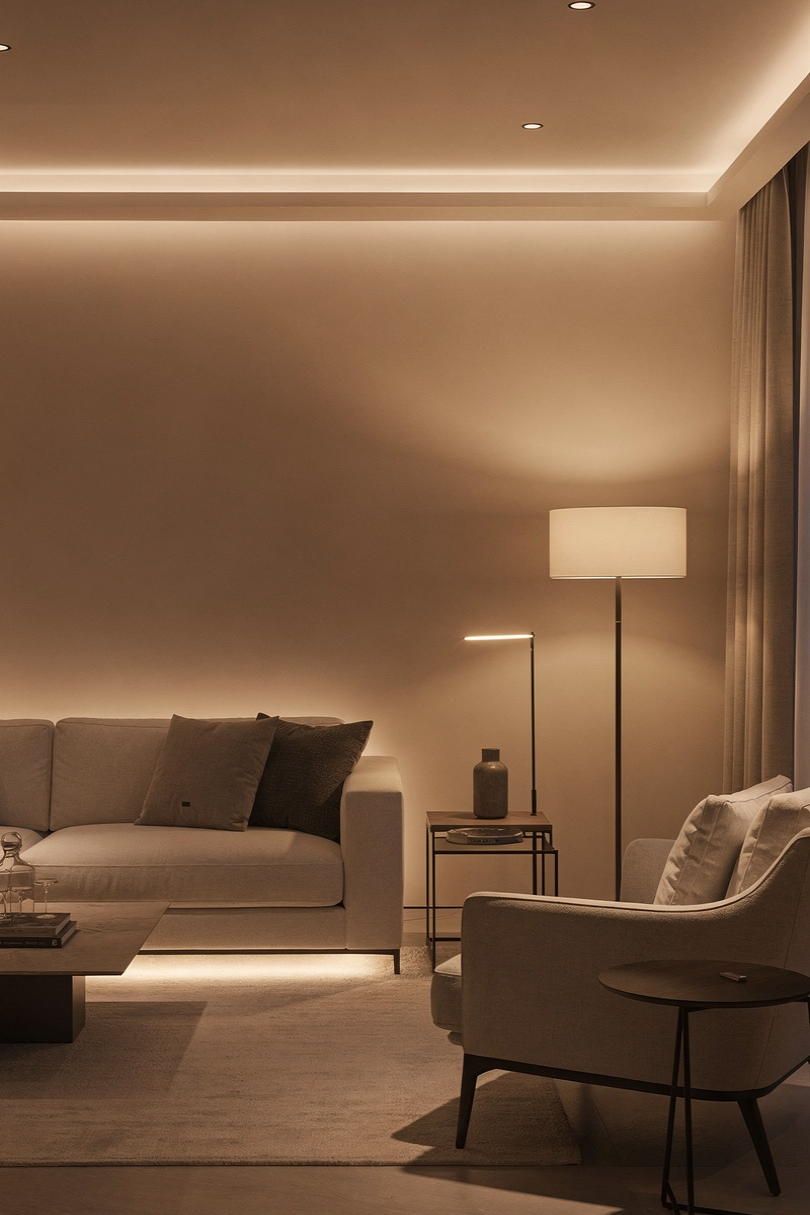
This matrix breaks down technical illumination metrics, color rendering targets, and ideal color temperature standards across residential spaces.
| Living Zone | Target Color Temperature | Ideal Color Rendering Index (CRI) | Primary Layer Focus | The Real-World Mistake |
|---|---|---|---|---|
| Kitchen & Prep Areas | 3000K to 3500K (Neutral White) | 90+ CRI (True color accuracy) | Shadow-free counter task lighting | Single central flush-mount causing back-shadows. |
| Living Rooms | 2700K (Warm Ambient) | 85+ CRI (Soft, inviting tones) | Eye-level accent lighting layering | Blasting the center of the floor with cold downlights. |
| Primary Bedrooms | 2400K to 2700K (Sunset Glow) | 85+ CRI (Relaxing skin tones) | Low-level indirect wall sconces | Installing glaring overhead recessed bulbs directly over the bed. |
| Home Offices | 3500K to 4000K (Cool Focus) | 90+ CRI (Reduces eye strain) | Targeted directional desktop tasking | Relying on dim decorative lamps that cause mental fatigue. |
Color Temperature Basics
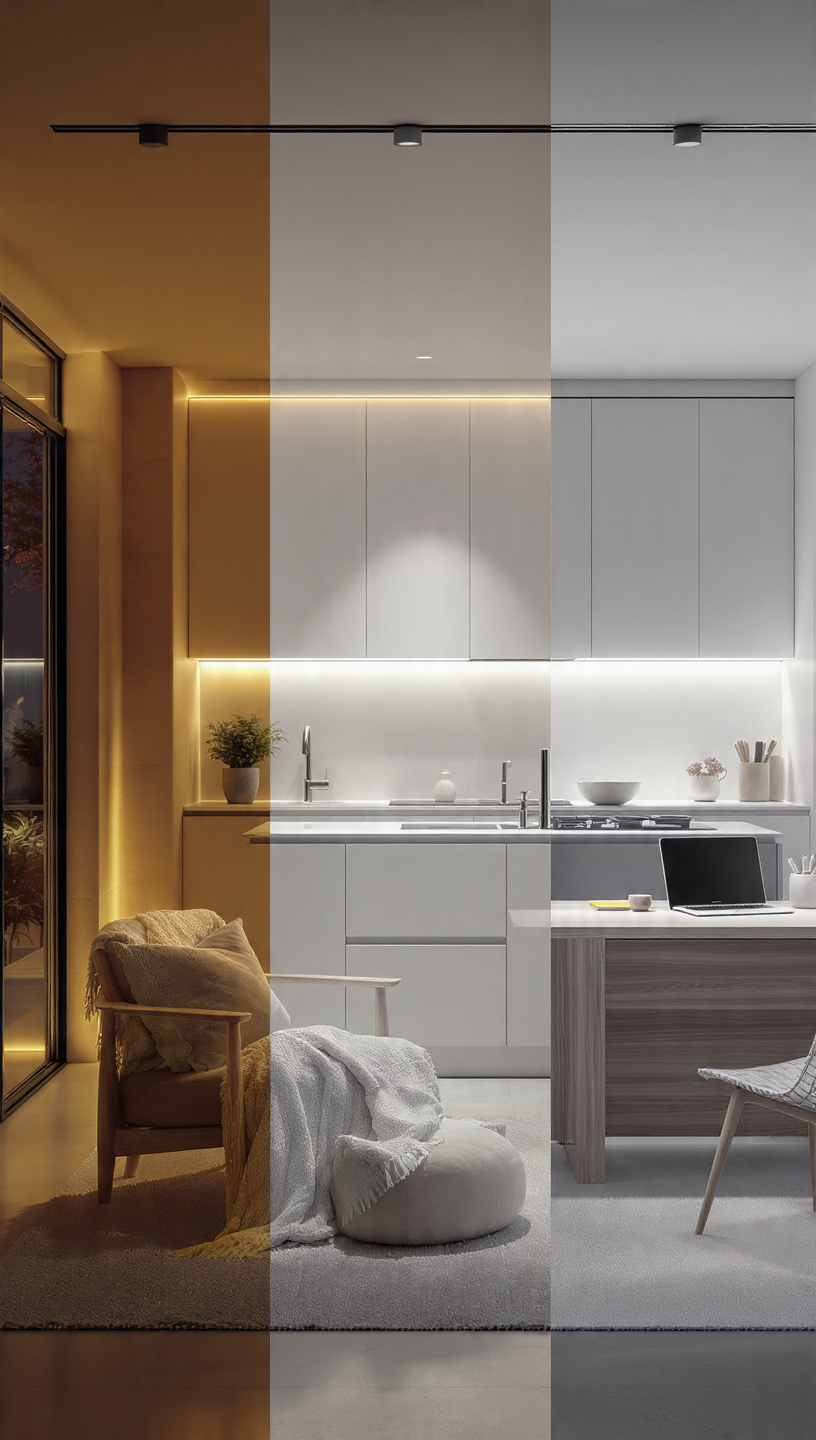
Color temperature affects how a room looks and feels. It is measured in Kelvin (K) and describes whether light appears warm, neutral, or cool. Choosing the right color temperature can improve comfort, highlight furniture, and create the mood you want in your space.
Warm light, usually between 2700K and 3000K, gives off a soft yellow glow. This type of lighting creates a cozy and relaxing atmosphere, making it a popular choice for living rooms, bedrooms, and reading areas. It helps rooms feel welcoming and comfortable.
Neutral light, around 3500K to 4000K, offers a balanced mix of warm and cool tones. It provides clear visibility without feeling too harsh. Many homeowners use neutral lighting in kitchens, dining rooms, and home offices because it supports both comfort and everyday tasks.
Cool light, ranging from 5000K to 6500K, produces a bright white or slightly blue appearance. This lighting is often used in workspaces, bathrooms, and areas where focus is important. Understanding color temperature makes it easier to choose lighting that matches the function and style of each room.
Secret Three Layer Formula
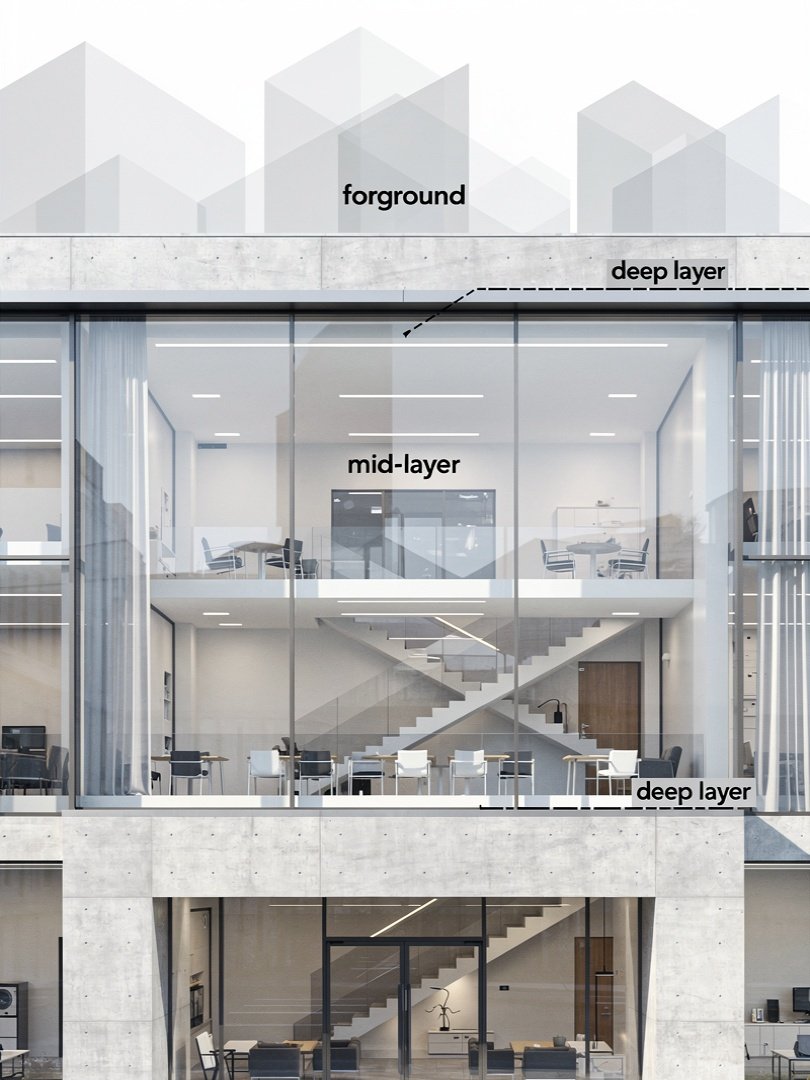
The secret to beautiful home lighting is using three different layers of light instead of depending on a single fixture. Professional interior designers combine ambient, task, and accent lighting to create rooms that feel comfortable, functional, and visually appealing. This layered approach helps balance brightness while adding depth and character to a space.
Ambient lighting is the foundation of every well-lit room. It provides general illumination that allows people to move around safely and comfortably. Ceiling lights, chandeliers, recessed lights, and flush-mount fixtures are common sources of ambient lighting. A strong ambient layer ensures the entire room feels bright and welcoming.
Task lighting focuses light where specific activities take place. Reading, cooking, studying, and applying makeup all require extra visibility. Desk lamps, table lamps, pendant lights, and under-cabinet lighting help reduce eye strain and make everyday tasks easier. This layer improves both comfort and functionality.
Accent lighting adds the finishing touch by highlighting important features in a room. It can draw attention to artwork, bookshelves, plants, or architectural details. Wall sconces, picture lights, and LED strip lighting are popular choices for creating visual interest. When all three layers work together, the result is a professional-looking space that feels warm, balanced, and thoughtfully designed.
Over-Lighting Ceiling Trap
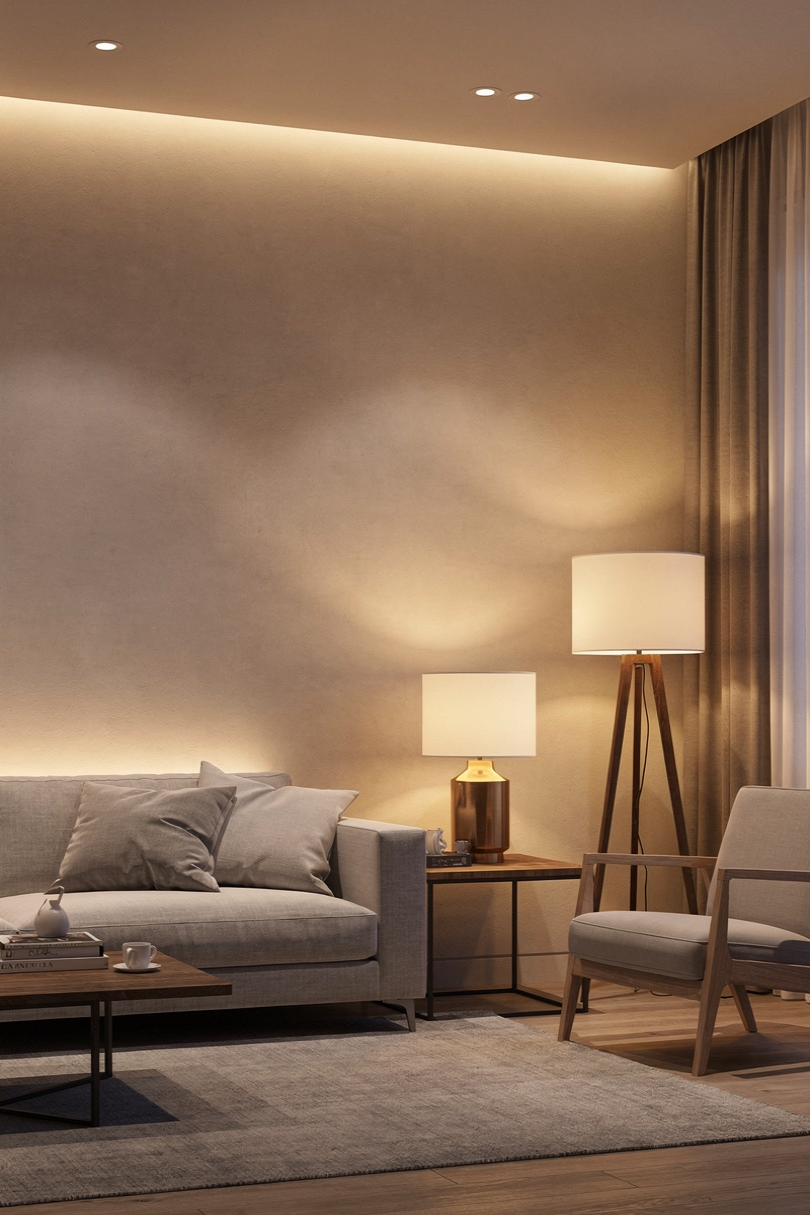
Over lighting happens when too many bright lights are used in a room, especially from the ceiling. Instead of making the space look better, it can make the room feel harsh, uncomfortable, and flat. Too much light removes shadows that normally add depth and warmth to a space.
A common mistake is using very strong ceiling lights as the only source of lighting. This creates an unbalanced look where everything is too bright from above. It can also cause glare, making it difficult to relax or focus, especially in living rooms and bedrooms.
Over lighting can also wash out colors and reduce the beauty of interior design. Furniture, wall paint, and decor may look dull because strong light removes contrast and detail. The room may feel more like a commercial space instead of a cozy home.
To avoid this trap, it is better to use layered lighting instead of relying only on ceiling lights. Combine soft ambient lighting with task and accent lights to create balance. This helps the room feel warm, comfortable, and visually interesting instead of overly bright.
Dimmer Switch Benefits
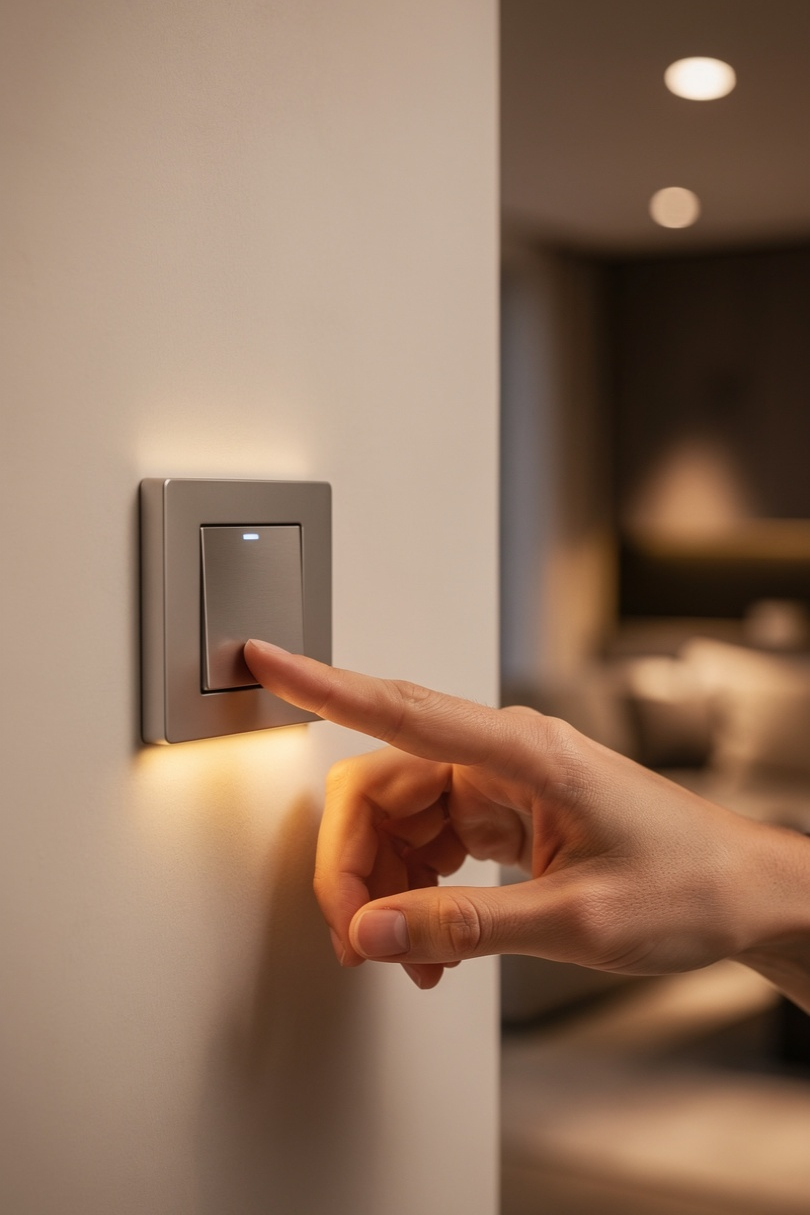
Dimmer switches are important in modern homes because they let you control the brightness of your lights. Instead of using only full brightness, you can adjust the light level based on your mood, time of day, or activity. This makes your home lighting more flexible and comfortable.
They also help create the right atmosphere in different rooms. Bright light can be used for cleaning, cooking, or working, while soft light is better for relaxing in the evening. With a dimmer switch, one room can easily serve multiple purposes without changing the lighting fixtures.
Dimmer switches can also improve energy efficiency. When you lower the brightness, your lights use less electricity, which can help reduce energy bills over time. This makes them a smart and practical choice for modern, budget-friendly homes.
Overall, dimmer switches give better control, comfort, and style to your lighting design. They make rooms feel more cozy, modern, and well-designed while giving you full control over how your space looks and feels at any moment.
Get smarter responses, upload files and im
Kitchen Workstation Lighting
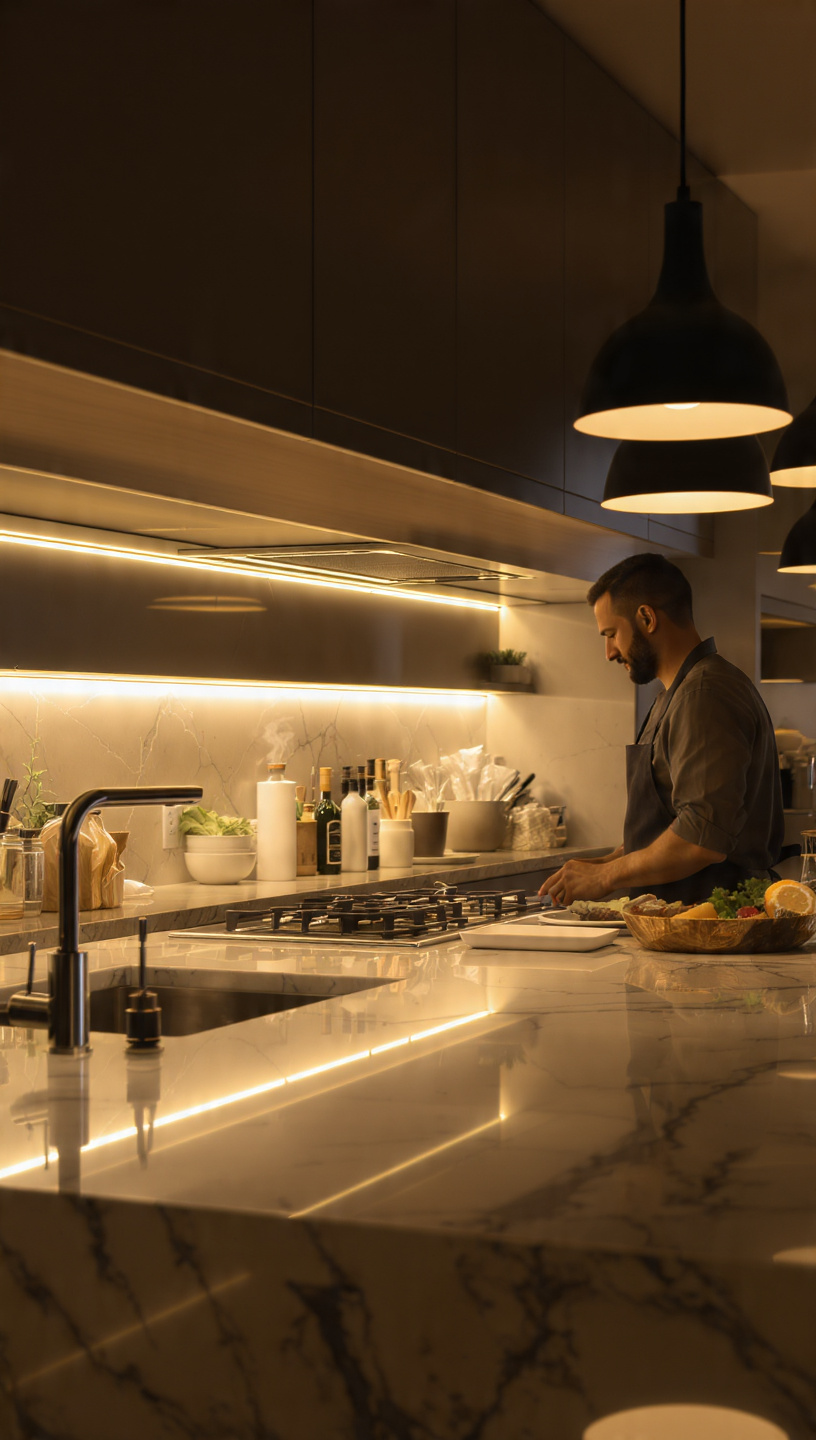
Good kitchen lighting is very important for safety and easy cooking. Workstations like counters, sinks, and stoves need bright and clear light so you can see food, tools, and surfaces properly. Poor lighting can make cooking harder and increase the chance of mistakes.
Under-cabinet lighting is one of the best solutions for kitchen work areas. It shines directly on the countertop, removing shadows created by overhead lights. This helps you chop, mix, and prepare food with better visibility and comfort.
Avoid placing strong lights directly above your eyes or in your line of sight. Bright ceiling lights without proper placement can create glare, which makes it hard to see clearly and can cause eye strain. Balanced lighting is more effective than overly strong single lights.
The best kitchen lighting combines brightness with comfort. Use a mix of ceiling lights, task lighting, and soft ambient lighting to create a well-lit but comfortable workspace. This makes cooking easier, safer, and more enjoyable every day.
Entryway Lighting Impact
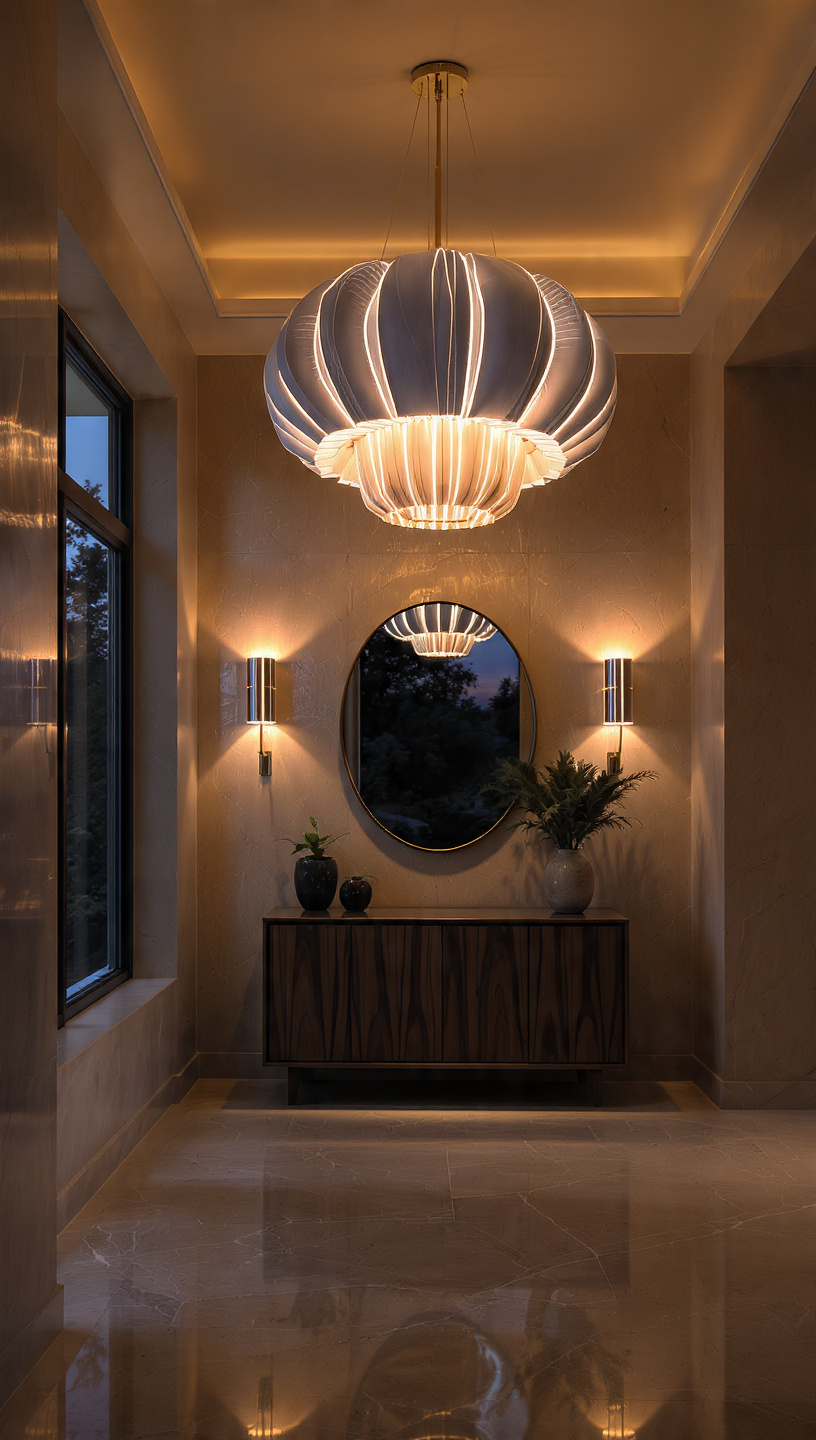
The entryway is the first space people see when they enter your home, so lighting plays a big role in creating a strong first impression. A well-lit entrance feels welcoming, stylish, and inviting, while poor lighting can make the space feel dull or uninviting.
A statement light fixture, such as a chandelier or pendant light, can instantly upgrade the look of an entryway. It adds personality and sets the tone for the rest of the home. The right fixture should match your home’s style while still providing enough brightness for the space.
Layered lighting can also improve both beauty and function in entryways. Combining ceiling lights with wall sconces or accent lighting helps reduce dark corners and adds depth. This makes the area feel more open and visually interesting.
Good entryway lighting should balance drama with comfort. It should be bright enough for safety and visibility but also soft enough to feel warm and welcoming. A well-designed entryway creates a memorable and positive first impression for every guest.
Art Display Lighting Techniques
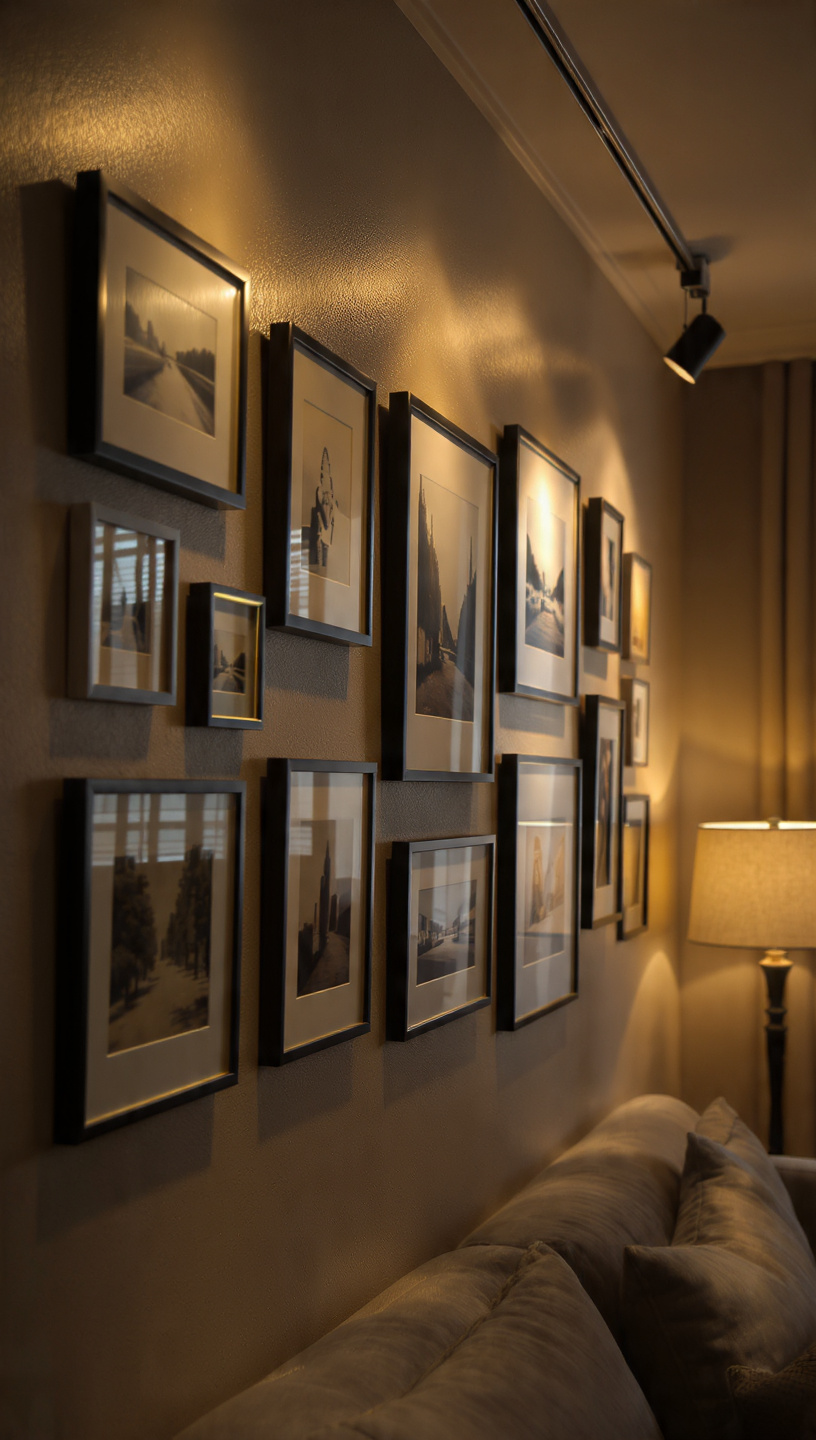
Proper lighting is very important when displaying personal art pieces because the wrong angle can create unwanted reflections on glass frames. These reflections can reduce clarity and hide the fine details of paintings or photographs, making the artwork less visually appealing.
Standard spotlights from hardware stores often spread light too widely, which can wash out colors and details. Instead of highlighting the artwork, they can create uneven brightness and reduce the sharpness of the image. This is why focused lighting is often preferred for art display.
Framing projectors or adjustable art lights are a better choice because they control the beam of light more precisely. These lights can be adjusted to match the exact size of the artwork, creating a clean and professional “museum-style” effect where the art looks naturally highlighted and more vibrant.
For sculptures and 3D art, lighting should come from multiple angles instead of a single overhead source. Side lighting helps show texture, depth, and form without creating harsh shadows. Using two soft accent lights from different directions brings out the details and gives the artwork a more natural and balanced appearance.
Bedrooms Circadian Rhythm Approach
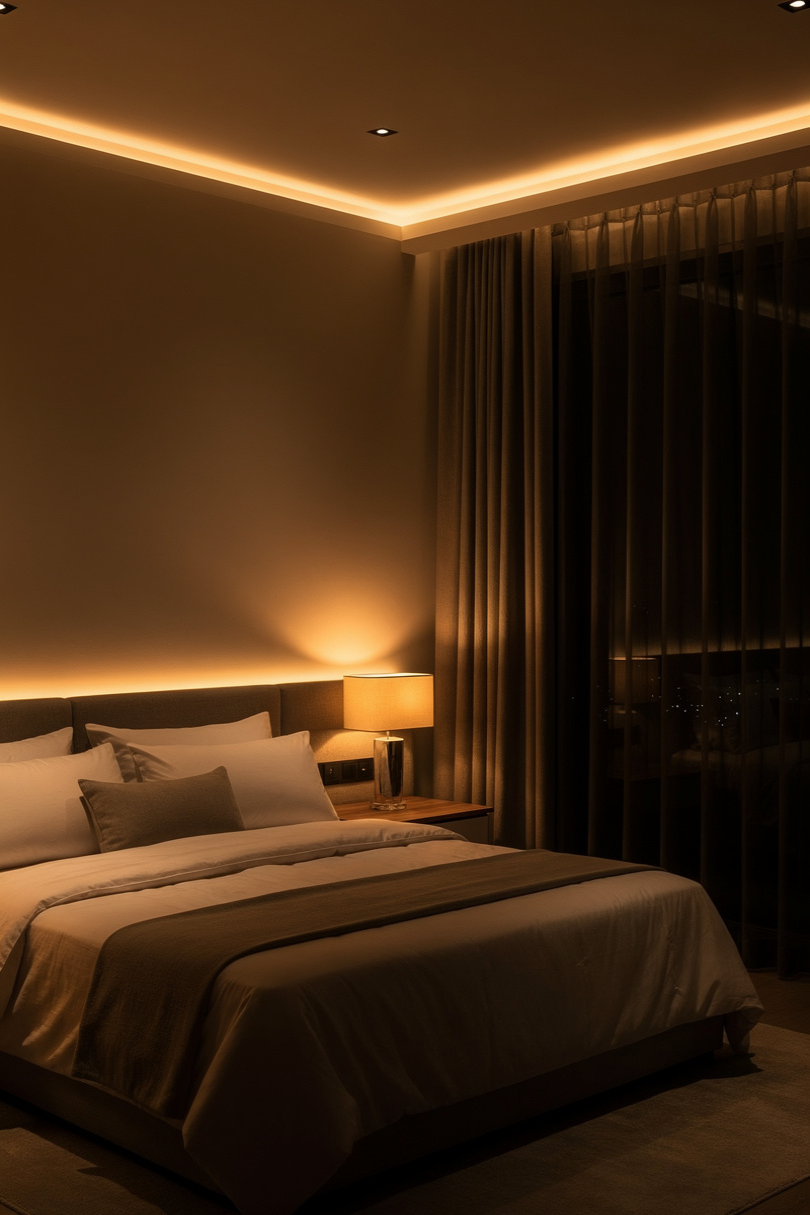
The circadian rhythm approach focuses on using light to support the body’s natural sleep and wake cycle. In a primary bedroom, lighting should help you feel alert in the morning and relaxed at night. This improves sleep quality and overall well-being.
In the morning, brighter and cooler light helps signal the body to wake up. Light in the range of higher color temperatures can increase energy and focus, making it easier to start the day. Natural daylight or bright artificial lighting works best for this purpose.
In the evening, lighting should shift to warm and soft tones. Dim, warm light helps the body produce melatonin, the hormone that supports sleep. This creates a calm environment that prepares you for rest and reduces stimulation before bedtime.
Using dimmer switches and layered lighting makes this transition easier. You can adjust brightness throughout the day to match your natural rhythm. This simple lighting strategy helps create a healthier, more comfortable, and sleep-friendly bedroom environment.
Shadow Free Bathroom Lighting
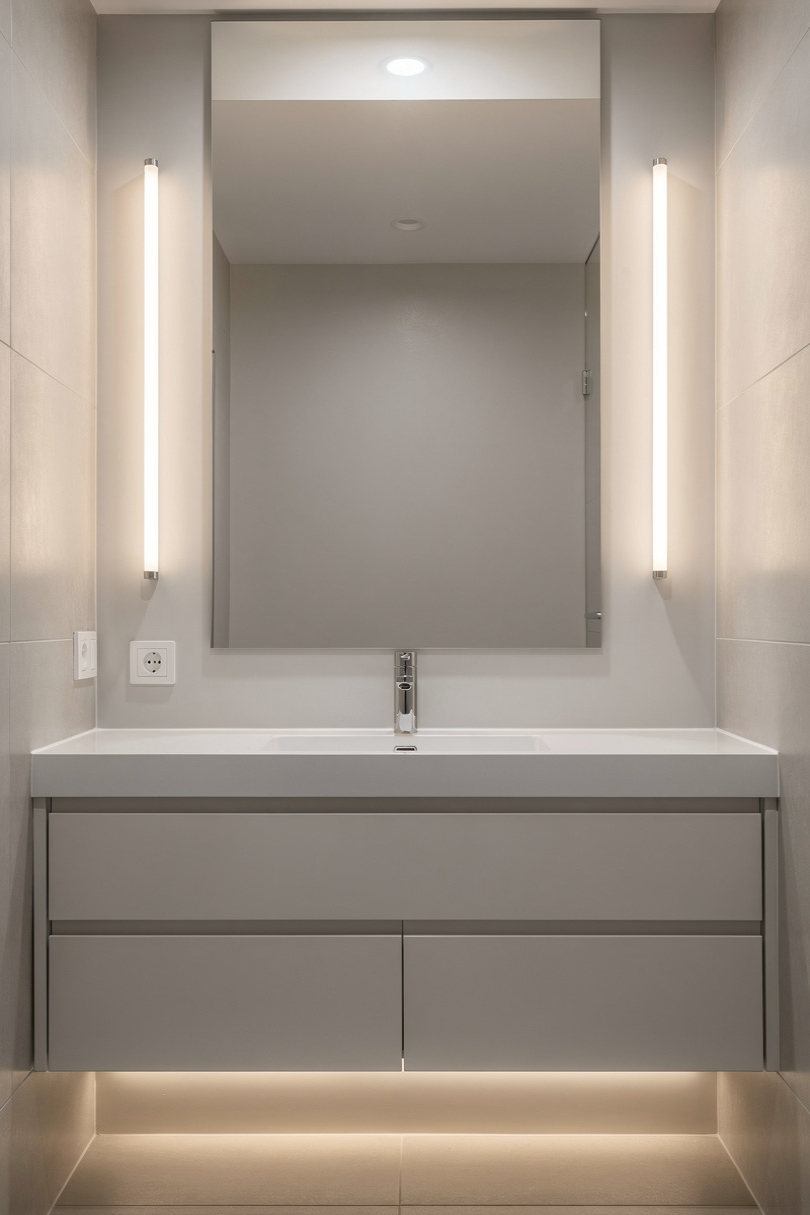
A shadow free bathroom is designed with lighting that spreads evenly across the entire space. Good lighting is important for daily tasks like washing, grooming, shaving, and applying makeup. Uneven lighting can create dark areas that make these tasks harder.
The key to avoiding shadows is using multiple light sources instead of one central ceiling light. A single light from above often creates strong shadows on the face and under the eyes. This can affect visibility and make the bathroom feel less bright.
Wall mounted lights on both sides of the mirror are very effective for balanced lighting. They help light the face evenly from both directions, reducing shadows and giving a clear reflection. This setup is often used in hotels and professional spaces.
Adding soft ceiling lighting or recessed lights completes the design. These lights provide overall brightness while side lighting handles detail work. Together, they create a clean, bright, and shadow free bathroom that is both practical and visually comfortable.
Exterior Lighting for Curb Appeal
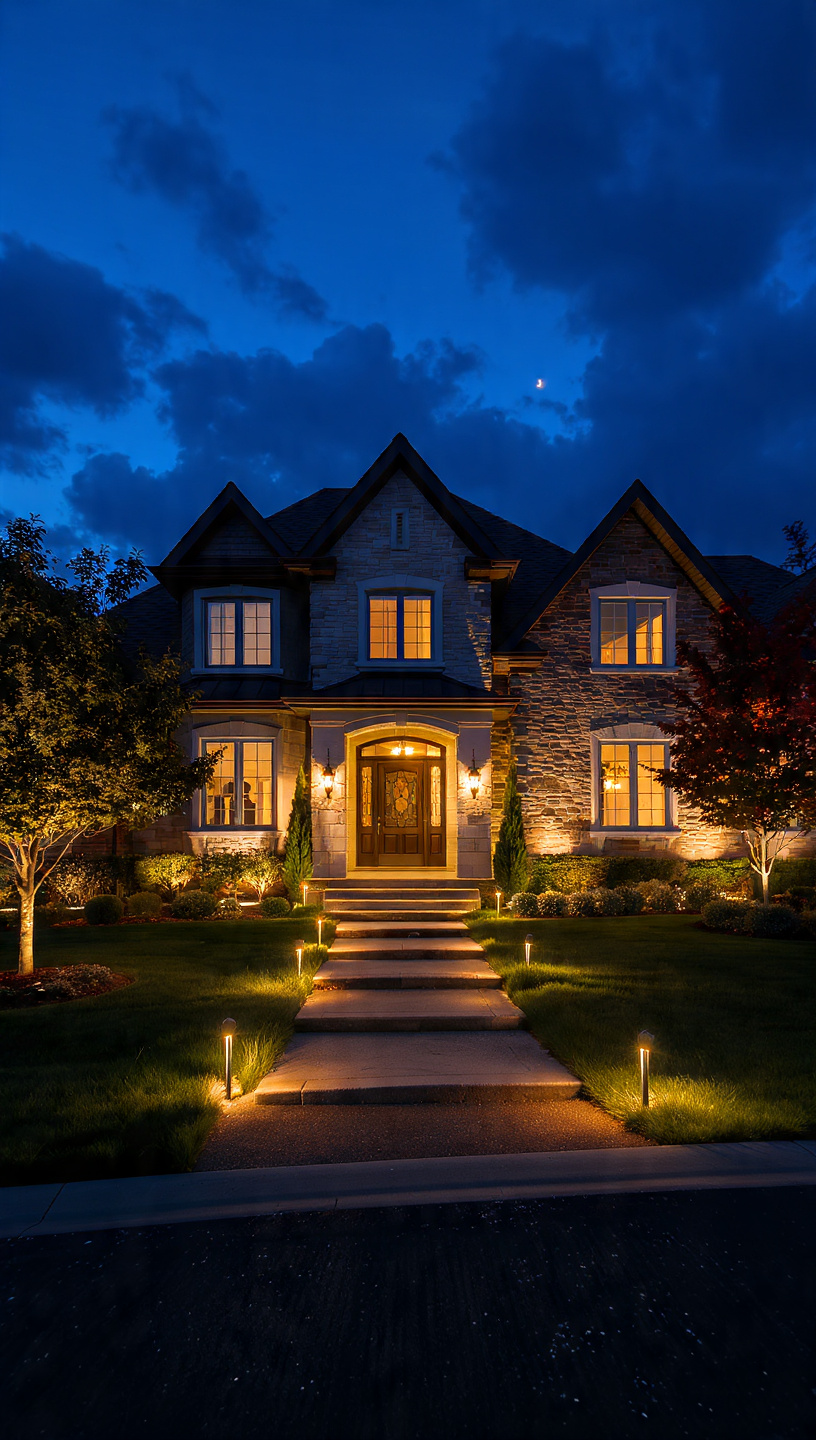
Exterior lighting plays an important role in making a home look attractive and welcoming from the outside. Good lighting highlights the architecture of the house and improves visibility at night, making the property feel safe and inviting.
Pathway and driveway lighting help guide movement around the home. These lights improve safety by clearly marking walking areas and reducing the risk of trips or falls. They also add a soft glow that enhances the overall appearance of the exterior.
Wall-mounted lights and facade lighting can highlight key features of the building. Placing lights near entrances, columns, or textured walls brings out design details and adds depth to the exterior. This creates a more stylish and balanced nighttime look.
Landscape lighting can be used to showcase trees, plants, and garden features. Soft uplighting or ground lighting adds beauty without overpowering the space. When combined properly, all exterior lighting creates strong curb appeal and a polished home appearance.
Designer Lighting Application
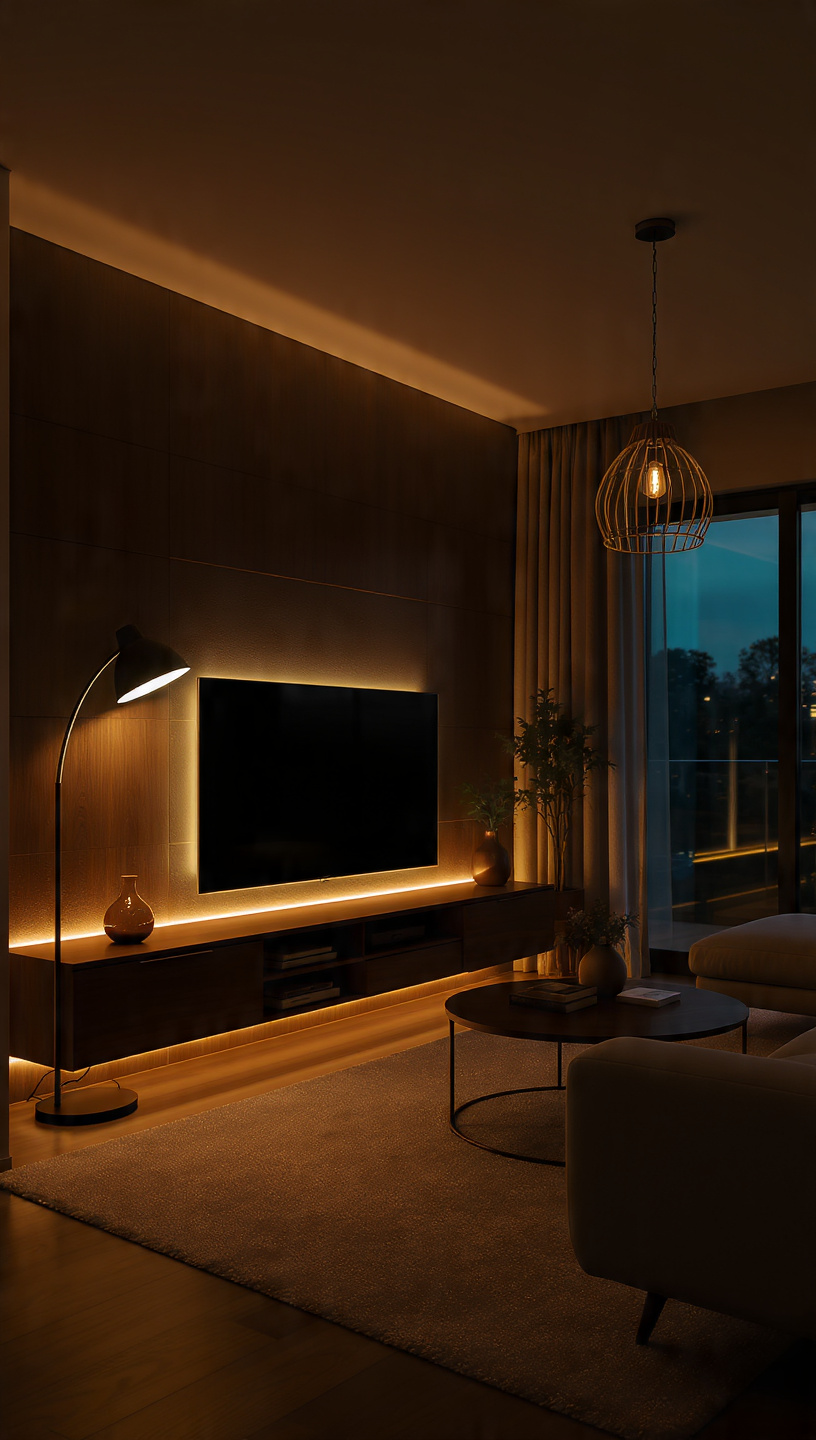
Use this targeted implementation framework to correct common illumination mistakes and elevate the visual luxury of your space.
| Architectural Challenge | Recommended Fix | Vital Specification | Fixtures to Avoid |
|---|---|---|---|
| Low 8-Foot Ceilings | Perimeter color washing using hidden uplights or vertical wall sconces. | 2700K bulbs paired with low-profile deep recessed trims. | Massive, low-hanging crystal chandeliers that block traffic sightlines. |
| Open Concept Trashing | Zone isolation using dedicated dimming circuits and distinct decorative anchors. | Match Kelvin temperatures exactly across all connected zones. | Using a single master wall switch that turns every zone on simultaneously. |
| Dark Granite Counters | Diffused linear LED tape lighting hidden under upper cabinet lips. | 90+ CRI output to prevent stone color distortion. | Point-source halogen bulbs that reflect blinding glare spots off polished stone. |
| Art Gallery Corridors | Adjustable track heads bouncing light off walls at precise angles. | Narrow fifteen-degree spot beams for isolated drama. | Wide-angle floodlights that wash out the entire wall texture indiscriminately. |
Wrap-Up
Mastering residential lighting requires shifting your perspective from merely “buying fixtures” to actively “sculpting space with light.” A designer-level lighting scheme is never an afterthought; it is a calculated choreography of layers, scales, and color temperatures working in harmony to support both the architecture of the house and the natural circadian rhythms of its occupants.
Before deploying a single fixture, evaluate your floor plan through the lens of functionality and visual texture. Ensure you have anchored your ambient foundations, targeted your task zones, and integrated accent points to draw the eye across the room. By ditching the reliance on uniform overhead grids and opting for a variable, dimmable, and layered approach, you transform your home from a flatly lit container into a dynamic, inviting, and highly functional environment.