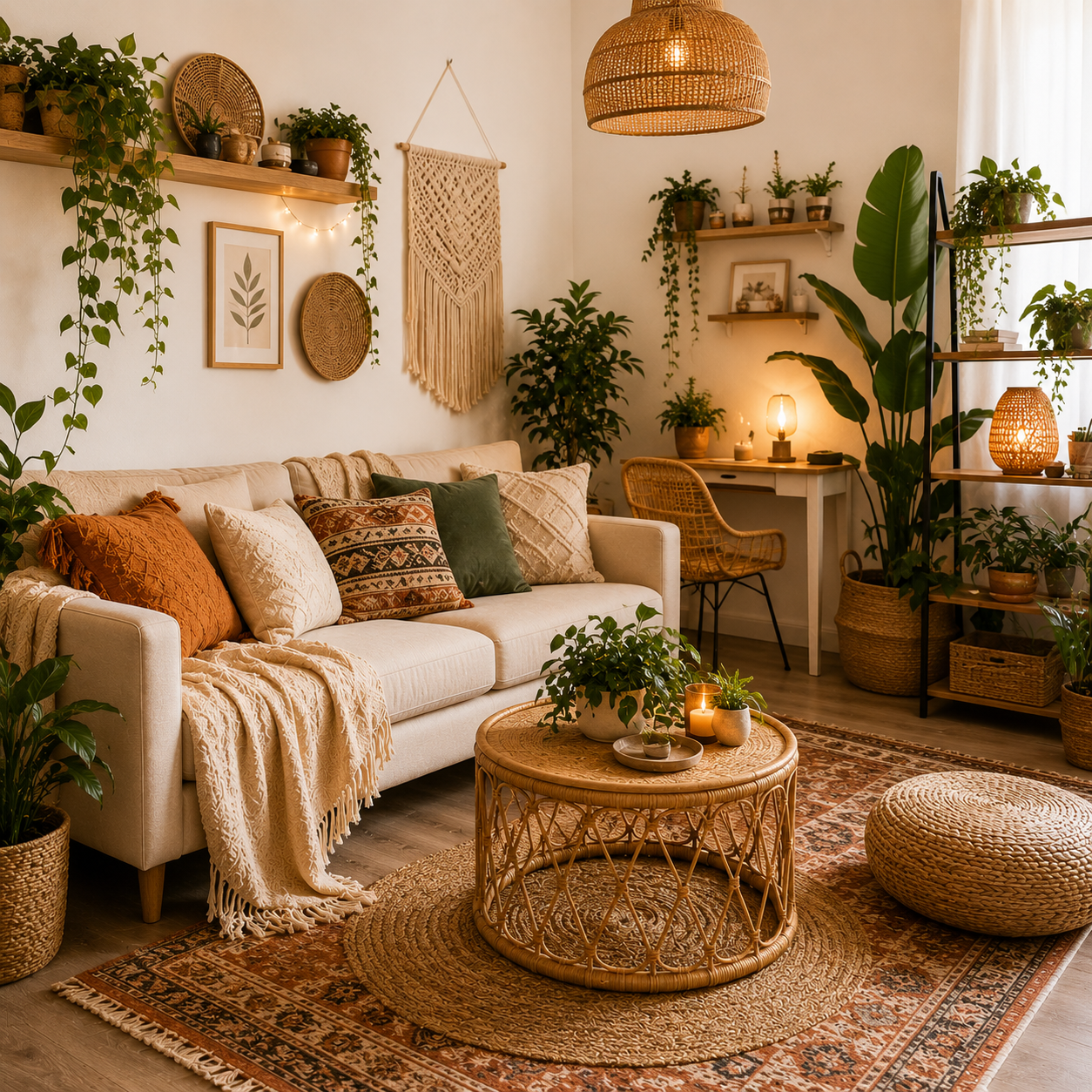
The Bohemian—or “Boho”—interior design style is celebrated for its rich textures, global sensibilities, and laid-back, curated atmosphere. On social media platforms, these spaces often appear effortlessly thrown together, featuring layered rugs, vintage rattan furniture, and cascading indoor flora. However, if you audit the source tags of these “effortless” rooms, you will frequently find luxury Moroccan textiles, high-end artisanal ceramics, and boutique furniture pieces that total thousands of dollars.
This creates a pervasive design myth: that achieving a authentic, deeply layered aesthetic requires an expansive budget.
In reality, the foundational ethos of original Bohemianism is rooted in non-conformity, resourcefulness, and eclecticism—principles that naturally reject mass-produced, high-priced showroom sets. Because the Boho style relies heavily on vintage character, textile contrast, and natural elements rather than sleek, matching furniture lines, it is actually the premier design style to execute on a strict financial constraint.
To prove that high-impact style does not require high-end capital, I set a strict limit of $200 to fully transition a sterile, blank-canvas living room into a warm, textured bohemian sanctuary. By prioritizing strategic thrift sourcing, targeted DIY modifications, and low-cost, high-volume texture layering, it is entirely possible to beat the retail market.
Here is the exact, step-by-step breakdown of how to reverse-engineer the Bohemian look on a micro-budget under $200.
Budget Bohemian Blueprint
This data matrix breaks down the exact cost allocations, thrift target metrics, and high-impact styling categories utilized to maximize every single dollar.
| Decor Category | Target Cost allocation | Primary Sourcing Method | High-Impact Styling Secret | The Hidden Pitfall |
| Textiles & Rugs | $45 to $60 total | Local thrift stores & estate clearances | Layering smaller patterned pieces over plain canvas bases | Musty smells that require multiple baking soda wash cycles. |
| Botanicals & Greenery | $20 to $30 total | Propagation swapping & clearance roots | Hanging fast-growing pothos vines from bamboo wall rods | Purchasing root-bound houseplants that die within two weeks. |
| Wall Art & Accents | $35 to $45 total | DIY canvas overlays & woven plate hunts | Clustering mismatched reed baskets into a large gallery layout | Buying brittle, cracked seagrass that sheds constant dust particles. |
| Ambient Accent Lighting | $30 to $40 total | Facebook Marketplace garage clearouts | Swapping basic white cords with woven paper lantern covers | Missing internal structural clips that hold the shade straight. |
Secondhand Textiles for Apartments
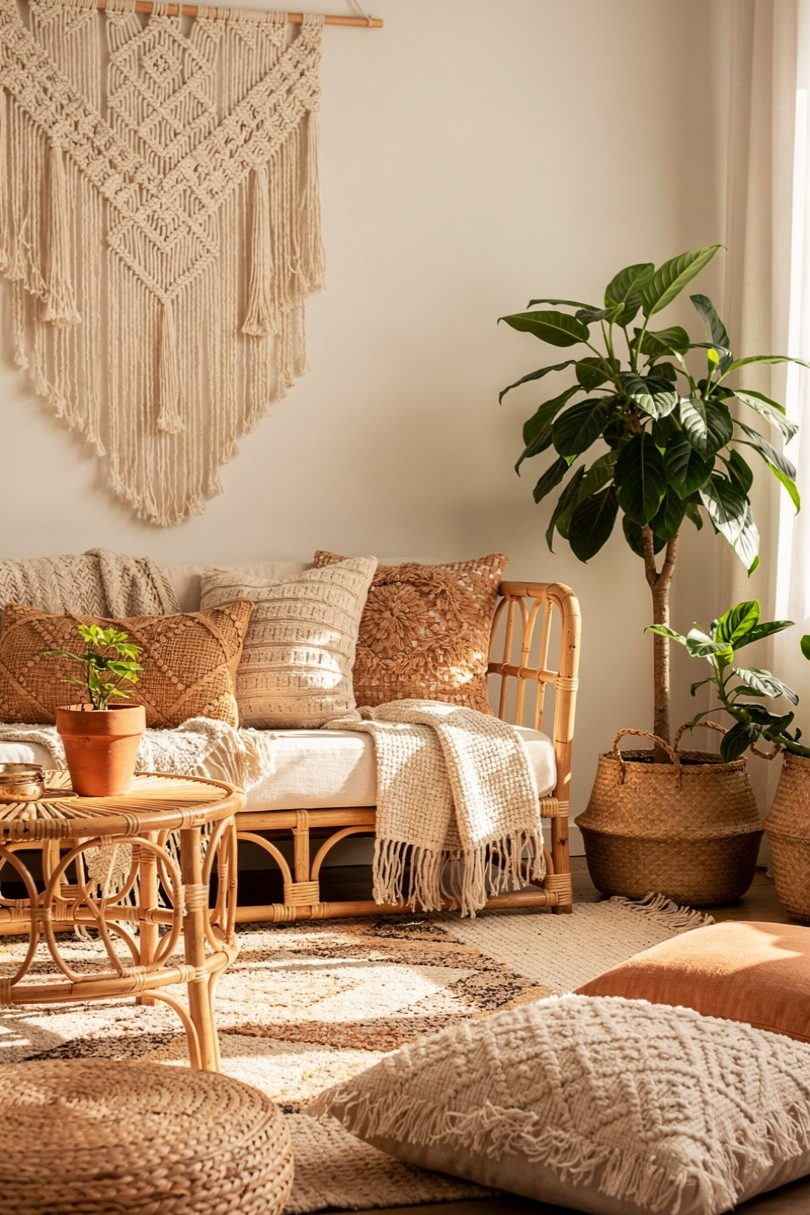
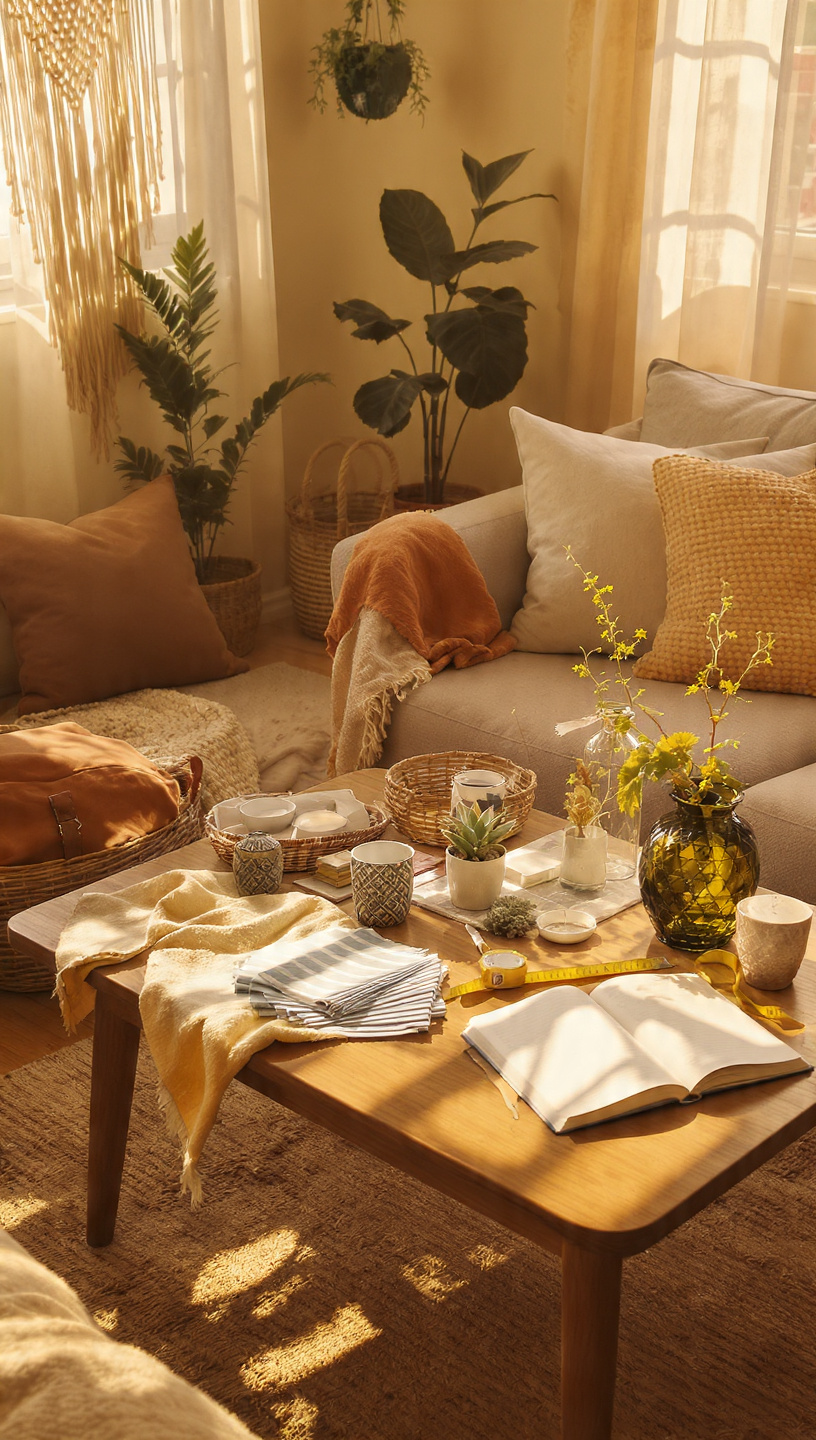
Secondhand textiles are a great way to make a blank apartment feel warm and personal. Items like used curtains, rugs, cushions, and throws can quickly add color, texture, and comfort to an empty space without spending a lot of money.
These fabrics help soften hard surfaces often found in apartments. Bare walls, plain floors, and simple furniture can feel cold, but adding textiles creates a cozy and lived-in atmosphere. This makes the space feel more like a home.
Mixing different patterns and materials can add character to your interior. Vintage rugs, embroidered cushions, or textured blankets bring visual interest and make the room feel unique. The key is to balance colors so the space does not look too crowded.
Using secondhand textiles is also a sustainable choice. It reduces waste and gives old materials a new life. With thoughtful placement, even simple apartments can feel stylish, comfortable, and well-designed.
Budget-Friendly Greenery Ideas
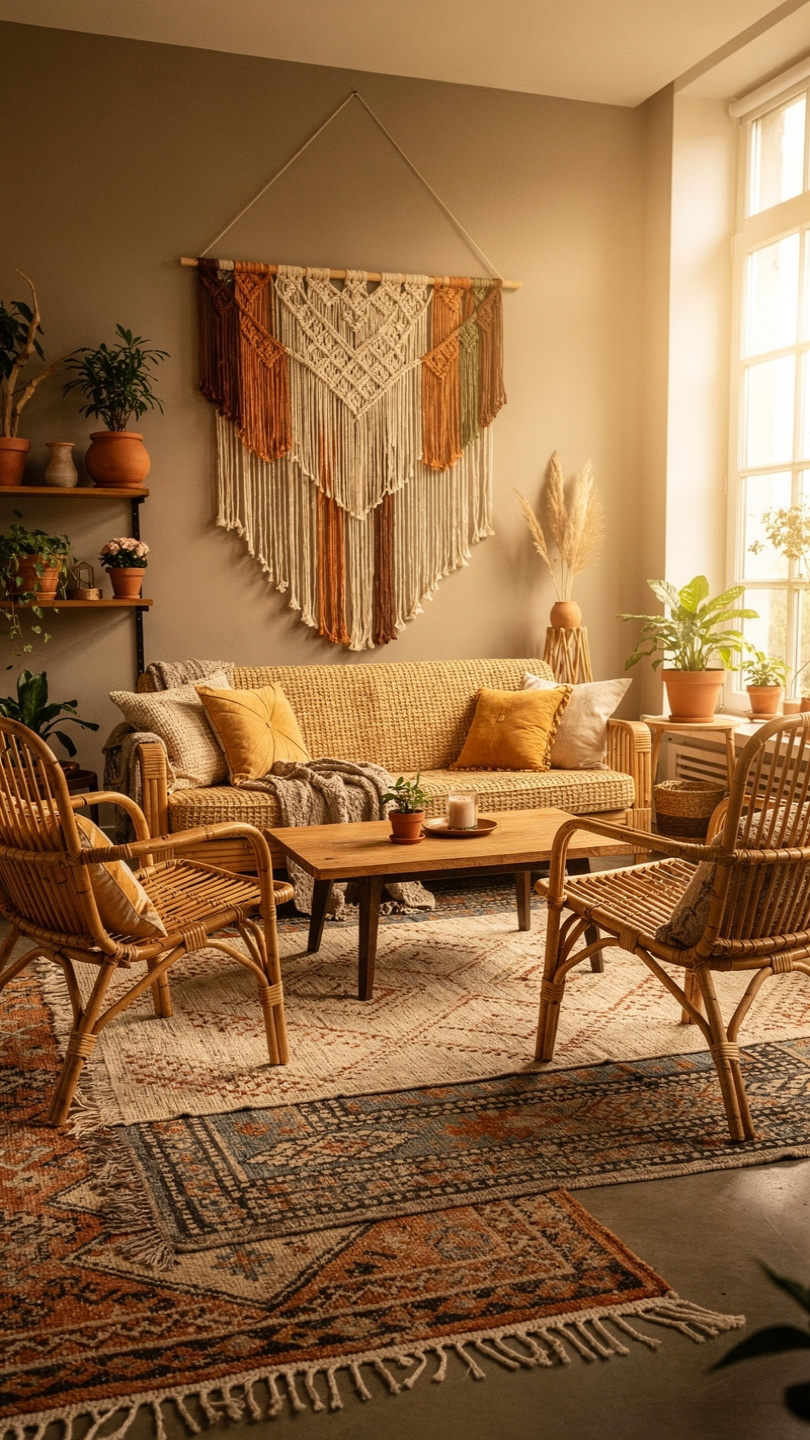
Sourcing and propagating plants on a budget is a smart way to bring fresh greenery into your home without spending much money. Instead of buying fully grown plants, you can start with small cuttings or affordable starter plants and grow them over time. This makes decorating with plants more cost-effective and rewarding.
One of the easiest methods is plant propagation from cuttings. Many popular houseplants like pothos, snake plants, and money plants can grow from a small stem placed in water or soil. With a little patience, these cuttings develop roots and grow into healthy new plants.
Local markets and nurseries often offer inexpensive plant options. You can find small pots or “baby plants” at lower prices compared to mature plants. Choosing young plants allows you to grow them according to your space and style preferences.
Another budget-friendly idea is swapping plants with friends or neighbors. Plant exchanges are a great way to expand your collection without spending money. You can trade cuttings or extra plants and get new varieties for your home.
Reusing containers also helps reduce costs while adding style. Old jars, mugs, cans, or small baskets can be turned into creative plant pots. This not only saves money but also adds a unique, personalized touch to your indoor garden.
With proper care like watering, sunlight, and occasional pruning, even small plants can grow into lush greenery over time. Consistency is key, and with simple techniques, you can build a beautiful green space without a big budget.
Bohemian Gallery Walls with Woven Baskets
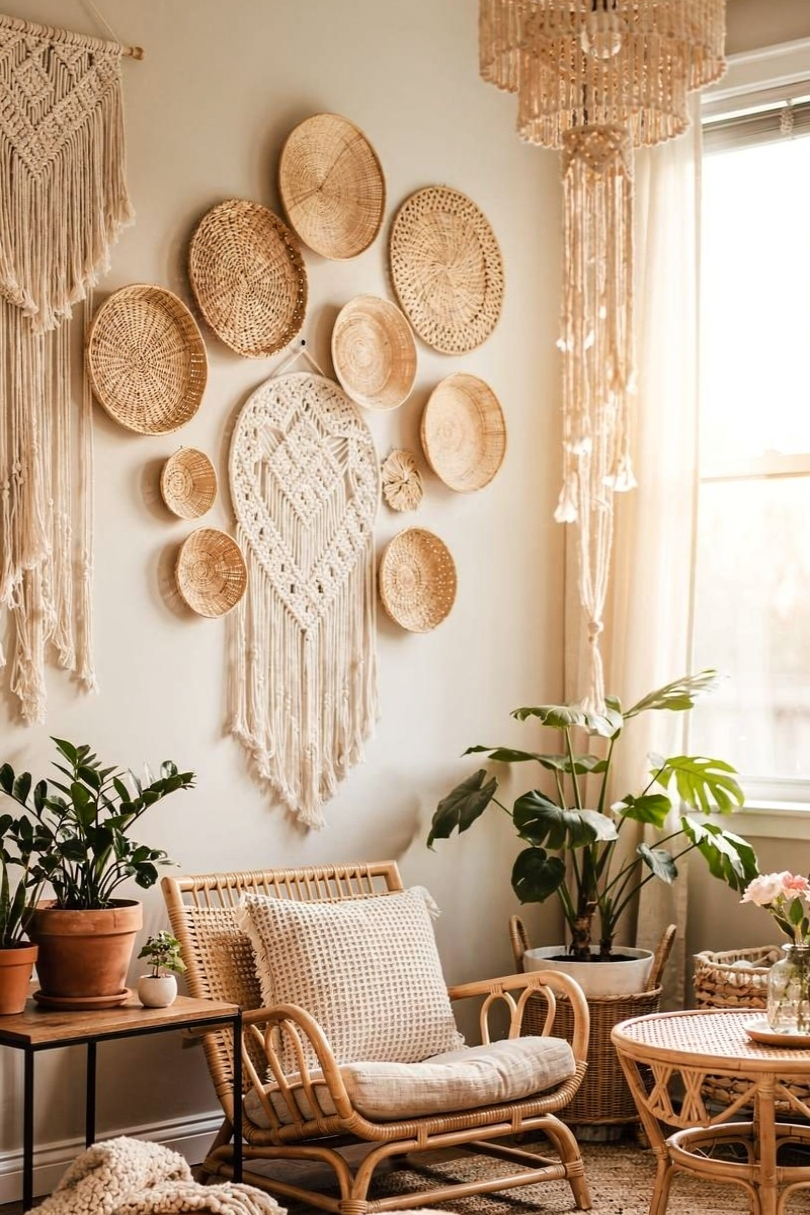
Covering expansive drywall surfaces with traditional framed art prints quickly becomes an expensive, wallet-draining logistical and financial nightmare.
Creating a bohemian gallery wall with woven baskets is an affordable and creative way to decorate blank walls. Instead of expensive artwork, you can use handcrafted or thrifted baskets to add texture, warmth, and a natural feel to your space.
Woven baskets come in different sizes, shapes, and patterns, which makes them perfect for visual variety. Mixing large and small baskets helps create balance and interest on the wall. Their natural fibers also bring a cozy, earthy boho style to any room.
Arranging baskets in a thoughtful layout is important for a clean look. You can place a large basket in the center and surround it with smaller ones, or create a scattered pattern for a more relaxed style. Planning the layout on the floor first helps you avoid mistakes on the wall.
You can also combine baskets with other simple decor items. Adding mirrors, wall hangings, or dried flowers can make the gallery wall more dynamic and stylish. This mix enhances the bohemian aesthetic without increasing costs.
Using lightweight baskets makes installation easy and damage-free. Most baskets can be hung with small nails or adhesive hooks, which are budget-friendly and simple to use. This makes the project ideal for renters and small apartments.
Overall, woven basket gallery walls are a low-cost way to achieve a stylish boho look. They are sustainable, customizable, and perfect for adding personality to plain walls without spending much money.
Rewiring Cheap Wicker Lighting
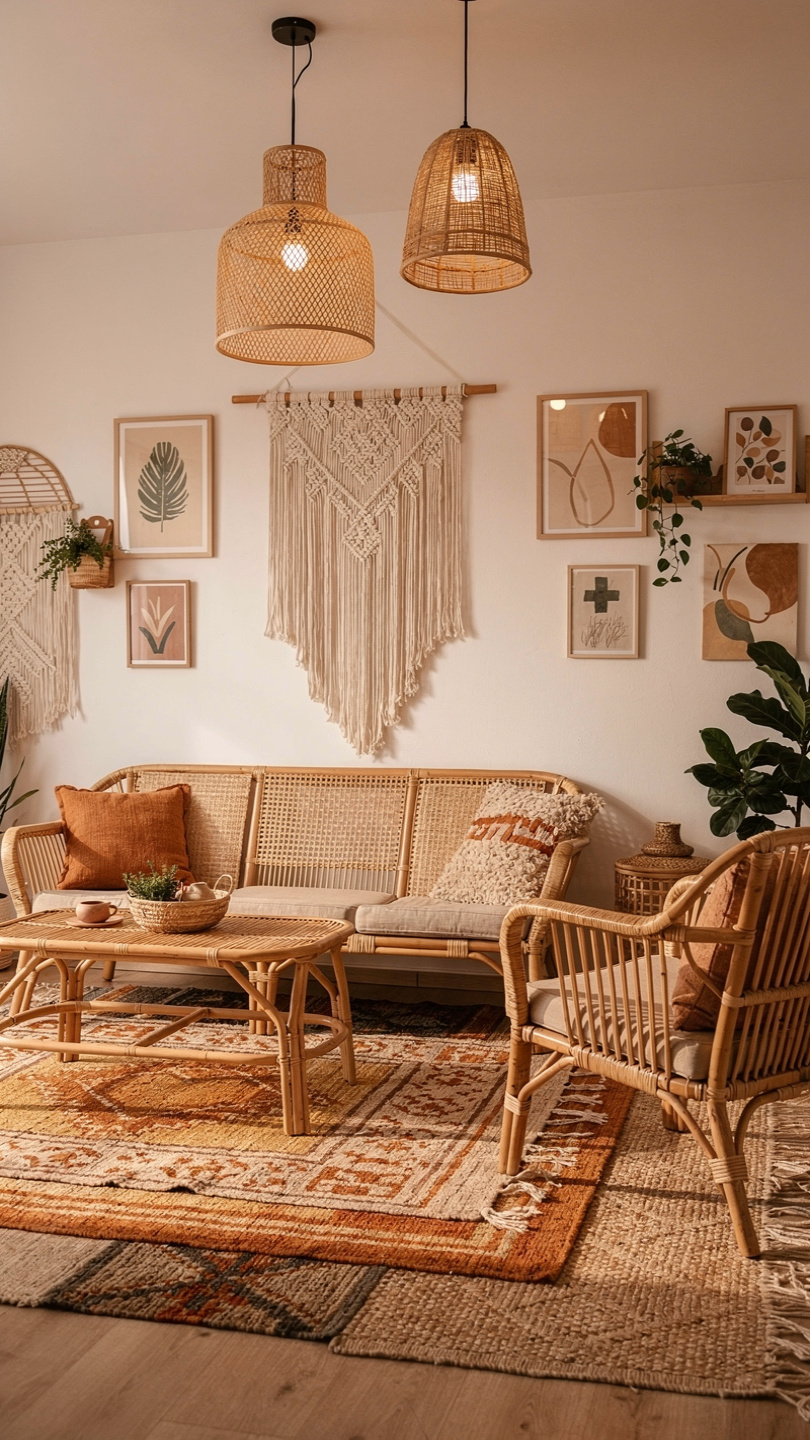
Rewiring cheap marketplace wicker lighting is a smart way to upgrade low-cost lamps into safe and stylish decor pieces. Many budget wicker lights look beautiful but may have weak wiring or unsafe fittings, so improving the electrical parts increases both safety and performance.
Before starting, always unplug the light and remove the old wiring carefully. Take note of how the original bulb holder and cord are connected so you can replace them correctly. Working slowly and safely is important to avoid damage to the wicker structure.
Replace old wiring with a new, certified lamp cord and socket. This ensures the light works properly and reduces fire risk. You can also choose better quality bulb holders that match modern safety standards and improve durability.
While rewiring, check the wicker frame for loose or broken sections. Small repairs can be done using glue or thin wire to restore shape and strength. This helps the lamp last longer and look more refined.
Once rewired, you can upgrade the look by using warm LED bulbs. These bulbs highlight the natural texture of wicker and create a soft, cozy glow. This simple upgrade transforms a cheap piece into a designer-style lighting feature.
Overall, rewiring wicker lighting combines safety, creativity, and budget-friendly design. It allows you to reuse affordable finds while turning them into unique, high-quality home decor pieces.
Floor Cushion Seating Styling
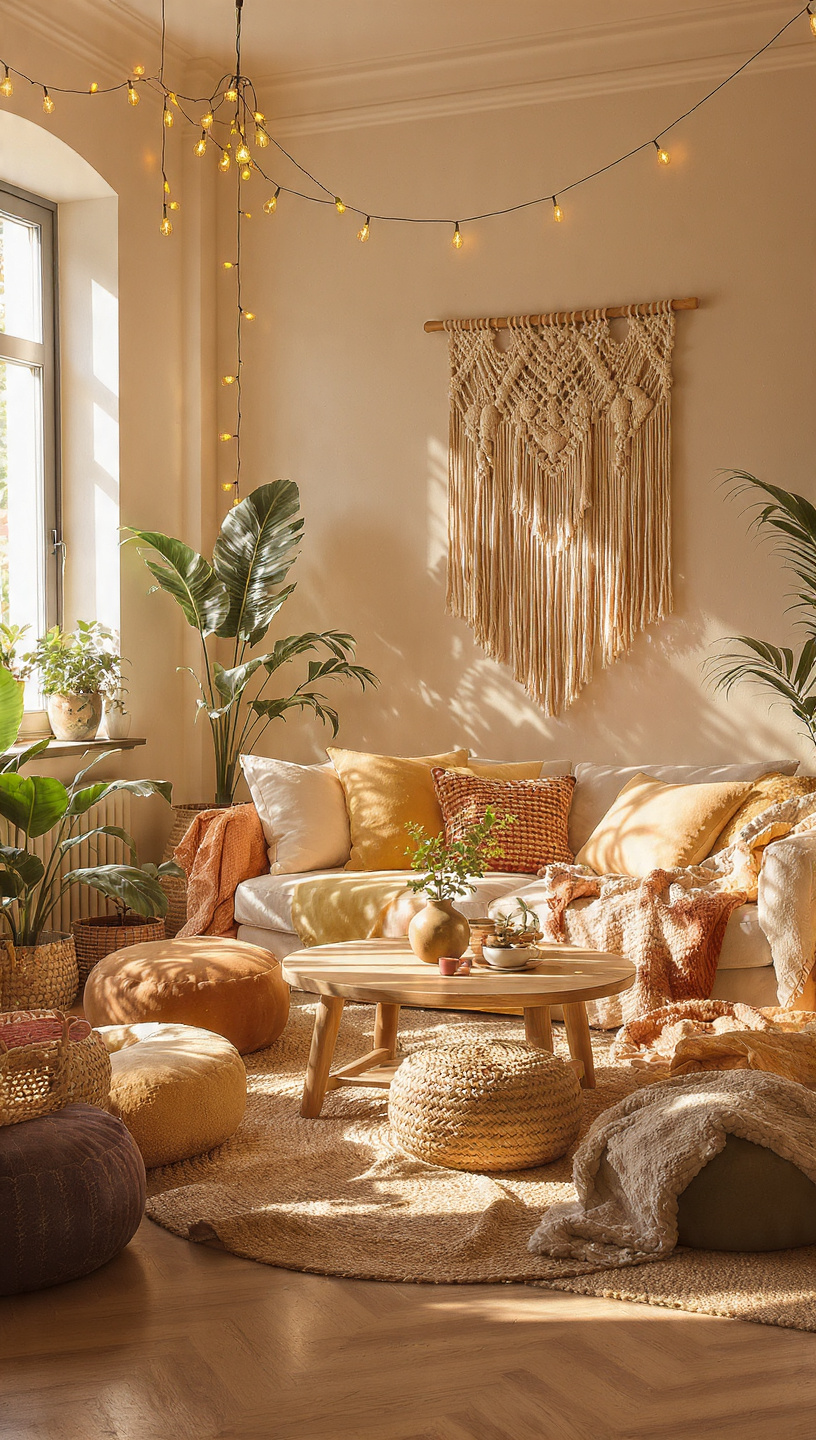
Low profile seating with floor cushions is a simple way to create a relaxed and cozy space. It works especially well in small rooms, studio apartments, or casual living areas where traditional furniture may feel too heavy or crowded.
Floor cushions come in different shapes, sizes, and fabrics, which makes them easy to style. Mixing textures like cotton, linen, and woven fabrics adds visual interest while keeping the space soft and inviting. Neutral tones can create a calm look, while bold colors add personality.
Arranging cushions in a thoughtful layout helps define the seating area. You can place them in a circle for group seating or along a low table for a casual lounge setup. Adding a rug underneath helps anchor the space and makes it feel more complete.
Low tables or trays work well with floor seating for eating, reading, or working. Keeping furniture low maintains the open feel of the room and supports a relaxed lifestyle. This setup is flexible and can be easily changed when needed.
Lighting also plays an important role in floor seating areas. Soft floor lamps, lanterns, or warm string lights create a cozy atmosphere without overpowering the space. This helps maintain comfort and enhances the relaxed mood.
Overall, floor cushion seating is a budget-friendly and stylish way to design flexible living spaces. It brings comfort, warmth, and a casual vibe that works well in modern and minimalist interiors.
Upcycling Wooden Accent Furniture
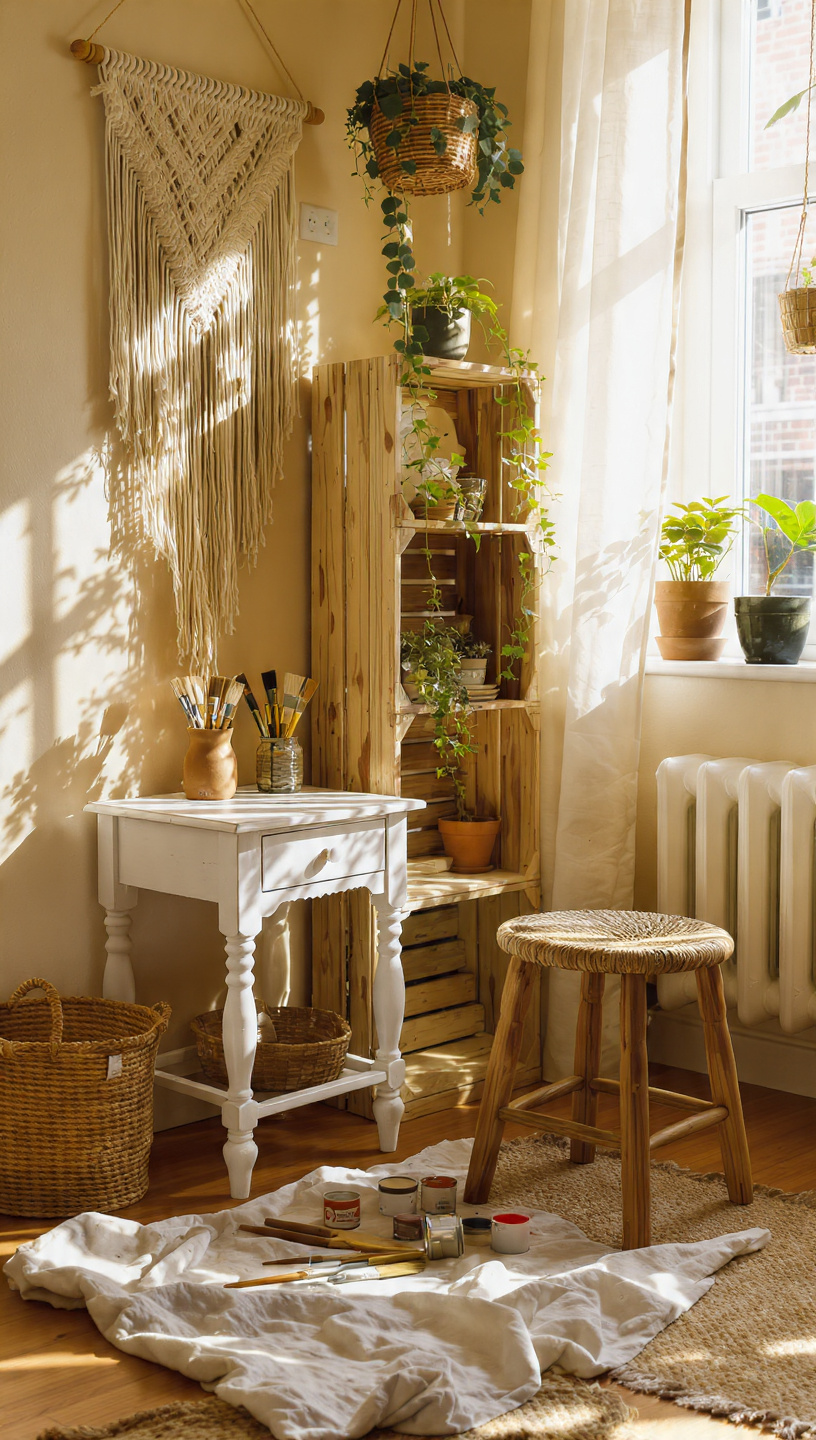
Upcycling outdated wooden furniture is a simple way to refresh your home without buying new pieces. Old chairs, tables, or cabinets can be transformed into stylish accents with a little creativity and effort. This helps reduce waste while saving money.
One of the easiest methods is sanding and repainting the wood. A fresh coat of paint or stain can completely change the look of an old piece. Light colors create a modern feel, while darker tones add a rich, classic style.
Changing small details like handles and knobs can also make a big difference. New hardware gives old furniture a fresh, updated appearance without major work. Metallic or wooden finishes can help match your interior style.
You can also experiment with decorative techniques like distressing or stenciling. These methods add texture, patterns, and character to plain surfaces. They are great for creating rustic, vintage, or artistic looks.
Rearranging or repurposing furniture is another creative idea. An old wooden cabinet can become a TV stand or storage bench with small adjustments. This gives new life to unused items in a practical way.
Overall, upcycling wooden furniture is a budget-friendly and eco-friendly design solution. It allows you to personalize your space while keeping old furniture useful and stylish
Budget Bohemian Implementation Matrix
Use this strategic breakdown to focus your styling efforts on high-yield, low-cost decor solutions that maximize your apartment style without breaking your budget limits.
| Decorative Challenge | Low-Cost Bohemian Fix | Essential Sourcing Hack | Material Focus |
| Boring White Rental Walls | Multilayered woven basket clusters paired with simple hanging jute plant vining ropes. | Fleet market kitchen bins and local community plant clipping swap meets. | Lightweight natural seagrass, sweetgrass reeds, and organic cotton jute cords. |
| Ugly Outdated Rental Sofas | Full coverage textile masking using overlapping vintage fringed shawls and heavy woven throws. | Estate clearance textile trunks and secondhand thrift store clothing racks. | Thick textured cotton weaves, chenille patterns, and raw wool elements. |
| Sterile Overhead Lighting | DIY inverted wicker patio basket pendants suspended from basic utility cord kits. | Facebook Marketplace patio clearouts and cheap online lighting warehouse kits. | Woven rattan fibers, split bamboo reeds, and warm soft-glow LED elements. |
| Expensive Retail Seating | Low-profile floor lounge zones using stacked structural cushions inside vintage graphic cases. | Repurposed internal sleeping pillows and free wooden transport pallets. | High-density fiber fills, printed canvas covers, and sanded raw timber. |
Wrap-Up
Executing a successful living room transformation under a $200 threshold proves a fundamental rule of interior decorating: creativity, curation, and time can successfully substitute for financial capital.
The Bohemian aesthetic is uniquely forgiving of mismatched woods, secondhand wear, and handmade elements. In fact, it thrives on them. When you are decorating on a micro-budget, your primary strategy should always be to avoid low-quality, mass-produced budget items and instead hunt for high-quality, pre-loved materials that possess authentic texture and history. By focusing your limited funds on high-impact anchor elements—like a central statement textile or structural green flora—and filling the gaps with resourceful DIY solutions, you create a space that feels deeply personal rather than corporate.
Before you open an online retail app, look to your local secondhand markets, evaluate your existing items for potential transformation, and remember that a beautifully curated home is built over time, layer by layer.