Interior design trends are everywhere—filling our Pinterest boards, Instagram feeds, and dream home wish lists. From cozy minimalist spaces to bold statement interiors, every style promises to transform your home into something beautiful. But do these trends actually live up to the hype when you try them in real life?
Curious to find out, I decided to test some of the most talked-about interior design styles for myself. I experimented with different layouts, color palettes, furniture choices, and decorative accents to see which trends truly enhanced my space and which ones were harder to maintain than they appeared online.
Some styles instantly made my home feel more inviting, elegant, and functional. Others looked stunning in photos but came with unexpected challenges that many design influencers rarely mention. The experience completely changed how I view popular home décor trends.
In this honest review, I’m sharing my personal experience with five of today’s most popular interior design styles—the good, the bad, and the surprising. If you’re planning a room makeover and wondering which trend is actually worth trying, these real-life insights may help you avoid costly mistakes and find a style you genuinely love.
To help you understand how these five famous home design styles actually perform in a normal house, review this quick introductory table. This chart highlights the basic concept of each look before we explore the daily living reality of trying them out.
| Design Trend Style | Main Visual Focus | Intended Living Room Vibe | Initial Setup Difficulty |
| Warm Minimalist | Hidden storage and clean open spaces | Peaceful calm sanctuary away from daily clutter | Surprisingly easy to plan |
| Industrial Loft | Exposed metal pipes and raw brick walls | Modern urban warehouse look with a masculine edge | Medium effort to source |
| Biophilic House | Living plant walls and natural raw wood | Deep organic connection to the outdoor wilderness | High maintenance over time |
| Maximalist Eclectic | Bold clashing patterns and bright neon colors | Creative self expression with zero strict design rules | Hardest to balance correctly |
| Cottagecore Rustic | Vintage floral prints and distressed furniture | Cozy old English countryside farmhouse warmth | Easy to thrift on a budget |
Smart Interior Design Choices
Walking into a home design studio or scrolling through Instagram can make you feel completely overwhelmed by all the beautiful decor options. Many people think that choosing a popular interior design trend guarantees that their home will instantly look like a luxury magazine cover.
The reality is that some of the most famous design styles look stunning in pictures but feel incredibly frustrating to live with every day. With a little bit of honest advice, you can easily separate highly practical setups from expensive, high-maintenance headaches.
By exploring my personal design experiments, you can learn which styles offer real comfort and which ones are just passing social media fads. Let us break down the exact lessons from five popular home design trends so you can style your space with total confidence.
Modern Minimalist Design
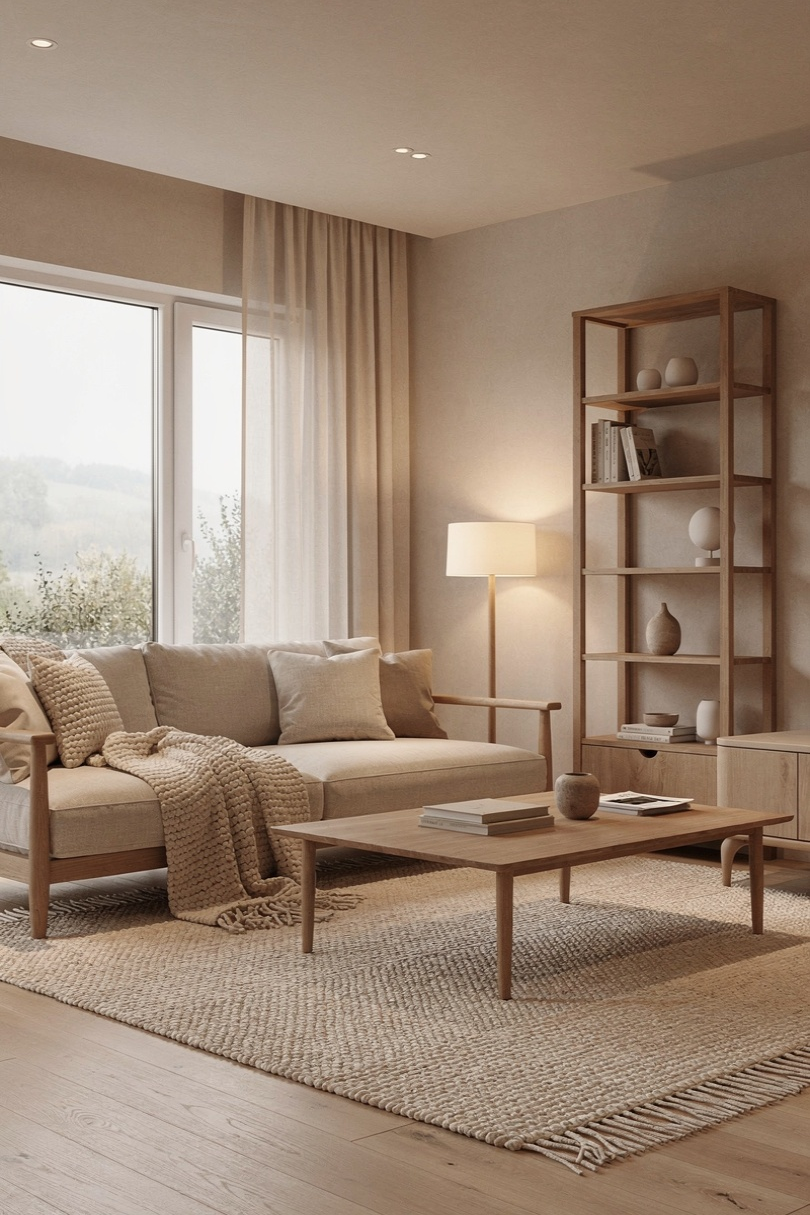
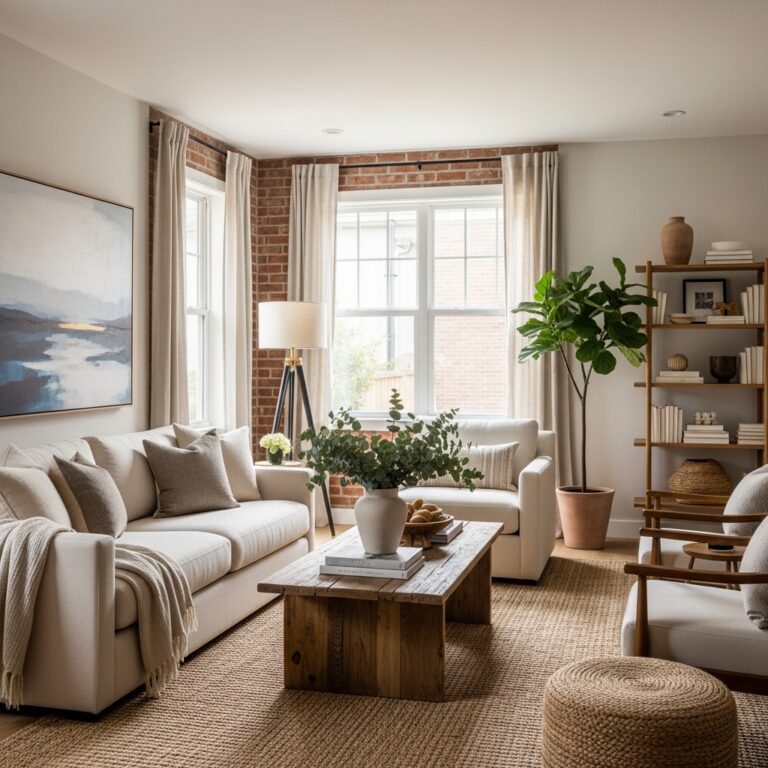
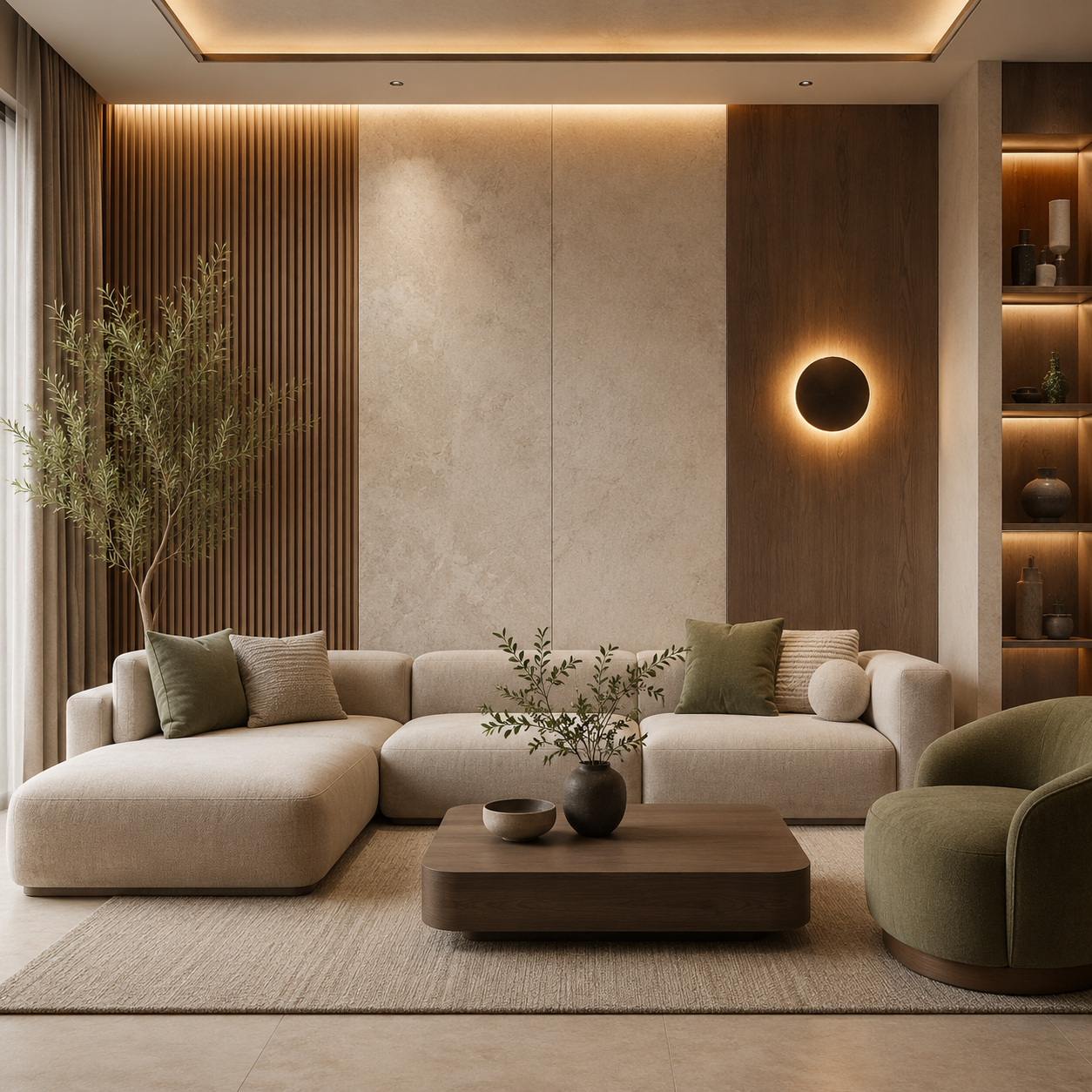
My first major design experiment involved clearing out all my random knick-knacks to create a completely clean, warm minimalist living room. The core idea behind this popular style is using hidden storage cabinets and bright neutral tones to give your mind a quiet place to rest.
Living in a minimalist room feels incredibly peaceful during the first few days because there is absolutely zero messy visual clutter around you. The wide open spaces and smooth beige surfaces make your home feel like a high-end luxury spa where you can instantly destress.
However, keeping this look picture-perfect requires an exhausting amount of daily cleaning discipline that quickly becomes a second full-time job. Every single coffee mug, mail envelope, or stray pair of shoes immediately destroys the entire calm aesthetic the moment you set them down.
If you have a busy family or young pets, true minimalism can feel a bit cold, sterile, and emotionally exhausting over time. It is a fantastic choice for quiet home offices but can sometimes lack the lived-in warmth that makes a family house feel truly welcoming.
Industrial Interior Style
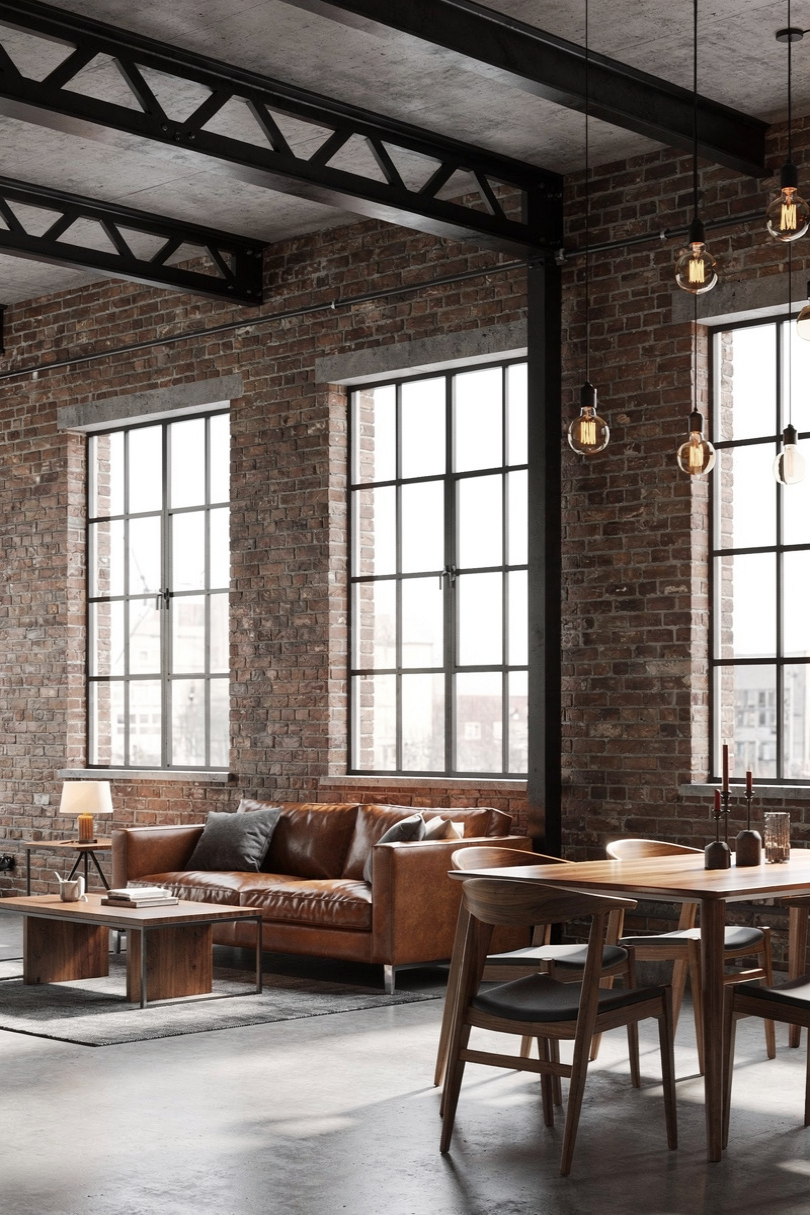
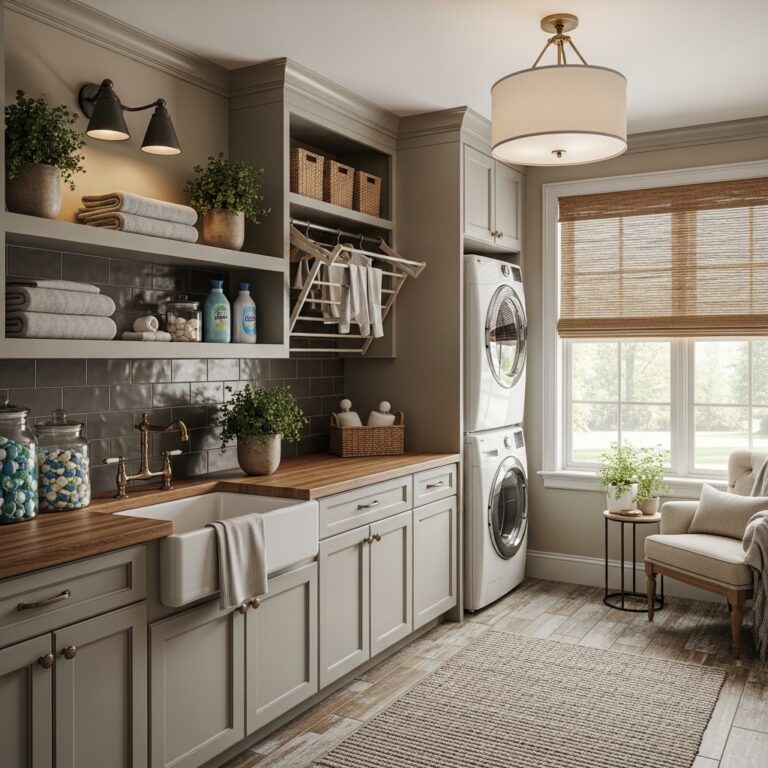
To capture a cool urban vibe, I tried out the industrial loft trend by adding matte black metal racks and faux brick accent wallpapers. This style loves to celebrate raw architectural elements like exposed concrete floors, heavy iron hardware, and giant unadorned warehouse windows.
The major benefit of going industrial is that the heavy-duty materials used are incredibly tough and can easily handle years of rough daily wear. Scratches on dark metal stools or dents in rustic wooden tables actually blend in perfectly and make the furniture look more authentic.
The downside is that a room filled with nothing but cold metals and hard concrete can end up feeling very dark and depressing during winter. Without massive warehouse windows to bring in tons of natural sunlight, the dark charcoal colors can quickly shrink a standard apartment space.
Additionally, hard metal chairs and stiff leather sofas are rarely comfortable for a long evening of lounging around and watching television. If you choose this look, you must add plenty of soft elements to prevent your home from feeling like a freeze
urban modern style
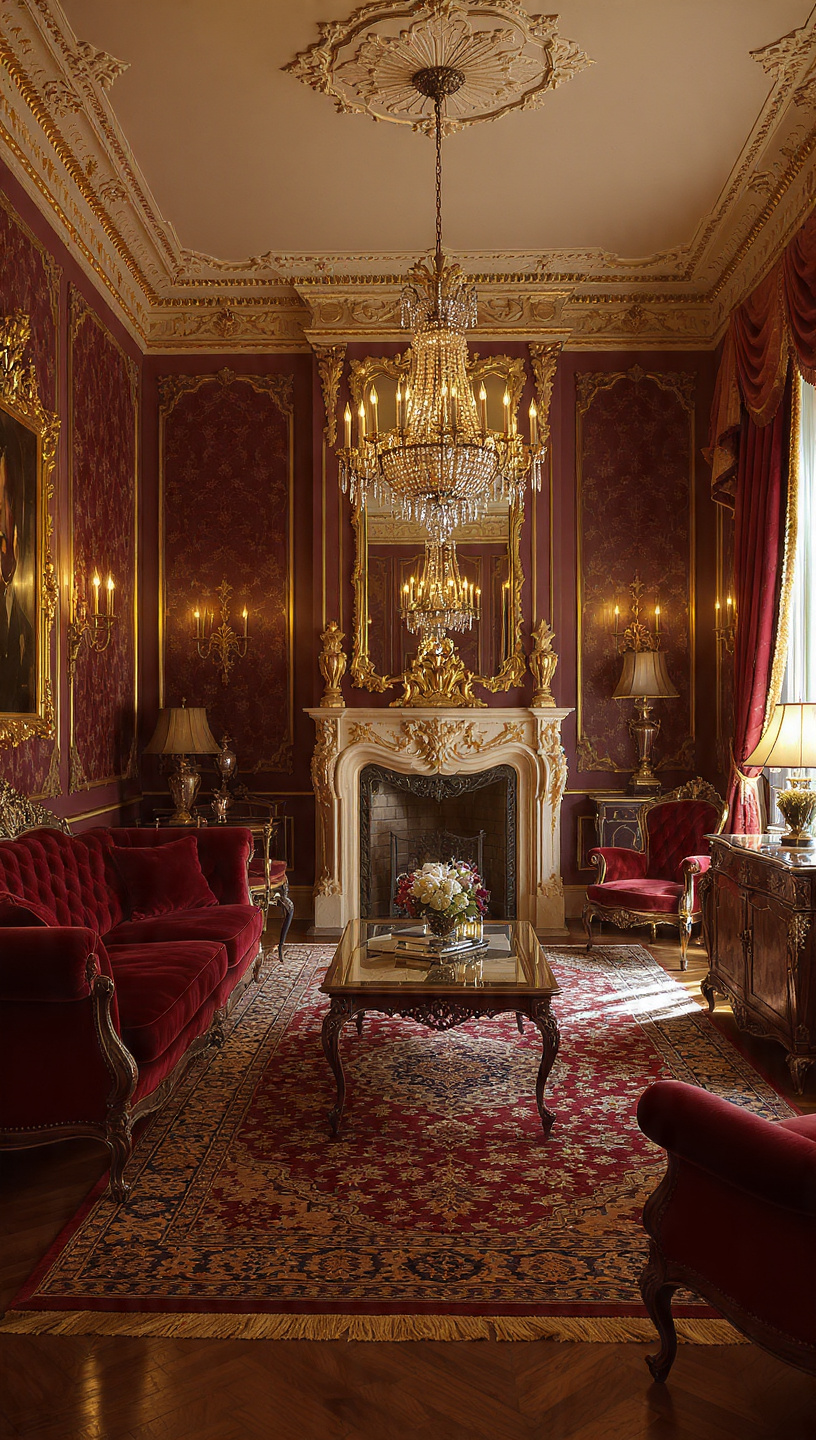
The traditional elegance style relies on classic European design rules, symmetrical furniture layouts, and rich dark wood pieces. I tried this timeless look by arranging matching tufted armchairs, a formal velvet sofa, and antique brass candleholders around a central fireplace.
Living with a traditional setup makes your entire home feel incredibly grand, sophisticated, and like a wealthy historic estate. The heavy fabrics and perfectly balanced furniture layouts create a strong sense of order and luxurious stability that feels very comforting.
The main issue is that formal traditional furniture layouts can feel very stiff and uninviting for casual, modern everyday living. Guests often feel hesitant to sit down or relax because the room looks more like a restricted museum display than a cozy home.
Additionally, the elaborate carved details on dark mahogany tables and heavy pleated drapes require constant, tedious dusting to prevent allergen buildup. It is an amazing option for a formal dining room but can feel a bit too rigid for a relaxed family lounge.
Mid Century Modern Style
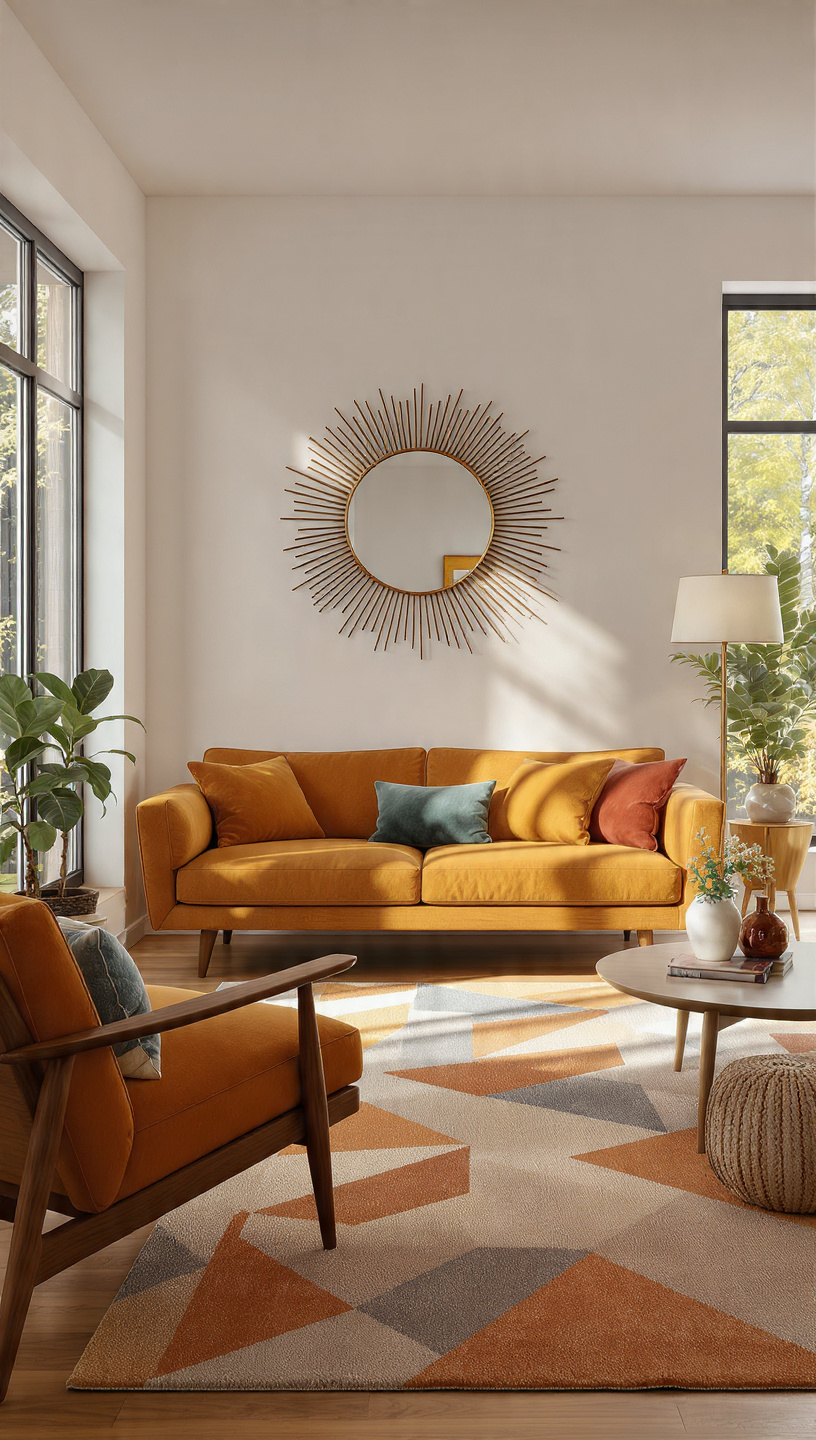
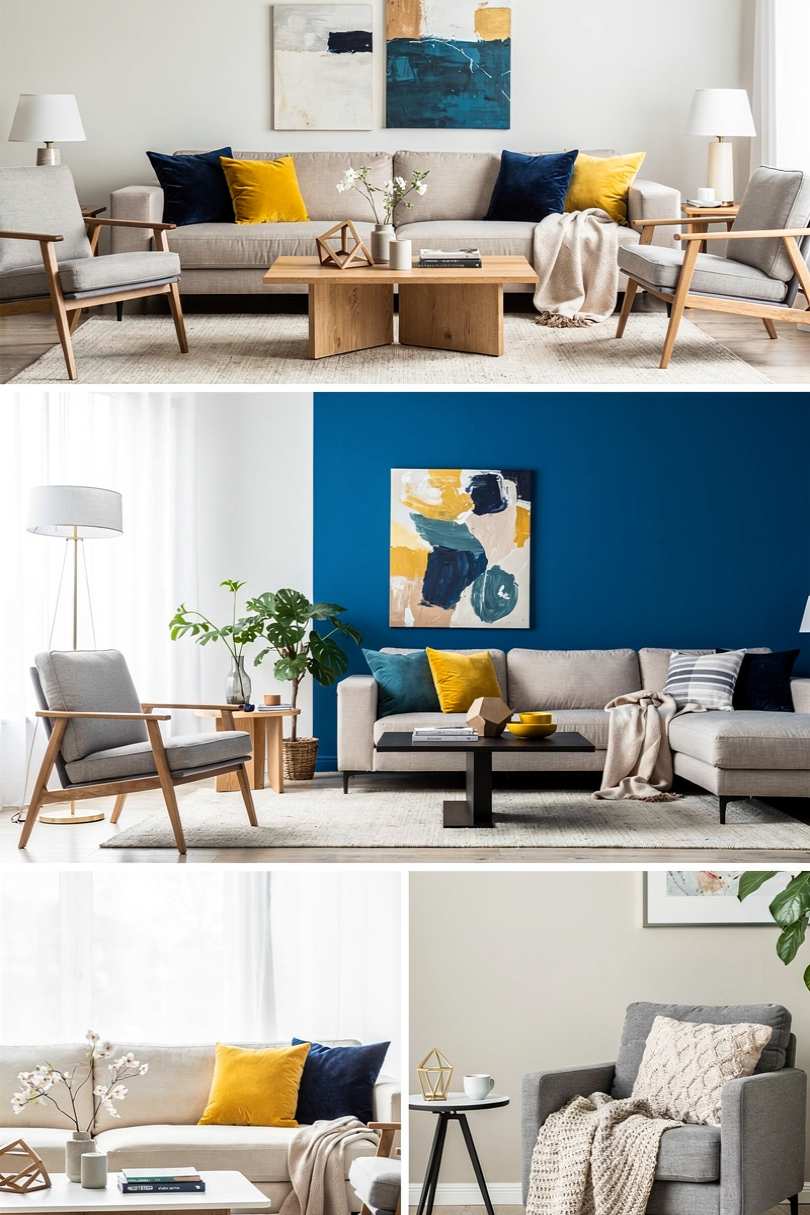
Mid-century modern design focuses on the sleek, futuristic furniture shapes that were popular in America during the nineteen fifties and sixties. I decorated using iconic low-profile wooden credenzas, peg-leg armchairs, and bold abstract art pieces with geometric graphic prints.
The best part about this style is that the clean lines and raised furniture legs make small rooms look incredibly spacious and bright. The beautiful mixture of natural walnut timbers and cheerful retro colors gives the living space a very cool, artistic personality.
However, many authentic mid-century chairs are built with stiff wood frames and thin cushions that prioritize shape over actual human comfort. Sitting on a stylish retro sofa for a long movie night can quickly leave you with a very stiff and aching back.
It is also a highly saturated trend online, which means that cheap, low-quality plastic knockoffs are flooding the mass consumer retail market. You must invest in high-quality wood pieces to prevent your retro room from looking like a cheap television set decoration.
Green Home Design Ideas
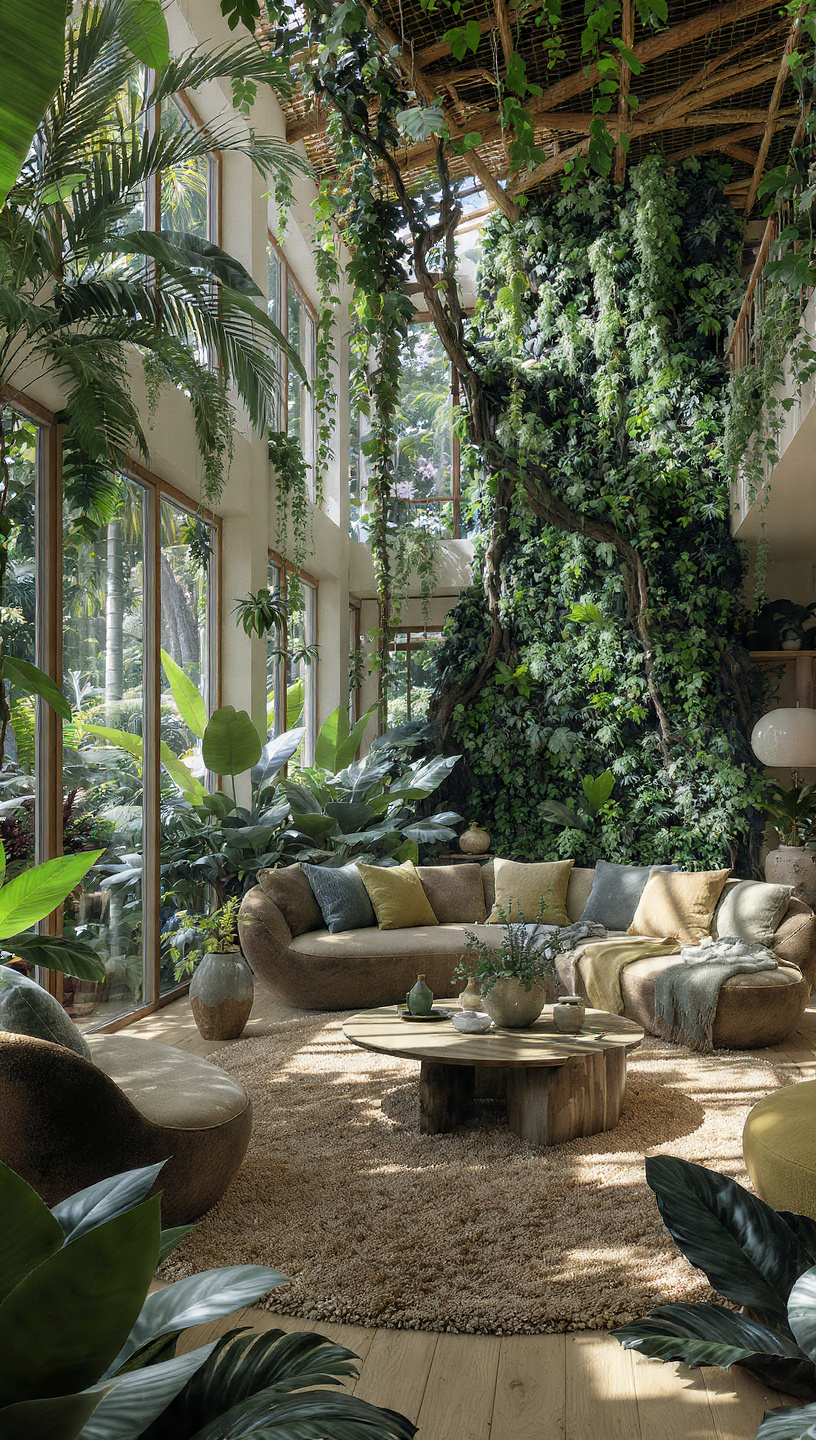
The biophilic design trend is all about packing your living space full of green potted plants to bring the healing power of nature indoors. I filled every empty corner with tall leafy ferns, hanging ivy vines, and beautiful potted trees to create a living indoor jungle.
Waking up surrounded by fresh green leaves feels amazing and instantly boosts your daily mood while purifying the indoor air quality. The natural textures of woven wicker baskets and raw wooden plant stands add an organic warmth that synthetic materials can never match.
The hidden nightmare of this look is the massive amount of time you must spend watering, pruning, and managing indoor dirt. I accidentally turned my living room into a breeding ground for tiny bugs, and tracking down a sick plant became a constant weekly chore.
If you do not have a natural green thumb or hours of free time, a heavy biophilic layout will quickly wither away into a brown mess. It is much wiser to start small with two or three resilient houseplants before turning your entire home into a high-maintenance greenhouse.Expressive Home Style
Expressive Home Style
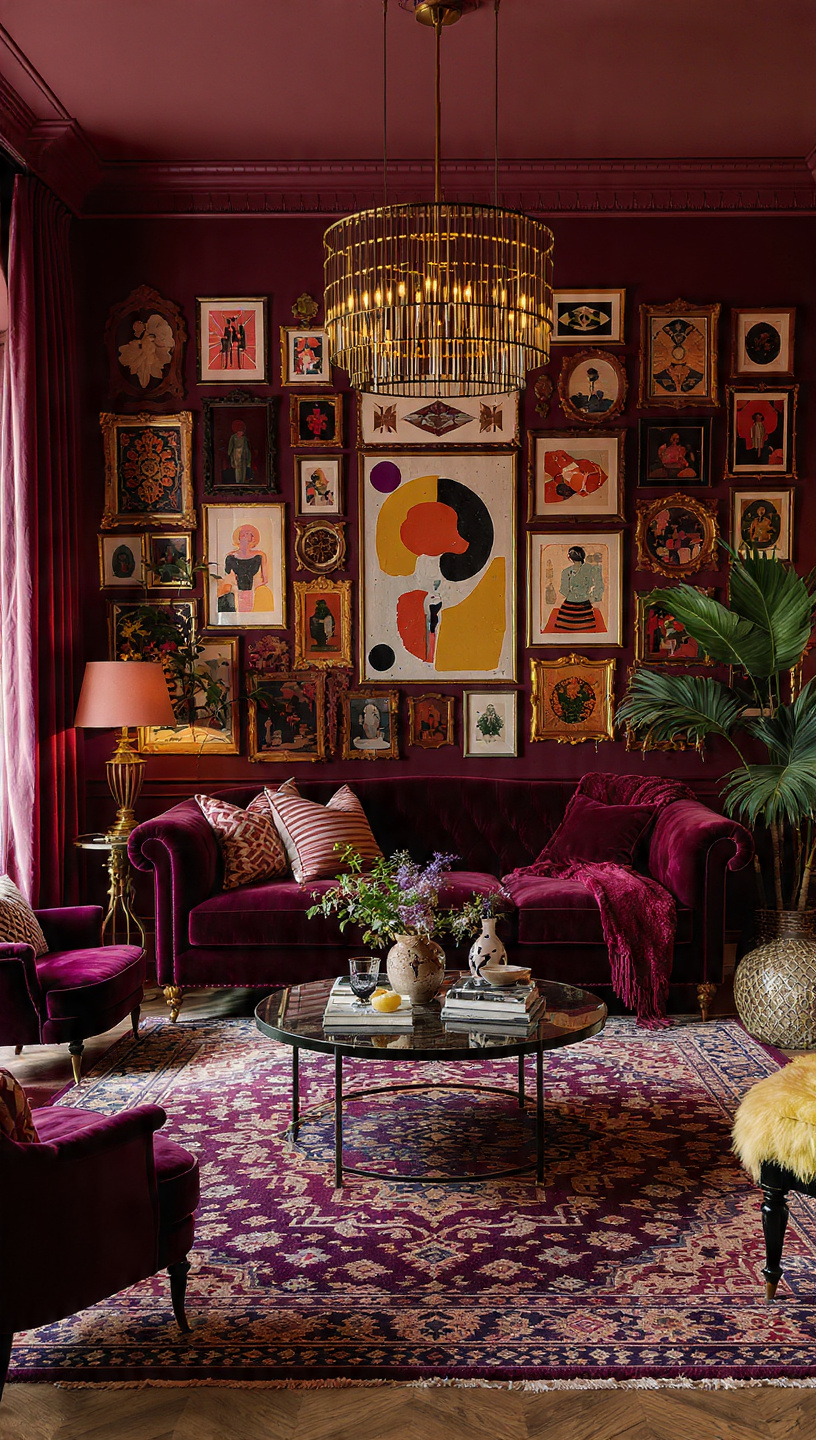
Maximalism is the exact opposite of minimalism because it encourages you to proudly display your entire collection of art, books, and vintage decor. I tried this trend by mixing bold cheetah-print pillows, bright teal walls, and a gallery wall packed with mismatched gold picture frames.
This style is incredibly fun because it allows your unique personality to shine through every single corner of the room without any rigid rules. You can freely display your favorite travel souvenirs and colorful thrift store finds next to each other without worrying about matching.
The dangerous trap here is that the fine line between chic maximalism and a chaotic, messy junk shop is incredibly thin and easy to cross. If you do not curate your colorful items with an expert eye, the room can quickly become a loud, dizzying headache.
After a few months, the intense sensory overload of clashing patterns and bright neon colors started making me feel anxious in my own home. This wild style works beautifully for a creative art studio but can easily overwhelm a space meant for quiet evening sleep.
URBAN HOME STYLE
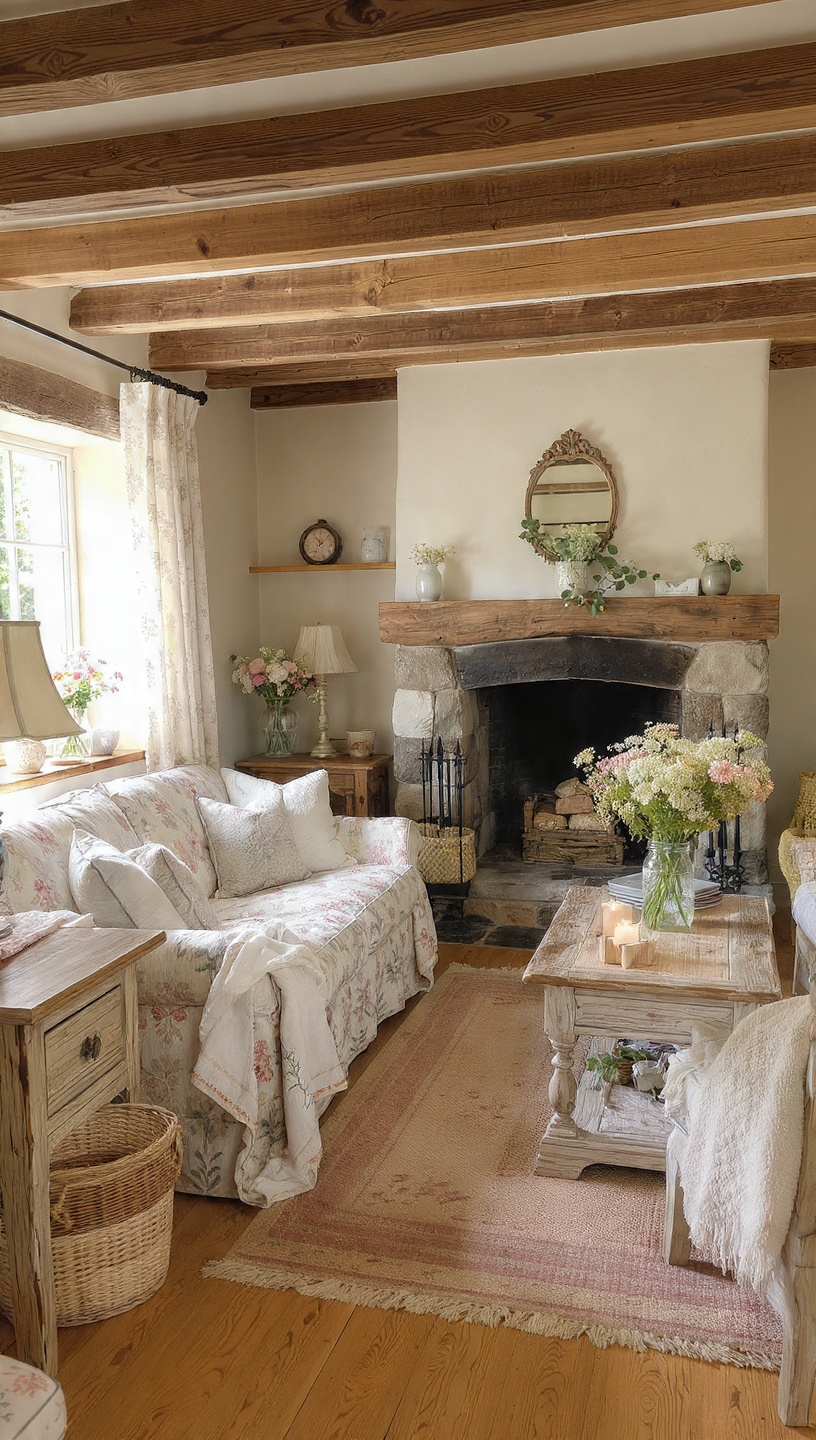
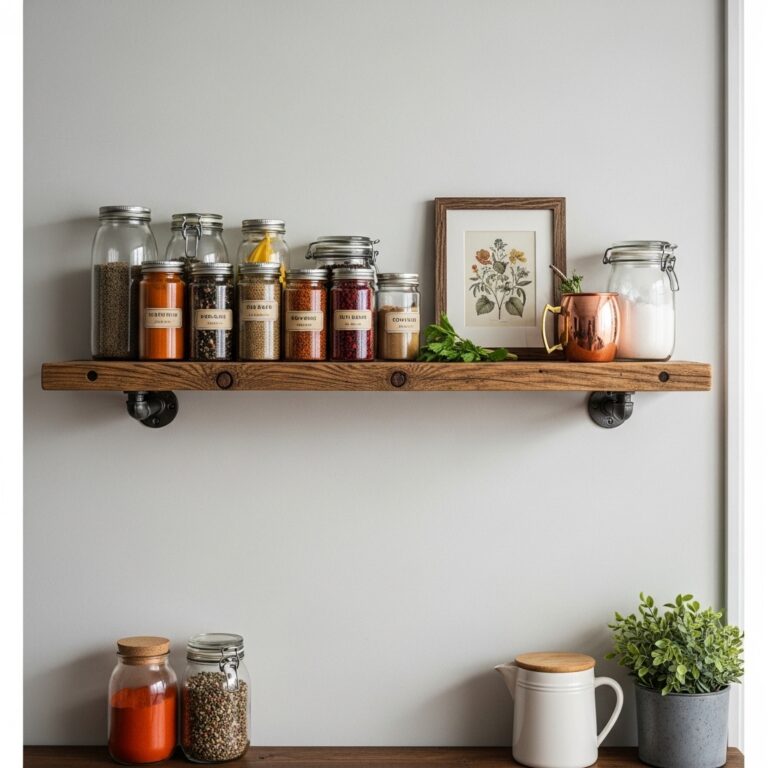
My final design trial was cottagecore, which attempts to recreate the romantic feeling of a cozy vintage cottage hidden deep in the English countryside. I decorated using soft floral curtains, antique wooden rocking chairs, and plenty of dried lavender bouquets arranged in old ceramic jugs.
This charming style is incredibly forgiving because it actively celebrates the natural beauty of aged, chipped, and second-hand thrifted furniture pieces. You can easily find gorgeous decor items at local garage sales for just a few dollars, making it highly budget-friendly.
The daily living experience is exceptionally cozy because the style relies heavily on plush, oversized couches and soft, warm lighting setups. It creates a safe, nostalgic sanctuary that makes you want to bake fresh bread and curl up with a good book for hours.
The main challenge is that too much lace, floral print, and antique clutter can easily make your home look like your grandmother’s dusty attic. To keep it feeling fresh, you must mix these old-world items with clean modern lines so the space stays relevant.
Shopping Strategy
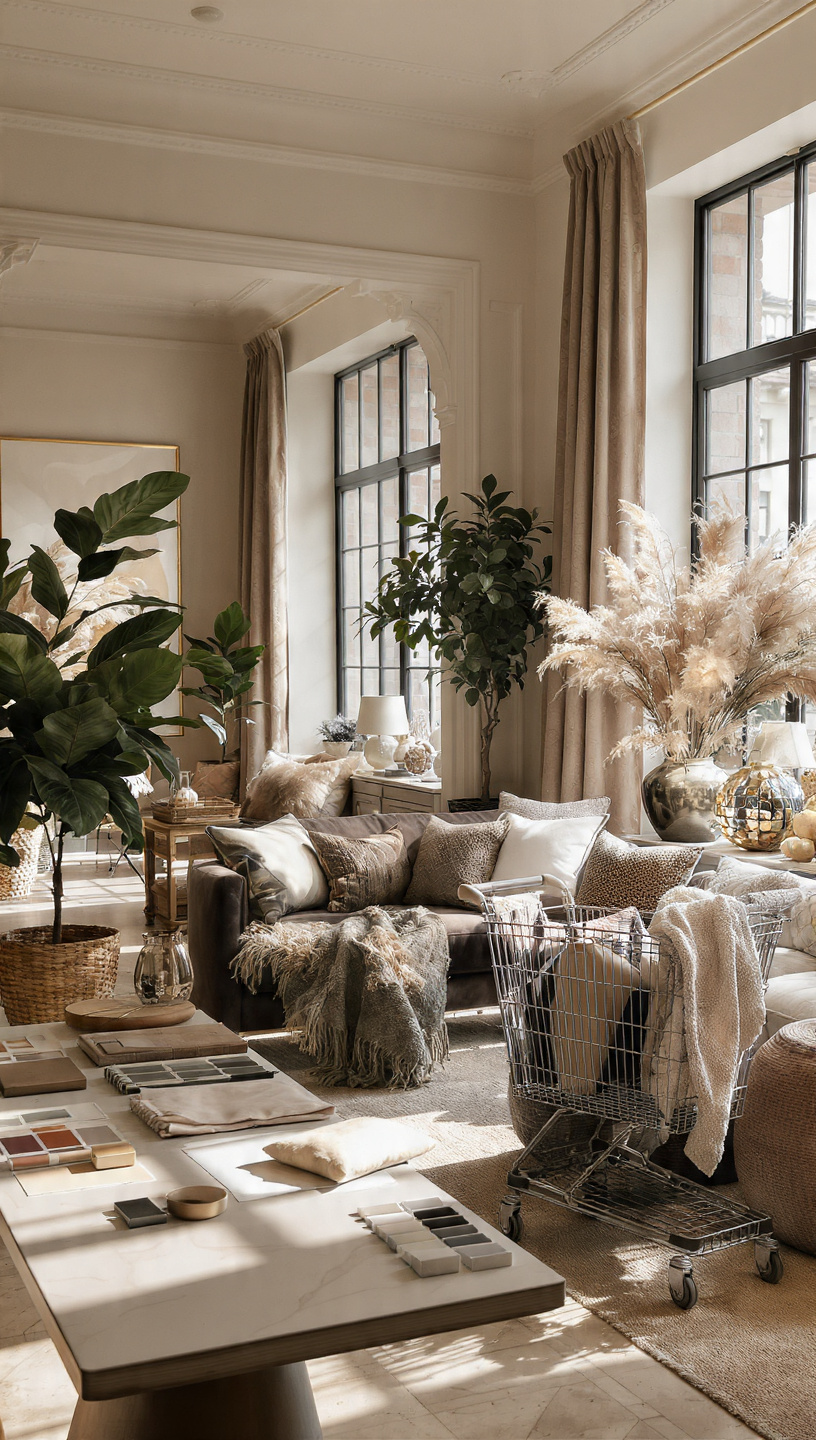
Before spending your money on a specific interior design trend, use this quick reference guide to see which styles fit your daily routine. Matching your personal habits to the right decor elements ensures that your home stays beautiful and easy to manage.
| Your Daily Lifestyle | Best Design Trend Match | Top Decorative Item to Buy |
| Busy schedule with no free time | Warm Minimalist Style | Hidden storage cabinets and sleek cream-colored bins |
| Rough pets and playful young kids | Industrial Loft Style | Distressed wood coffee tables and sturdy iron shelves |
| Loves gardening and nature walks | Biophilic House Style | Easy-to-care-for pothos plants and woven wicker baskets |
| Creative artist who loves color | Maximalist Eclectic Style | Unique vintage gallery frames and bold accent pillows |
| Budget shopper who loves thrifting | Cottagecore Rustic Style | Floral cotton throw blankets and antique ceramic vases |
Wrap-Up
In conclusion, trying out different design trends taught me that the best style is the one that actually fits your daily routine. While some trends look beautiful on your phone screen, they can quickly become annoying if they require constant cleaning or do not offer enough physical comfort.
Decorating your home should never be about creating a perfect museum display; it should be about building a practical, welcoming space where you can truly relax. By understanding both the pros and cons of these popular styles, you can pick and choose the exact elements that work for your life and create a home that is both beautiful and functional.