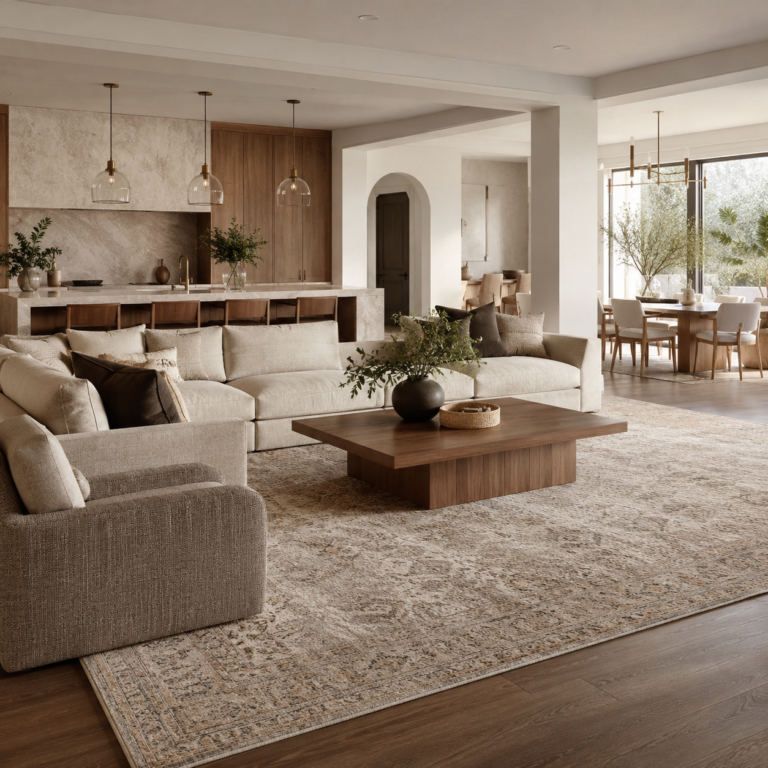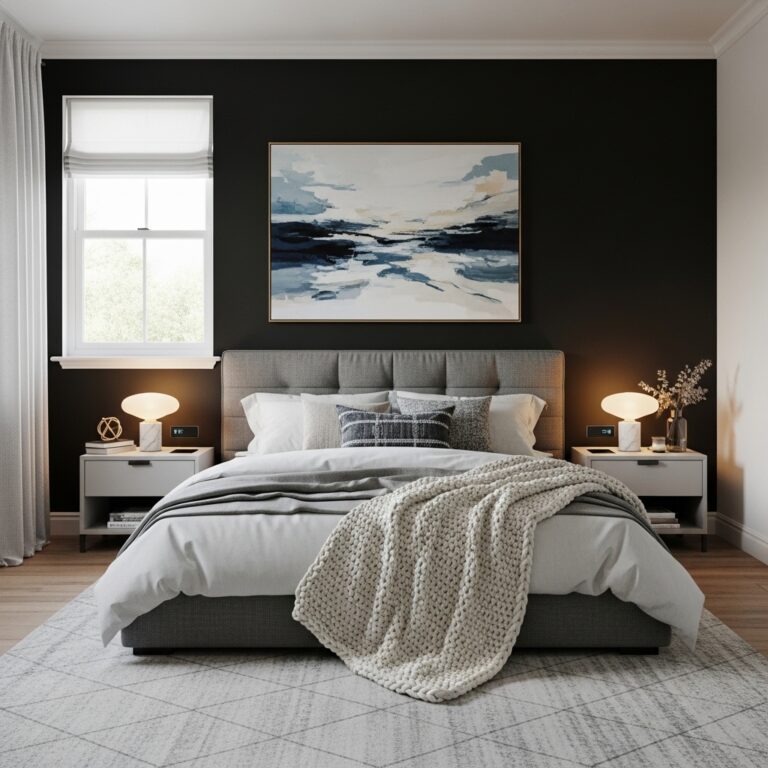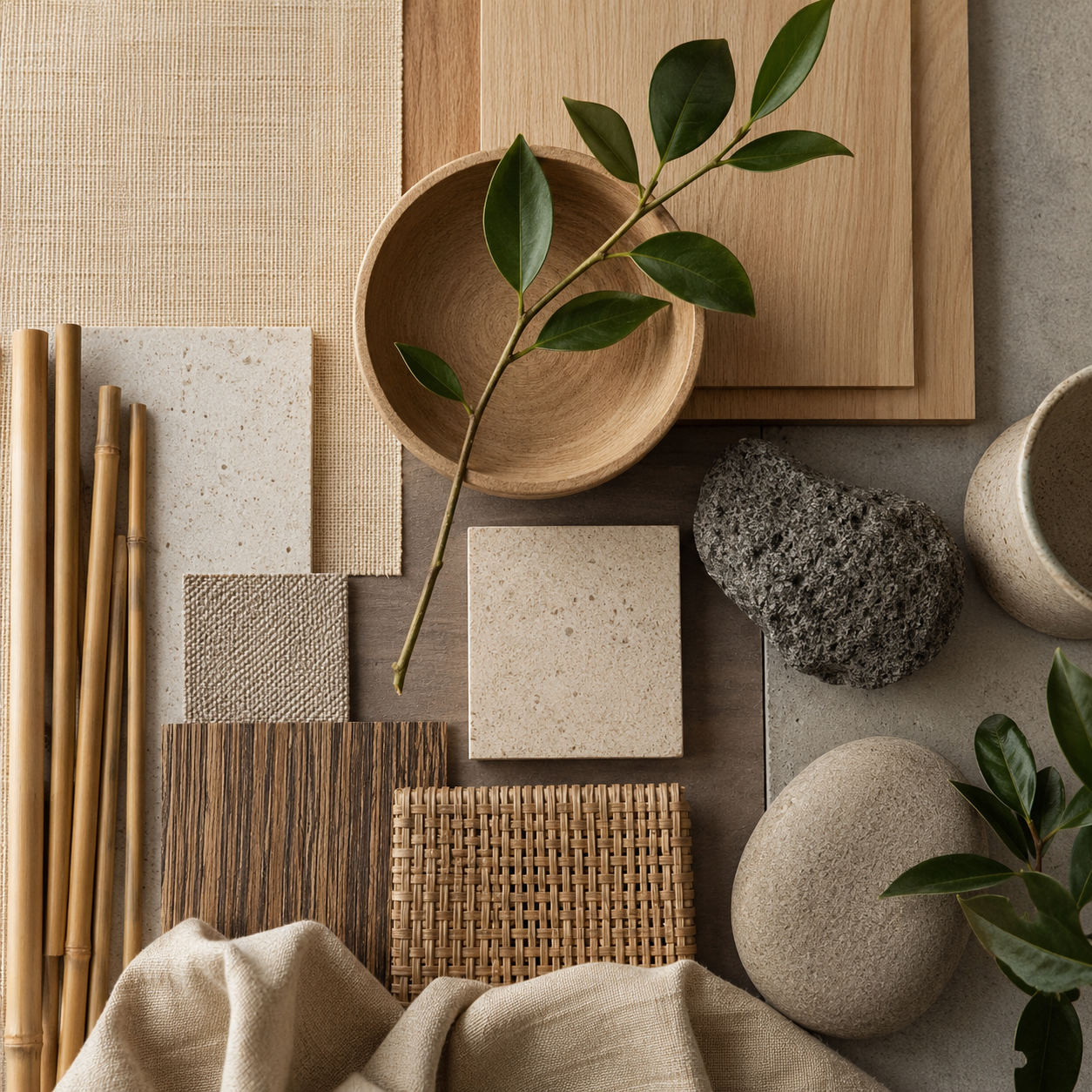
Design is fundamentally a reflection of our relationship with the world around us. In an era increasingly defined by rapid consumption and synthetic alternatives, our homes have become crucial battlegrounds for ecological responsibility. If we wish to design spaces that offer genuine peace, we must look beyond superficial aesthetics and examine the ecological footprint of every object we bring across our thresholds.
Enter Japandi—the harmonious design movement born from the unexpected union of Japanese minimalism (wabi-sabi) and Scandinavian warmth (hygge).
At its core, Japandi is not just a trend of neutral colors and low-slung furniture. It is a philosophy that honors simplicity, functional craftsmanship, and a deep, spiritual reverence for nature. Because both Japanese and Nordic design traditions are historically rooted in making the most of local, raw, and long-lasting natural elements, sustainability is the true soul of Japandi.
To build an authentic Japandi space is to make a commitment to the earth. This comprehensive, 3,000-word blueprint explores how to select, source, and integrate non-toxic, renewable, and carbon-friendly materials into your living space, elevating your home while protecting the planet.
1. The Soul of Japandi: Where Wabi-Sabi Meets Hygge Sustainability
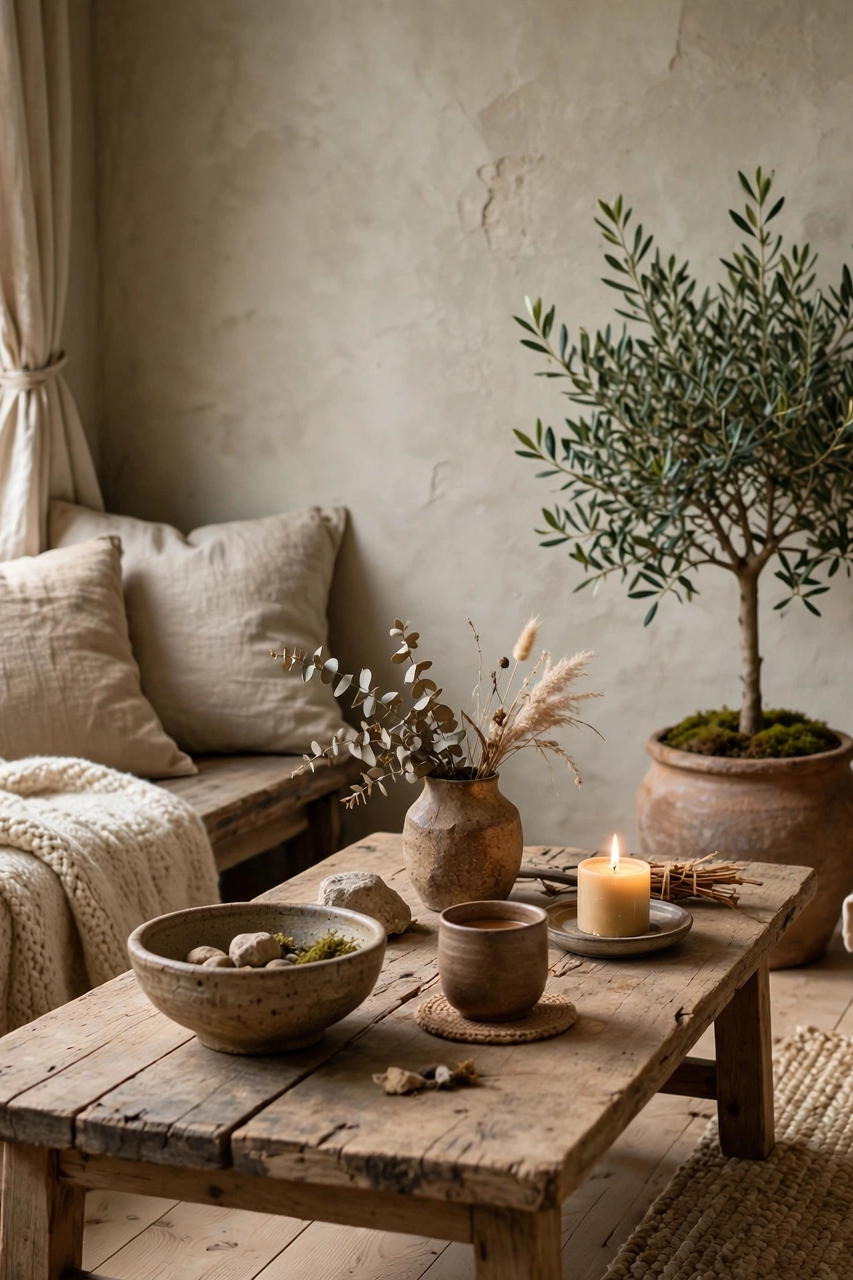
To understand why sustainability is native to Japandi, we must dissect the two ancient philosophies that form its foundation.
The Japanese Principle of Wabi-Sabi
Wabi-sabi represents a comprehensive Japanese worldview centered on the acceptance of transience and imperfection. It teaches us to find beauty in things that are simple, rustic, and natural.
- Wabi connotes rustic simplicity, quietness, and an unrefined elegance.
- Sabi refers to the beauty or serenity that comes with age, wear, and the natural progression of time.
In interior design, wabi-sabi manifests as a love for raw textures, hand-thrown ceramics, and woods that bear the knots and cracks of their natural growth. This is inherently sustainable because it rejects the artificial “perfection” of mass-produced plastics and veneers. Under a wabi-sabi lens, a scratched dining table is not ruined; it is gaining character. This mindset actively combats consumer waste by encouraging us to live with, maintain, and cherish our belongings as they age, rather than replacing them at the first sign of wear.
The Scandinavian Philosophy of Hygge
On the other side of the globe, the Danish concept of hygge celebrates coziness, contentment, and well-being. Historically, during long, dark Nordic winters, the home served as a sanctuary. To foster warmth, Scandinavian designers relied on light-toned, local woods, soft natural sheepskins, wools, and abundant natural light. Hygge emphasizes comfort and community over sterile luxury.
The Harmonious Synthesis
When these two worlds collide in Japandi, they strip away the clutter of modern life. Japandi design values clean lines and open spaces (Japanese) but ensures they never feel cold or sterile (Scandinavian). This balance is achieved through the warm, tactile feedback of natural, eco-friendly materials.
True sustainability in Japandi design exists because both parent philosophies reject the disposable. They encourage us to strip our homes down to the essentials, selecting only items that serve a physical function and bring quiet joy.
2. Sourcing the Structural Bones of the Space

Wood is the undisputed protagonist of any Japandi interior. It brings warmth, organic patterning, and an irreplaceable tactile comfort to furniture, flooring, and wall cladding. However, wood sourcing is a critical ecological issue. Illegal logging and irresponsible forestry destroy vital carbon sinks and wipe out biodiversity.
The Importance of FSC Certification
When sourcing wood for your Japandi home, the golden rule is to look for the Forest Stewardship Council (FSC) label.
What is FSC? The FSC is an international non-profit organization that promotes responsible management of the world’s forests.
When you purchase FSC-certified wood, you are guaranteed that the timber has been harvested under strict guidelines:
- Harvesting rates do not exceed the natural regeneration capacity of the forest.
- The rights of indigenous communities residing in the forest are protected.
- High-conservation-value areas, rare habitats, and wildlife corridors are preserved.
- Soil and water quality are safeguarded against erosion and chemical runoff.
Navigating the Japandi Wood Palette
Japandi merges two distinct timber traditions. To achieve a balanced look, you can layer these tones intentionally:
- The Light Tones (Scandinavian): Ash, White Oak, Birch, and Pine keep spaces feeling airy, bright, and spacious. They reflect natural light, making them ideal for flooring, large dining tables, and storage credenzas.
- The Rich Tones (Japanese): Walnut, Cedar, and Hinoki Cypress add weight, contrast, and a sense of architectural grounding. Use these darker timbers for accent chairs, structural beams, sliding room dividers (shoji), or low-slung coffee tables.
By combining a pale ash dining table with deep walnut dining chairs, you create a beautiful, high-contrast dialogue that represents the best of both cultures.
3. The Power of Rapidly Renewable Grasses: Bamboo, Rattan, and Cane
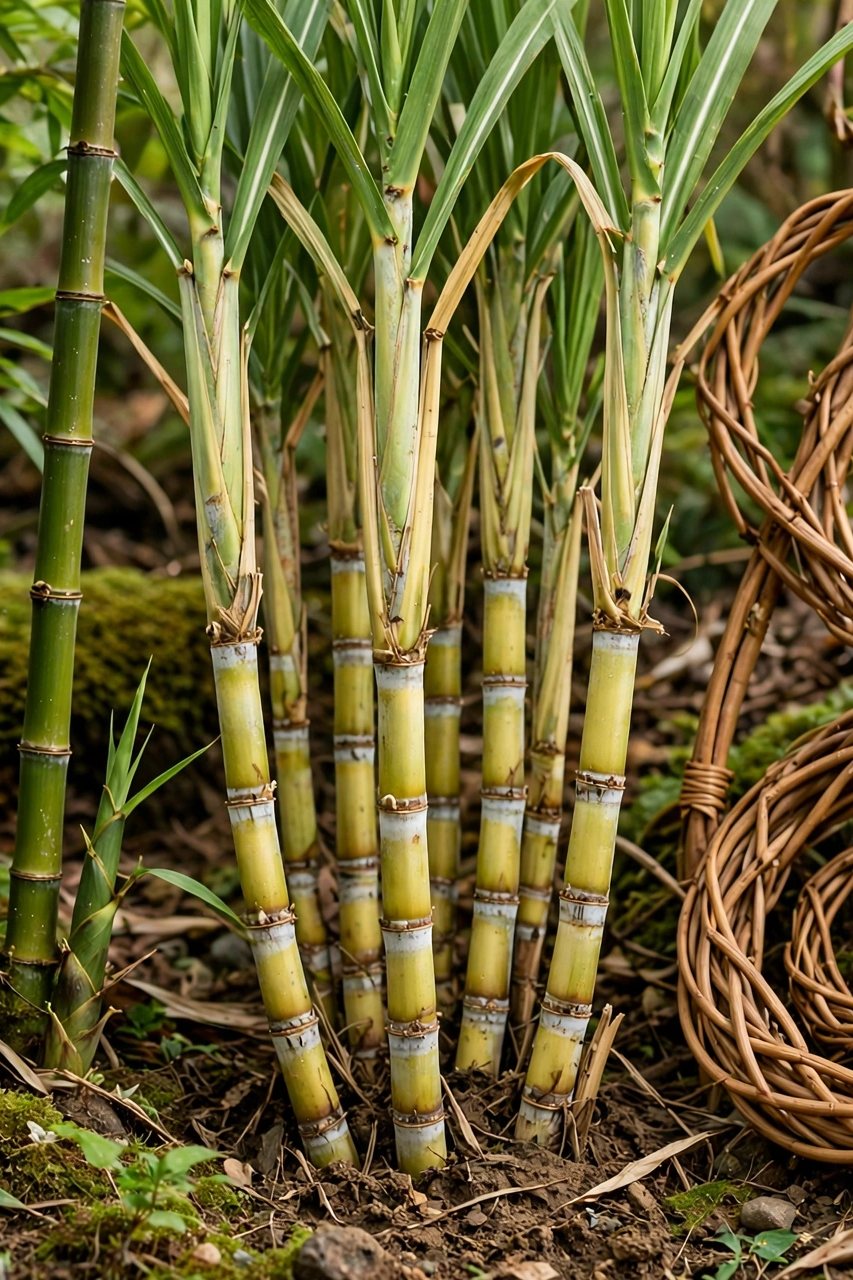
While slow-growing hardwoods can take upwards of 50 to 100 years to reach maturity, the Japandi aesthetic also heavily incorporates rapidly renewable, non-wood plant materials. These grasses grow at astonishing speeds, absorbing carbon from the atmosphere and offering a highly sustainable alternative for furniture and fixtures.
Bamboo: The Ultimate Sustainable Giant
Bamboo is one of the fastest-growing plants on Earth; some species can grow up to 36 inches in a single 24-hour period. Because it is a grass, harvesting bamboo does not kill the plant. The extensive underground root system remains intact, preventing soil erosion and quickly shooting up new stalks.
- In Japandi Design: Look for caramelized or natural pale bamboo. It can be compressed and laminated into incredibly durable flooring, hollowed out for sleek, minimalist lighting pendants, or woven into privacy screens that gently filter natural light.
Rattan and Cane: Organic, Airy Geometry
Rattan is a naturally sustainable climbing palm native to the tropical jungles of Asia. Because it relies on existing rainforest trees to climb toward the sunlight, harvesting rattan actually incentivizes local communities to preserve their standing forests rather than clearing them for timber or agriculture.
- In Japandi Design: Cane webbing—the woven outer skin of the rattan vine—is a core element of Japandi cabinetry. It adds an airy, semi-translucent texture to sideboard doors and chair backs. It introduces a subtle, geometric grid pattern that satisfies the Japanese desire for order while providing the organic warmth central to Scandinavian comfort.
4.Sourcing Biodegradable Linen, Hemp, and Organic Cotton

Textiles soften the clean, sharp lines of minimalist architecture. In a Japandi living room or bedroom, the textiles should feel raw, unrefined, and deeply tactile. Synthetic materials like polyester, acrylic, and nylon are petroleum-derived plastics that shed harmful microplastics into our waterways every time they are washed. Instead, we must turn to natural, biodegradable plant fibers.
Flax Linen: The Champion of Eco-Textiles
Flax linen is the gold standard of sustainable upholstery and drapery. The cultivation of the flax plant is exceptionally gentle on the environment:
- Minimal Water: Flax is highly resilient and typically requires only natural rainfall to grow, unlike conventional cotton, which is an incredibly water-intensive crop.
- Low Chemical Input: Flax naturally resists pests, meaning it requires far fewer pesticides and synthetic fertilizers to cultivate.
- Zero Waste: Every part of the flax plant is utilized. The long fibers are spun into linen thread, the seeds are pressed into linseed oil (used for non-toxic wood varnishes), and the leftover pulp is used for paper or animal feed.
In a Japandi room, linen should be used for flowing, floor-to-ceiling drapery that allows sunlight to pass through softly. Its natural tendency to wrinkle is not a flaw; it is a celebrate-worthy wabi-sabi detail.
Industrial Hemp: Durable Carbon-Negative Beauty
Hemp is an environmental powerhouse. It is a carbon-negative crop, meaning it actually absorbs more carbon dioxide from the atmosphere during its brief growth cycle than is emitted during its harvesting and processing. Furthermore, hemp has deep taproots that aerate the soil and pull up nutrients, leaving the land healthier after a harvest.
- Textile Profile: Hemp fibers are exceptionally strong—up to three times stronger than cotton. It behaves similarly to linen, starting with a slightly stiff, structured texture and softening beautifully with every single wash and use. Use hemp for heavy-duty sofa slipcovers, rustic table runners, and structural throw cushions.
Organic Cotton
While conventional cotton is responsible for a massive percentage of global pesticide use, GOTS-certified (Global Organic Textile Standard) organic cotton is grown using natural farming methods. It maintains a healthy soil biology and uses up to 90% less blue water (withdrawn from groundwater or surface water sources) during its growth cycle.
5. Breathing Life into Spaces with Clay and Lime Plasters
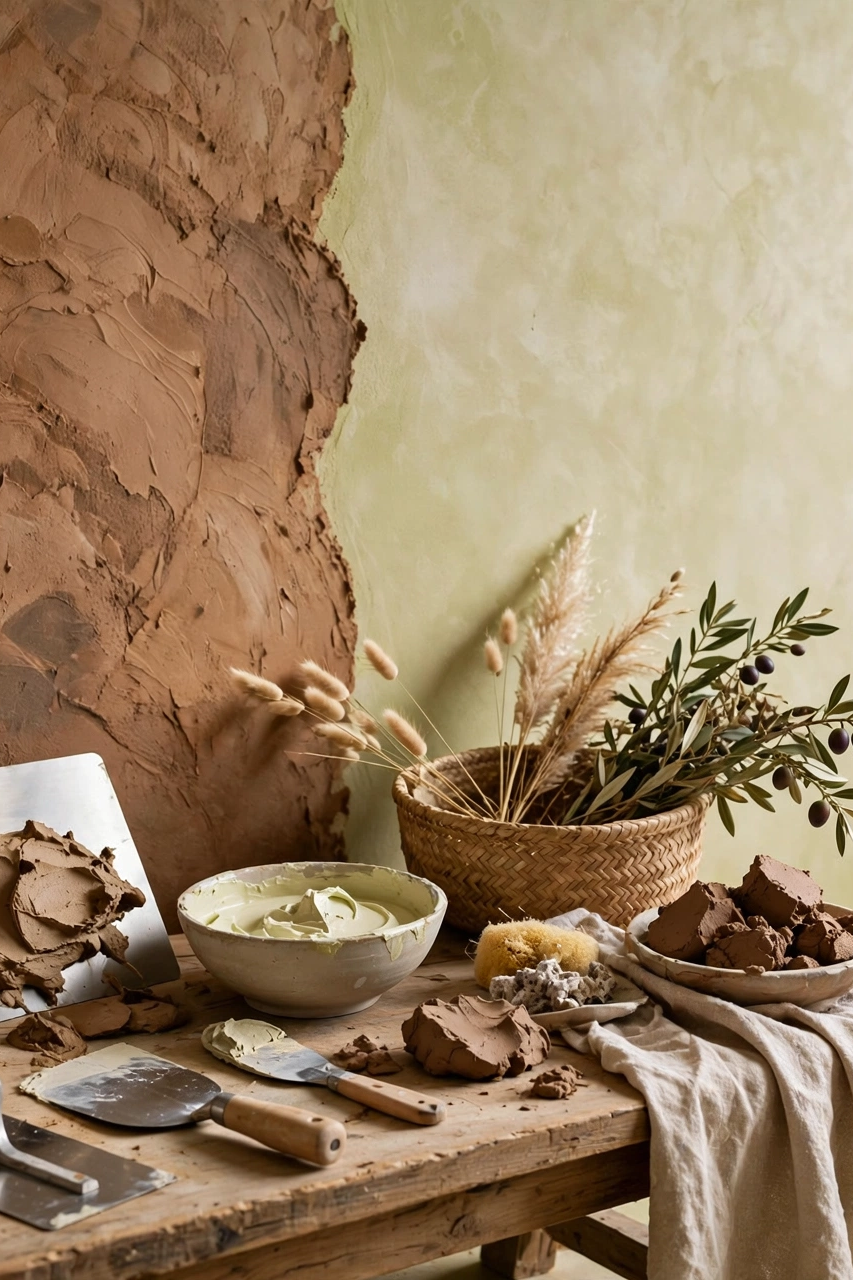
Most conventional interior paints are liquid plastics. Acrylic and latex paints dry by releasing volatile organic compounds (VOCs) into our living spaces, contributing to indoor air pollution long after the paint has dried. To achieve the soft, calm, matte walls signature to Japandi design, we can return to ancient, earth-derived wall finishes.
Clay Plaster: The Ultimate Breathing Wall
Clay plaster is a completely natural mixture of unfired clays, sands, and natural pigments. It is one of the lowest-embodied-energy wall finishes available today.
- Health Benefits: Clay is naturally “hygroscopic,” meaning it absorbs excess moisture from the air when humidity is high and releases it when the air drys out. This naturally regulates your home’s indoor humidity levels, preventing mold growth and creating a healthier respiratory environment.
- Aesthetic Quality: Clay plaster does not reflect light in a harsh, specular way. It diffuses light softly across its finely textured, velvety surface, creating an incredibly soothing, calm, and quiet visual atmosphere.
Lime Plaster (Tadelakt and Venetian)
Made from slaked lime and sand, lime plaster has been used for thousands of years. As it cures, lime plaster actually re-absorbs carbon dioxide from the surrounding air, turning back into limestone through a natural carbonation process.
- In Japandi Design: Lime plaster can be polished to a soft, stone-like sheen or left raw and chalky. In wet areas like bathrooms or kitchen backsplashes, traditional Moroccan Tadelakt (a waterproof lime plaster sealed with olive oil soap) offers a seamless, organic alternative to plastic shower liners or ceramic tiles.
6. Softening Your Footprint with Carbon-Negative Flooring
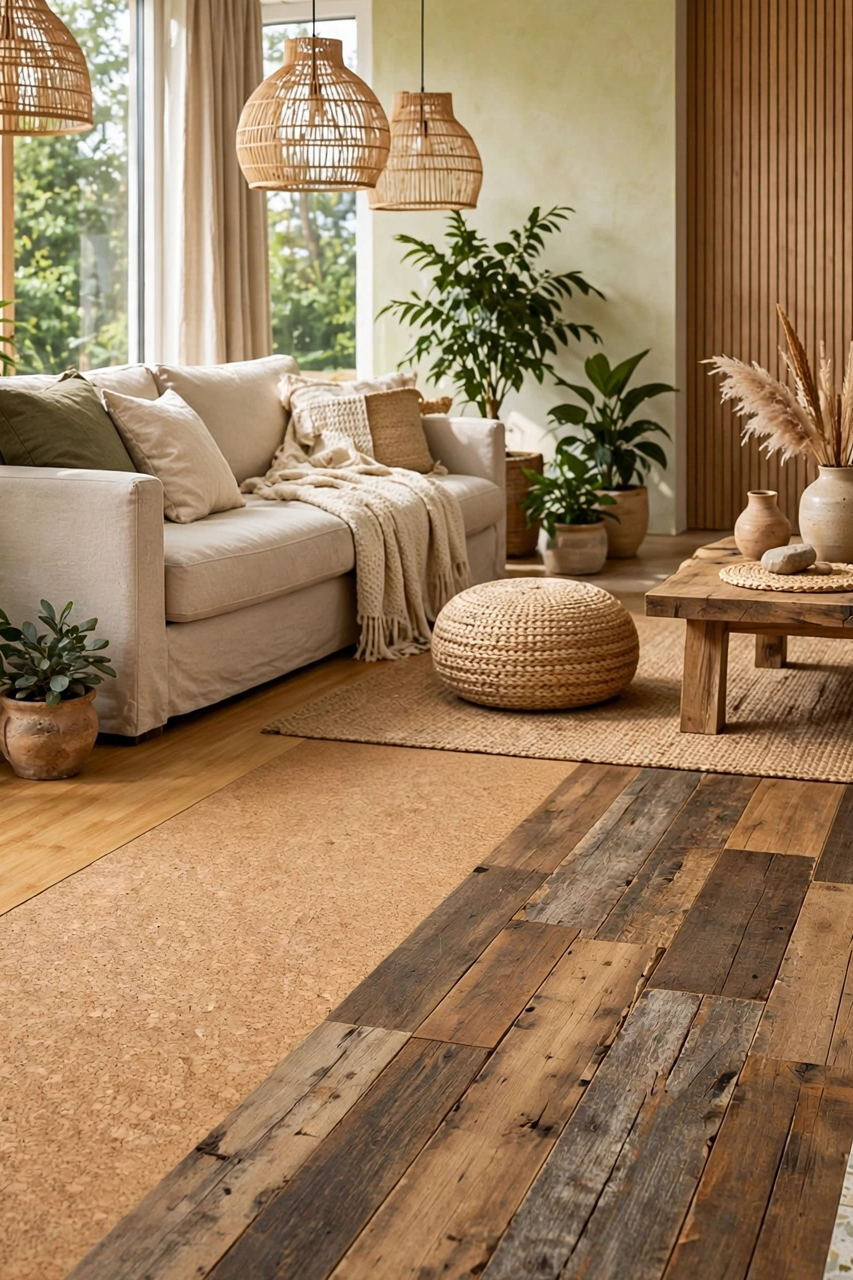
Flooring is the physical foundation of your home. In a Japandi living room, you want your feet to connect with warm, soft, natural surfaces. While hardwood is excellent, cork and wool offer two incredibly comfortable, highly sustainable flooring options that embody the cozy hygge spirit.
Cork: The Sustainable Bark
Cork is harvested from the outer bark of the Cork Oak tree (Quercus suber), primarily found in the Mediterranean basin.
- The Harvesting Miracle: The harvesting process is incredibly unique: specialized harvesters strip the bark from the tree trunk using axes, leaving the tree completely unharmed. The tree then begins a natural regeneration process, growing a new layer of bark over the next 9 years.
- Carbon Absorption: A stripped cork oak tree absorbs up to five times more carbon dioxide than an unharvested tree to fuel its bark regeneration process. This makes cork products overwhelmingly carbon-negative.
- In Japandi Design: Cork naturally contains millions of microscopic, air-filled pockets. This structure makes it an exceptional acoustic dampener (reducing footfall noise in minimalist spaces) and a natural thermal insulator. It feels incredibly soft and warm underfoot, boasting a beautiful, variegated organic pattern that looks like a hybrid of stone and wood.
Wool Rugs: Cozy, Renewable, and Biodegradable
A minimalist room can easily feel cold without a soft floor covering. For Japandi design, a thick, undyed wool rug is the perfect addition.
- The Eco-Benefits: Wool is a completely natural, renewable resource harvested annually from sheep. Unlike synthetic nylon rugs, wool is naturally flame-resistant (requiring no toxic chemical retardants), stain-resistant (due to natural lanolin coatings), and completely biodegradable at the end of its life.
- The Unrefined Look: Choose undyed wool rugs. By avoiding chemical dyes, you preserve the natural, earthy creams, greys, and warm browns of the sheep’s fleece. This aligns perfectly with the wabi-sabi appreciation for natural, unrefined variations.
7. Handmade Stoneware and Ceramics: Embracing Imperfection (Wabi-Sabi)

Decor in a Japandi space should never feel mass-produced. Instead of buying inexpensive, factory-molded plastic or glass accessories, focus on displaying handmade ceramics and stoneware.
Supporting Local Craftsmanship
Buying hand-thrown ceramics directly from local potters is an inherently sustainable practice. It keeps money in the local economy, drastically reduces shipping and transportation emissions, and supports the preservation of ancient human craft.
Embracing the Imperfections
Handmade ceramics celebrate the touch of the maker’s hand. You will notice small inconsistencies in the glaze, tiny thumbprints near the base, and asymmetrical shapes. These variations are the very definition of wabi-sabi.
- Unglazed Stoneware: Look for vases and tableware where the exterior is left raw, coarse, and unglazed, exposing the earthy grit of the clay body.
- Kintsugi (Golden Joinery): If a beloved ceramic piece chips or breaks, do not throw it away. Embrace the Japanese art of Kintsugi, where broken pottery is repaired using a natural lacquer dusted with powdered gold, silver, or platinum. By highlighting the break rather than hiding it, you celebrate the object’s history and extend its functional life indefinitely.
8. Choosing Non-Toxic Oils, Waxes, and Low-VOC Sealants
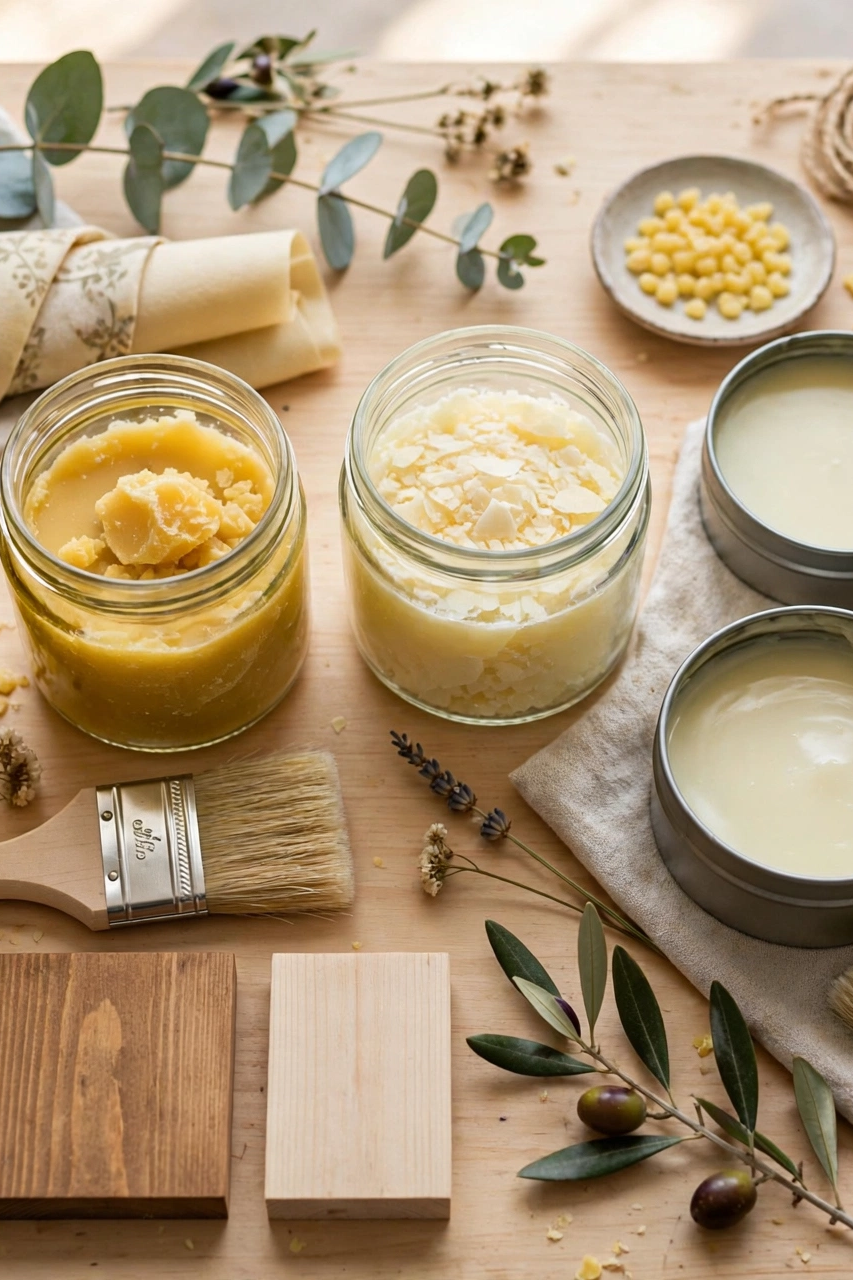
A common mistake in interior design is selecting highly sustainable raw materials, only to coat them in highly toxic, plastic-based chemical finishes. Standard polyurethane varnishes coat the wood in a hard plastic shell, blocking its natural breathability and releasing VOCs into your living environment.
To protect both your family’s respiratory health and the longevity of your furniture, you should specify natural, plant-based wood finishes.
Natural Linseed and Tung Oils
These oils have been used for centuries to protect and nourish wood fibers from the inside out:
- Linseed Oil: Pressed from the seeds of the flax plant, linseed oil penetrates deeply into the wood grain, highlighting the natural patterning and drying to a soft, warm, amber finish.
- Tung Oil: Harvested from the seeds of the tung tree, pure tung oil is highly water-resistant and dries to a beautiful, low-sheen matte finish. It is completely non-toxic and food-safe, making it ideal for wooden kitchen counters and dining tables.
Unlike polyurethane, which sits on top of the wood and can crack or peel over time, natural oils bond with the wood fibers. If the wood gets scratched, you do not need to sand down the entire piece; you simply apply a small amount of oil directly to the scratch, allowing the wood to heal.
Natural Beeswax and Carnauba Wax
To add a layer of protection and a soft, satiny sheen to oiled wood surfaces, you can apply a natural wax paste. Beeswax and carnauba wax (harvested from the leaves of the carnauba palm) seal the wood pores against dust and spills without releasing any synthetic fumes.
9. The Art of Antique Sourcing and Upcycling
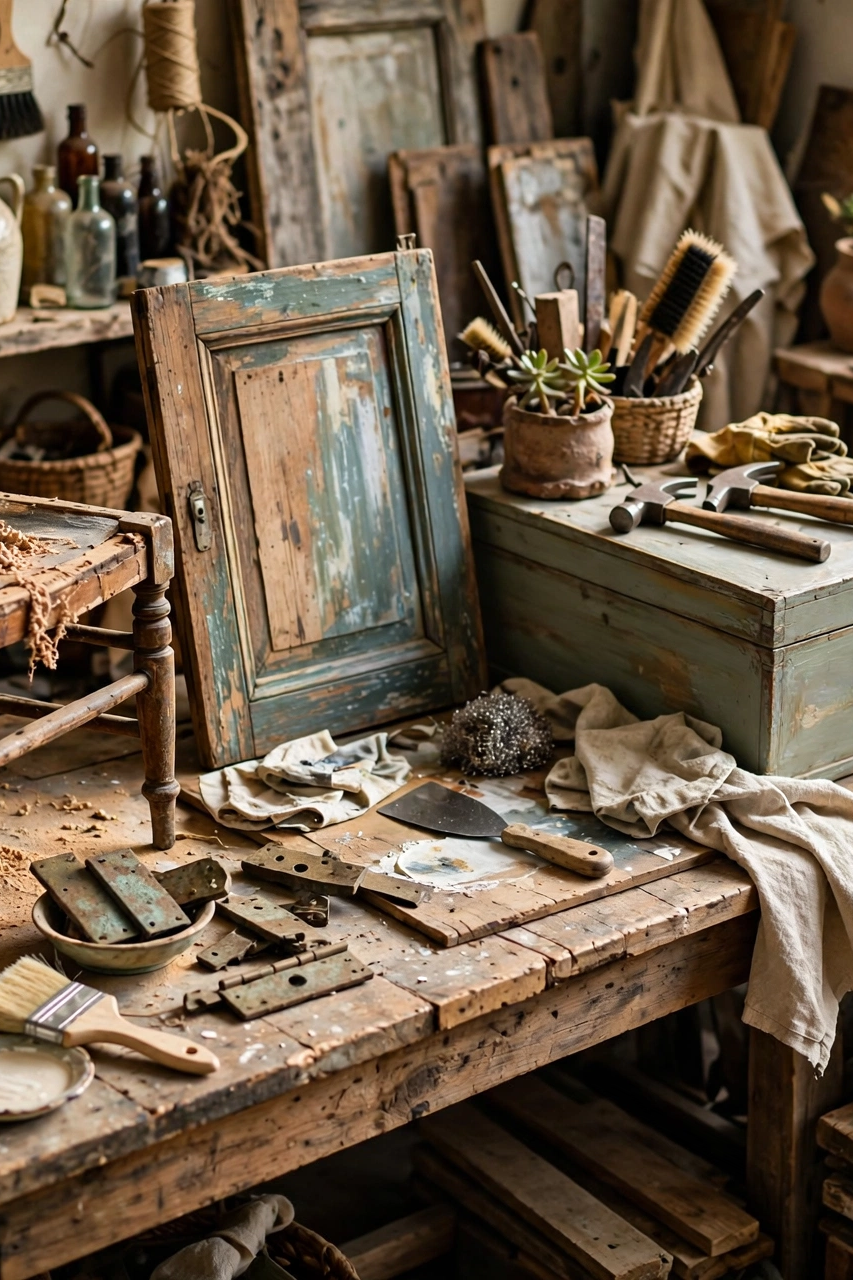
The most sustainable product is always the one that already exists. Manufacturing new furniture—no matter how green the materials—still requires energy, water, and transportation. Therefore, an authentic Japandi home should always incorporate pre-loved, vintage, and antique pieces.
Vintage Scandinavian Mid-Century Modern
Scandinavian designers of the 1950s and 60s (like Hans Wegner, Arne Jacobsen, and Alvar Aalto) created furniture that was structurally honest and built to last for generations.
- Why It Works: These vintage pieces feature the exact clean lines, tapered legs, and warm wood tones that anchor the Japandi aesthetic. Sourcing a vintage teak sideboard or oak lounge chair keeps historical craftsmanship alive and prevents premium vintage lumber from ending up in landfill sites.
Antique Japanese Tansu and Shoji
On the Japanese side, antique chest units (Tansu) and sliding screens (Shoji) can be sourced through architectural salvage yards and antique dealers. These items were constructed using complex traditional joinery (sashimono) without the use of metal nails or toxic glues. Because they can be easily disassembled, repaired, and reassembled, they are the ultimate expression of circular design.
10. The Minimalism Manifesto
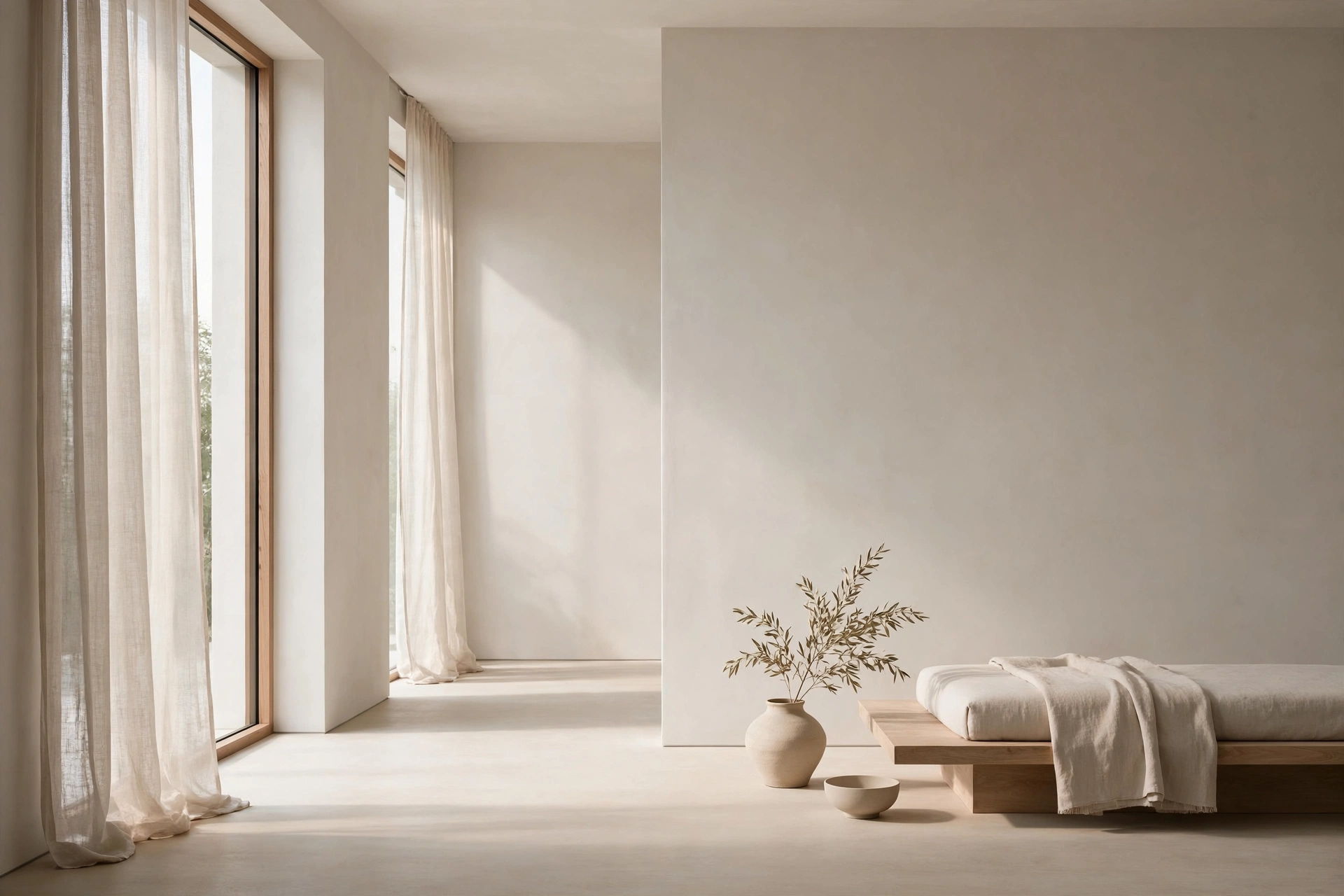
Ultimately, sustainability is not merely about what you buy; it is about how much you buy. You cannot consume your way to sustainability. The true success of a Japandi interior lies in your willingness to embrace minimalism.
The Problem with Fast Furniture
Much like fast fashion, “fast furniture” relies on cheap, toxic materials like particleboard (which contains formaldehyde, a known carcinogen), laminate veneers, and plastic joints. These pieces are not designed to be repaired; they are designed to be discarded within a few years of purchase.
Curating with Intent
To design a sustainable Japandi home, you must slow down your purchasing process. Embrace the philosophy of “Buy Once, Buy for Life.”
- Edit Your Space: Ask yourself if a piece of furniture is truly necessary. Can the space breathe without it?
- Invest in Quality: If you do need to buy, save up for a high-quality, solid-wood piece crafted by an independent artisan or a reputable eco-conscious brand. Although the upfront cost is higher, the cost-per-year of a table that lasts for 80 years is infinitely lower than that of a cheap table replaced every four years.
- Prioritize Longevity: Choose classic, simple silhouettes that will not go out of style when the next design trend rolls around.
WRAP UP
By surrounding yourself with fewer, higher-quality items made from the earth’s most honest materials, you create a living room that does not scream for attention. Instead, you build a peaceful, breathing sanctuary that honors the planet and stands as a testament to mindful, elegant living.