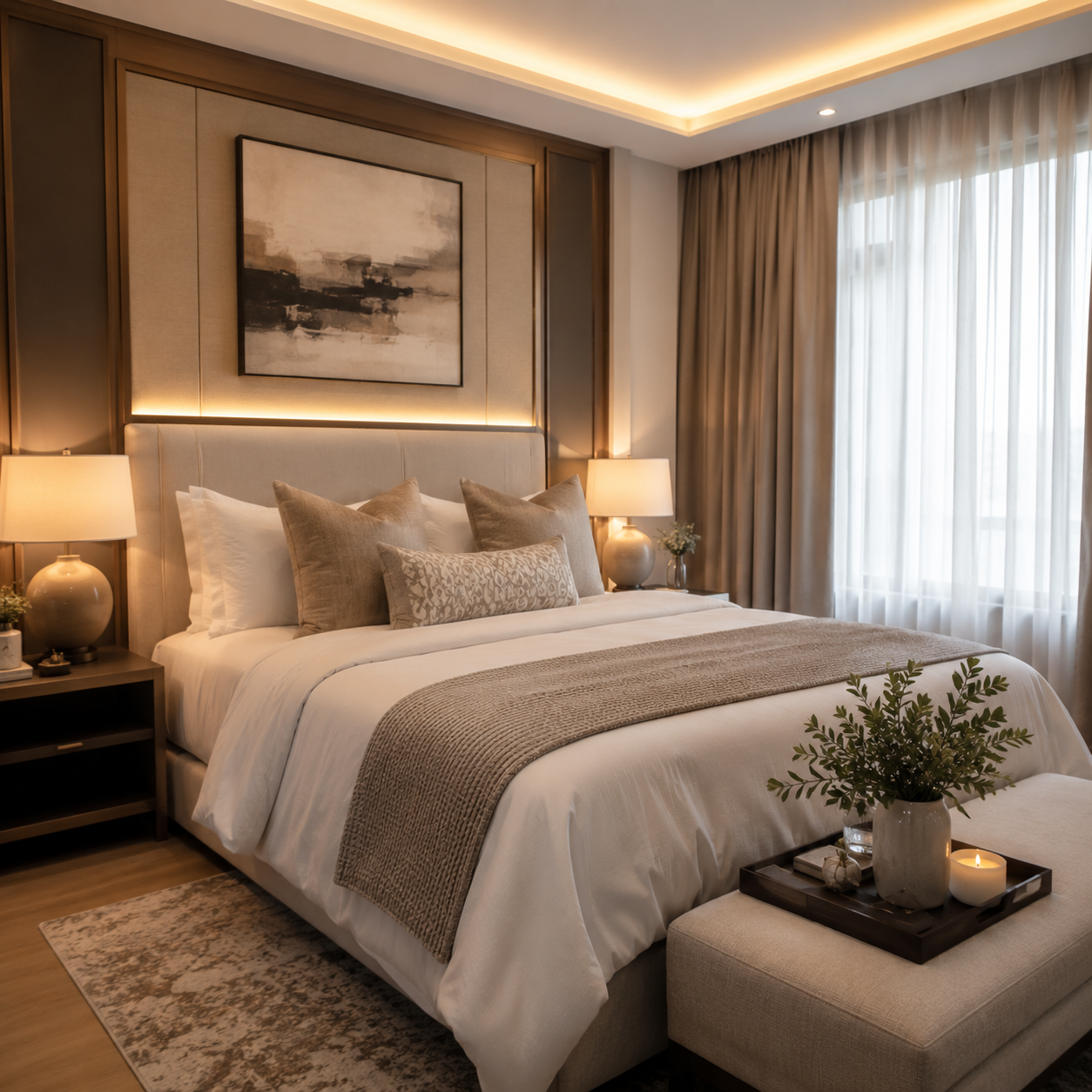
Hospitality is an art form. When guests stay at a five-star boutique hotel, their experience is defined by a sense of immediate, effortless comfort, intuitive design, and an atmosphere that feels both aspirational and deeply nurturing. The bed is impossibly crisp, the lighting is atmospheric, clutter is nonexistent, and every physical need—from a glass of water at midnight to an accessible outlet for a phone charger—has been anticipated.
Bringing this level of luxury into your home’s guest bedroom requires moving past basic decorating. It demands that you think like an architect, an interior designer, and a hotelier simultaneously.
This comprehensive guide breaks down the design choices, material specifications, and styling secrets necessary to transform a standard guest room into a world-class sanctuary. By organizing your approach across twelve critical design headings, you can systematically elevate your space to provide an unforgettable five-star experience.
1. The Psychology of Hospitality: Designing the Sensory “Ah-In” Moment
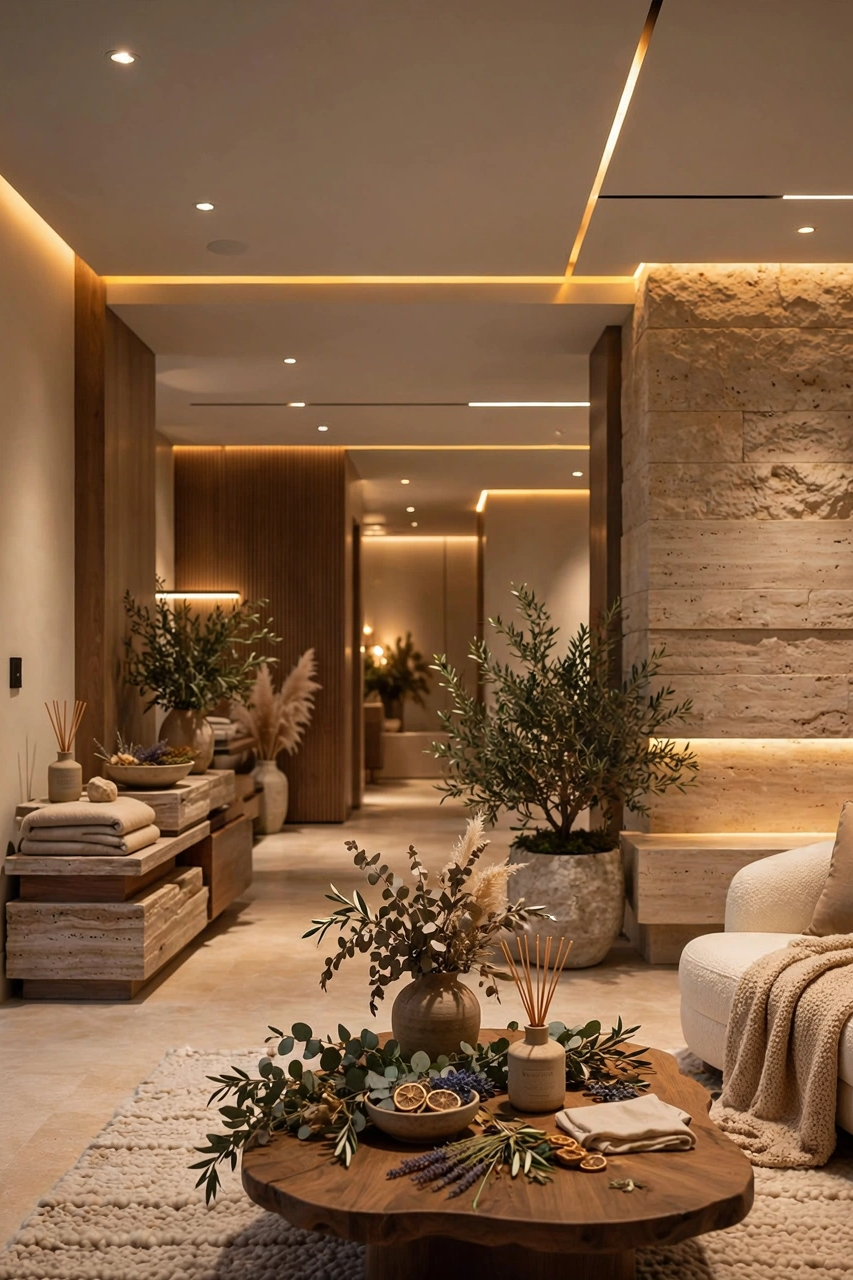
The hallmark of a great luxury hotel room is the emotional transition you experience the moment you cross the threshold. In hospitality design, this is known as the “Ah-In” moment—the exact physical instance where a guest drops their bags, exhales, and feels their travel anxiety evaporate.
To create this psychological shift in your home, you must treat your guest bedroom as a dedicated sanctuary that is completely decoupled from the daily chaos of the rest of the house.
Achieving this requires strict spatial boundaries:
- Remove Household Overflow: The guest room must never serve as a part-time storage locker, an overflow closet for off-season clothes, or a repository for half-finished craft projects. Empty space translates directly to mental breathing room.
- Design for Spatial Order: Utilize classical design principles like symmetry, clean horizontal lines, and balanced proportions. When the eye can effortlessly scan a room without hitting visual roadblocks, the nervous system instantly drops out of “flight or fight” mode and slips into a state of restful relaxation.
2. The Architectural Canvas: Selecting a Sophisticated and Calming Color Palette
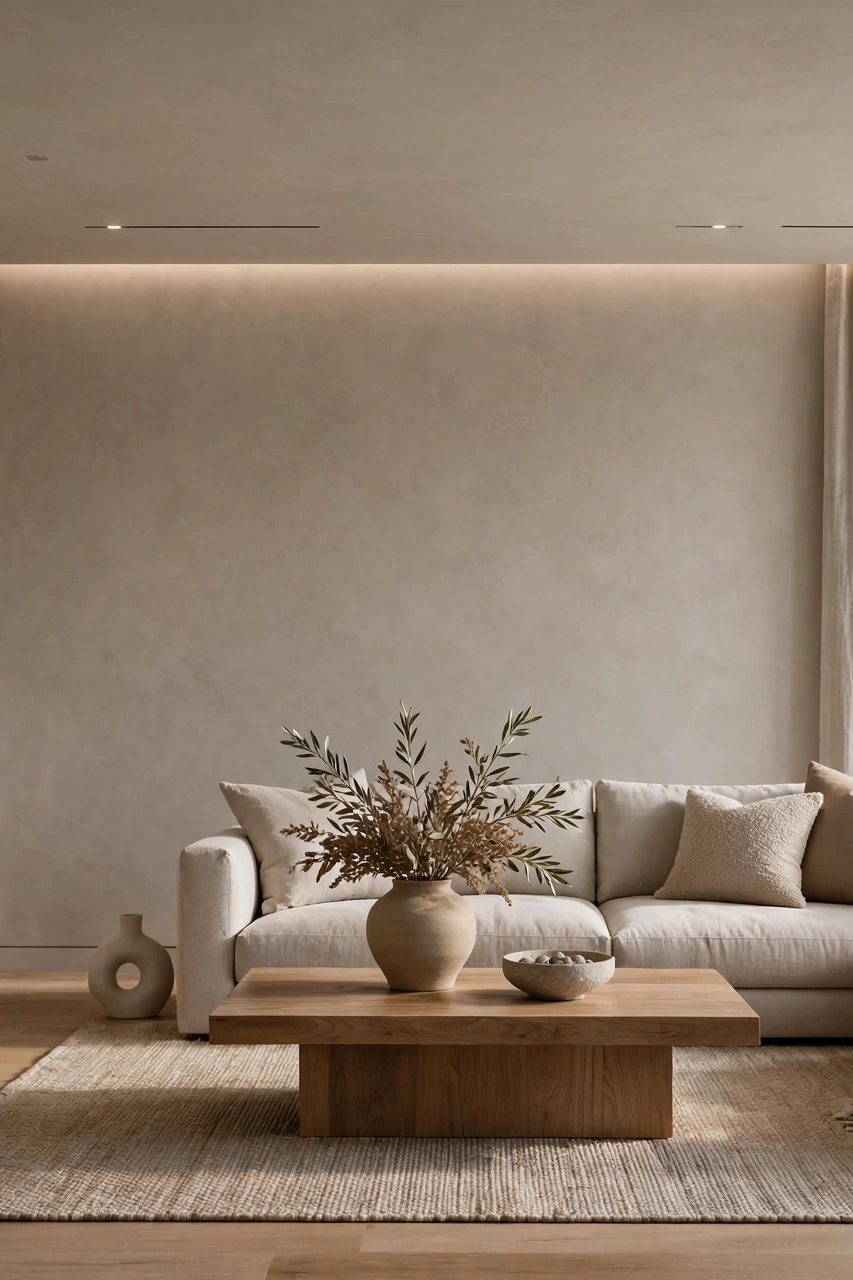
Color alters our perception of space, temperature, and volume. Five-star hotels rarely employ loud, highly saturated, or trend-dependent color schemes in their sleeping quarters. Instead, they curate sophisticated palettes that act as neutral, calming backdrops for high-end textures and art.
To anchor your boutique guest room, adopt a structured palette that promotes restfulness:
| Palette Type | Base Hue (60%) | Supporting Tone (30%) | Metallic Accent (10%) |
| The Parisian Suite | Warm Alabaster | Muted Taupe / Mink | Polished Brass |
| The Coastal Sanctuary | Soft Slate Grey | Misty Seafoam / Sage | Brushed Nickel |
| The Urban Penthouse | Charcoal / Deep Navy | Warm Greige | Satin Graphite |
Implementing the Palette
When painting, choose flat or eggshell finishes for the walls to absorb harsh glare and create a velvety, soft-focus environment. Carry your color scheme seamlessly across all trim, baseboards, and doors. Painting the trim the exact same color as the walls (or one shade darker) eliminates distracting visual breaks, makes the ceilings feel significantly taller, and lends the room a custom, architecturally integrated appearance.
3. The Grand Bed Foundation
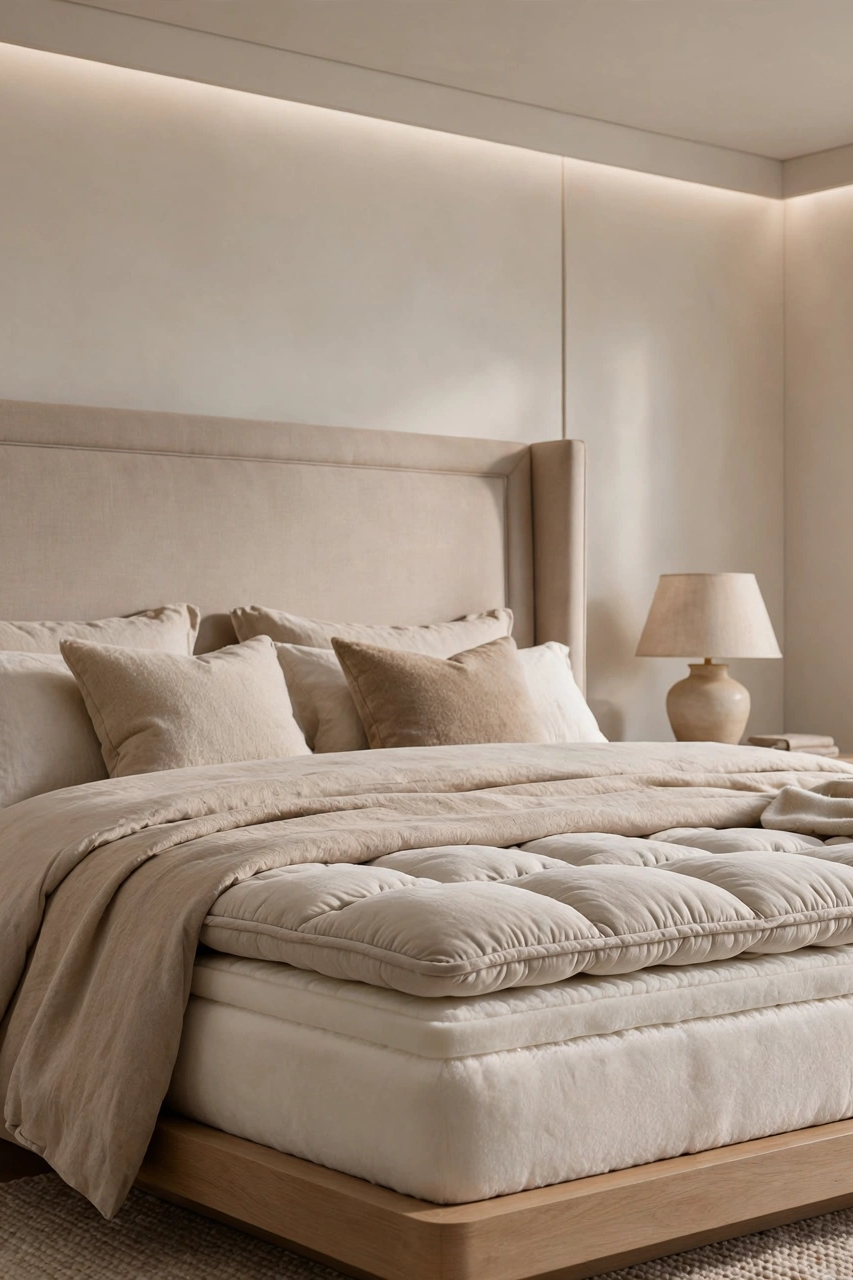
In the hospitality industry, the bed is the hero asset. Everything else in the room is secondary to the quality of sleep the guest experiences. A beautiful room means nothing if your guest wakes up with a stiff neck from a sagging, outdated mattress.
The Support Core
Do not relegate your old, worn-out mattress to the guest room. If budget constraints prevent you from purchasing a brand-new luxury hybrid or pocket-sprung mattress, you can dramatically upgrade an existing bed using a high-density memory foam or gel-infused latex mattress topper. Aim for a thickness of at least 3 inches to provide that signature “cloud-like” initial sink-in feeling while maintaining firm underlying spinal support.
The Bed Frame and Headboard
An architectural headboard frames the bed and creates a definitive structural focal point. Choose an oversized, floor-to-ceiling, or extra-wide upholstered headboard in a durable, high-texture fabric like performance velvet, heavy linen, or boucle.
Design Tip: Bolting the headboard directly to the wall rather than the bed frame eliminates squeaking and movement, providing a solid, permanent feel that mimics high-end custom hotel millwork.
4. The 300-Thread-Count Myth: Unlocking the Secrets of Five-Star Linen
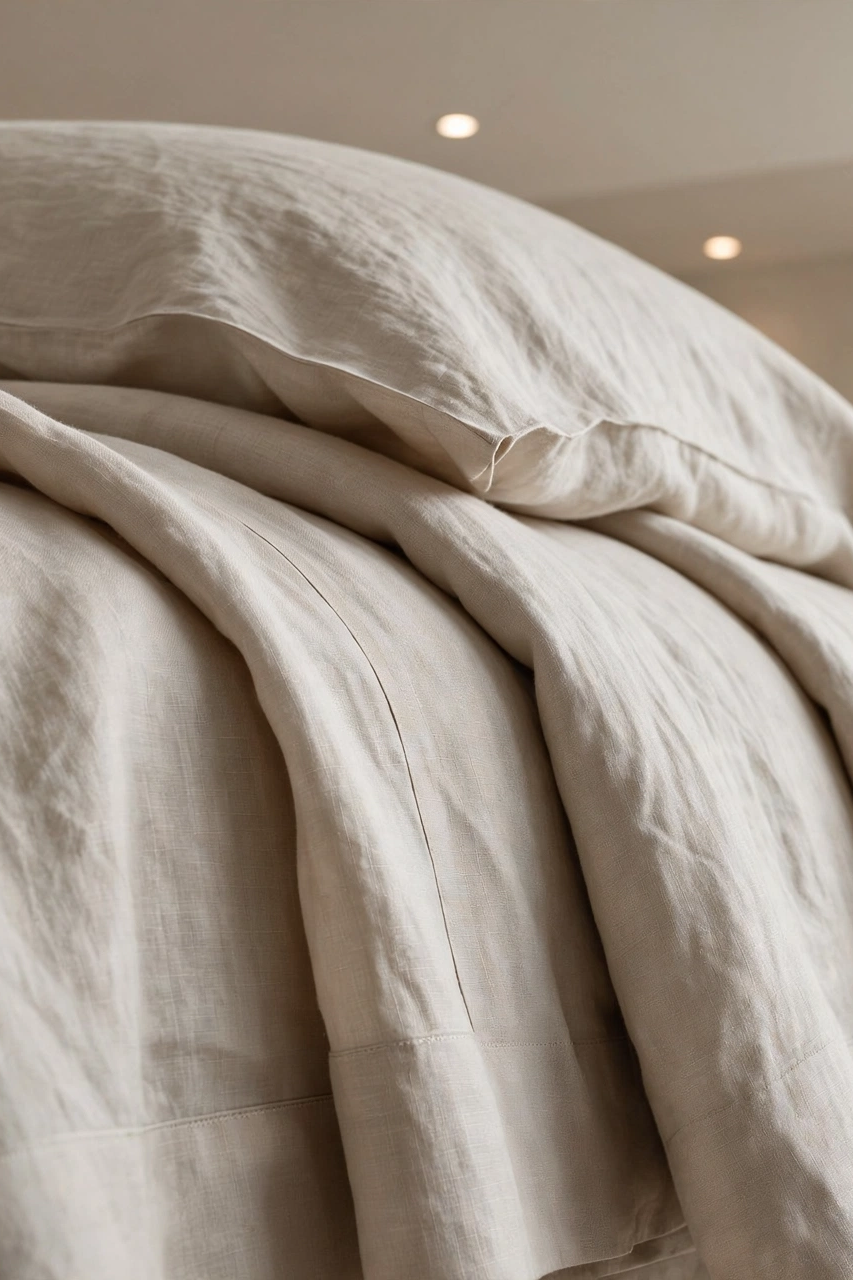
Many consumers fall into the trap of believing that a higher thread count automatically equates to better sheets. Luxury hoteliers know that thread count is largely a marketing gimmick; the true quality of bed linen is determined by fiber staple length, weave type, and processing.
Fiber and Weave
- The Fiber: Look for 100% Long-Staple Egyptian, Pima, or Supima Cotton. Long-staple fibers can be spun into incredibly thin, smooth, and resilient threads that resist pilling and soften with every wash.
- The Weave:
- Choose Percale if you want that crisp, cool, matte finish found in traditional grand European hotels. Percale is highly breathable and ideal for warm climates or hot sleepers.
- Choose Sateen if you prefer a silkier, heavier drape with a subtle satin sheen. Sateen feels warmer to the touch and adds an instant look of glamorous luxury.
The All-White Rule
To achieve an authentic five-star hotel aesthetic, your sheets, pillowcases, and duvet covers should be entirely white. White linen communicates pristine cleanliness, reflects light beautifully, and coordinates effortlessly with any changing accent colors. Keep a bottle of eco-friendly oxygen bleach on hand to keep the whites bright and crisp between guest visits.
5. The Art of the Layered Bed: Pillows, Duvets, and the Hospital Corner
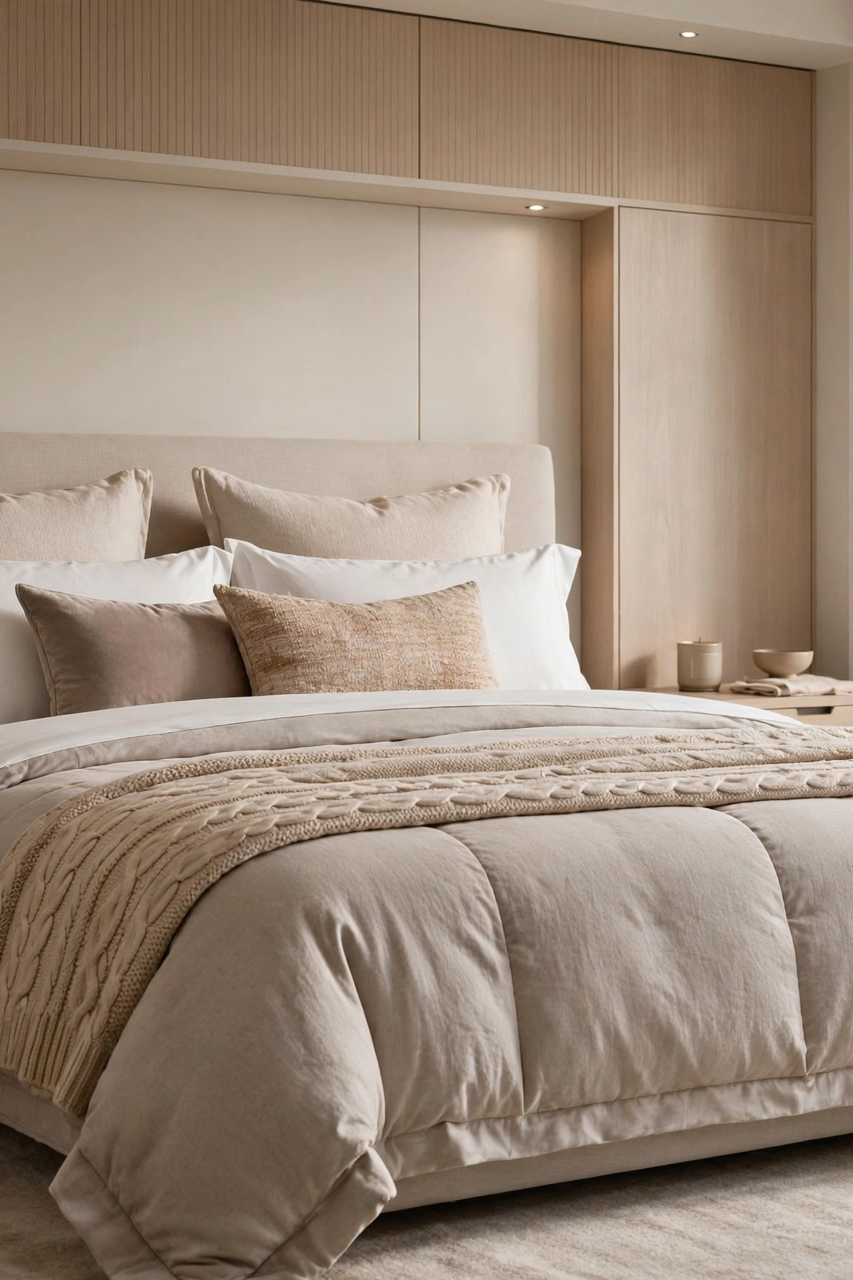
Making a bed like a luxury housekeeper requires a precise, layered system. It is this structural layering that gives a hotel bed its irresistible plumpness and volume.
Step-by-Step Bed Dressing Sequence
- The Mattress Protector: Install a breathable, quilted cotton mattress protector to add an invisible layer of softness and hygiene.
- The Fitted and Flat Sheets: Pull the fitted sheet completely taut. When laying the flat sheet, place it upside down so that when you fold the top back over the duvet, the smooth, finished side faces up.
- The Hospital Corner: Tuck the bottom of the flat sheet tightly under the mattress. Mitre the corners at a crisp 45-degree angle, pulling the fabric completely smooth along the sides of the bed.
- The Double-Stuffed Duvet: The secret to a puffy hotel duvet is to insert an oversized down or down-alternative comforter inside the duvet cover. For example, insert a King-sized insert into a Queen-sized duvet cover. This forces the comforter to bunch up, creating a luxurious, thick loft.
- The Pillow Menu: Provide a minimum of four sleeping pillows—two firm (down-alternative or memory foam) and two soft (goose down or microfiber). Stack them flat against the headboard, then lean two large square Euro shams (26×26 inches) in front of them to introduce height and vertical structure.
6. Symmetrical Illumination: Crafting a Three-Tiered Lighting Plan
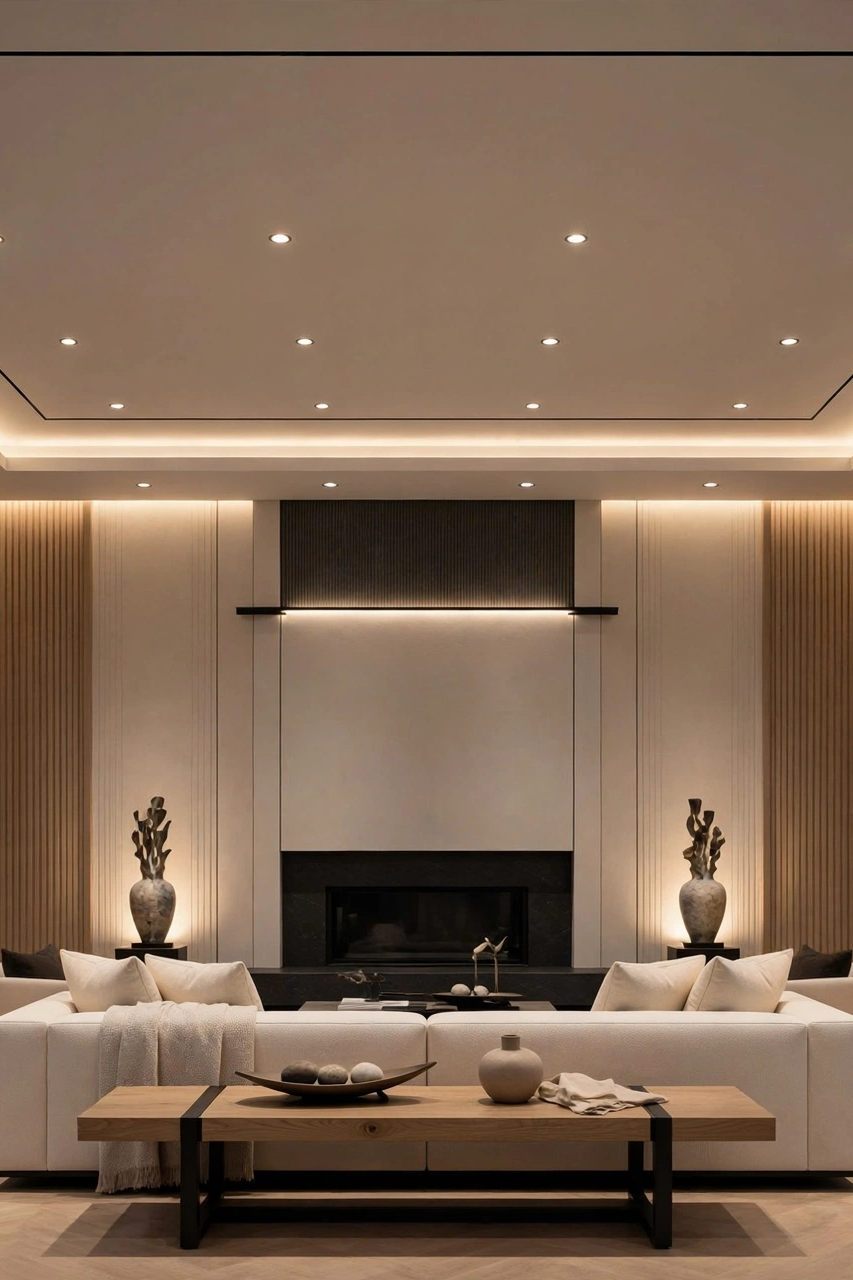
Nothing destroys a premium mood faster than a single, buzzing overhead light fixture that casts harsh shadows. Luxury boutique hotels use lighting to sculpt the space, divide the room into zones, and create an intimate, relaxing ambiance after dark.
To achieve this, implement a strict three-tiered lighting plan:
Tier 1: Ambient Lighting (The Foundation)
This is your general overhead light. Replace standard builder-grade flush-mount fixtures with a statement semi-flush chandelier or a sculptural plaster pendant. Install a high-quality dimmer switch; your guests should be able to drop the light levels down to a soft glow when winding down for the evening.
Tier 2: Task Lighting (The Function)
Position matching, symmetrical lamps on both nightstands. Look for lamps with heavy, high-quality bases (marble, ceramic, or thick glass) and drum shades made of linen or silk. The bottom of the lampshade should sit at roughly eye level when a guest is sitting up in bed reading.
The Professional Add-on: Install directional, low-glare LED reading sconces on the wall just above the nightstands, allowing guests to read without waking their partner.
Tier 3: Accent Lighting (The Drama)
Accent lighting highlights the architectural perimeters of the room. Place a small, low-wattage floor uplight behind a large leafy plant in the corner to cast soft, organic shadows across the ceiling. Alternatively, place a lamp on a dresser or integrate low-voltage LED strip lighting underneath the nightstands to serve as an intuitive, motion-activated nightlight.
7. The Uncluttered Nightstand: Integrated Power and Curated Hospitality
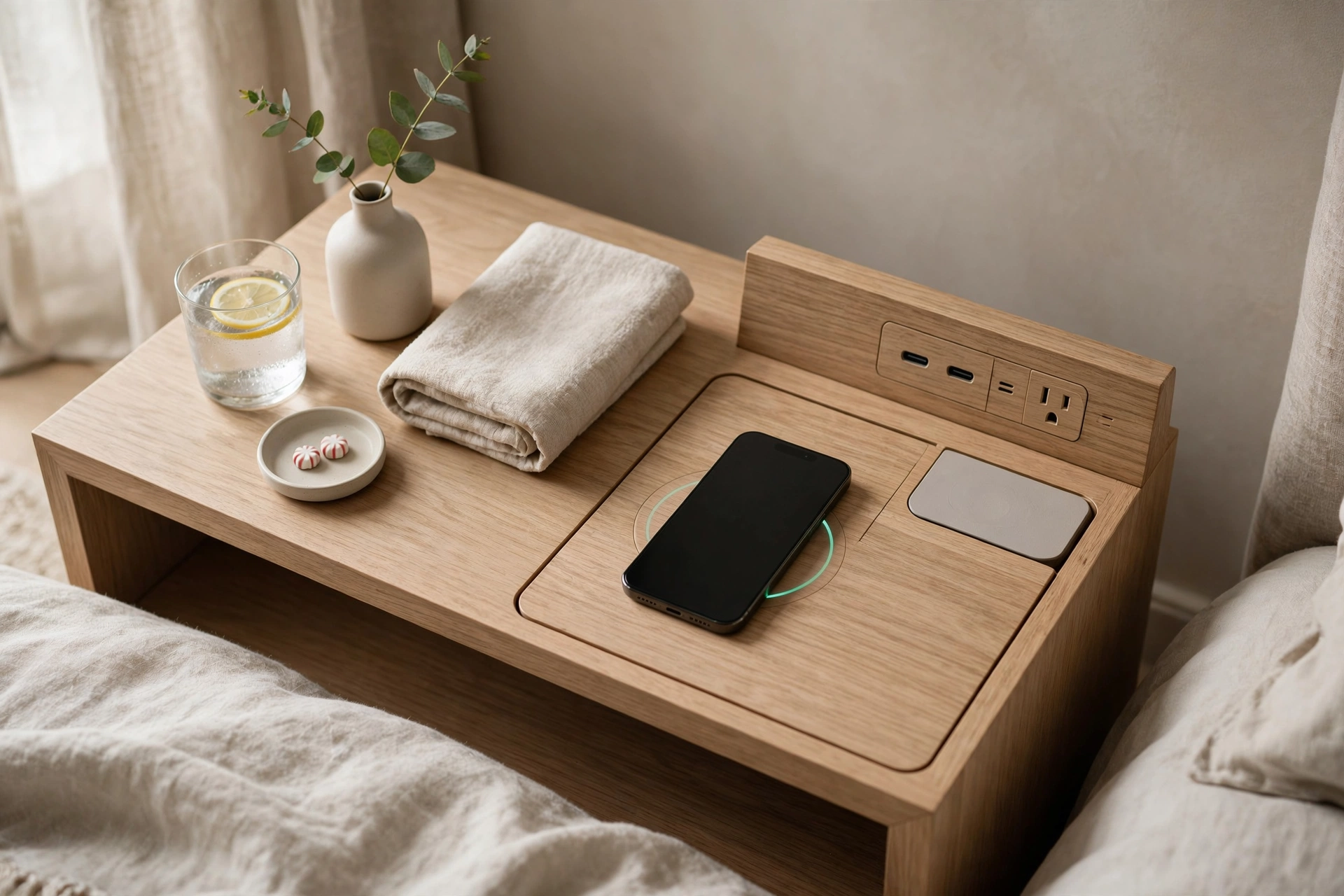
A guest’s nightstand should never be a landing pad for dust or random decorative objects. It needs to be an organized station of comfort, providing everything a traveler might need during the night within arm’s reach.
Sizing and Proportions
Select nightstands that match the height of the mattress (give or take 2 inches). They should feature at least one drawer to allow guests to tuck away personal items like medication, glasses, or books, keeping the top surface entirely clean.
The Hospitality Layout
Curate the top of each nightstand with precision, leaving 60% of the surface area completely open for the guest’s personal belongings:
- Connectivity: Do not make your guests crawl behind the bed to look for an outlet. Place an elegant, weighted multi-port charging dock on the nightstand, or select modern nightstands with integrated USB ports built into the back. Display a small, beautifully printed card with the home’s Wi-Fi network name and password clearly listed.
- Hydration: Place a sleek glass carafe and a matching tumbler glass on a small tray on one side of the bed.
- The Catch-All: Provide a small ceramic or leather trinket dish where guests can safely deposit their rings, watch, or earrings before falling asleep.
8. Dedicated Storage and Wardrobe Optimization

Travelers hate living out of a suitcase placed flat on the floor; it feels temporary, unorganized, and physically uncomfortable. A boutique hotel room solves this by providing dedicated, elevated surfaces for luggage and fully optimized closet space.
The Luggage Rack
Purchase a folding wooden or polished chrome luggage rack and place it permanently in an underutilized corner of the bedroom or at the foot of the bed. If space permits, a low, sturdy wooden bench topped with a washable fabric runner works beautifully as a multi-functional luggage station.
Wardrobe Preparation
Clear out at least 50% of the guest room closet. Remove your personal items completely to give your guests physical ownership of the storage space.
- The Hanger Upgrade: Discard mismatched plastic or wire hangers. Instead, supply a dozen matching, heavy-weight wooden hangers or non-slip velvet hangers.
- The Robe Station: Hang one or two plush, white waffle-weave cotton or microfiber robes in the closet.
- Drawers and Shelves: Ensure there are at least two empty drawers or baskets available for folded items like socks and undergarments.
9. The Vanity and Seating Nook: Creating Sub-Zones for Day Use
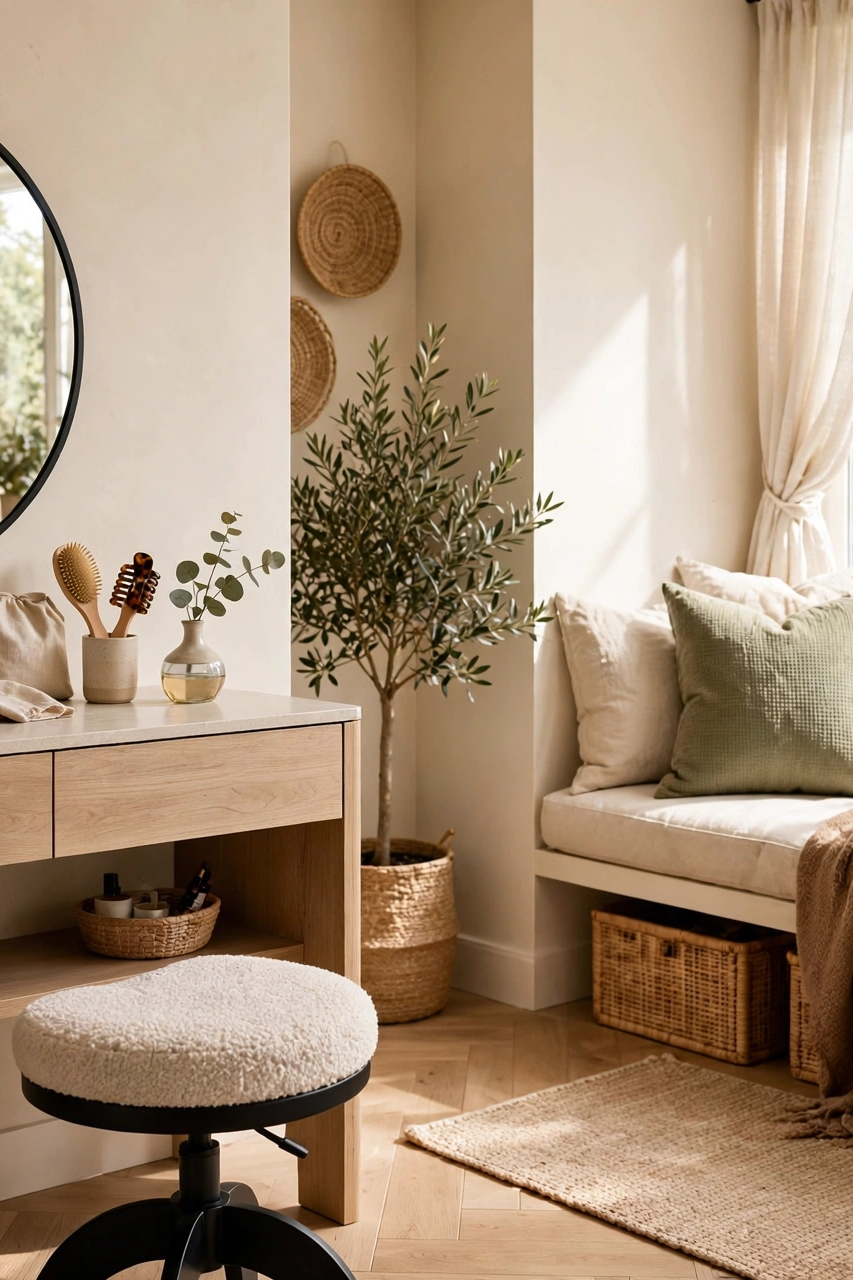
A premium hotel room is more than just a place to sleep; it is a space where you can lounge, drink coffee, answer emails, or get dressed comfortably. If your guest bedroom layout allows, construct a distinct seating or vanity sub-zone to give guests a place to retreat to during the day.
The Reading Corner
Position a comfortable, upholstered armchair near a window to take advantage of natural light. Add a small accent table just large enough to hold a coffee cup, and position an adjustable floor lamp next to it. Layer a soft cashmere or alpaca wool throw blanket over the back of the chair to add texture and physical warmth.
The Multi-Functional Vanity/Desk
If space is tight, integrate a sleek console table that can do double duty as a writing desk or a makeup vanity.
- Mirror Placement: Hang a large, high-definition mirror above the console table. This instantly expands the visual dimensions of the room and provides a place for guests to apply skincare or style their hair without crowding the shared family bathroom.
- Stationery Touch: Stock a drawer with a few sheets of high-quality paper, a pen, and a curated selection of local magazines or books.
10. The Five-Star Spa Bath: Premium Linens and Curated Amenities
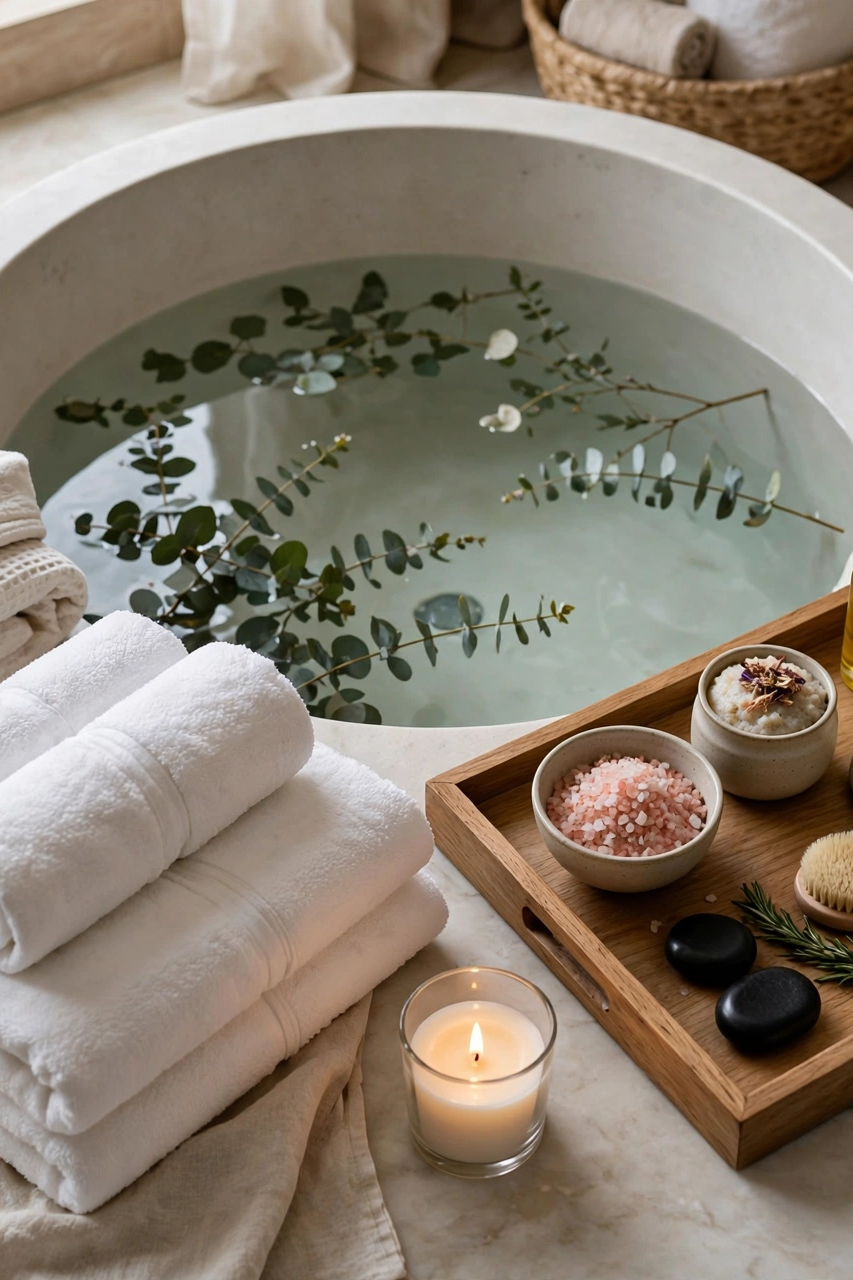
If your guest bedroom features an en-suite bathroom, it should receive the exact same styling attention as the bedroom. If your guests share a communal family bathroom, you can simulate a private suite experience by presenting a curated bundle of bathroom essentials directly on their bed before they arrive.
Towel Upgrades
Invest in a dedicated set of guest towels crafted from 100% Turkish or Peruvian cotton with a substantial weight of at least 600 GSM (Grams per Square Meter). Thick, heavy towels feel plush against the skin and absorb water quickly. Provide two bath sheets, two hand towels, and two washcloths per guest, rolled neatly or stacked in a clean wire or wicker basket.
The Apothecary Presentation
Gather an assortment of high-end, travel-sized toiletries and arrange them elegantly on a small marble, stone, or wooden vanity tray.
Do not use cheap, generic pharmacy brands. Opt for cleanly designed, botanically scented products from reputable eco-conscious brands. Essential items to include:
- Luxury shampoo, conditioner, and body wash
- High-grade hand lotion and an artisanal bar of milled soap
- An unopened bamboo toothbrush and a travel-sized toothpaste
- A small jar filled with clean cotton swabs and organic cotton pads
11. Olfactory and Auditory Comfort: Curating the Room’s Atmosphere
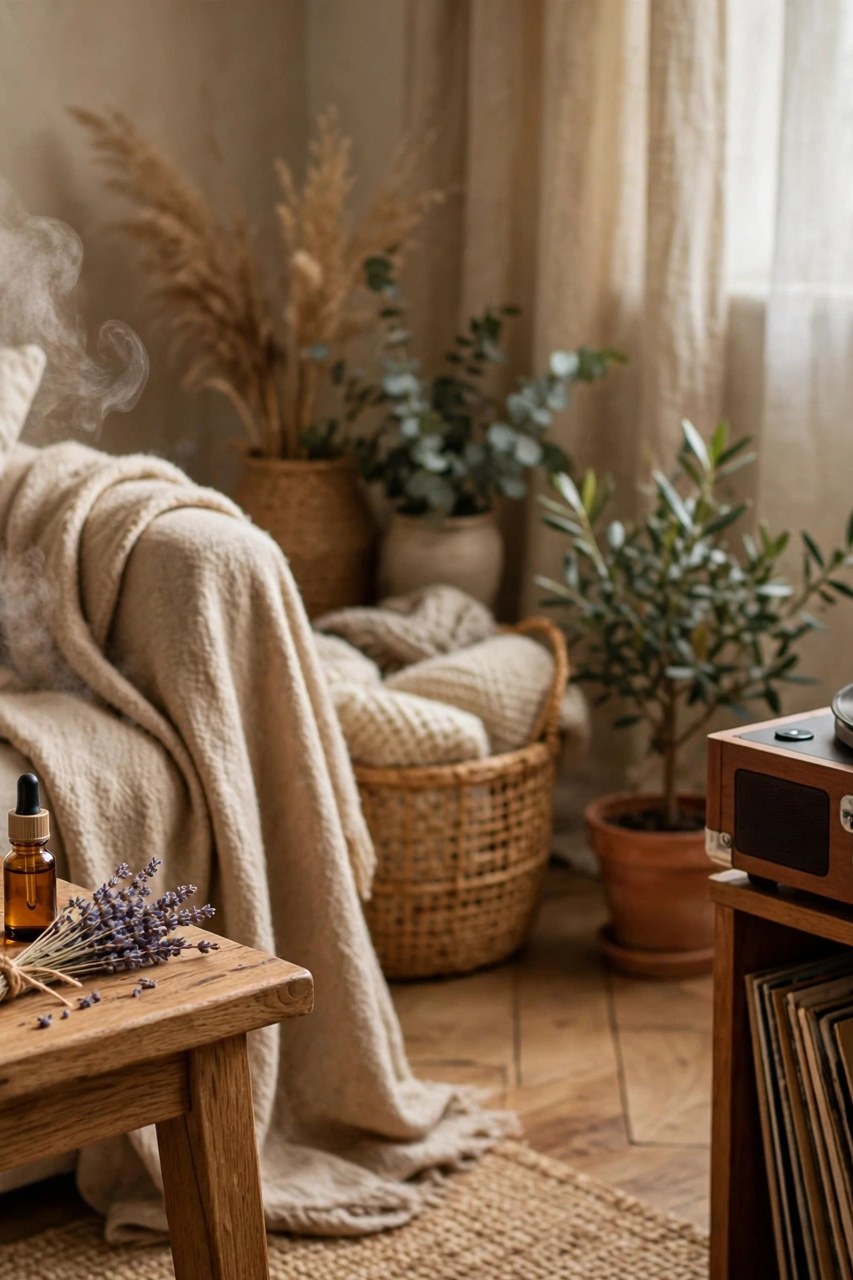
True luxury addresses all five human senses. While we spend significant time on visual layouts and tactile fabrics, the olfactory (smell) and auditory (sound) landscapes of a room heavily dictate how deeply a guest can relax.
The Signature Scent
A boutique hotel always has a subtle, memorable scent signature. Avoid heavy, artificial aerosol sprays or plug-in chemical air fresheners, which can trigger headaches or allergic reactions. Instead, choose clean, natural scent diffusers:
- Reed Diffusers: Place a high-quality reed diffuser on a dresser or shelf safely away from the bed. Choose calming, grounding scents like white tea, sandalwood, cedar, lavender, or soft fig.
- Room Mists: Mist the bed linens lightly with a natural lavender or chamomile linen spray just before your guests arrive.
Acoustic Control
Traveling can disrupt sleep patterns due to unfamiliar ambient noises. To combat this, place a sleek, minimalist white noise machine or a high-quality Bluetooth speaker on a shelf or dresser. A premium fan can also pull double duty by circulating air and creating a soothing, consistent background hum that masks outside traffic or morning kitchen sounds, ensuring your guests can sleep in peacefully.
12. The Finial Layer: Thoughtful Touches That Elevate the Stay
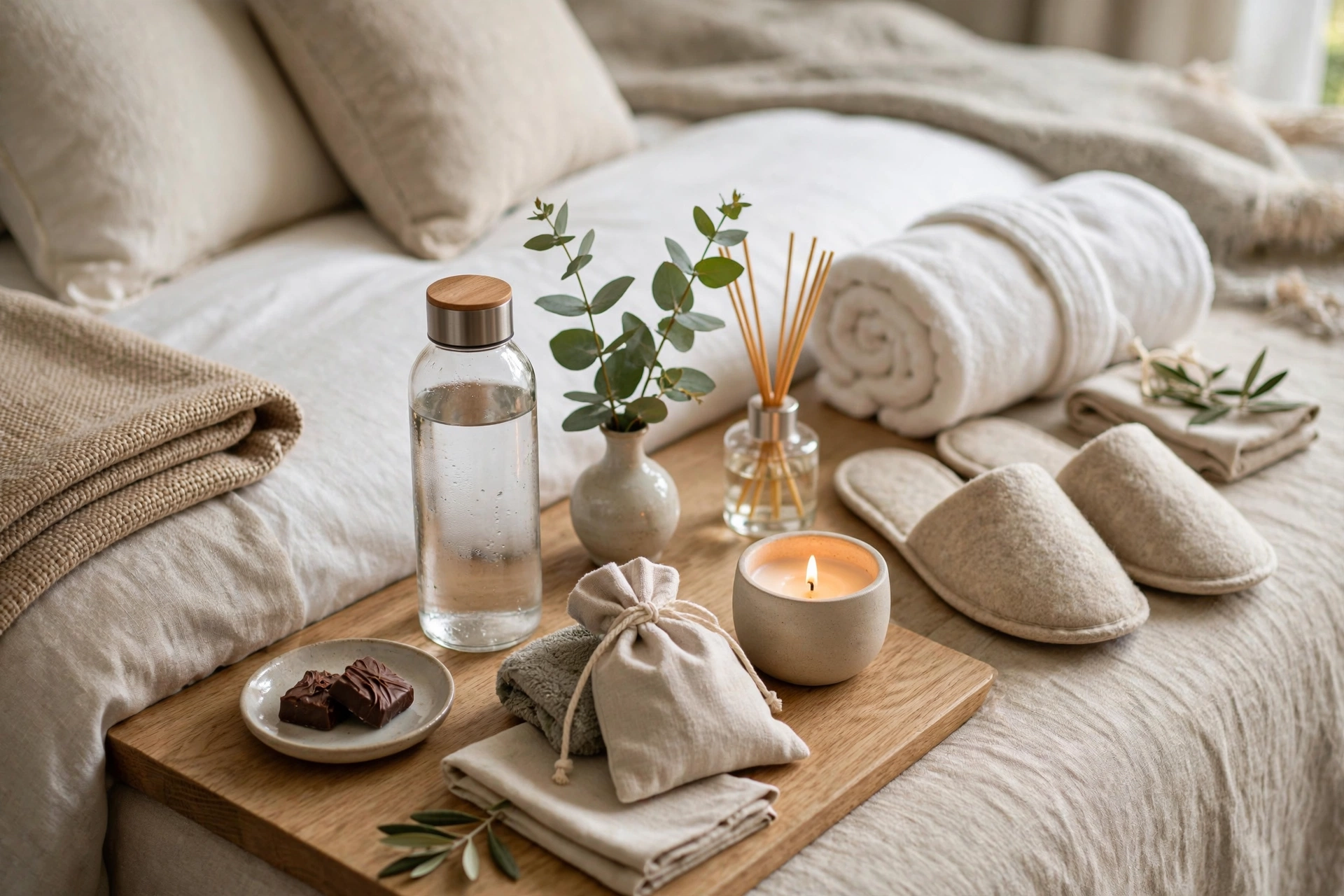
The final phase of styling involves adding small, personalized details that demonstrate true hospitality. These touches cost very little but leave a lasting impression of thoughtfulness and care.
Fresh Florals
Never use cheap plastic artificial flowers. Instead, place a small, clear glass vase with a fresh botanical cutting on the dresser or vanity table. A single branch of eucalyptus, a few stems of fresh white tulips, or a simple palm leaf adds organic life and movement to the room without overwhelming the senses with heavy floral odors.
The Welcome Basket
If you want to truly touch your guests’ hearts, place a small, curated welcome basket on their bed or vanity table before arrival:
- Snacks and Hydration: Include two bottles of sparkling mineral water, a high-quality dark chocolate bar, and a small jar of premium roasted nuts or dried fruit. This ensures guests have access to food if they get hungry in the middle of the night without needing to awkwardly raid your kitchen.
- Local Curation: If your guests are visiting from out of town, include a small local guidebook, a neighborhood map highlighting your favorite coffee shops, or a list of your family’s preferred restaurants and walking trails.
- The Handwritten Note: Write a brief, genuine welcome card expressing how excited you are to host them. Place it right at the front of the basket.
Summary Checklist for an Authentic Five-Star Experience
To ensure your guest bedroom transformation is seamless, execute these final design benchmarks:
- Symmetry and Scale: Symmetrical nightstands and lighting fixtures anchor the bed as an architectural centerpiece.
- Monochromatic Whites: Sheets and duvet covers are completely white, pristine, and ironed or steamed smooth.
- Atmospheric Illumination: Dimmers on overhead fixtures, complemented by warm, shaded task lamps on both sides of the bed.
- Zero Domestic Clutter: Surfaces are clear of personal bills, paperwork, or household overflow storage.
- Sensory Perfection: Fresh botanicals, a soft signature scent, and a white noise machine manage the room’s air and acoustics.
WRAP UP
By approaching your guest bedroom styling through this rigorous hospitality framework, you move beyond basic home decorating. You create an intentional, luxurious micro-environment that doesn’t just house your loved ones—it honors them, making their stay a memorable, rejuvenating, five-star experience.