Finding the perfect balance between cozy and cool starts with the colors you choose for your walls and furniture.
Japandi Color Palette Ideas is a beautiful marriage of Japanese minimalism and Scandinavian warmth, relying on a specific set of tones to create a serene, spa-like atmosphere at home.
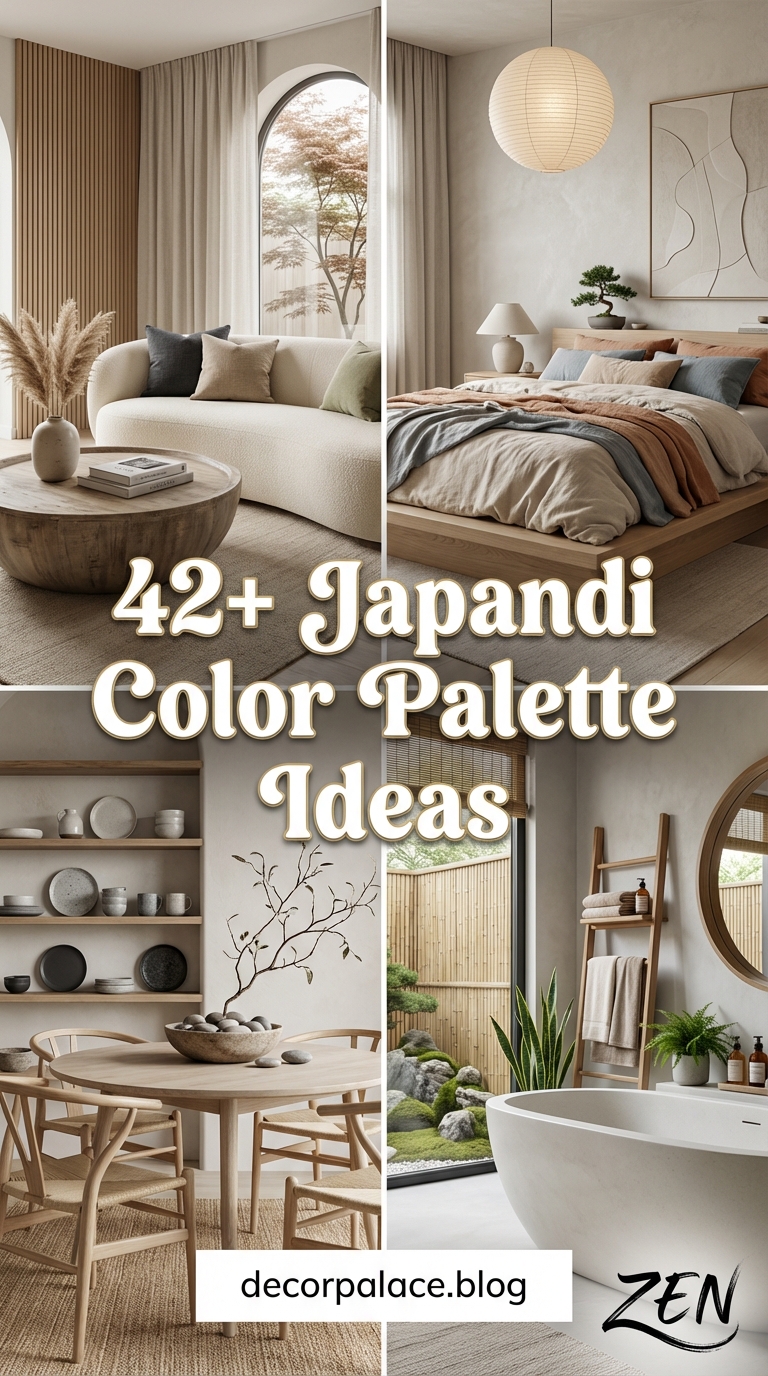
In this guide, we explore how to blend these two worlds using a curated selection of earthy and neutral tones. Get ready to transform your living space into a tranquil sanctuary that feels both modern and timeless.
1#. The Foundation of Warm Oatmeal
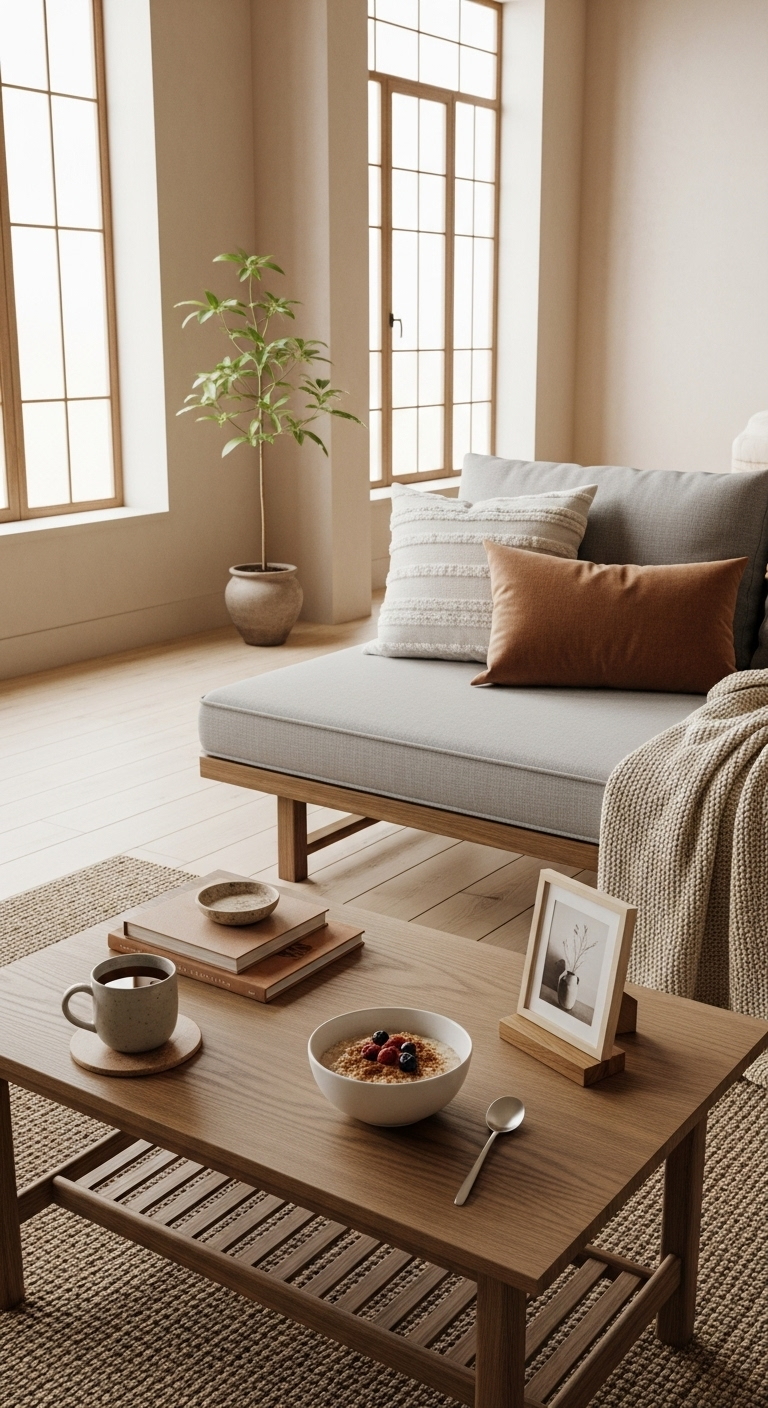
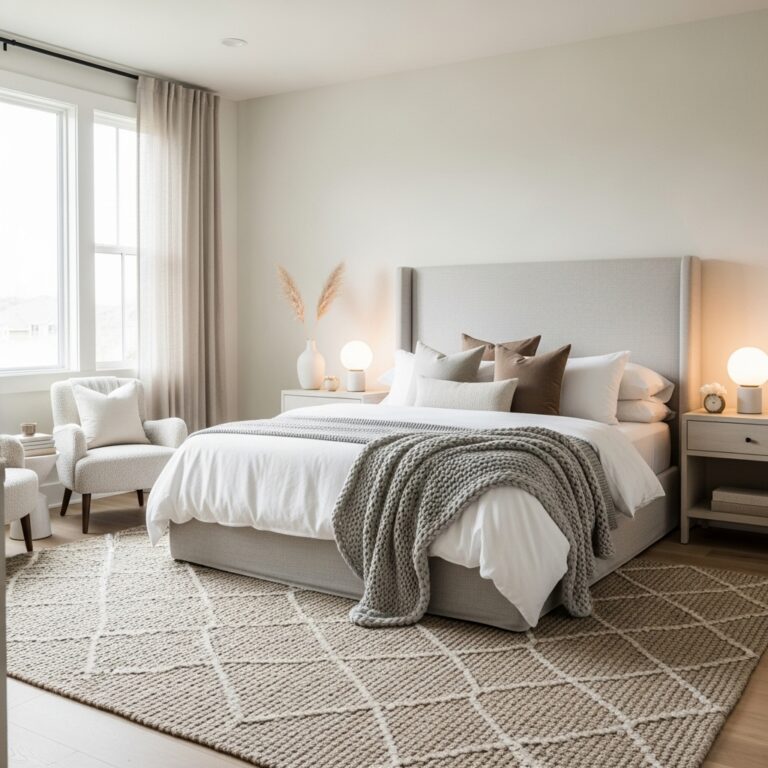
Start your journey by embracing the soft, creamy tones of warm oatmeal for your primary wall color. This specific choice within the Japandi Color Palette Ideas: Japandi Hues provides a much softer feel than a clinical, stark white.
It acts as a perfect canvas for light wood furniture and textured linens throughout your living room or bedroom. This hue creates an immediate sense of “Hygge” while maintaining the clean, bright look essential for a minimalist home.
2#. Deep Charcoal for Sophisticated Contrast
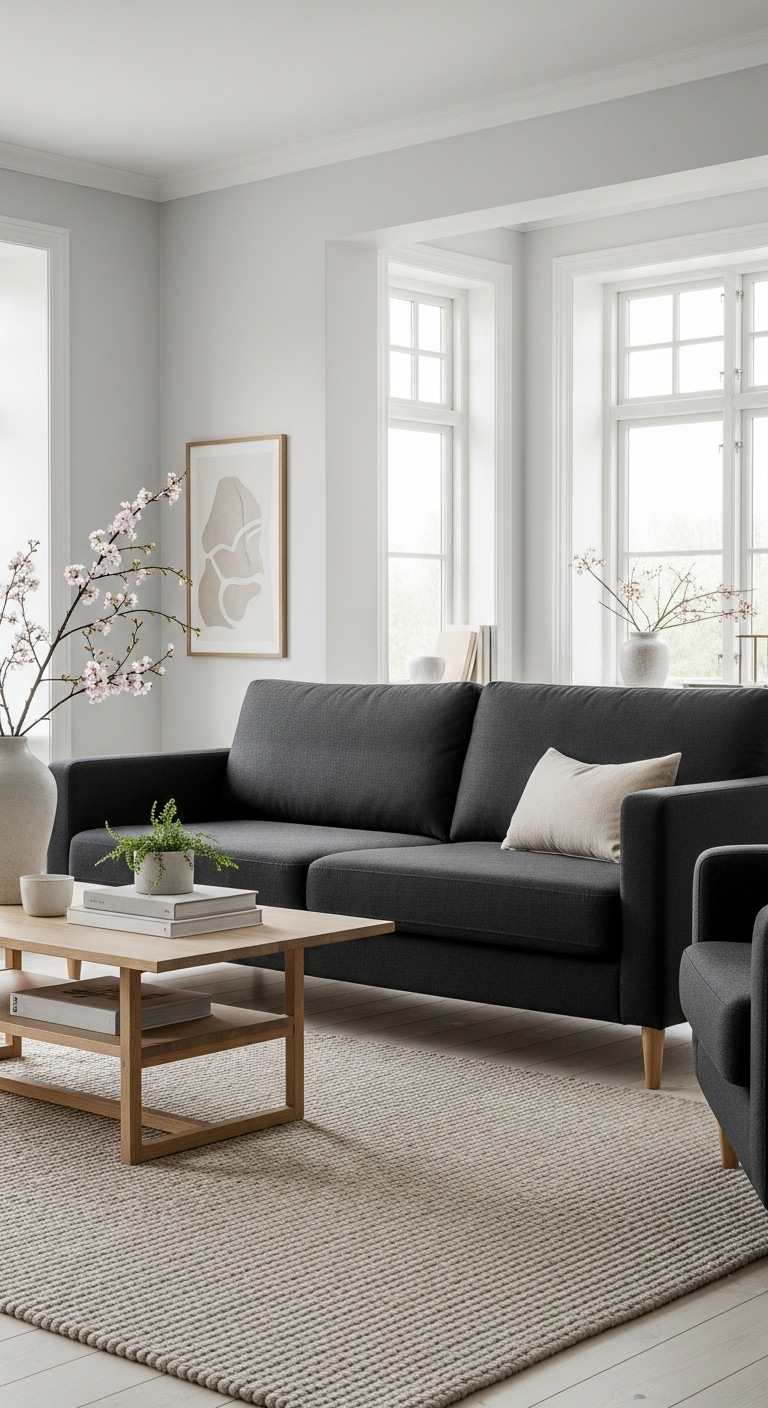
Introduce deep charcoal or soft black to ground your space and add a touch of modern Japanese edge. Use this darker shade for window frames, light fixtures, or a single statement chair to create a focal point.
This contrast is vital for preventing a neutral room from looking washed out or flat in natural daylight. It provides the “Zen” definition that separates Japandi from a purely traditional Scandinavian aesthetic.
3#. Muted Sage for an Organic Touch
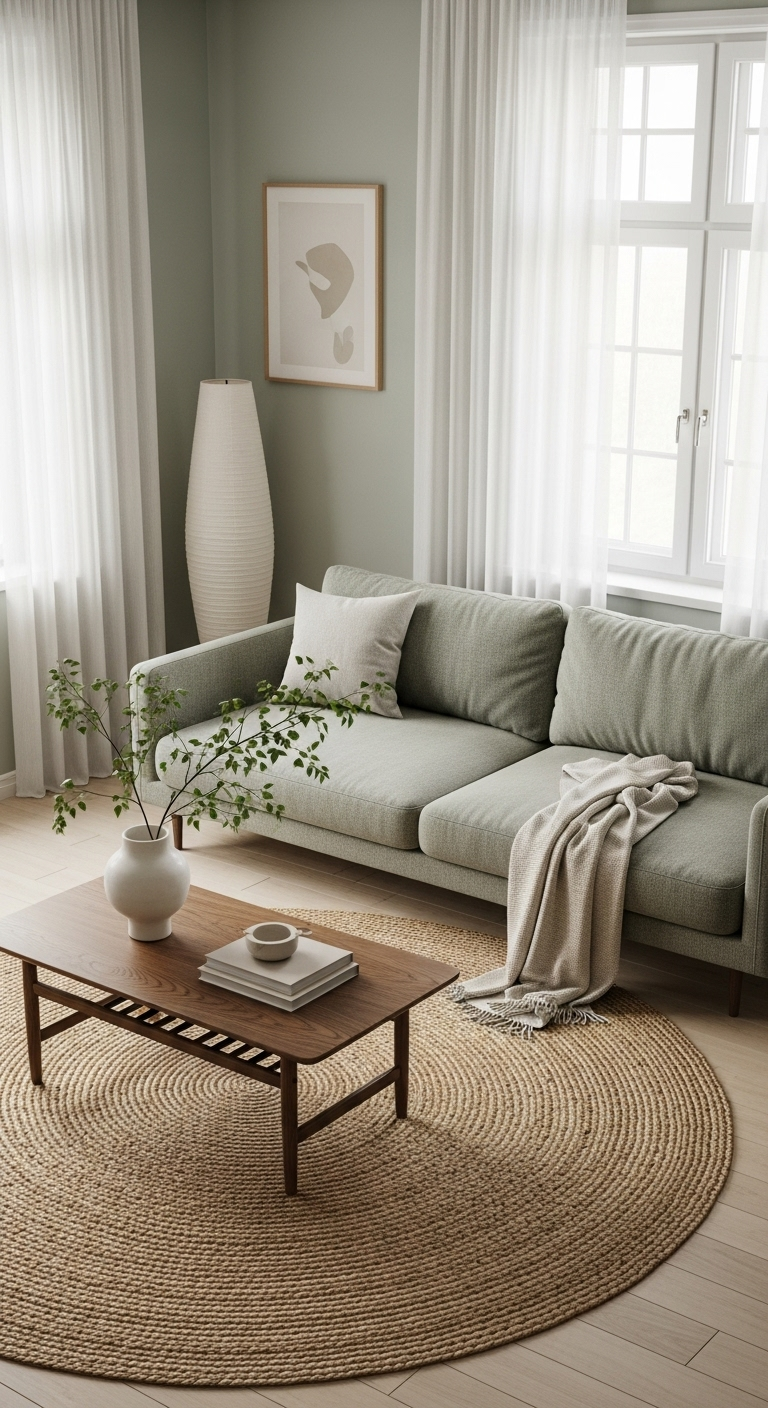
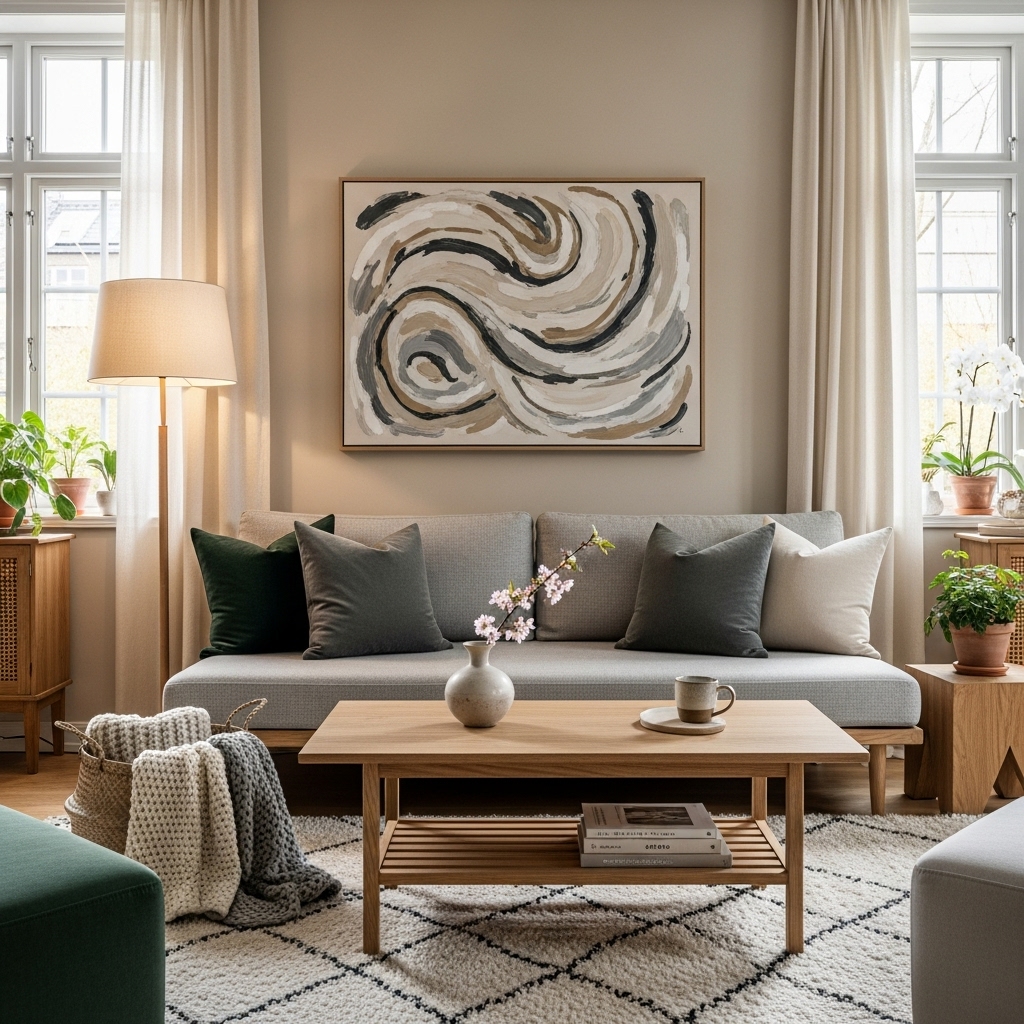
Muted sage is a cornerstone of Japandi Color Palette Ideas: Japandi Hues because it brings the peace of nature indoors. This dusty green works beautifully as a transition color for kitchen cabinetry or soft velvet throw pillows.
It pairs naturally with light oak and bamboo, reinforcing the connection between your interior and the outside world. This organic tone promotes relaxation and makes any room feel like a quiet garden retreat.
4#. Soft Stone and Pebbled Grey
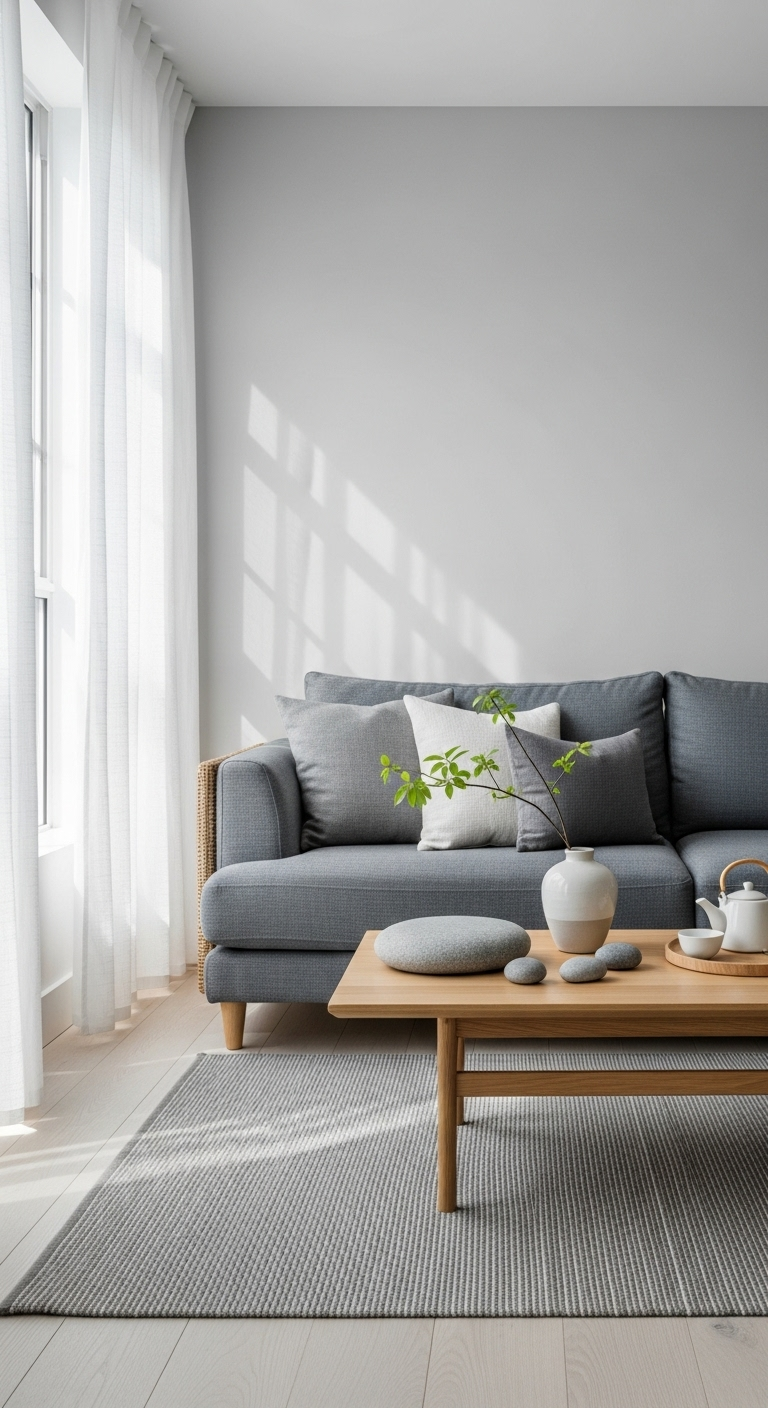
Soft stone greys offer a cool, calming presence that mimics the look of traditional Japanese rock gardens. Use this hue for large-format floor tiles or linen sofas to provide a sturdy, earthy foundation for your decor.
Unlike blue-toned greys, stone-inspired shades have a warm undertone that keeps the environment feeling cozy and inviting. It is a versatile choice that works seamlessly across every room in a modern renovation.
5#. Sun-Baked Terracotta Accents
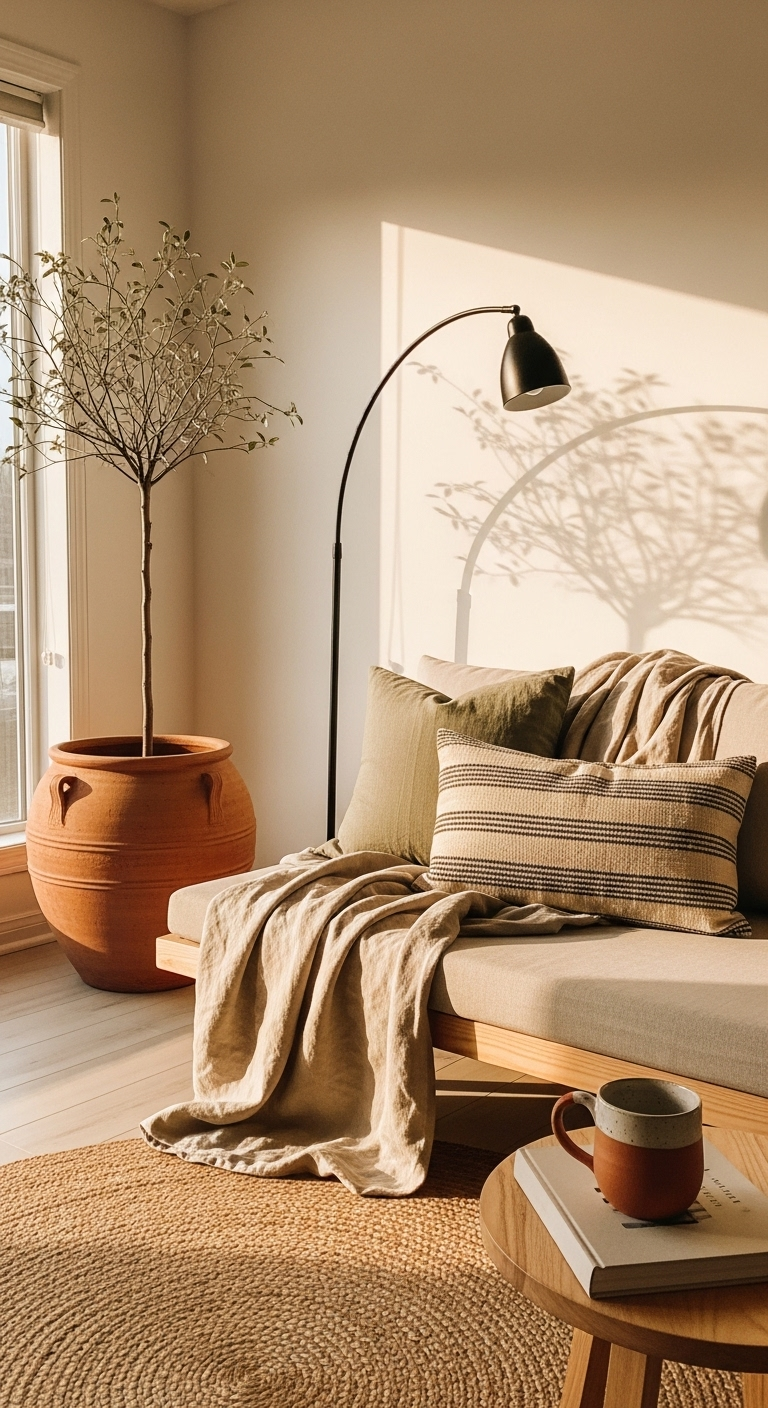
For a hit of warmth, incorporate sun-baked terracotta as a secondary accent in your Japandi Color Palette Ideas: Japandi Hues. This clay-like color adds a rustic, “Wabi-Sabi” charm to your pottery, vases, and small decorative items.
It provides a beautiful pop of earthy color that doesn’t overwhelm the senses or disrupt the peaceful flow. This hue is especially effective at making a white or grey kitchen feel much more lively and handcrafted.
6#. Dusty Nordic Blue
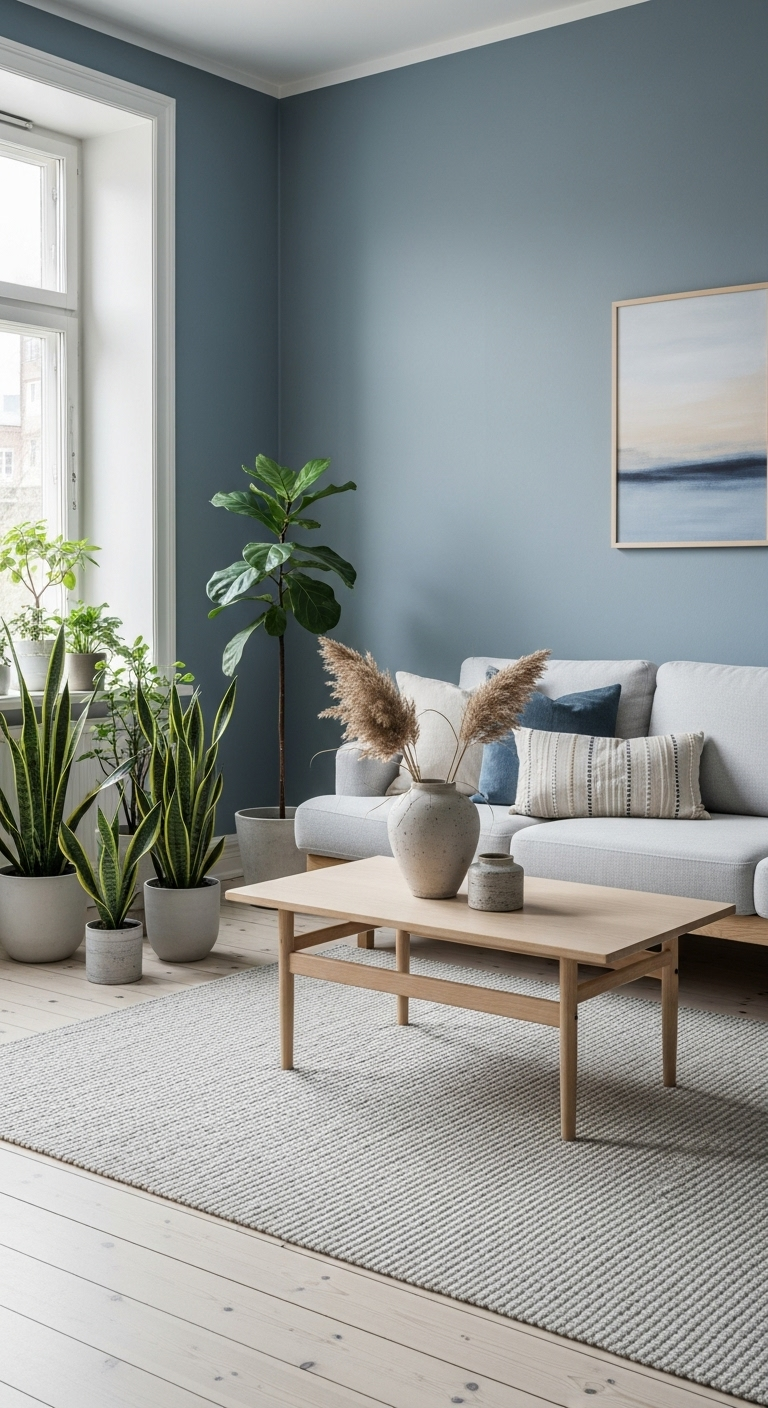
Bring in the cool serenity of the Northern fjords by using a dusty, grey-toned blue for your textiles. This shade is perfect for bedroom linens or curtains, as it naturally encourages a sense of deep rest and tranquility.
Nordic blue serves as a bridge between the two cultures, offering a “Hygge” softness that still feels very minimalist. It adds a sophisticated layer of color that remains firmly rooted in the natural world.
7#. Raw Linen and Sand Tones
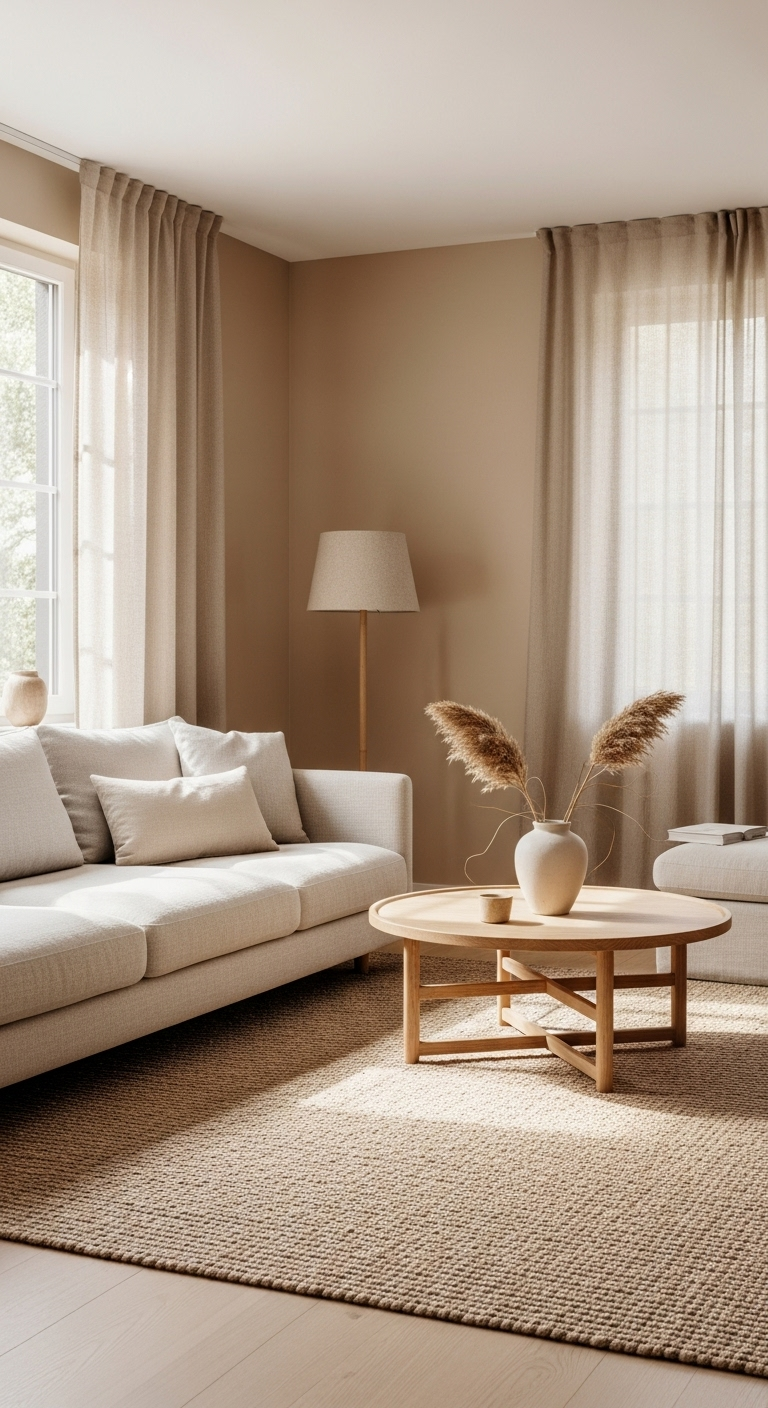
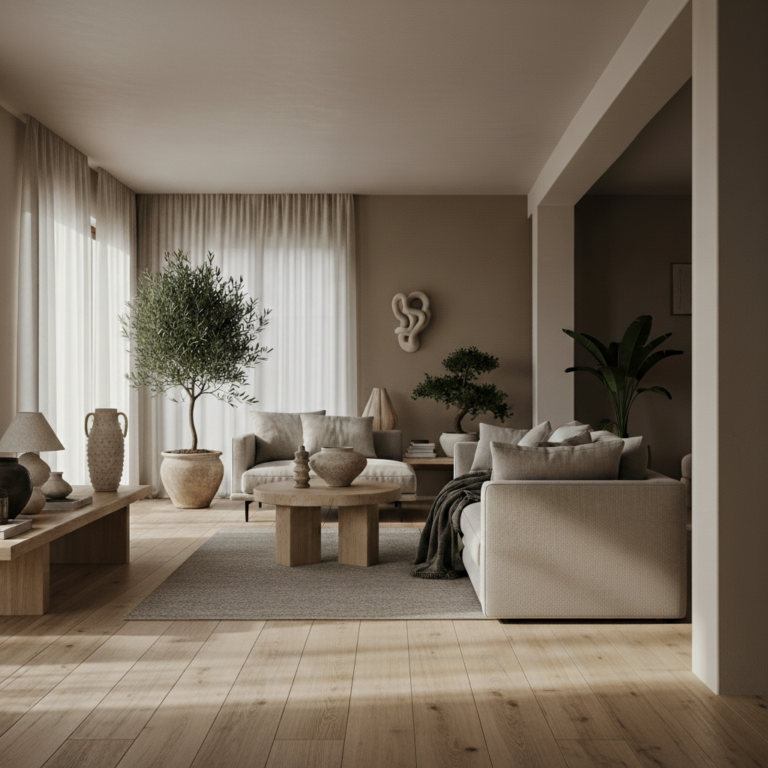
The colors of raw linen and dry sand are essential for creating a tactile, multi-layered neutral environment. Use these shades for rugs, window treatments, and upholstered benches to add subtle visual interest through texture.
These sandy tones help to blur the lines between different materials, making the room feel more cohesive and vast. They are the ultimate “safe” colors for beginners looking to master a high-end, designer look at home.
8#. Rich Walnut for Depth
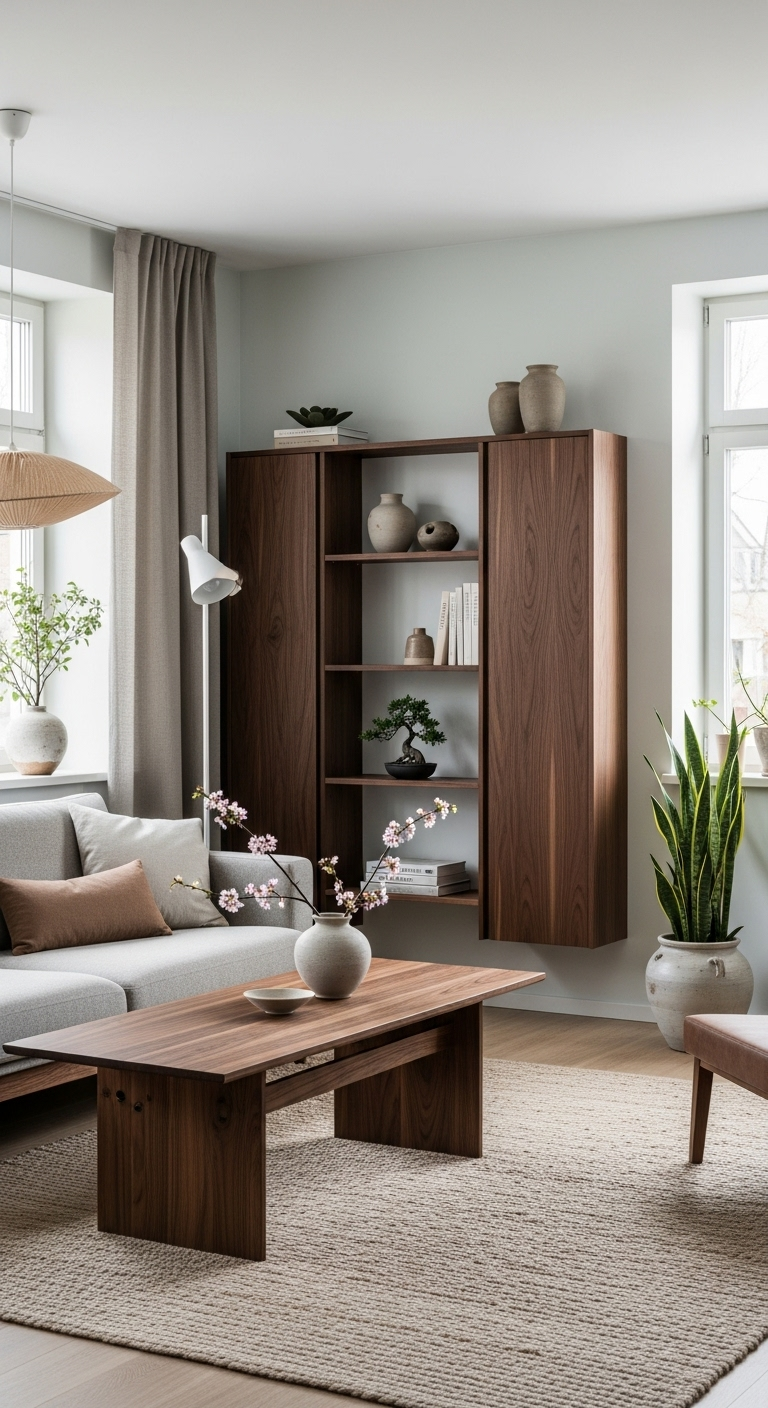
While light woods are common, incorporating rich walnut adds a layer of Japanese-inspired luxury to your furniture. The dark, chocolatey grain of walnut provides a stunning anchor for rooms with high ceilings or large windows.
It creates a sense of permanence and history that balances the lighter, more airy Scandinavian elements in the room. This deeper wood tone is a great way to make a dining room feel more intimate and formal.
9#. Pale Straw and Natural Wicker
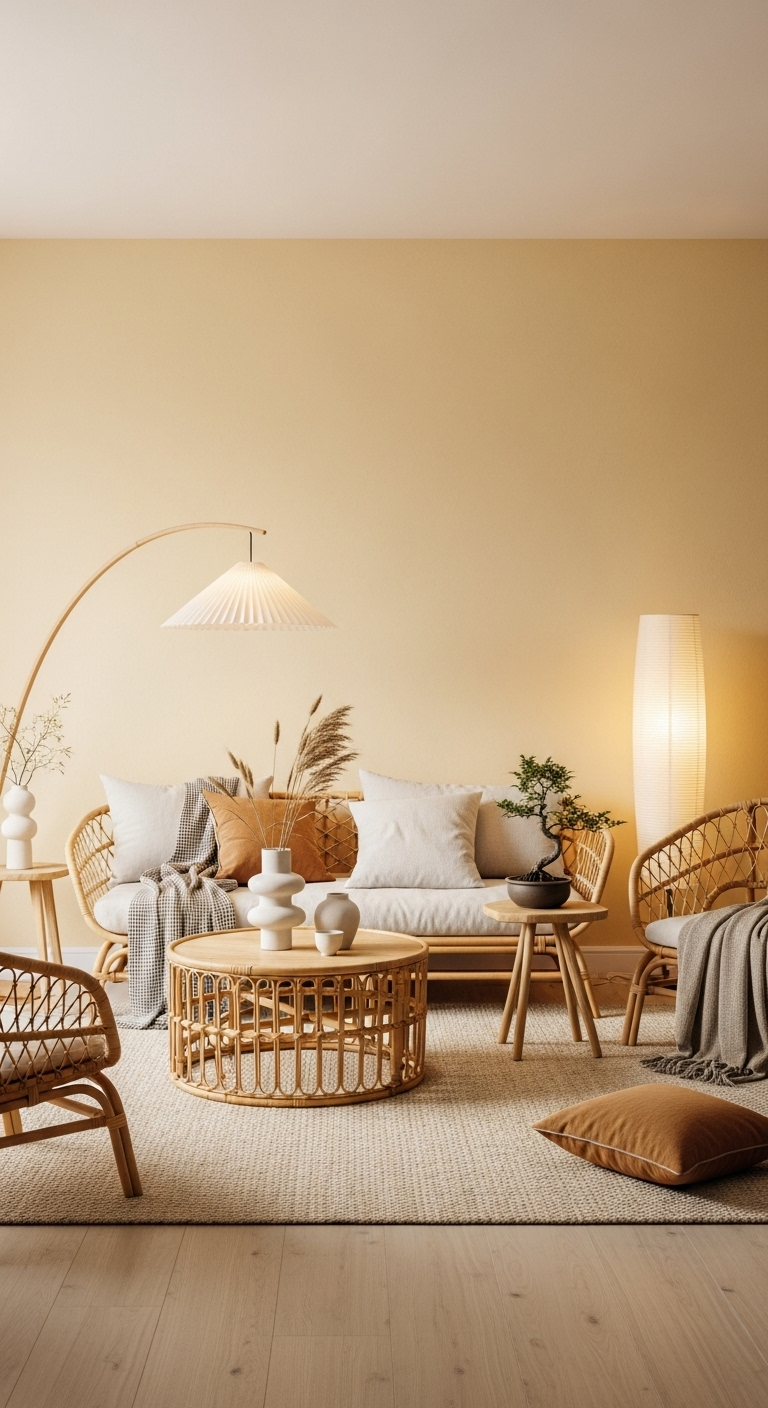
Pale straw tones found in wicker and rattan are perfect for adding a lightweight, breezy feel to your entryway. These honey-colored hues catch the light beautifully and add a golden glow to your home during the sunset hours.
Using accessories in these natural colors is a budget-friendly way to experiment with Japandi Color Palette Ideas: Japandi Hues. They bring a sense of craftsmanship and artisanal detail to even the most modern, sleek spaces.
10#. Soft Clay and Putty
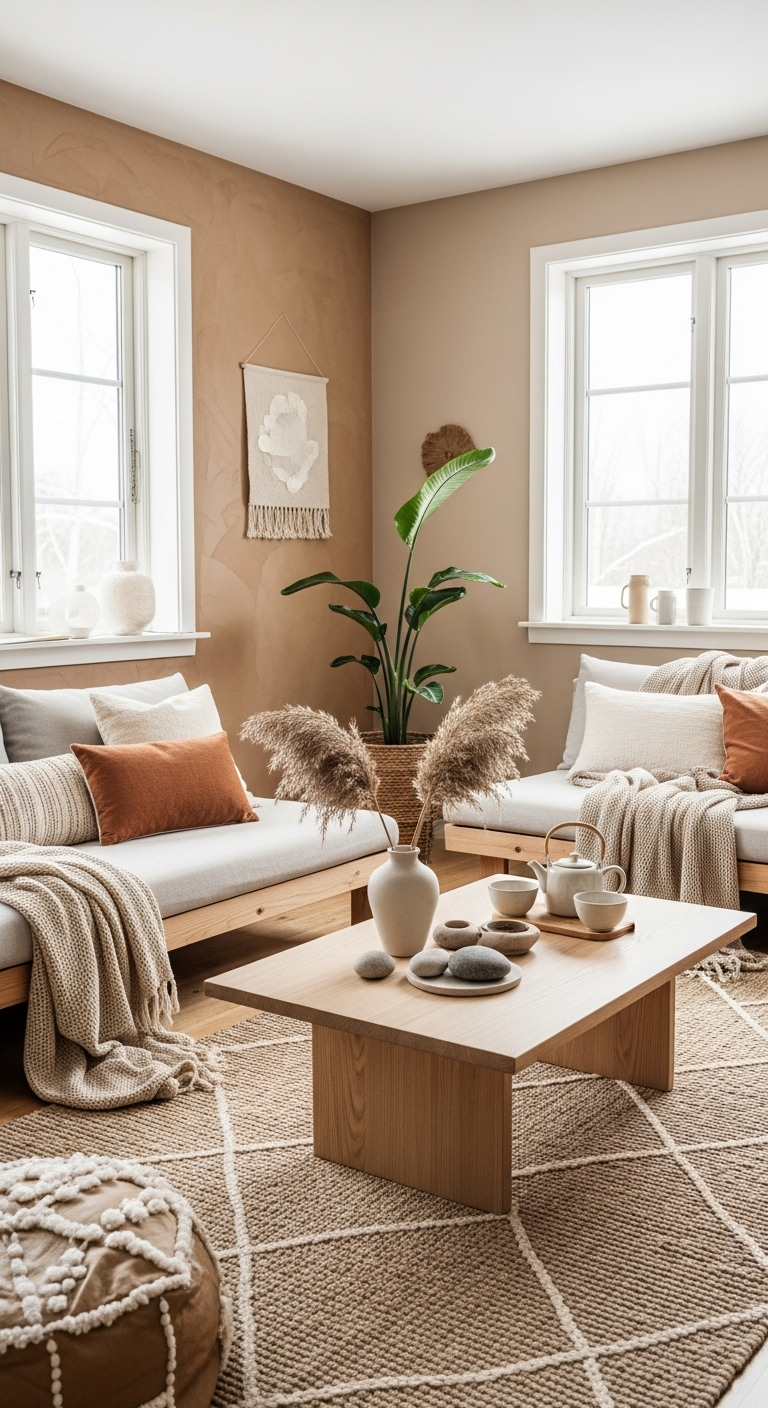
Soft clay and putty colors are the perfect middle ground for those who find beige too warm and grey too cold. These “greige” tones are incredibly popular because they adapt to the changing light throughout the day.
Use putty for your built-in cabinetry to create a look that feels custom, integrated, and very high-end. It is a sophisticated choice that ensures your home feels modern without ever feeling clinical or dated.
11#. Dark Forest Green
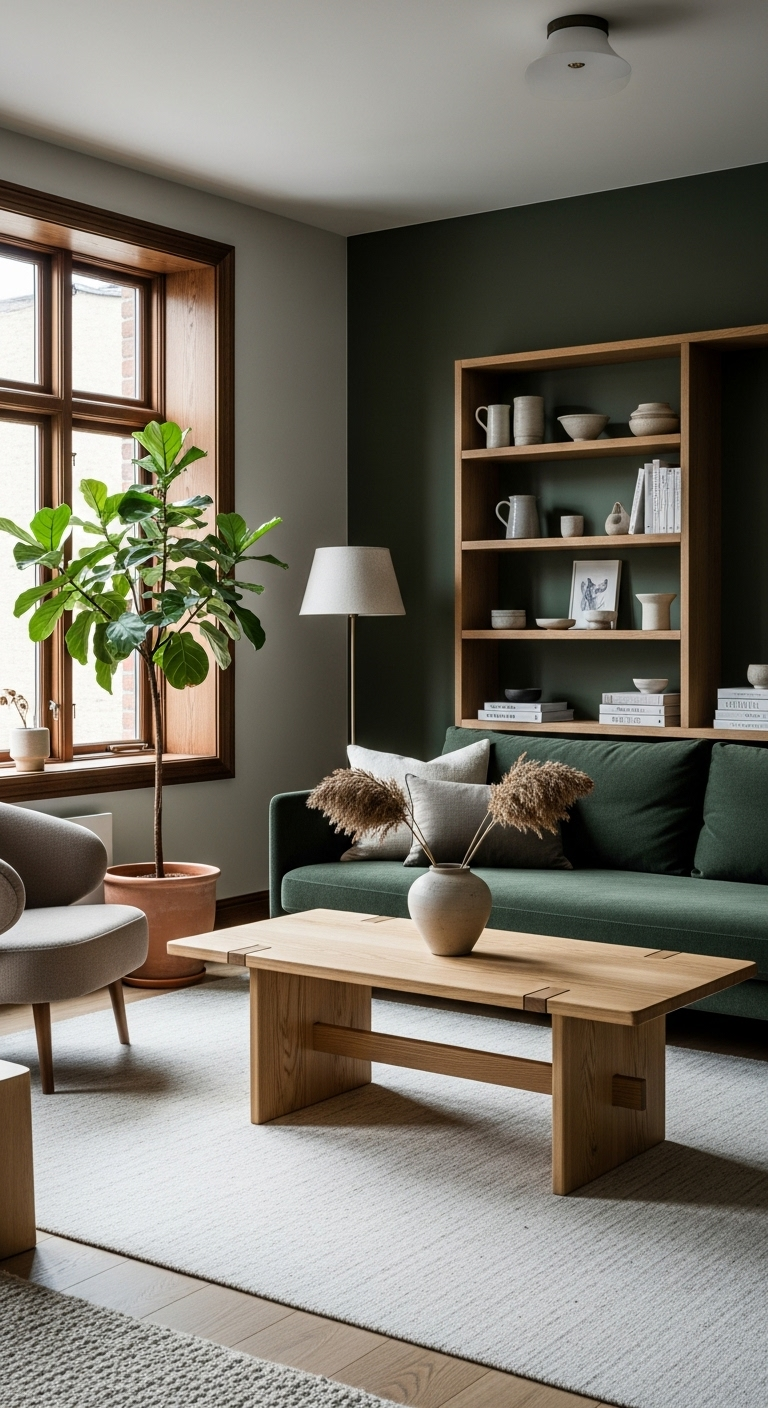
For a moodier take on the trend, use dark forest green as a deep, saturated accent in a home office or library. This color provides a quiet, studious energy that pairs perfectly with black hardware and brass lighting fixtures.
It feels like a more mature version of sage, providing a luxurious depth that still honors the natural world. Dark green acts as a beautiful backdrop for light wood shelving and curated ceramic collections.
12#. Warm Taupe for Coziness
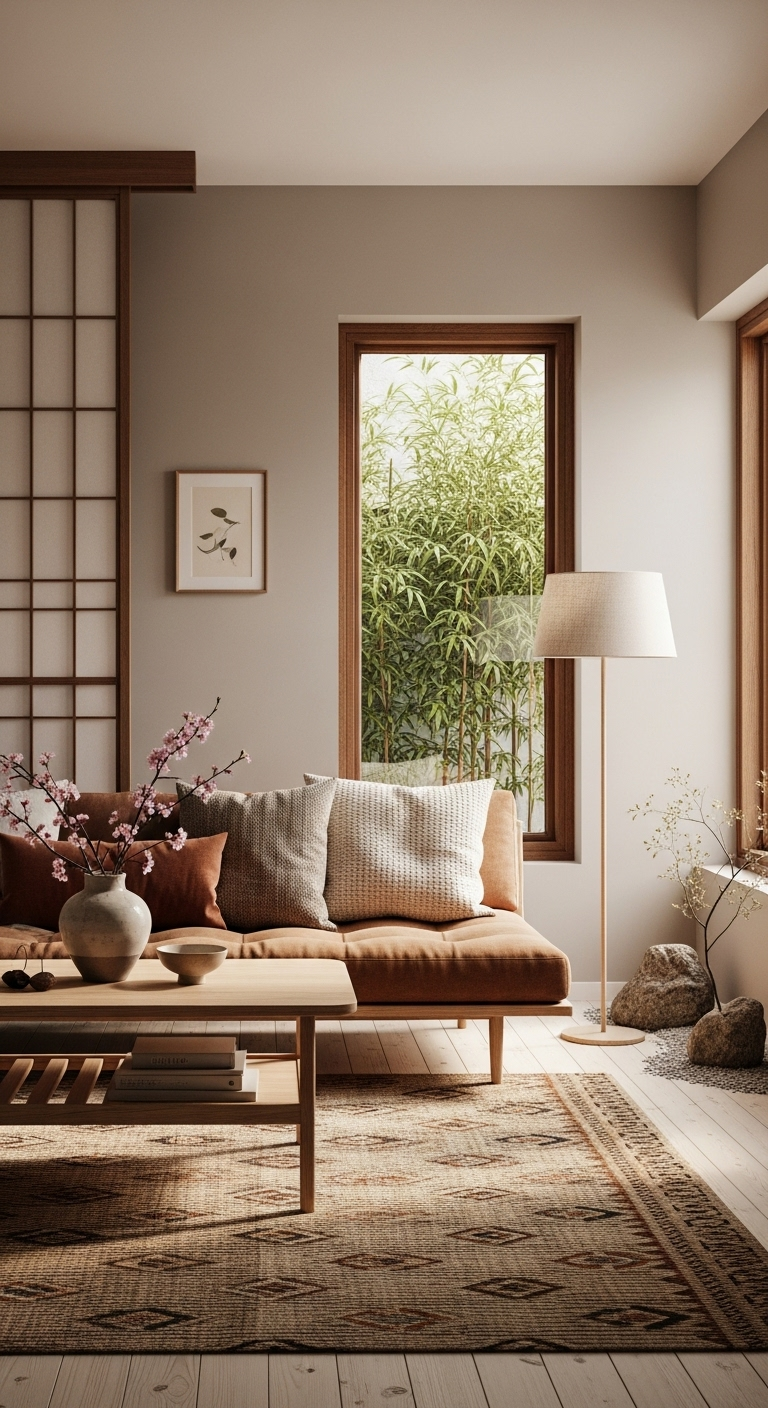
Warm taupe is a reliable choice when searching for Japandi Color Palette Ideas: Japandi Hues that maximize comfort. This color is slightly richer than sand, making it perfect for plush rugs or heavy wool blankets.
It wraps the room in a sense of security and warmth, which is the ultimate goal of the “Hygge” philosophy. Taupe works best in spaces where you want to linger, such as a cozy reading nook or a family lounge.
13#. Ink Black for Graphic Lines
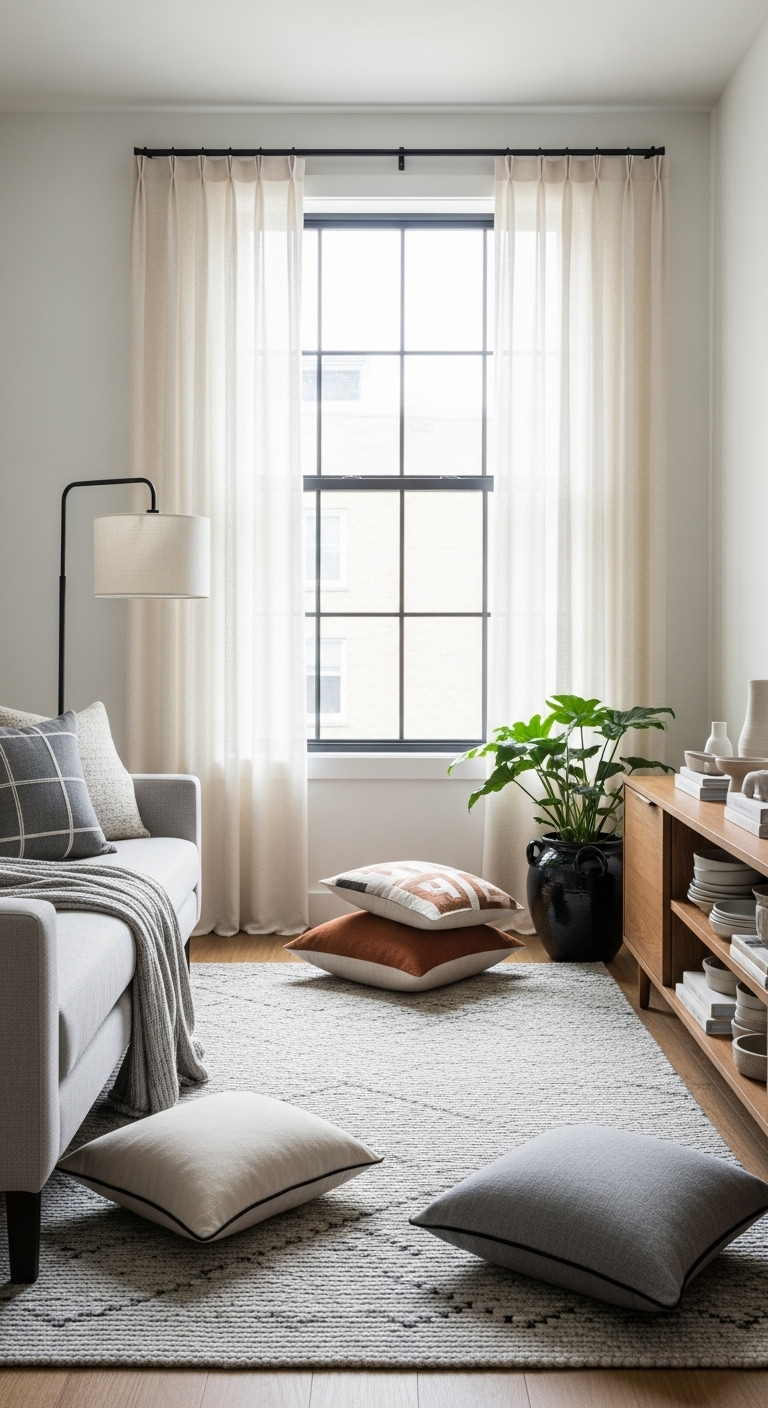
Japanese design often uses ink black to create sharp, graphic lines that define the architecture of a room. Use this for slim-profile dining chairs or minimalist picture frames to add a professional, curated touch.
A few black accents help the lighter colors pop, making the entire palette feel more intentional and balanced. It is the “finishing touch” that gives a minimalist home its sophisticated and modern personality.
14#. Creamy Vanilla and Pearl
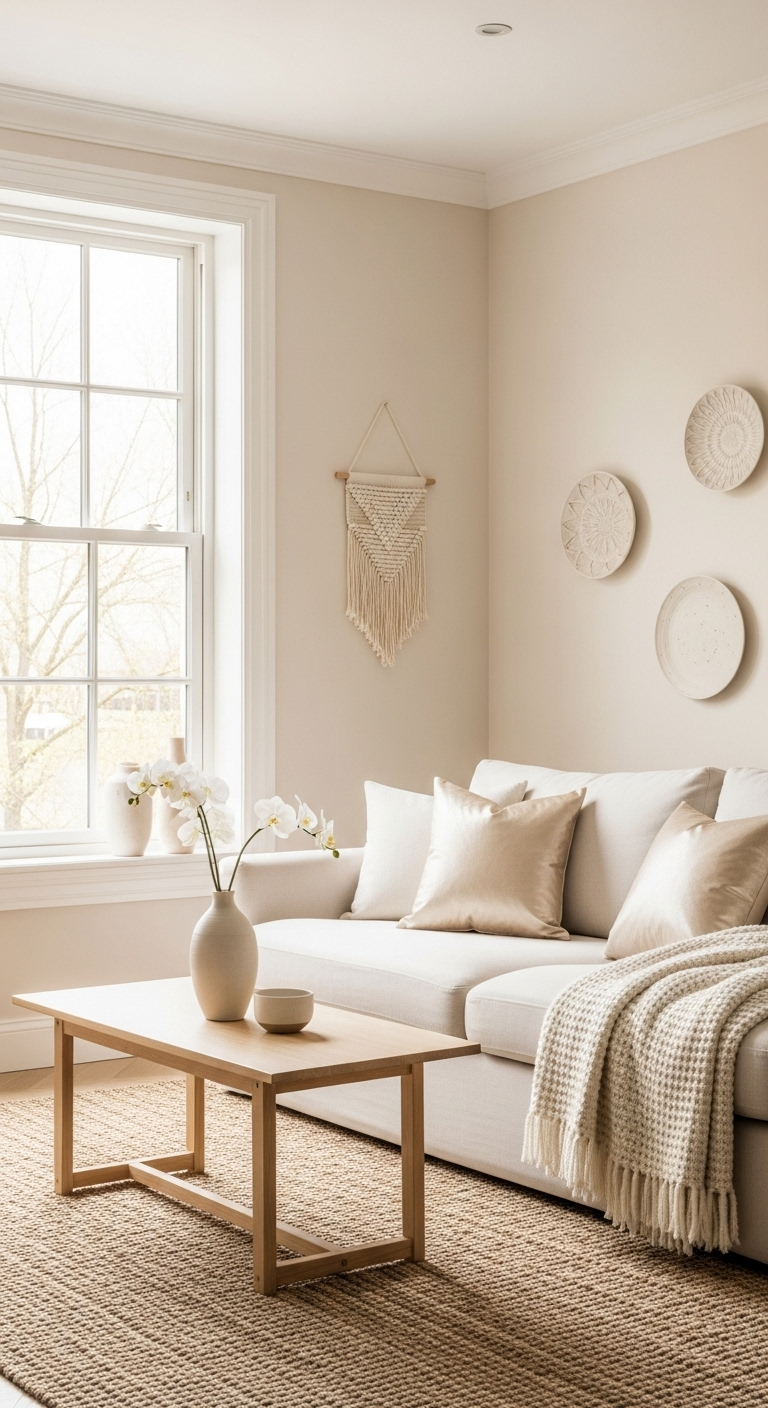
Avoid “stark” whites in favor of creamy vanilla and pearl tones to keep your ceilings and trim looking soft. These whites have a hint of yellow or pink that makes them feel warmer and more natural under artificial light.
They provide a bright, clean look that still feels gentle on the eyes during the early morning or late evening. Using pearl-toned paint is a simple way to make a room feel more expensive and thoughtfully designed.
15#. Earthy Umber and Sienna
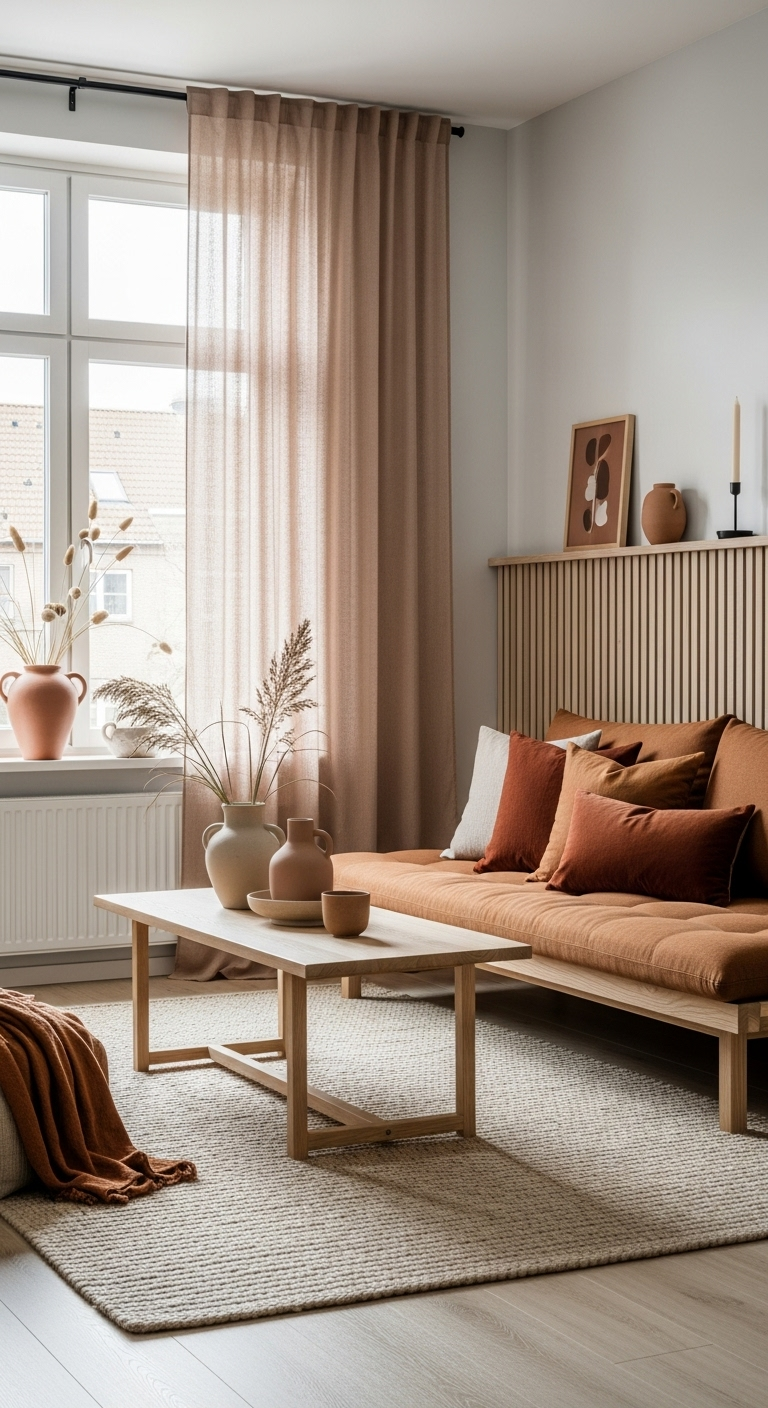
Incorporate umber and sienna through your artwork and pillows to add a grounded, Mediterranean-inspired warmth. These reddish-brown tones feel very “Wabi-Sabi,” celebrating the raw beauty of the earth and natural pigments.
They add a sense of soul and character that prevents a minimalist room from feeling like a generic furniture showroom. These colors are best used in small, meaningful doses to maintain the room’s overall tranquility.
16#. Mist Grey and Fog
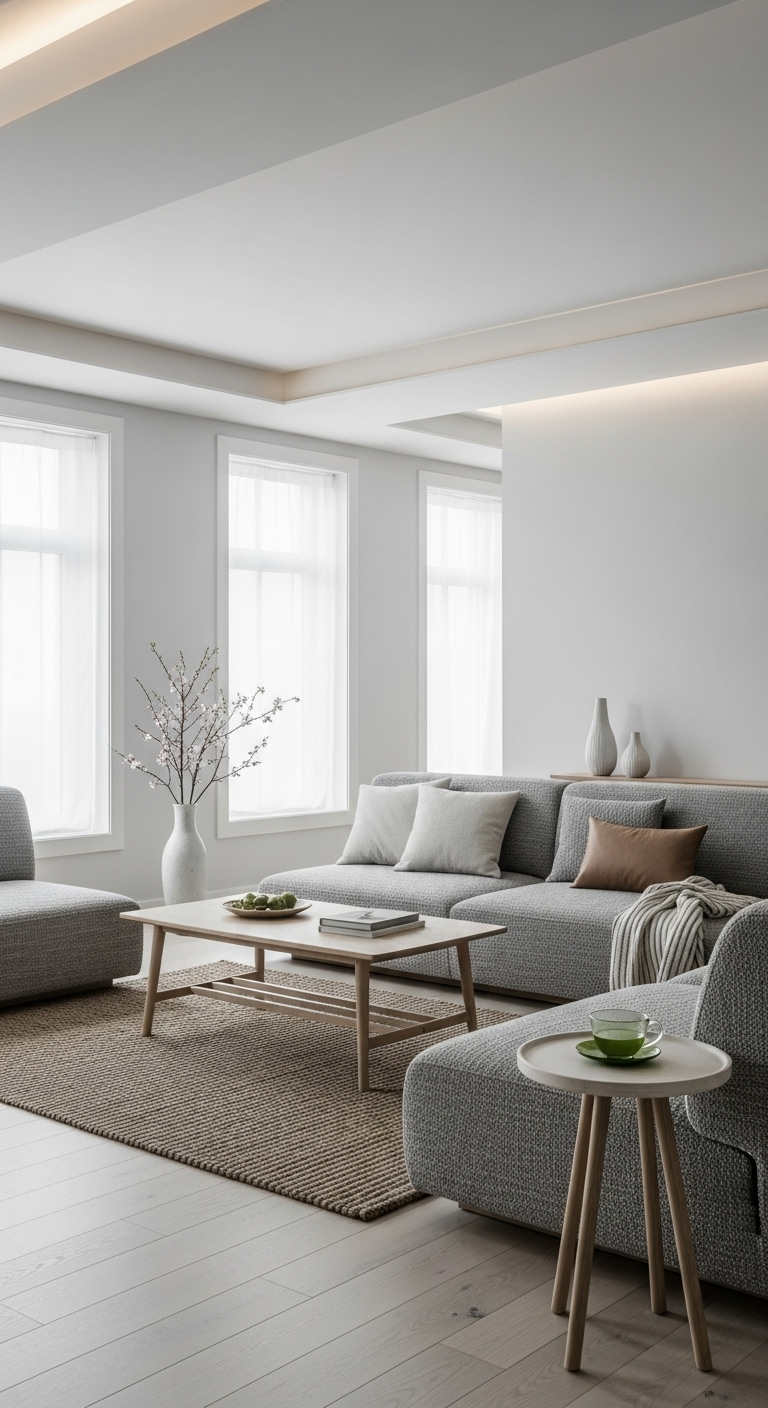
Mist grey is a very light, almost white shade that works perfectly for bathrooms and laundry rooms. It provides a clean, “fresh laundry” vibe that feels organized and airy without being too cold or clinical.
Pair this color with chrome or matte black hardware for a look that is both modern and timelessly chic. It is one of the most refreshing Japandi Color Palette Ideas: Japandi Hues for high-traffic utility spaces.
17#. Toasted Almond Wood Tones
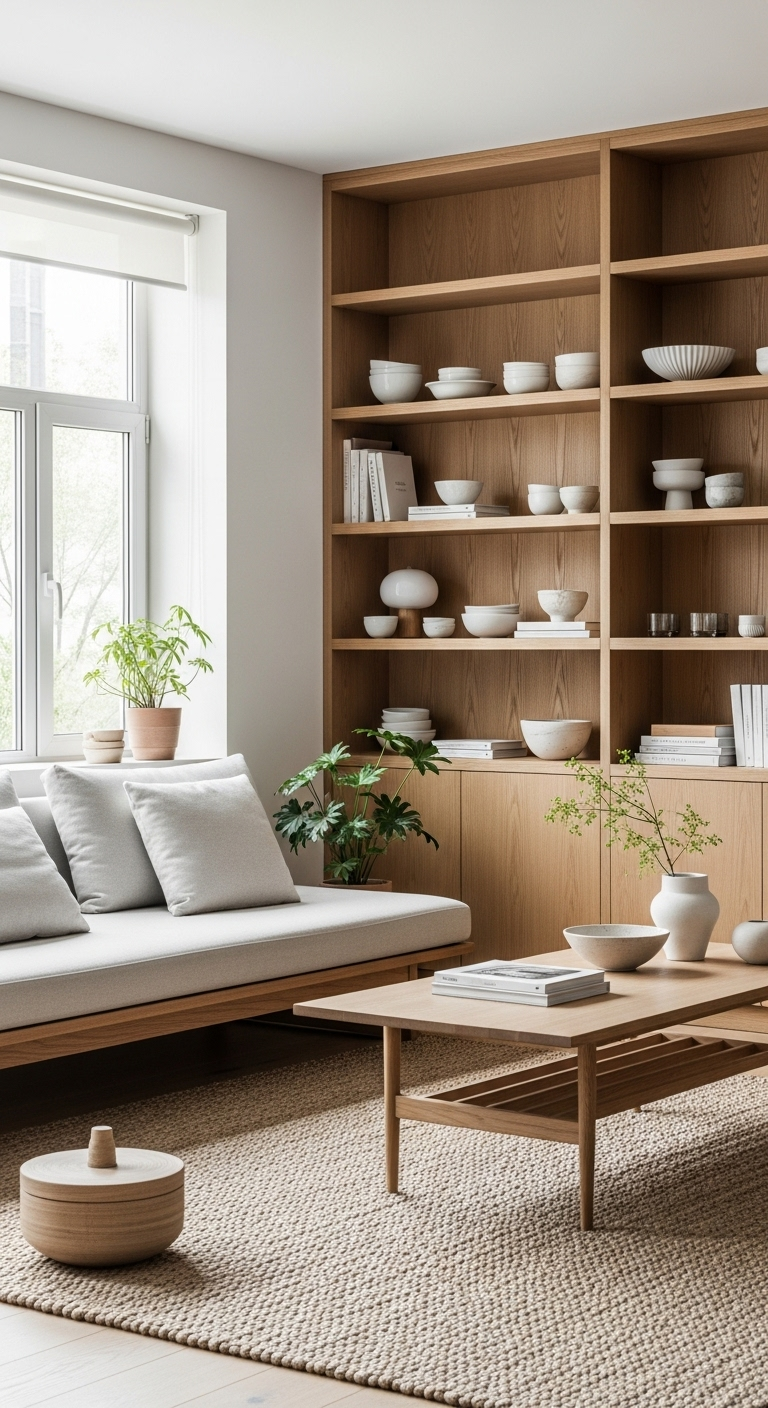
Furniture finished in a toasted almond shade offers a medium-toned wood option that is versatile and warm. This color bridges the gap between pale ash and dark walnut, making it easy to mix and match different pieces.
It brings a sense of classic Mid-Century style to the room, which is a major influence on modern Japandi design. These wood tones look fantastic against both light neutral walls and darker accent colors alike.
18#. Dusty Rose for Softness
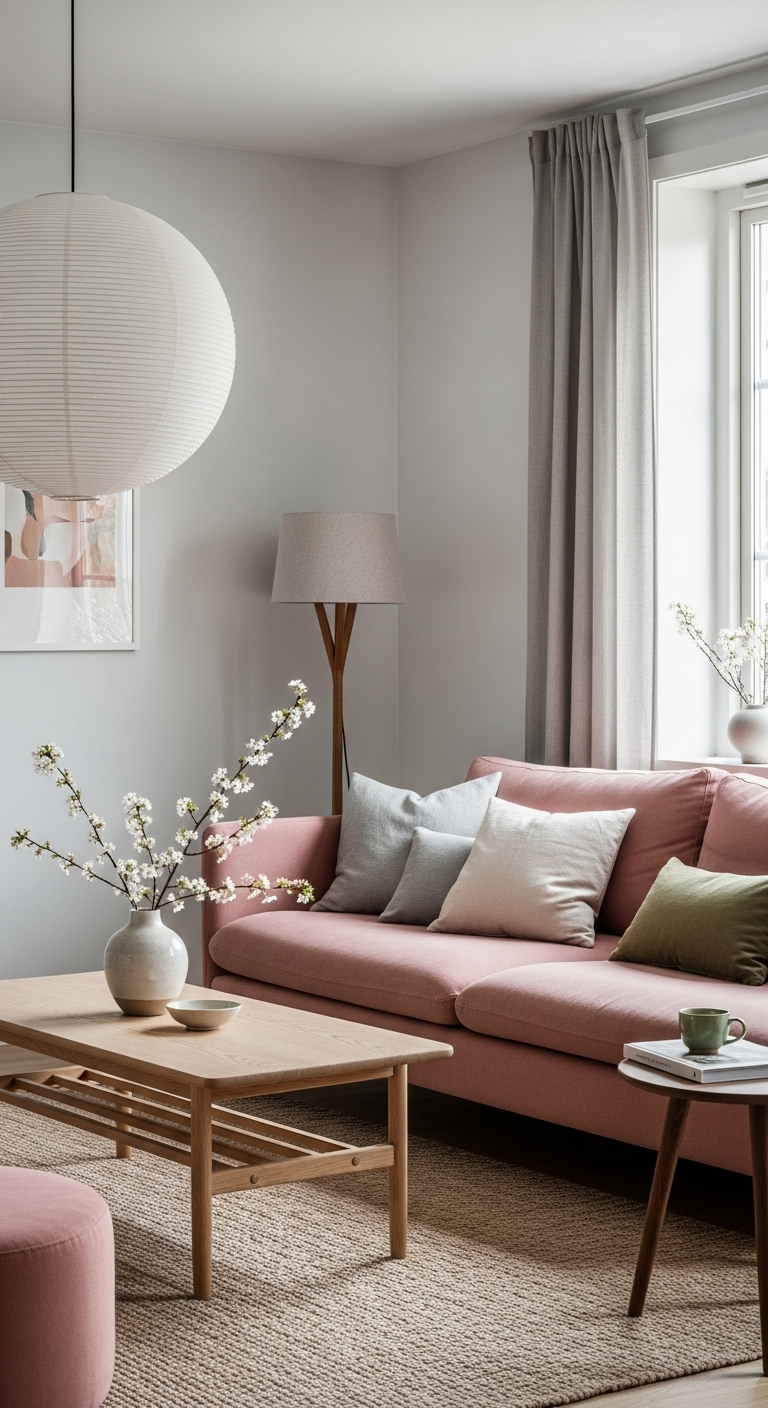
A very subtle, dusty rose can be used to add a touch of feminine softness to a primarily grey or white bedroom. This color should be so muted that it almost functions as a neutral, providing a hint of warmth without being “pink.”
It adds a romantic, peaceful energy that is perfect for spaces dedicated to rest and relaxation at home. Pair it with charcoal and light wood to keep the look balanced and firmly within the Japandi aesthetic.
19#. Smoked Oak and Ash
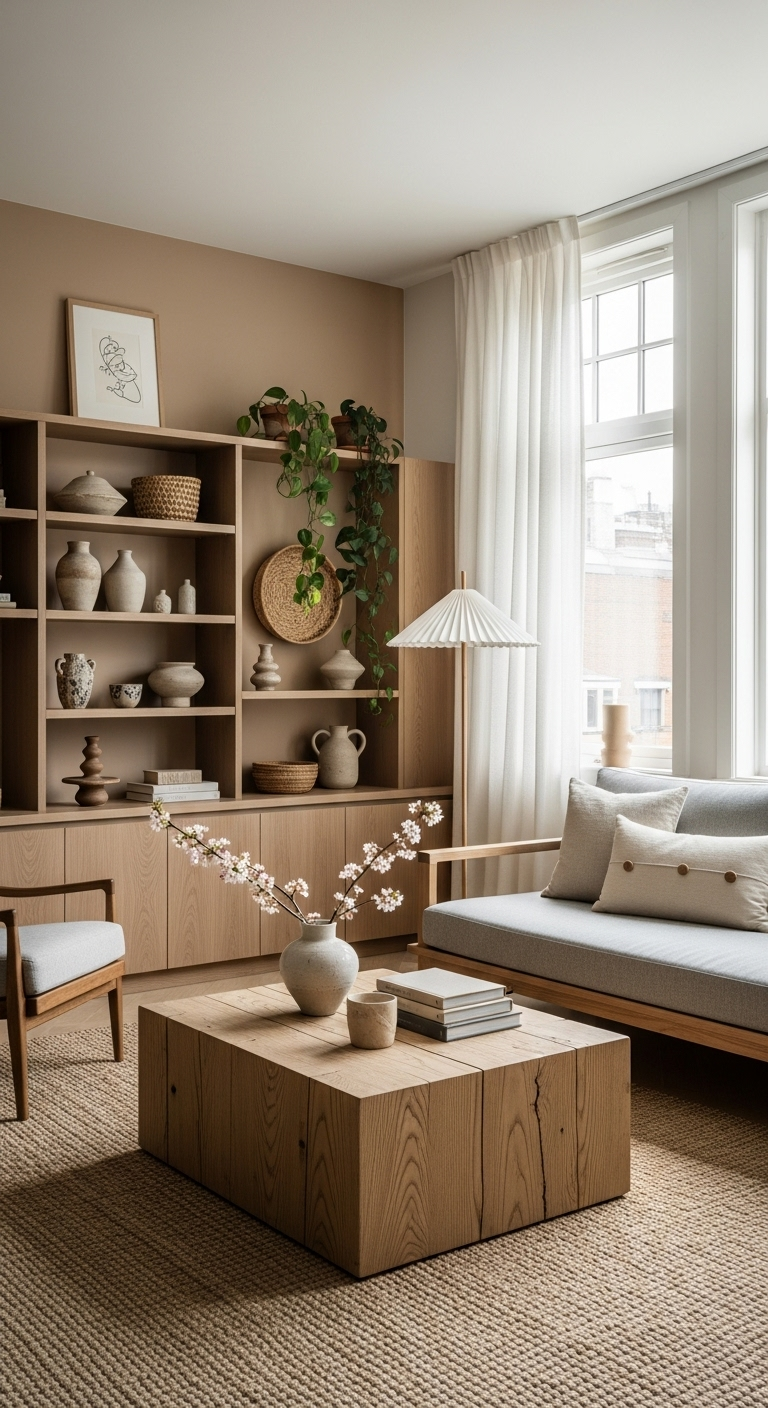
Smoked oak has a greyish-brown tint that feels very contemporary and sophisticated for flooring and large tables. This color hides wear and tear beautifully while providing a sleek, matte finish that doesn’t reflect too much light.
It is a favorite choice for those who want a “designer” look that feels more modern than traditional golden oak. Smoked wood tones are a hallmark of high-end Japandi Color Palette Ideas: Japandi Hues in 2026.
20#. Burnished Copper and Bronze
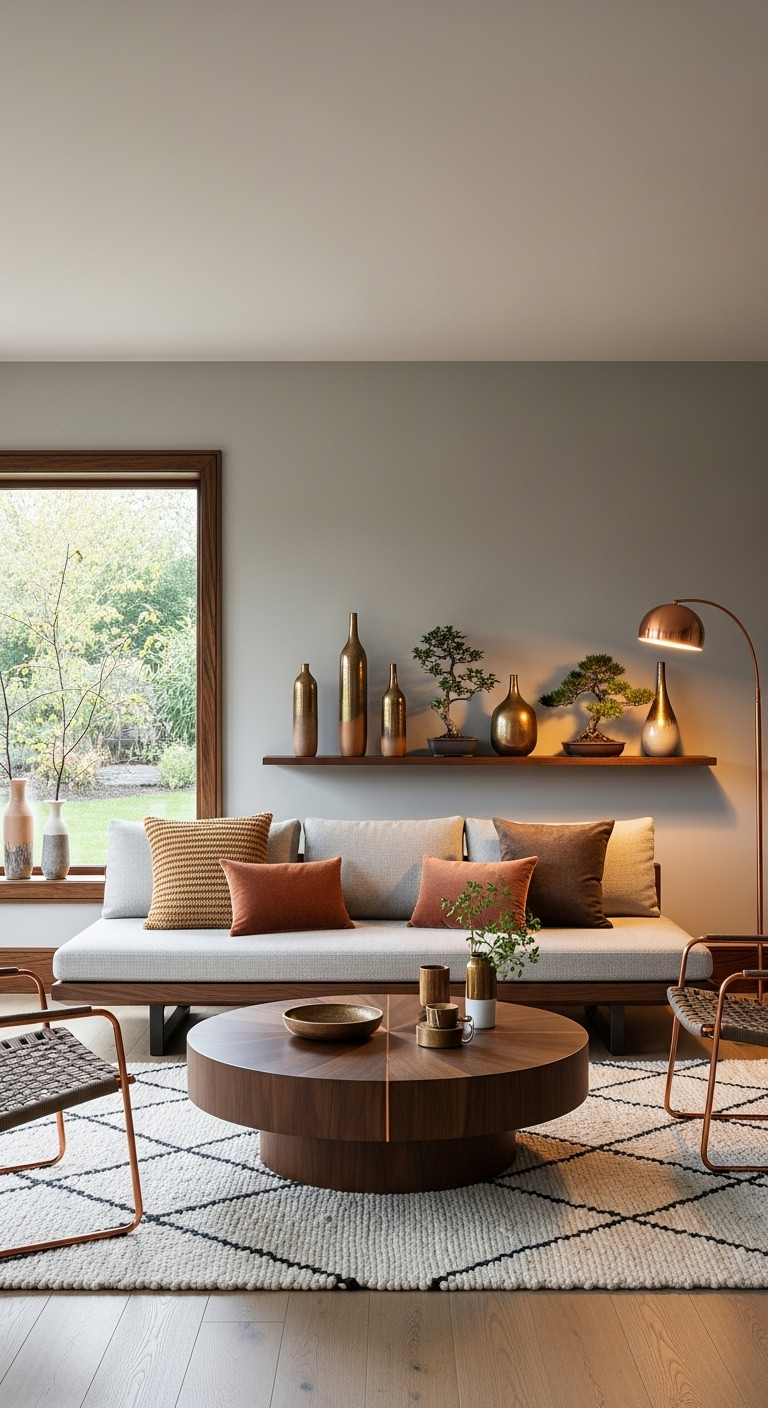
While not a “paint” color, the hues of burnished copper and bronze are essential for your metallic accents. Use these for your kitchen tap, door handles, or light switch plates to add a warm, festive shimmer.
These metals develop a beautiful patina over time, which perfectly aligns with the Japanese appreciation for aging and imperfection. They provide a touch of luxury that feels grounded and natural rather than flashy or “glam.”
21#. Pale Bone for Minimalist Walls
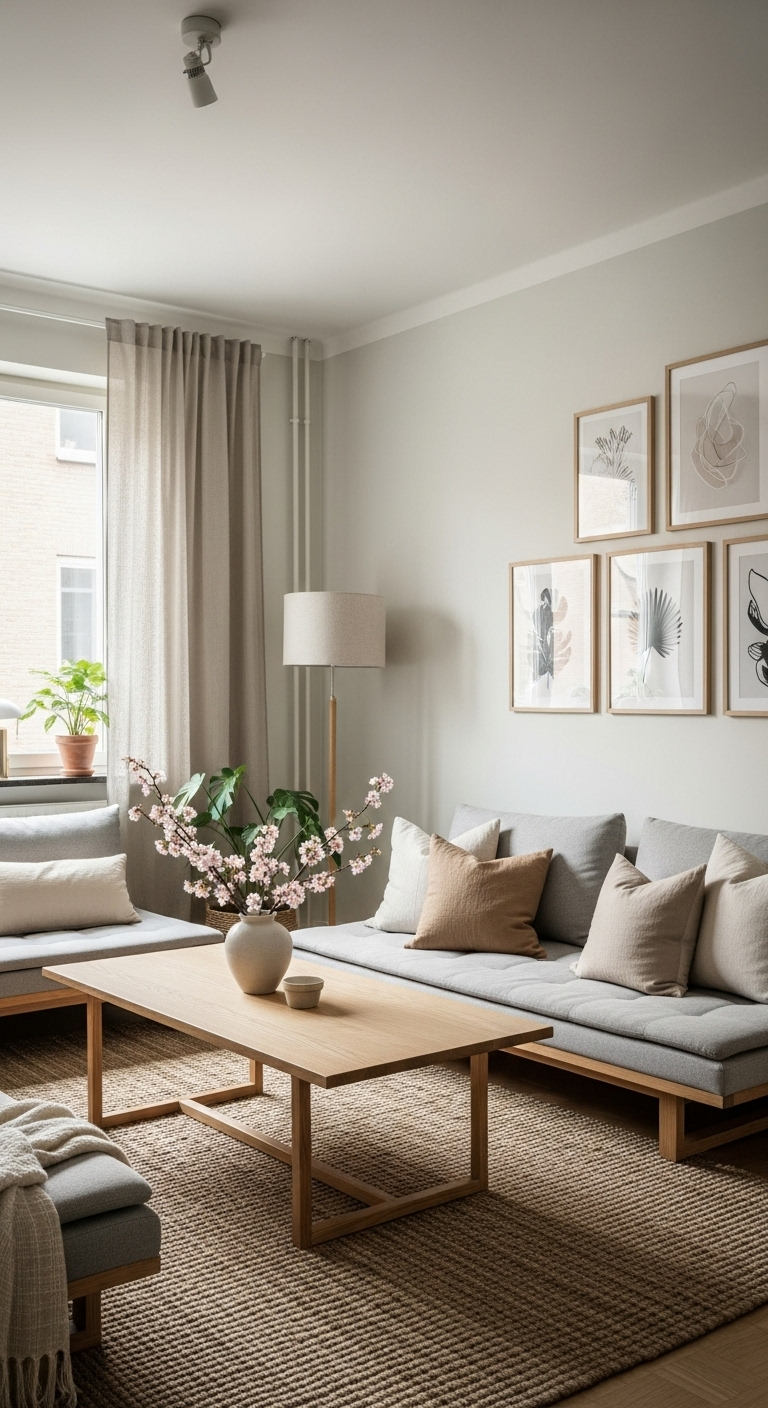
Pale bone is a cooler alternative to oatmeal, offering a very subtle grey-yellow undertone that feels architectural. It is the perfect choice for a gallery-style living room where you want your art and furniture to take center stage.
This color provides a sharp, clean background that highlights the shapes and silhouettes of your minimalist decor. It is a sophisticated “non-white” that adds a layer of quiet luxury to any large, open-concept space.
22#. Slate Blue for Grounding
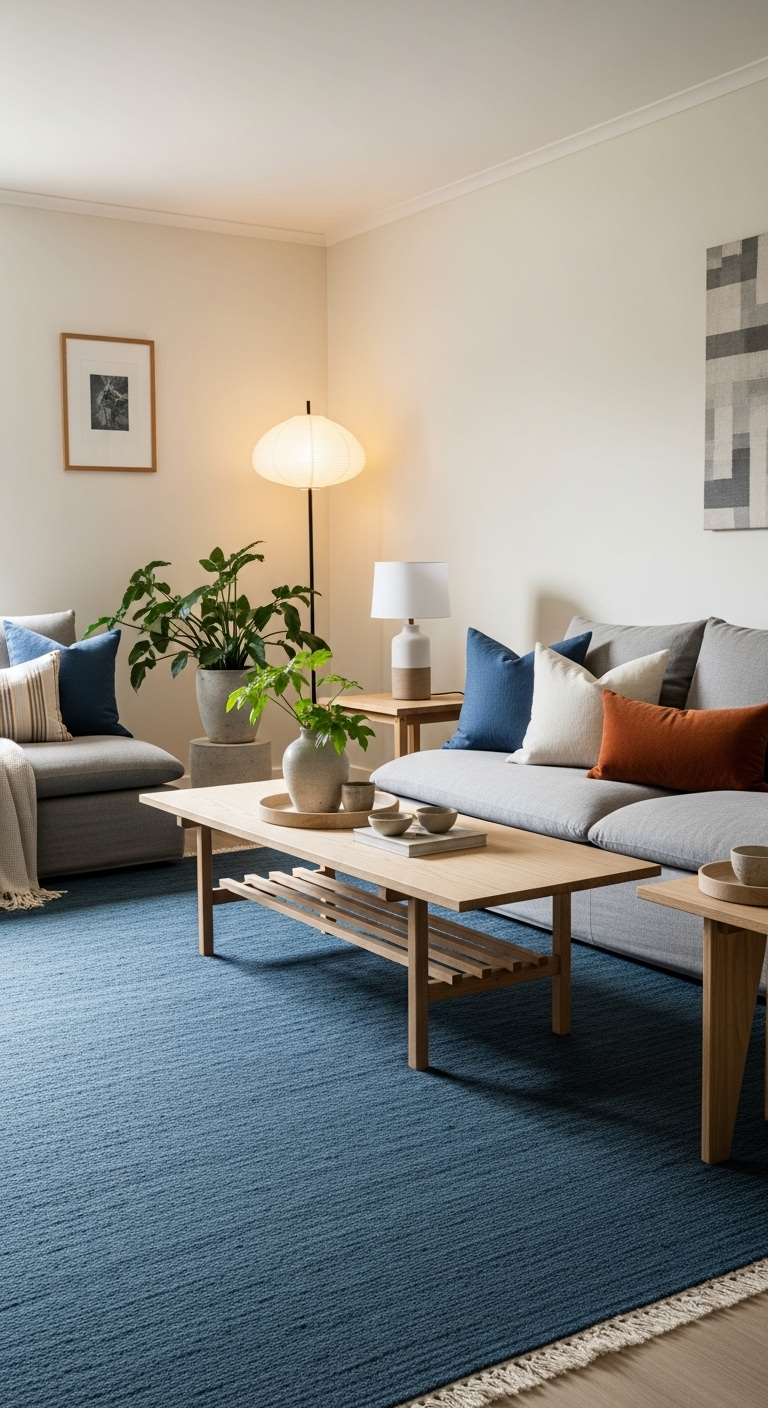
A dark slate blue can be used as a grounded, calming alternative to charcoal for your lower kitchen cabinets or a vanity. This color feels more connected to nature than black, mimicking the tones of deep water or evening shadows.
It adds a sense of stability and calmness to a busy room, helping to lower stress during daily tasks. Slate blue is a timeless choice that works beautifully with both brass and matte black accessories.
23#. Warm Honey for Lighting
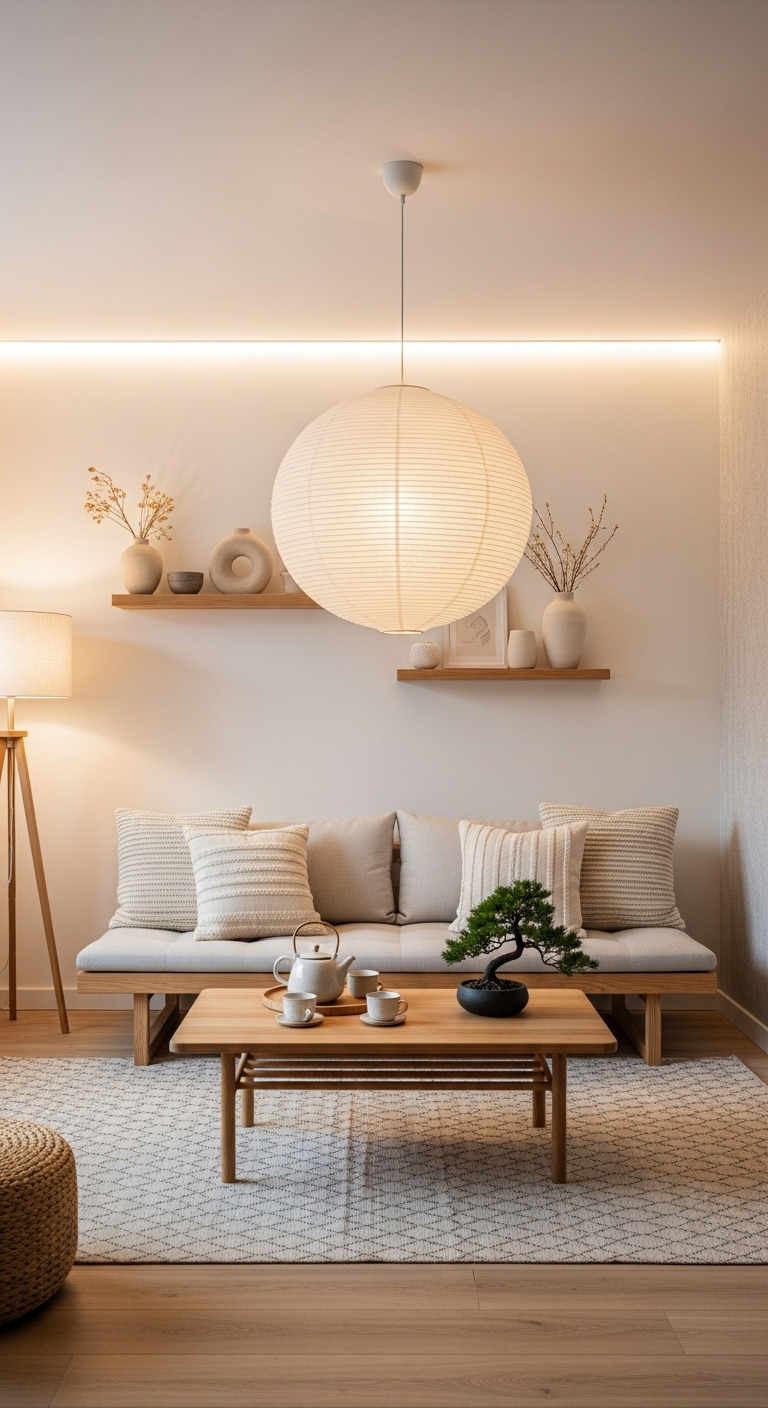
The color of warm honey should be your target for the “temperature” of your light bulbs and lampshades. This golden glow creates the ultimate “Hygge” atmosphere, making your home feel like a cozy sanctuary after the sun goes down.
Avoid cool, blue-toned bulbs at all costs, as they can make your Japandi Color Palette Ideas: Japandi Hues look clinical. Honey-toned light enhances the warmth of your wooden furniture and makes every texture feel more inviting.
24#. Soft Taupe for Textured Walls
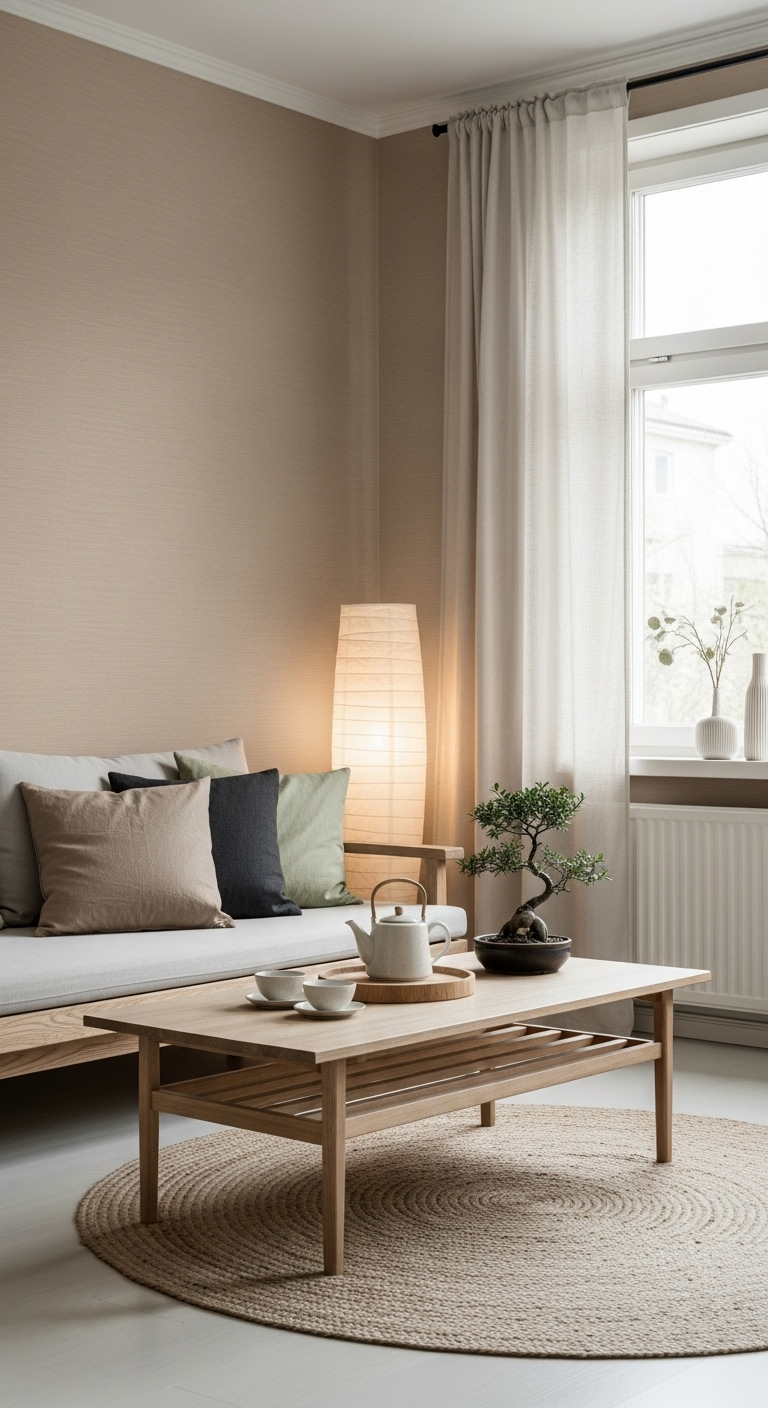
Using a soft taupe lime-wash or plaster finish on your walls adds a beautiful, stony texture that feels very “Wabi-Sabi.” The slight color variation in the plaster creates a sense of depth and history on even the newest walls.
This tactile approach to color is a major trend in 2026, making homes feel more handcrafted and unique. It is a stunning way to incorporate neutral tones while making a major stylistic statement in your living room.
25#. Matcha Green for a Pop of Life
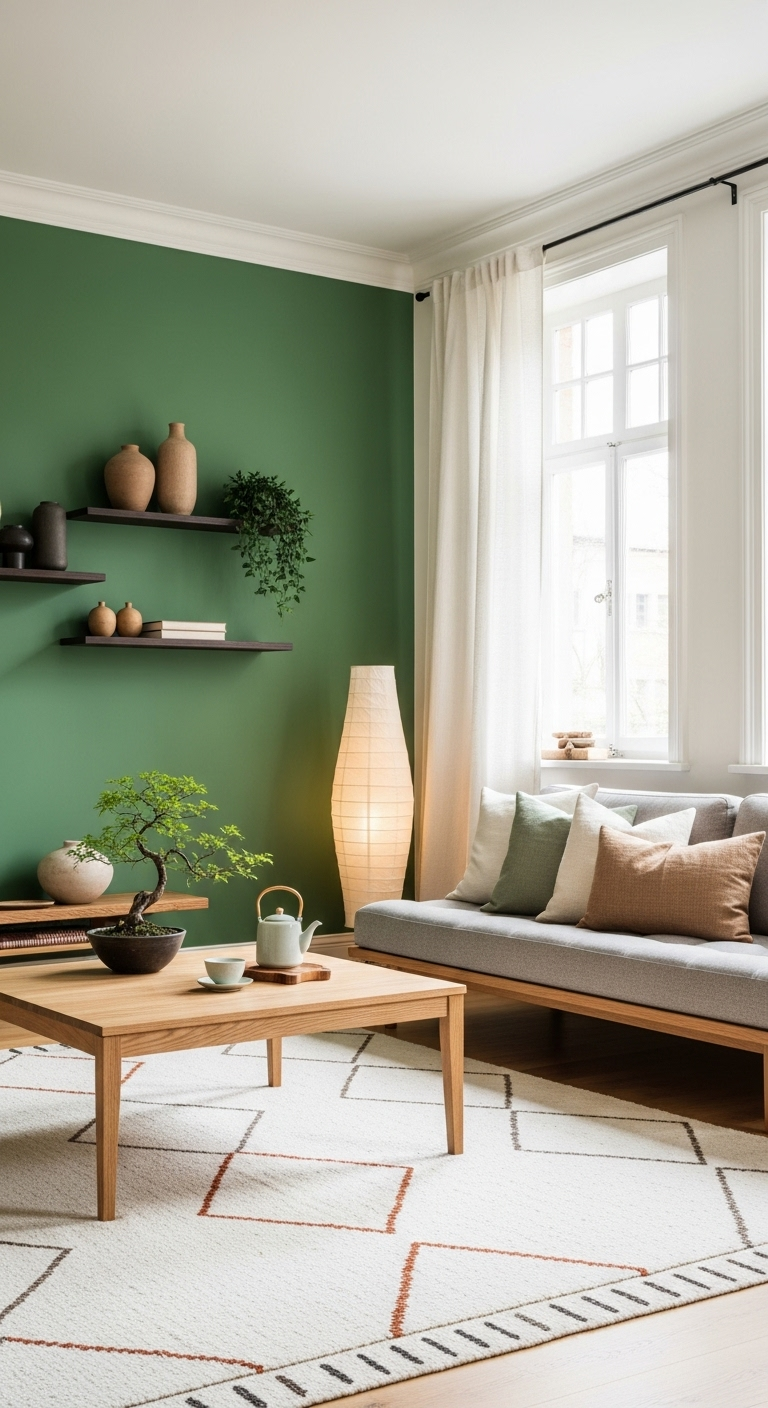
Inspired by the Japanese tea ritual, a vibrant matcha green can be used as a small accent color in your decor. Use it for a set of mugs, a small planter, or a decorative book spine to add a sense of energy.
This specific green feels fresh and modern, providing a bright contrast to the more muted sage and forest tones. It is a playful way to bring a touch of Japanese culture into your modern home’s color scheme.
26#. Mushroom and Peat
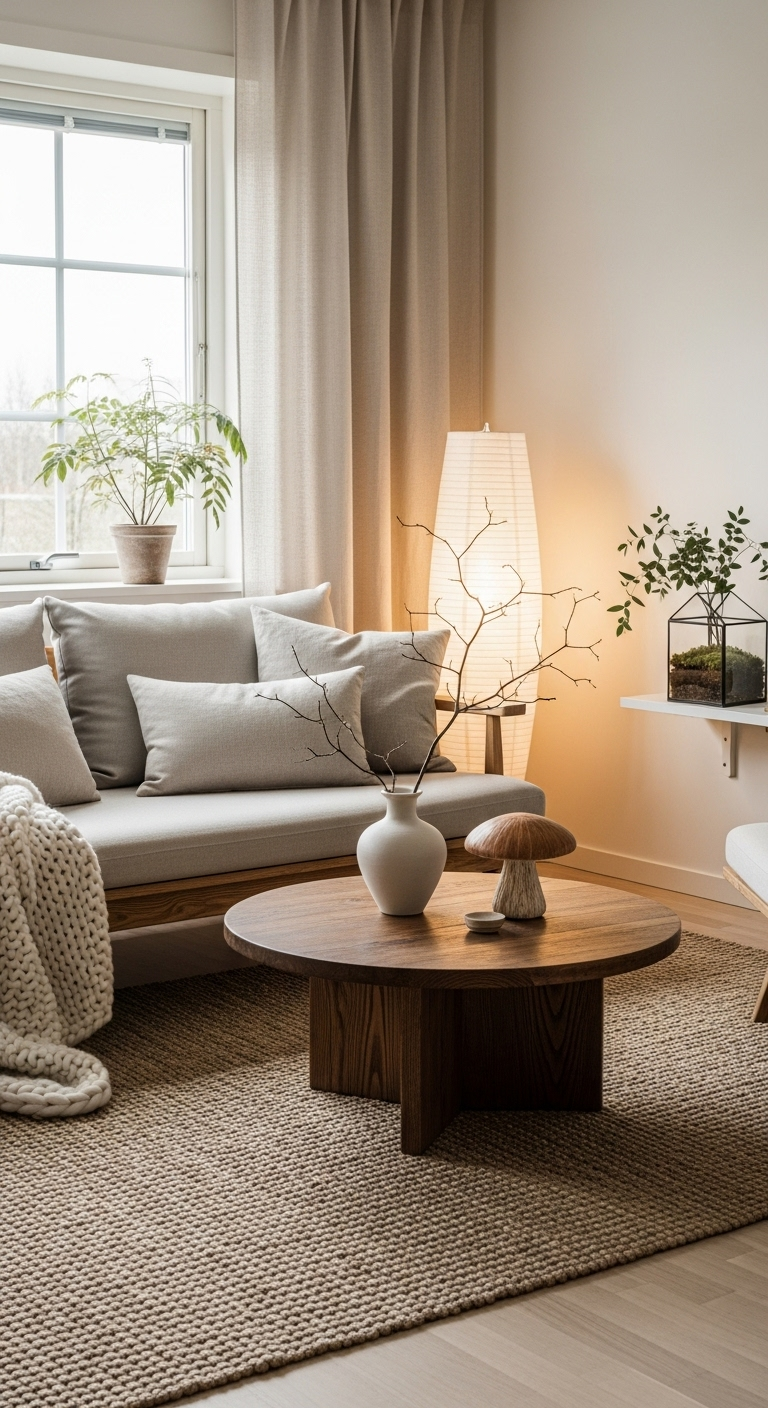
Mushroom tones offer a deep, earthy neutral that is slightly warmer than stone but cooler than terracotta. Use this color for your area rugs or heavy floor cushions to create a grounded, cozy seating area for guests.
These “peat” colors feel very connected to the forest floor, reinforcing the organic roots of Japandi design. They are excellent for adding a layer of sophisticated comfort to a minimalist, open-plan floor layout.
27#. Pale Lemon for a Bright Spark
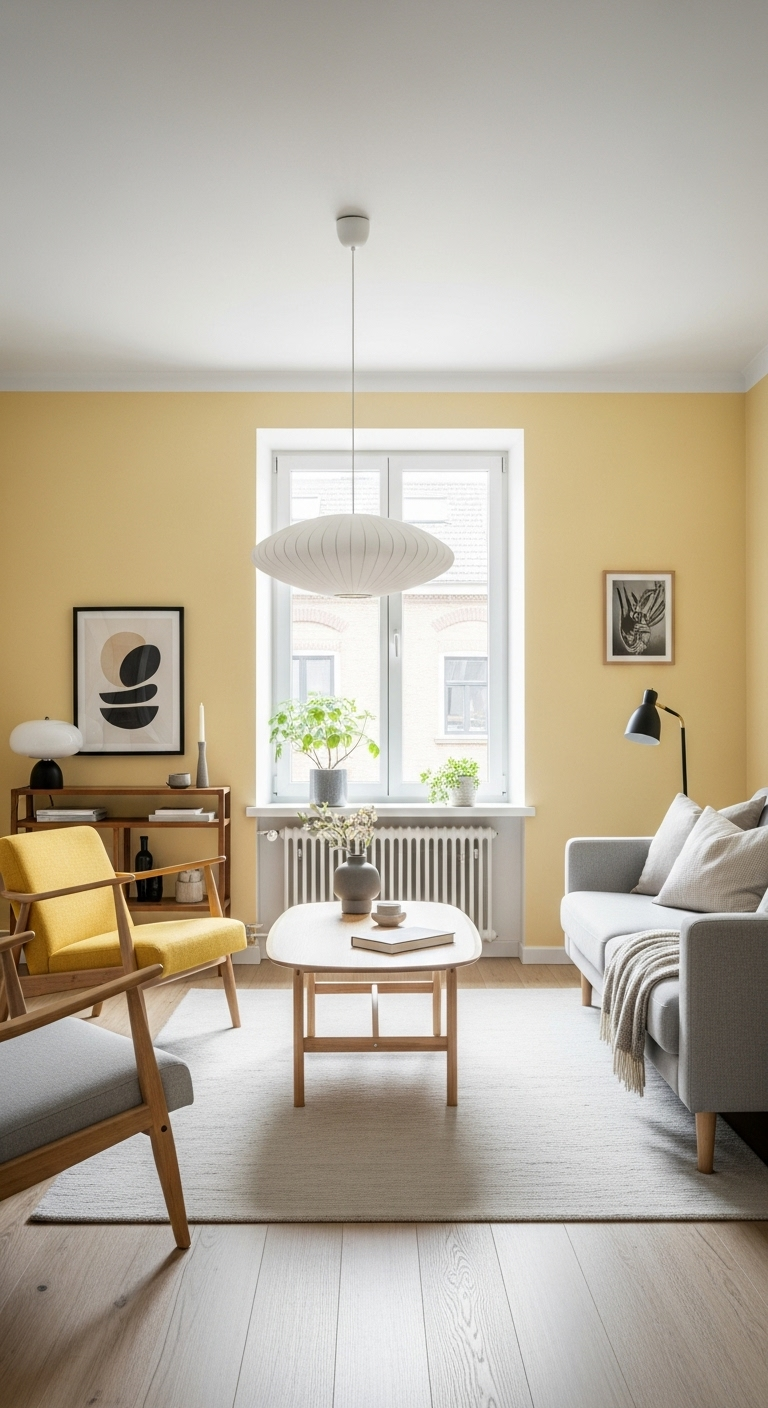
A very pale, citrusy lemon can be used in small doses to add a “sun-drenched” feel to a dark hallway or corner. This color should be used sparingly, perhaps in a single piece of glass art or a patterned throw pillow.
It acts like a burst of sunshine, making the space feel more energetic and cheerful without being visually loud. This “bright spark” is a great way to balance the heavier charcoal and walnut tones in your home.
28#. Weathered Wood Grey
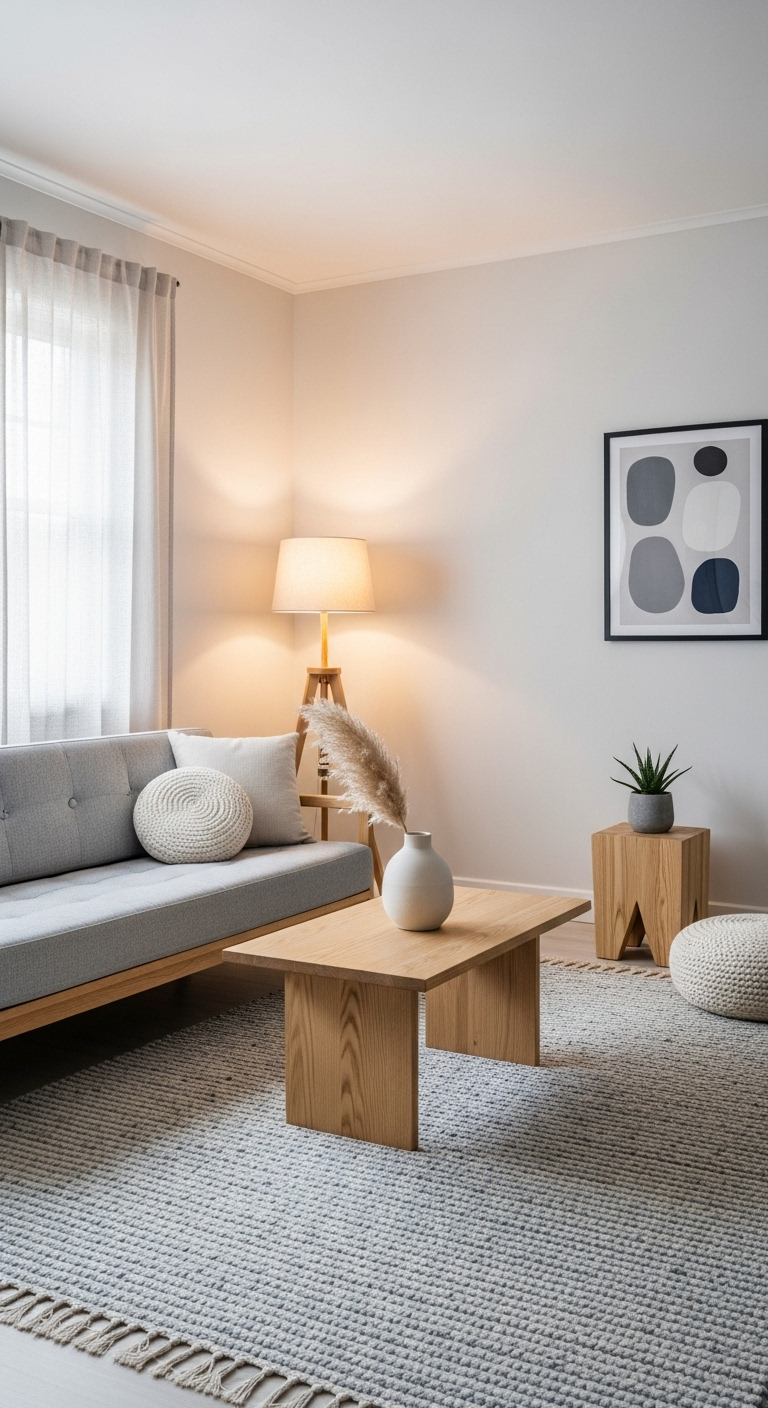
The color of weathered, sun-bleached wood is a beautiful addition to your Japandi Color Palette Ideas: Japandi Hues. This silvery-brown tone feels very natural and relaxed, perfect for outdoor furniture or a feature wall.
It provides a sense of the outdoors and the passage of time, which is a key element of the Japanese aesthetic. Pair it with white linens and black metal for a look that is both rustic and modern.
29#. Dusty Lavender for Serenity
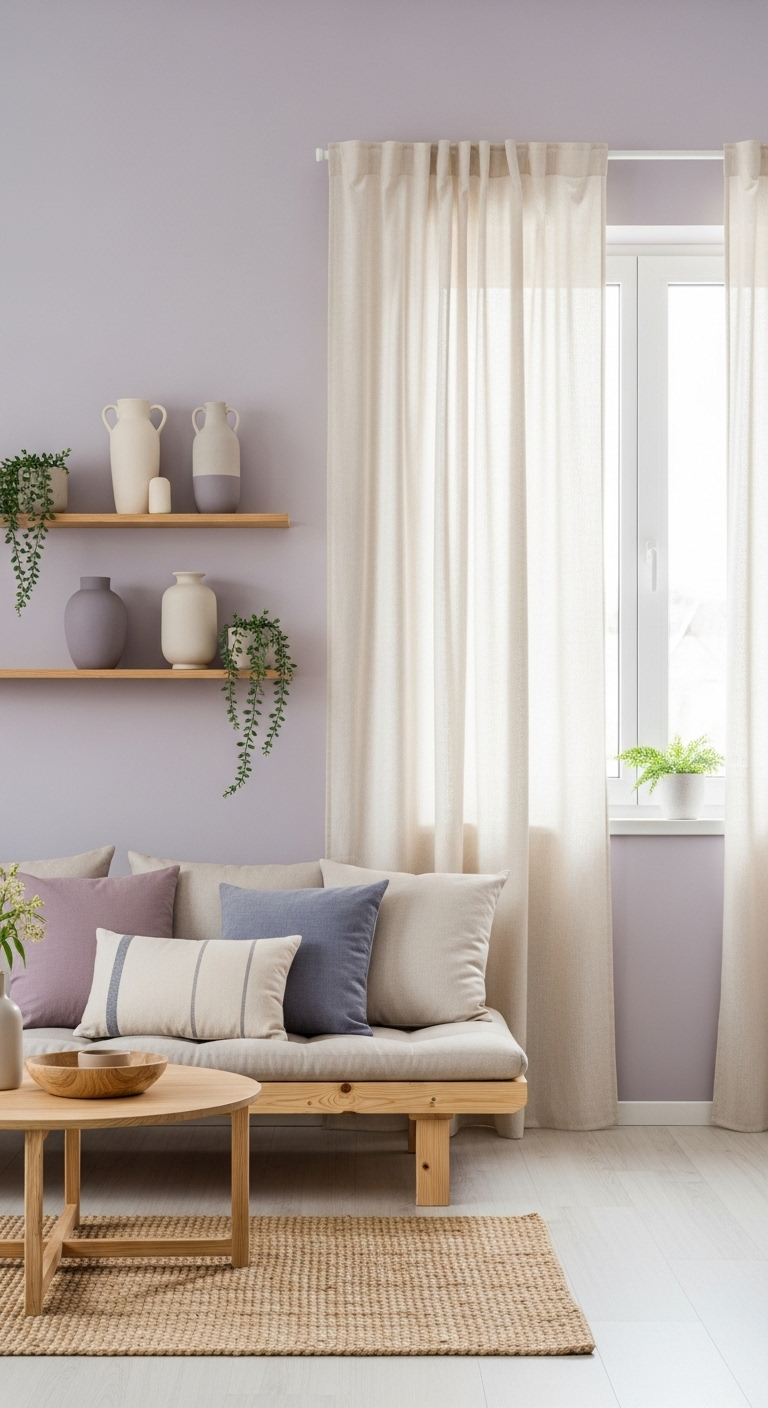
A muted, greyish lavender is an unexpected but effective color for a quiet meditation corner or home spa. This hue is known for its calming properties, helping to reduce anxiety and promote a sense of inner peace.
Keep the lavender very “dusty” to ensure it doesn’t feel like a nursery color or a traditional pastel. It works best when surrounded by light ash wood and plenty of natural, textured fabrics like hemp and cotton.
30#. Polished Concrete Grey
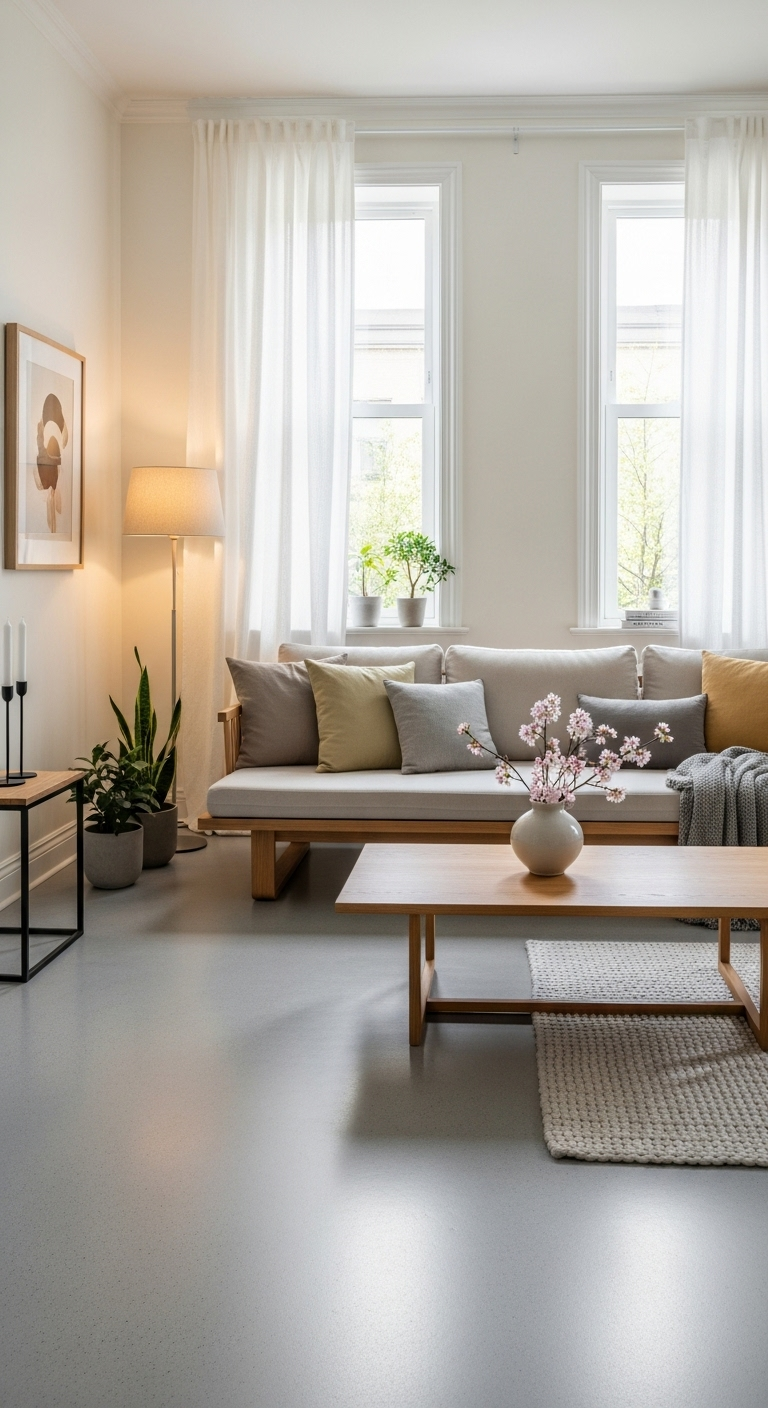
The cool, industrial grey of polished concrete is a staple for modern Japandi kitchens and bathrooms. This color provides a sleek, seamless look that is incredibly durable and easy to maintain for a busy household.
Concrete grey acts as a perfect neutral bridge between warm wood and cool metal finishes in your home. It adds a touch of “urban loft” style to the minimalist design, making it feel current and edgy.
31#. Warm Clove and Nutmeg
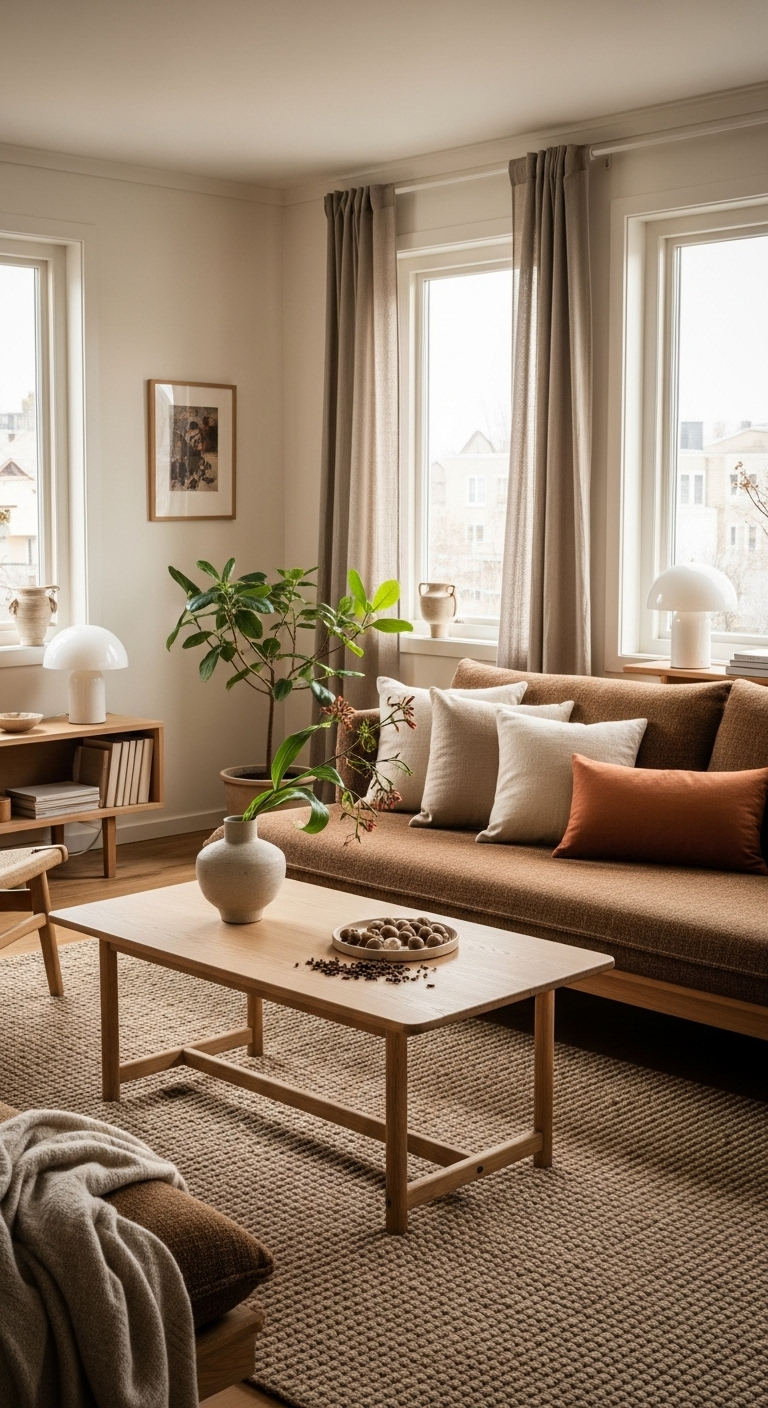
Incorporate the colors of warm spices like clove and nutmeg through your wood stains and leather upholstery. These rich, reddish-brown tones add a sense of luxury and comfort that is perfect for a home office or library.
They provide a beautiful contrast against pale walls, making your furniture feel like a collection of valuable, curated pieces. These “spiced” tones bring a sense of history and depth to the modern Japandi home.
32#. Soft Primrose for a Gentle Glow
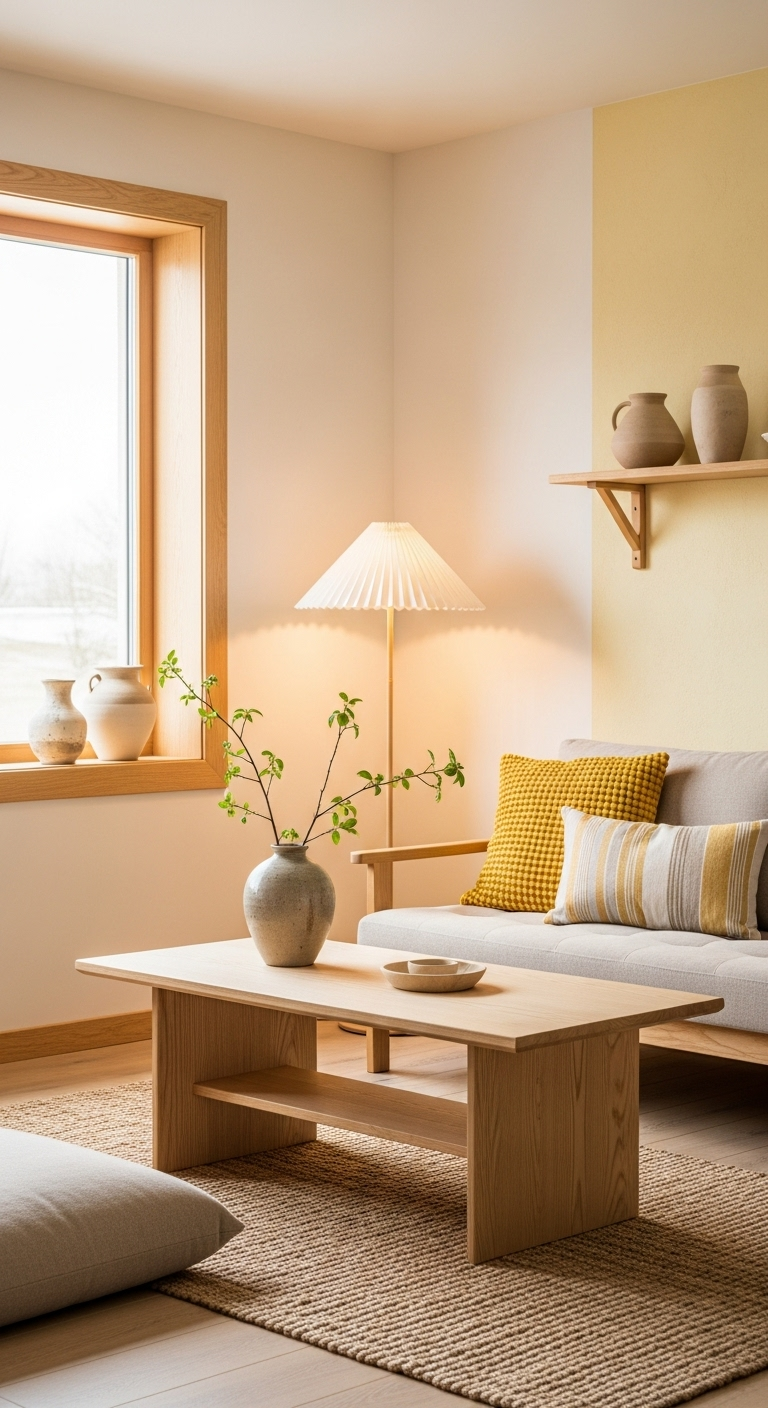
A very soft, creamy primrose yellow can be used to add a gentle glow to a windowless room or a basement. This color mimics the feel of early morning light, making the space feel much more welcoming and less enclosed.
Pair it with white trim and light grey furniture to keep the overall look feeling modern and fresh. It is a clever way to use color to improve the “mood” of a room that lacks natural sunshine.
33#. Charcoal Silk for Luxury
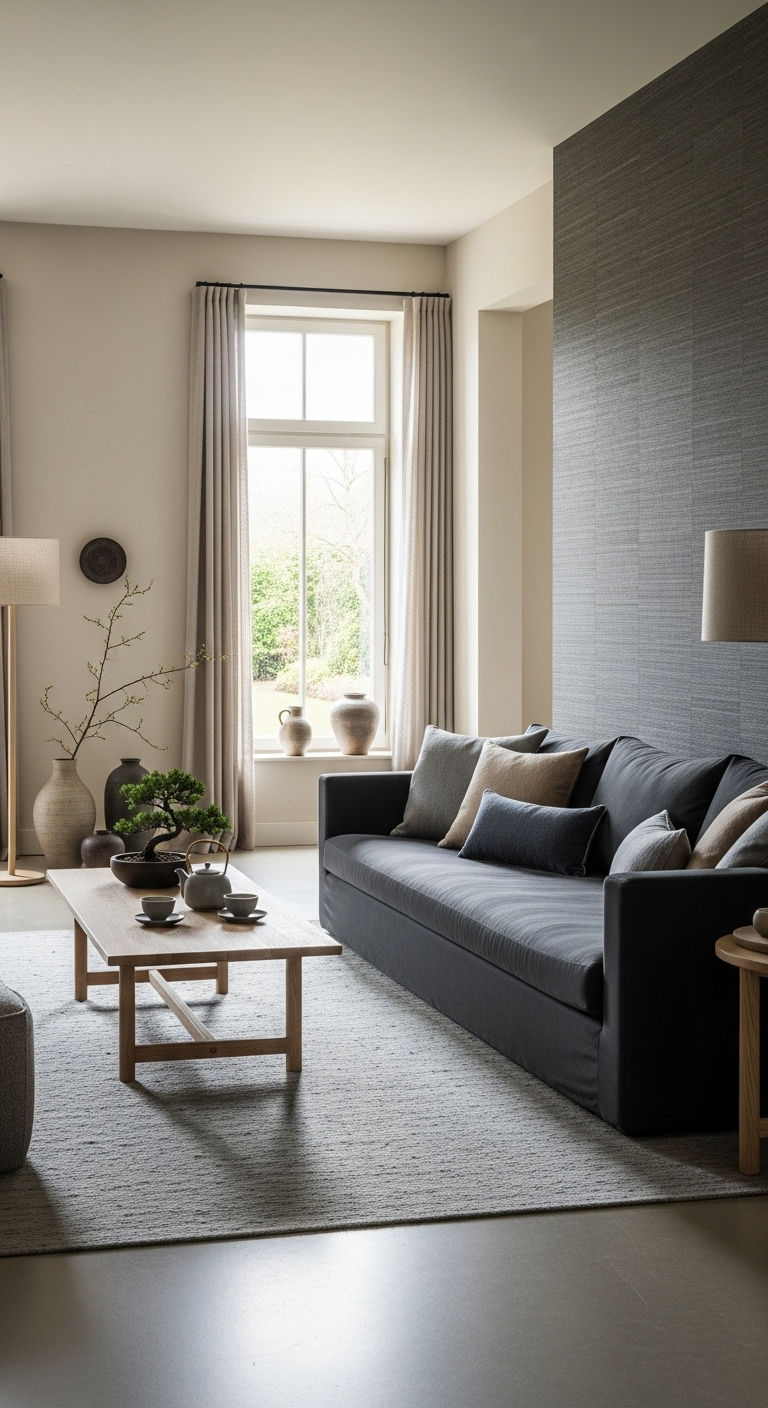
Use charcoal in a silk or satin finish for your cushions and curtains to add a touch of high-end Japanese luxury. The way the light hits the dark fabric creates a subtle shimmer that feels very sophisticated and refined.
This “charcoal silk” look provides a beautiful contrast to the raw, matte textures of linen and wood in the room. It adds a layer of “glam” that remains firmly within the minimalist and peaceful Japandi boundaries.
34#. Deep Ochre for Earthy Vitality
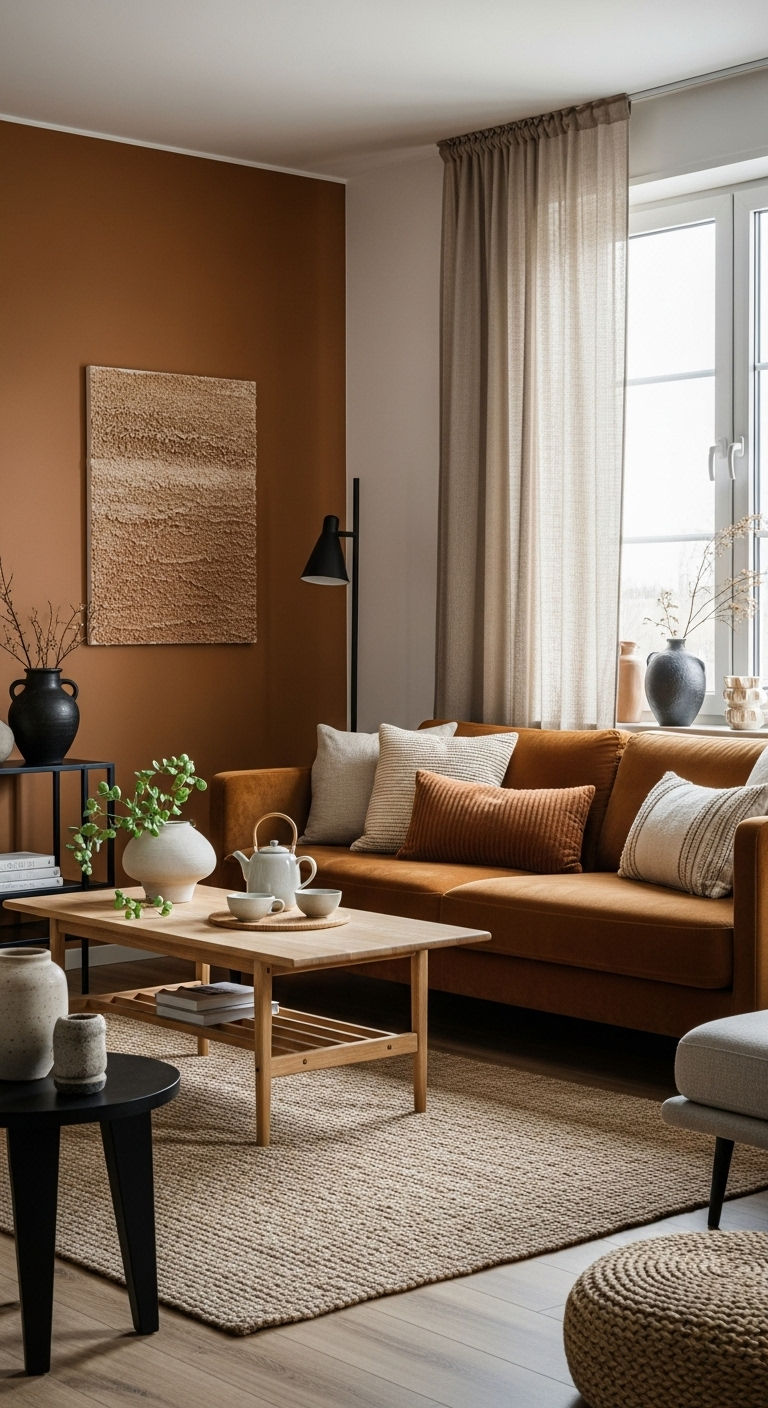
A deep, golden ochre can be used to add a sense of vitality and energy to a dining room or social space. This color feels very traditional and grounded, reflecting the natural pigments of the earth and sun.
Use ochre for a set of dining chairs or a large area rug to create a warm and inviting center for your home. It is a bold choice that remains incredibly harmonious with other Japandi Color Palette Ideas: Japandi Hues.
35#. Frosted Glass White
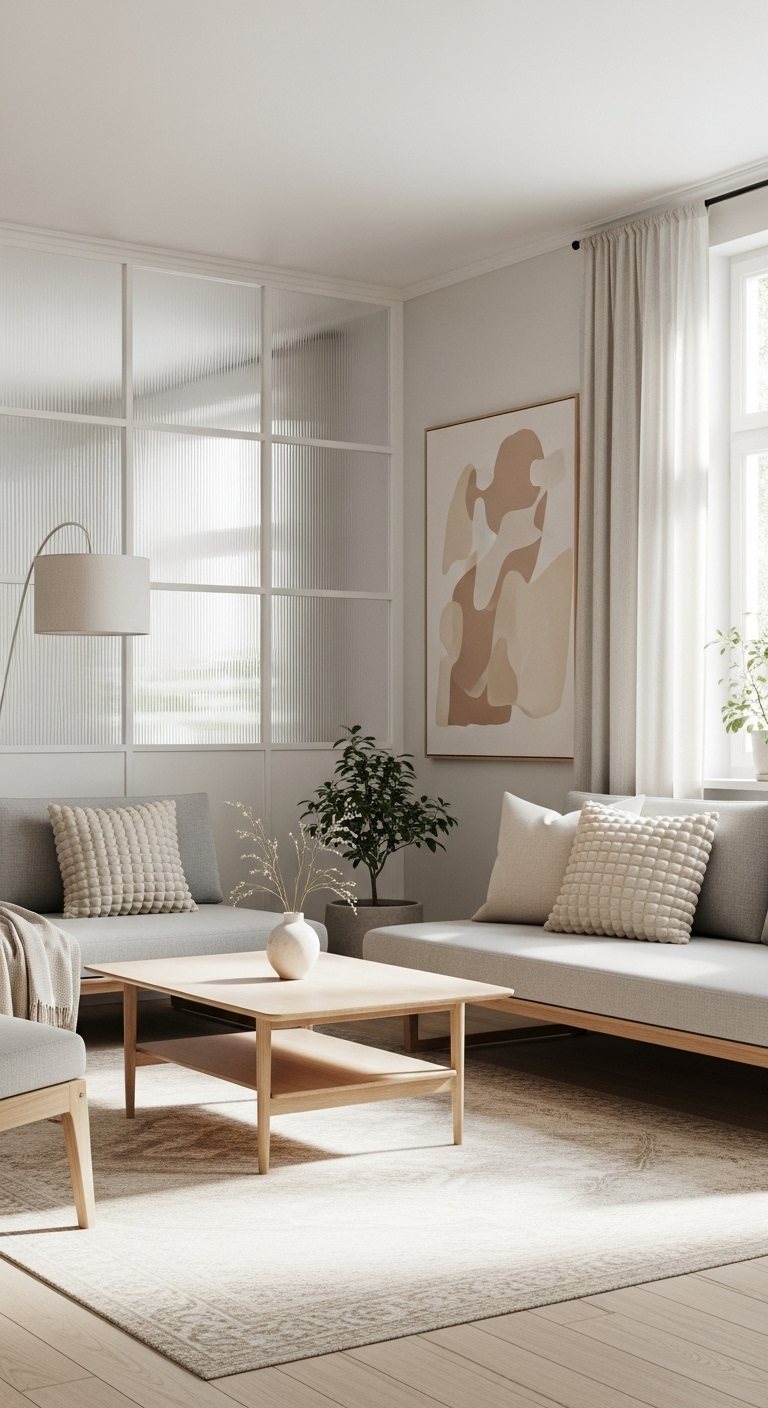
Incorporate the semi-opaque “color” of frosted glass through your light fixtures and cabinet inserts for a soft look. This material diffuses light beautifully, creating a gentle glow that eliminates harsh shadows in your workspace.
Frosted glass adds a layer of visual lightness that helps to make bulky furniture feel less imposing in a small room. It is a classic element of Japanese design that fits perfectly into the modern, airy Scandinavian home.
36#. Muted Apricot for a Warm Pop
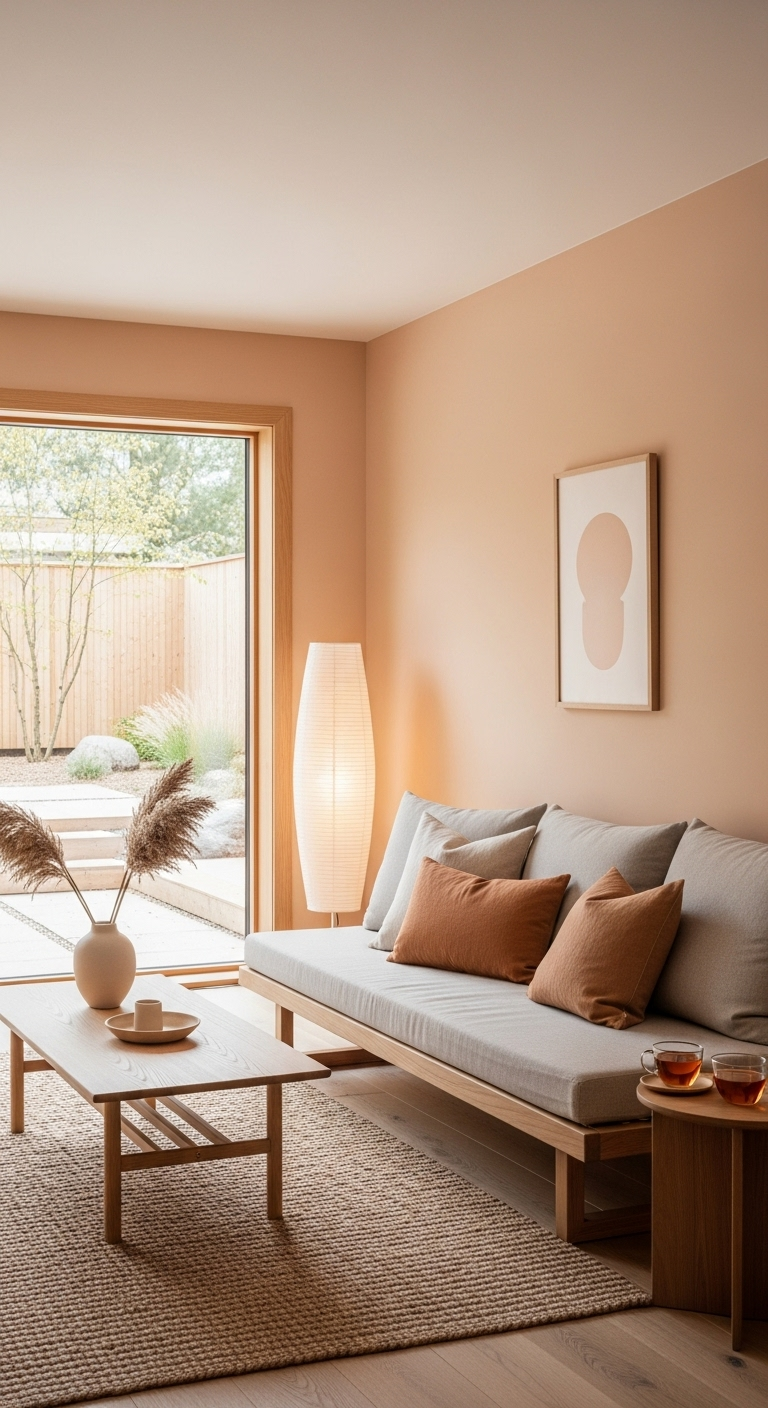
A very muted, “dusty” apricot can be used as a fresh and modern alternative to terracotta for your accents. This color feels youthful and energetic, adding a cheerful touch to a child’s bedroom or a creative studio.
Pair apricot with charcoal and light grey to keep the look balanced and sophisticated rather than “saccharine.” It is a trendy way to introduce color while maintaining the overall sense of peace and order.
37#. Natural Hemp and Jute Tones
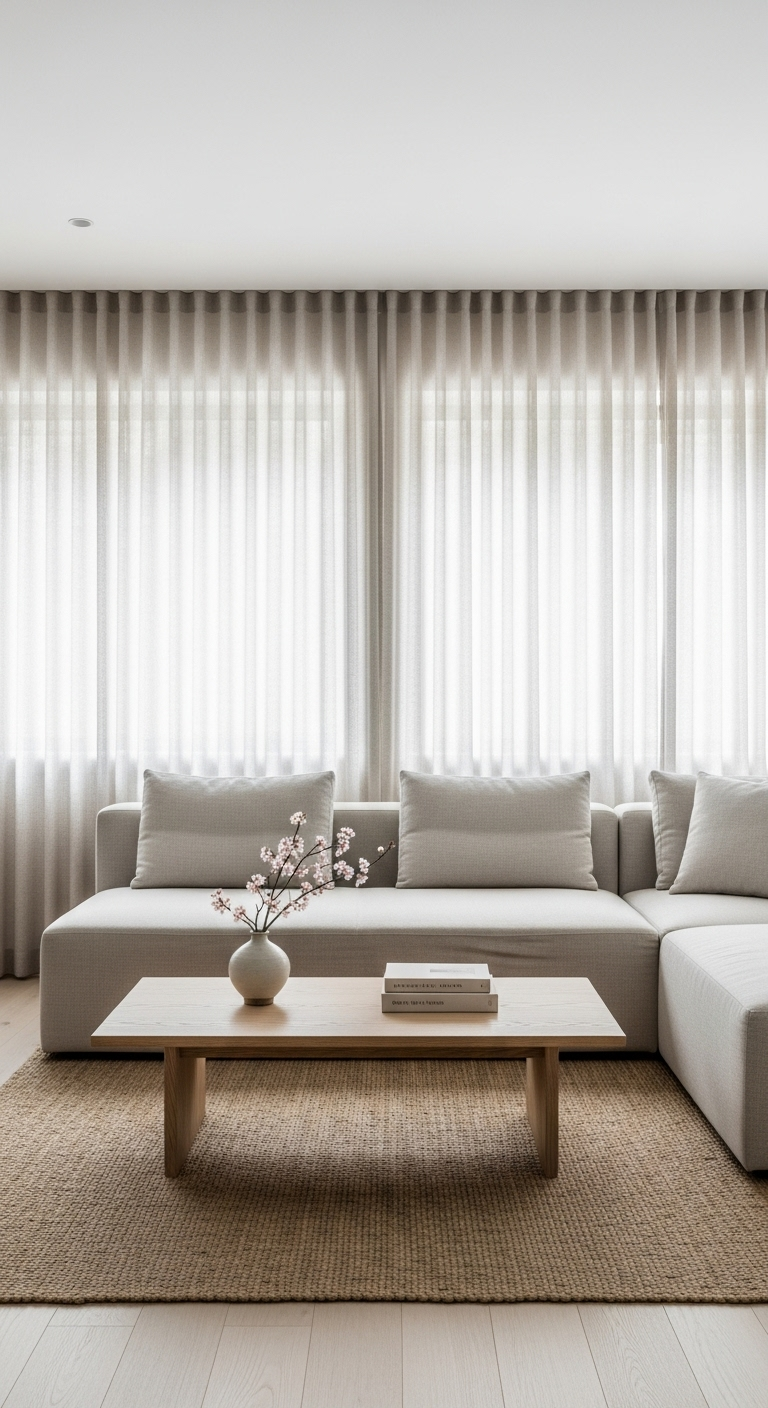
The raw, brownish-tan colors of hemp and jute are essential for your flooring and organizational baskets. These shades provide a rugged, durable texture that feels very honest and connected to the environment.
Using these natural fiber colors helps to ground the more delicate silks and linens in the room’s design. They are the “workhorse” colors of the Japandi palette, providing a base that is both beautiful and practical.
38#. Soft Lilac-Grey
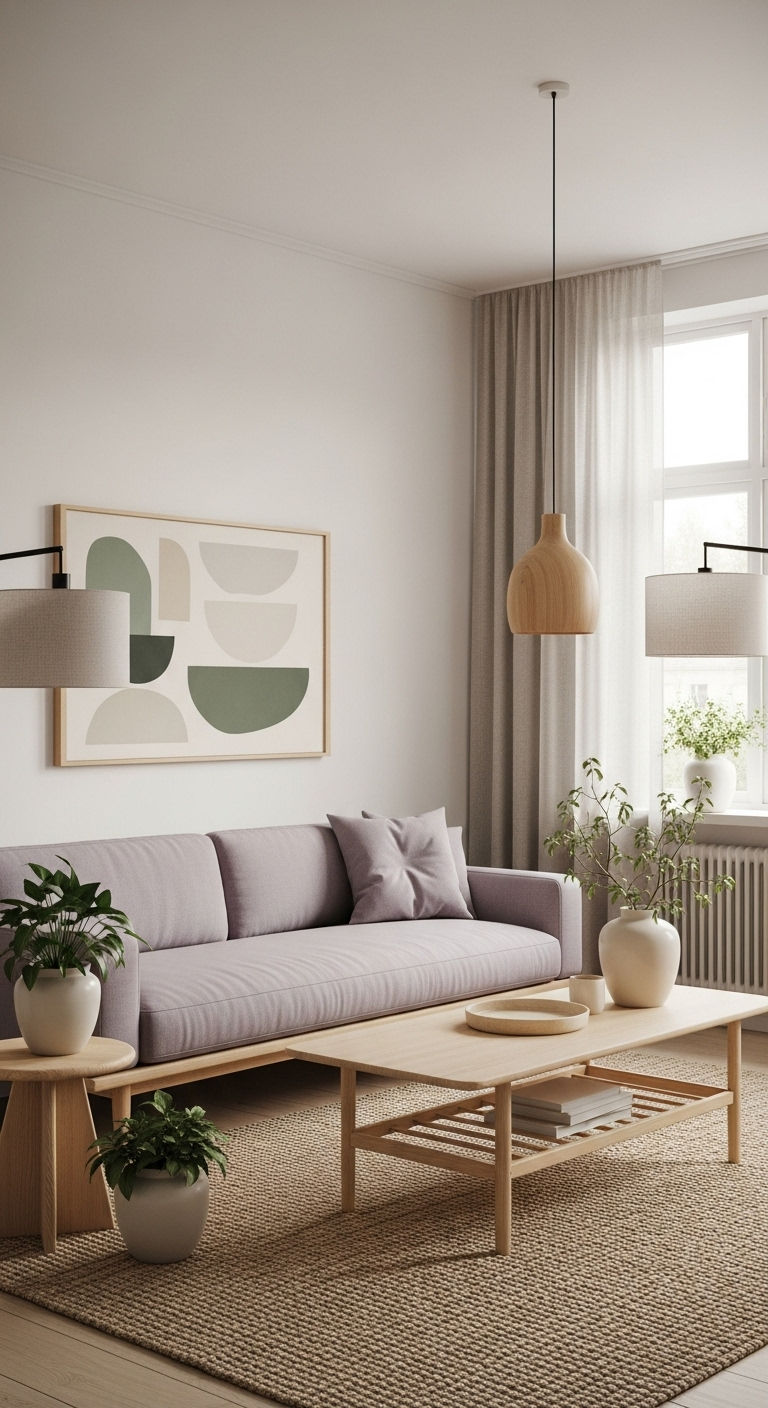
A lilac-grey tone is a sophisticated and modern choice for a guest bathroom or a small powder room. This color provides a unique personality that feels like a boutique spa, offering a quiet moment of luxury for your guests.
It works beautifully with silver or chrome hardware, creating a look that is both cool and incredibly serene. This subtle color shift is a great way to make a small room feel intentionally and professionally styled.
39#. Deep Ebony for Structural Detail
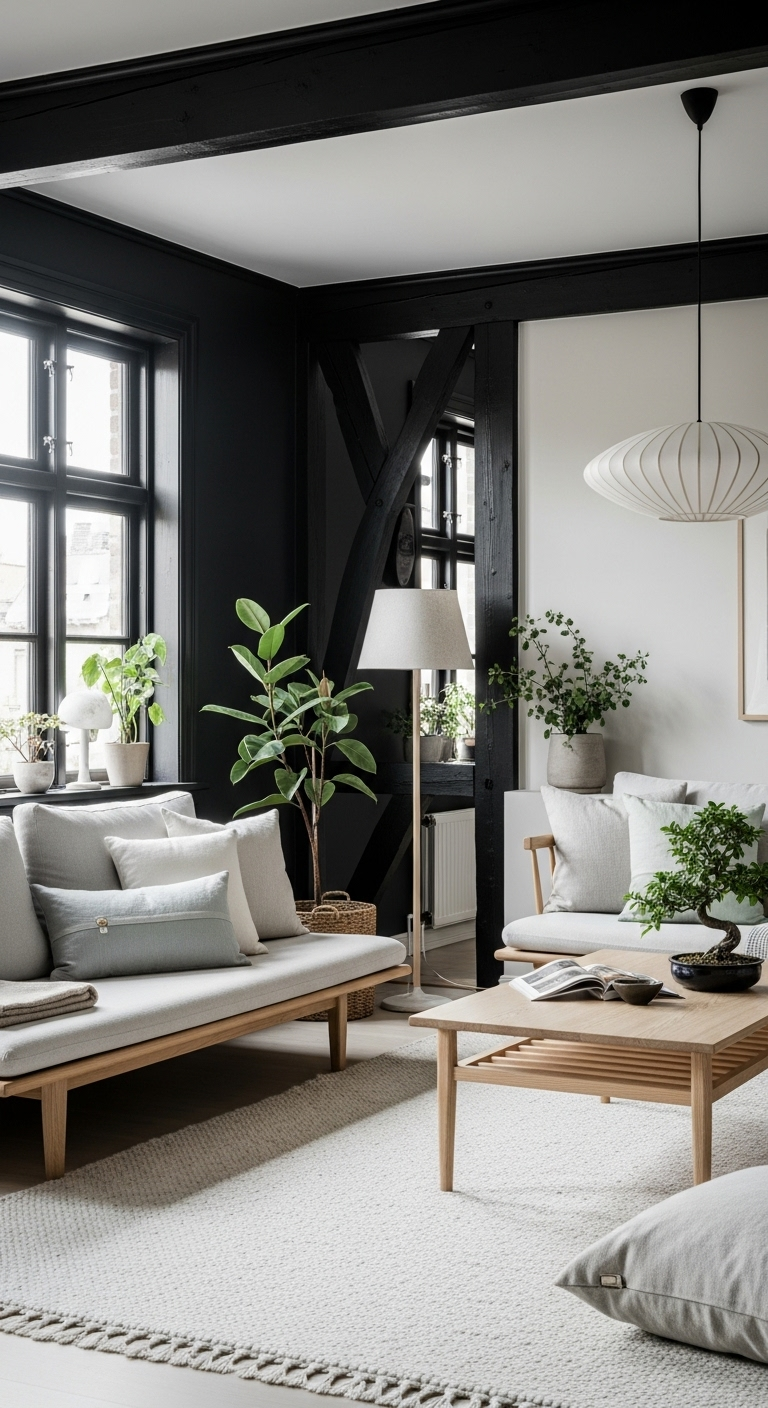
Use deep ebony stains for your structural beams or a slatted feature wall to create a powerful architectural statement. This dark wood tone is a classic part of traditional Japanese temple design, bringing a sense of reverence.
The dark wood acts as a frame for the rest of the room, highlighting the airy light and soft textures of the living space. It is a bold, high-contrast move that pays off by making your home feel truly unique and designer-led.
40#. Soft Rosewood Accents
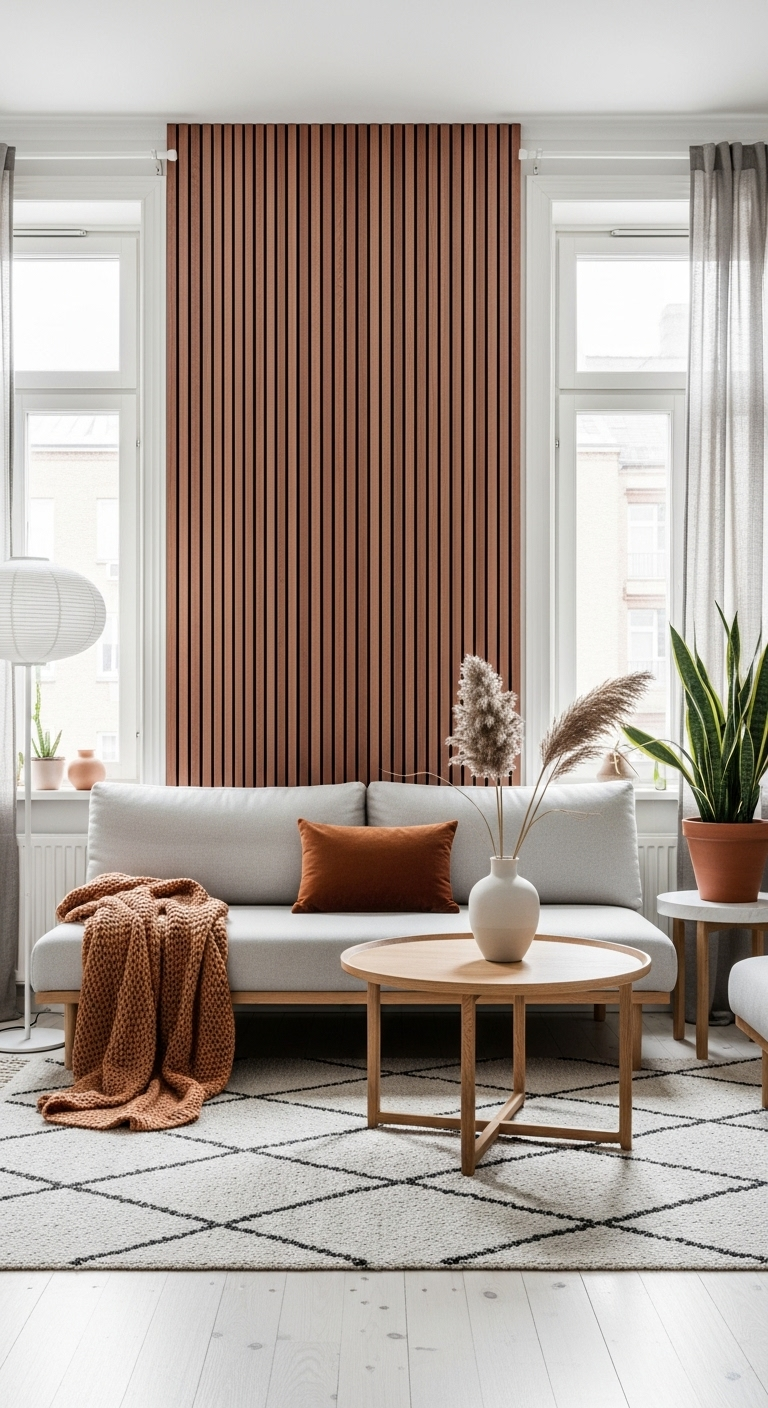
Incorporate small touches of rosewood for your desktop accessories or drawer pulls to add a hint of reddish warmth. Rosewood has a beautiful, fine grain that feels very high-end and artisanal, adding a sense of quality to the room.
These small wood accents are a great way to layer different timber tones without overwhelming the space with too many colors. It’s about finding the “harmony” between different materials, a key goal of the Japandi style.
41#. Muted Teal for a Darker Green
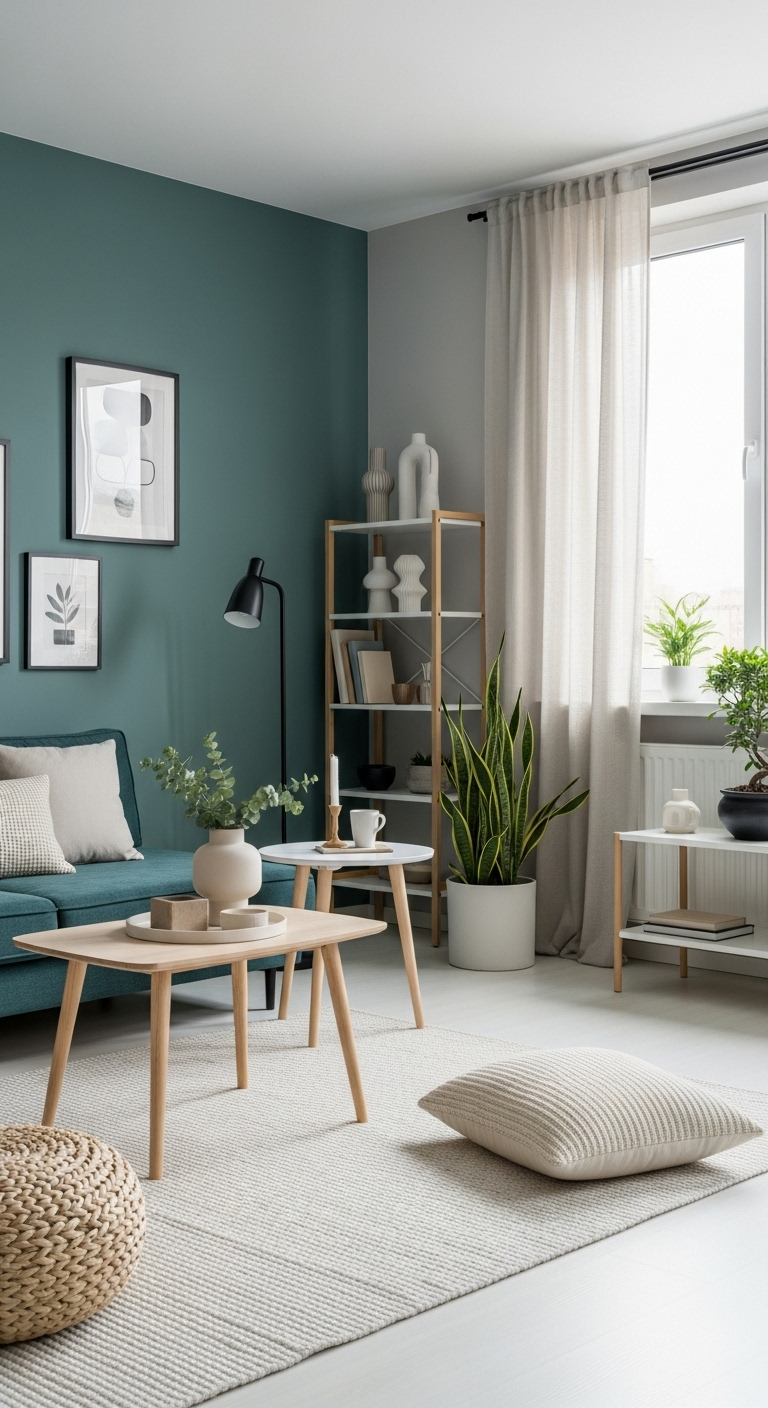
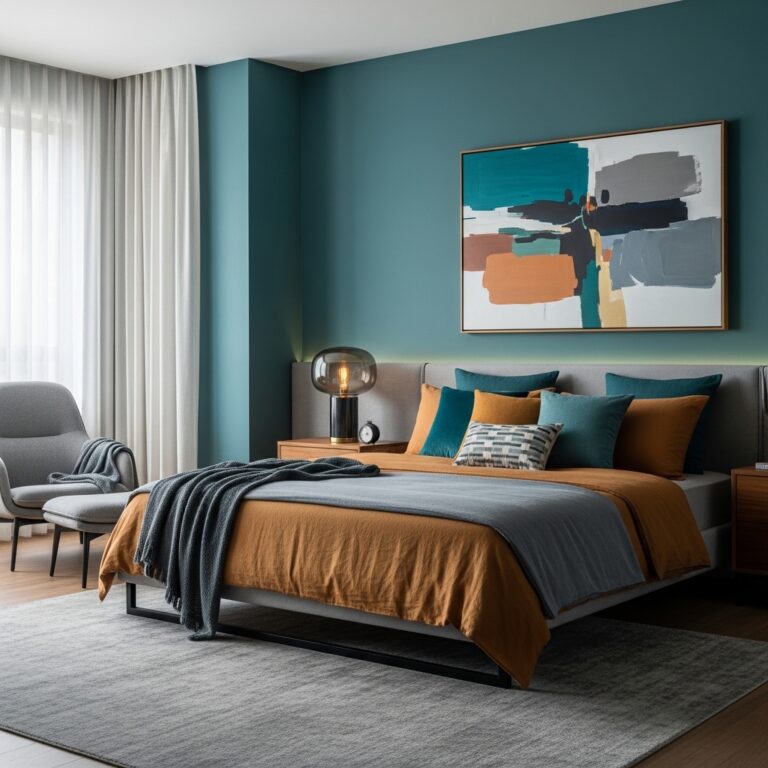
A muted teal, which leans more towards green than blue, is a stunning choice for an accent wall in a cozy lounge. This color feels very rich and sophisticated, providing a sense of comfort and shelter for evening relaxation.
Pair teal with light oak and white textiles to keep the room from feeling too heavy or enclosed during the day. It is a luxurious color that adds a sense of “depth” to the primarily neutral and light Japandi palette.
42#. Chalky White for a Clean Finish
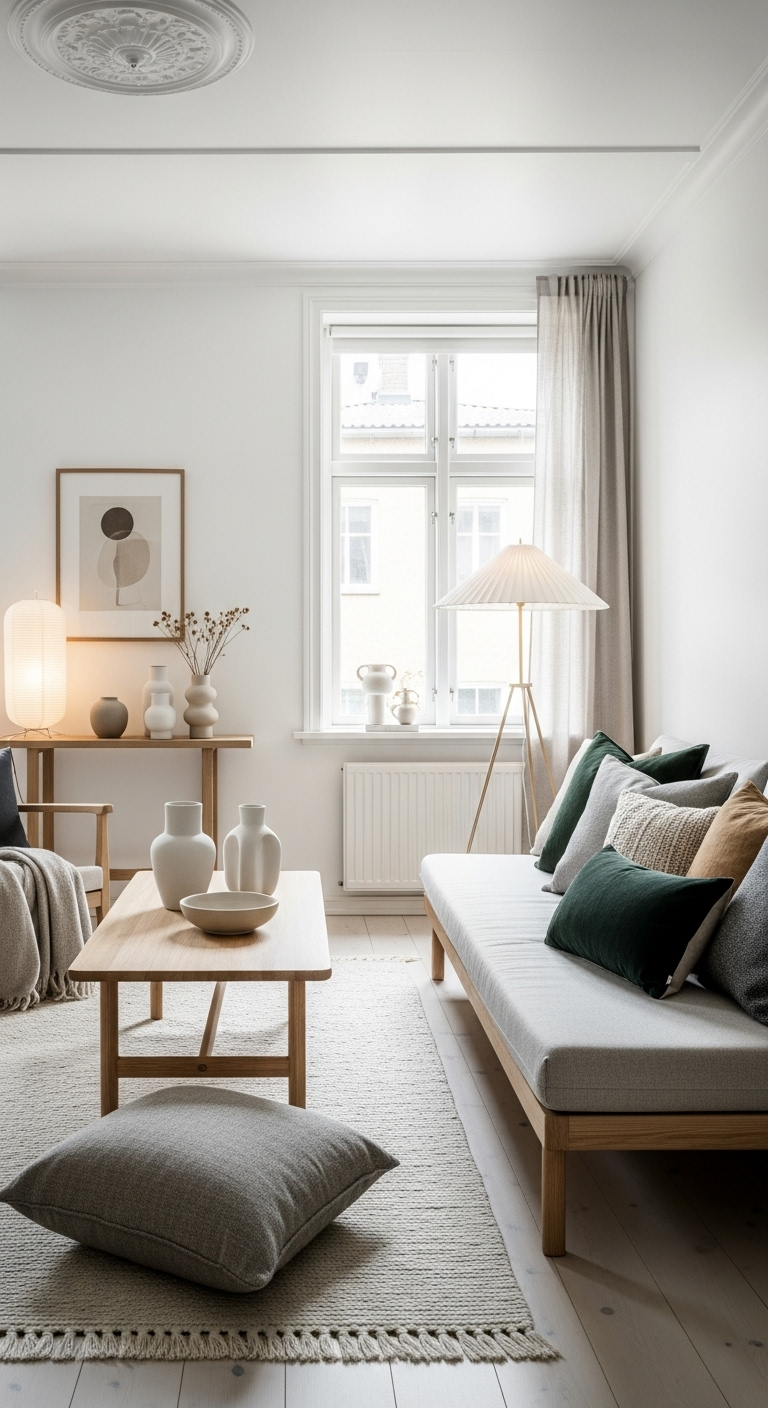
Finish your space with a chalky, ultra-matte white for your trim and doors to ensure a clean and modern look. This matte finish absorbs light rather than reflecting it, creating a soft and velvety appearance that feels very premium.
Chalky white ensures that the transitions between your walls and furniture feel seamless and intentional. It is the final, essential step in creating a home that is perfectly balanced between Japanese precision and Nordic comfort.
Conclusion: Bringing Your Palette to Life
Mastering the art of Japandi design is about more than just picking a color; it’s about creating a harmonious environment where you can truly relax.
By blending these earthy, neutral, and organic tones, you’ve built a home that feels like a sanctuary from the busy world outside. Every hue in your palette works together to foster a sense of peace, order, and timeless beauty.