
A sofa is arguably the most critical furniture investment you will make for your home. It serves as the visual anchor of your living space, a primary zone for daily relaxation, and a piece of heavy-use infrastructure that is expected to last for a decade or more. Yet, the process of buying one is notoriously fraught with hidden pitfalls.
When you browse a showroom or scroll through an online catalog, you are presented with idealized marketing: pristine cushions, flawless performance fabrics, and sleek silhouettes. What the sales tags and product descriptions omit are the structural realities hidden beneath the upholstery. They rarely mention how a cheap suspension system will sag within twenty-four months, how specific fabric weaves trap pet hair like a magnet, or how a frame’s depth can cause chronic lower back discomfort if it doesn’t match your height.
Because a high-quality sofa requires a significant financial outlay, you cannot afford to base your decision on aesthetics alone. To find a piece that genuinely endures, you need to understand the structural engineering, material science, and ergonomics of furniture design.
This comprehensive guide pulls back the curtain on the furniture industry. Here is everything nobody tells you about picking the perfect sofa—from frame construction to textile durability—so you can invest your money with absolute confidence.
Sofa Selection Blueprint

This matrix breaks down the engineering specifications, lifespan expectations, and real-world comfort metrics based on testing major manufacturing standards.
| Sofa Construction Element | Average Lifespan | Comfort Level | Upkeep Requirements | The Real-World Catch |
|---|---|---|---|---|
| Eight-Way Hand-Tied Springs | 15+ Years | Maximum Support | Low (Internal stability) | Extremely expensive upfront cost and heavy frame weight. |
| High-Density Foam Core (2.0+) | 7 to 10 Years | Firm & Responsive | None (Retains structural shape) | Feels stiff initially and requires a brief breaking-in period. |
| Down-Feather Blend Wrap | 3 to 5 Years | Cloud-Like Sink | High (Daily manual fluffing) | Feathers leak through lining and clump together over time. |
| Sinuous Wire Spring System | 5 to 8 Years | Moderate Bounce | Low (Check for squeaks) | Can sag prematurely if subjected to heavy jumping or weight. |
| Plywood & Particle Board Frame | 2 to 4 Years | Low Integrity | High (Joint tightening) | Structural fasteners easily strip out under consistent daily use. |
Frame Construction & Longevity
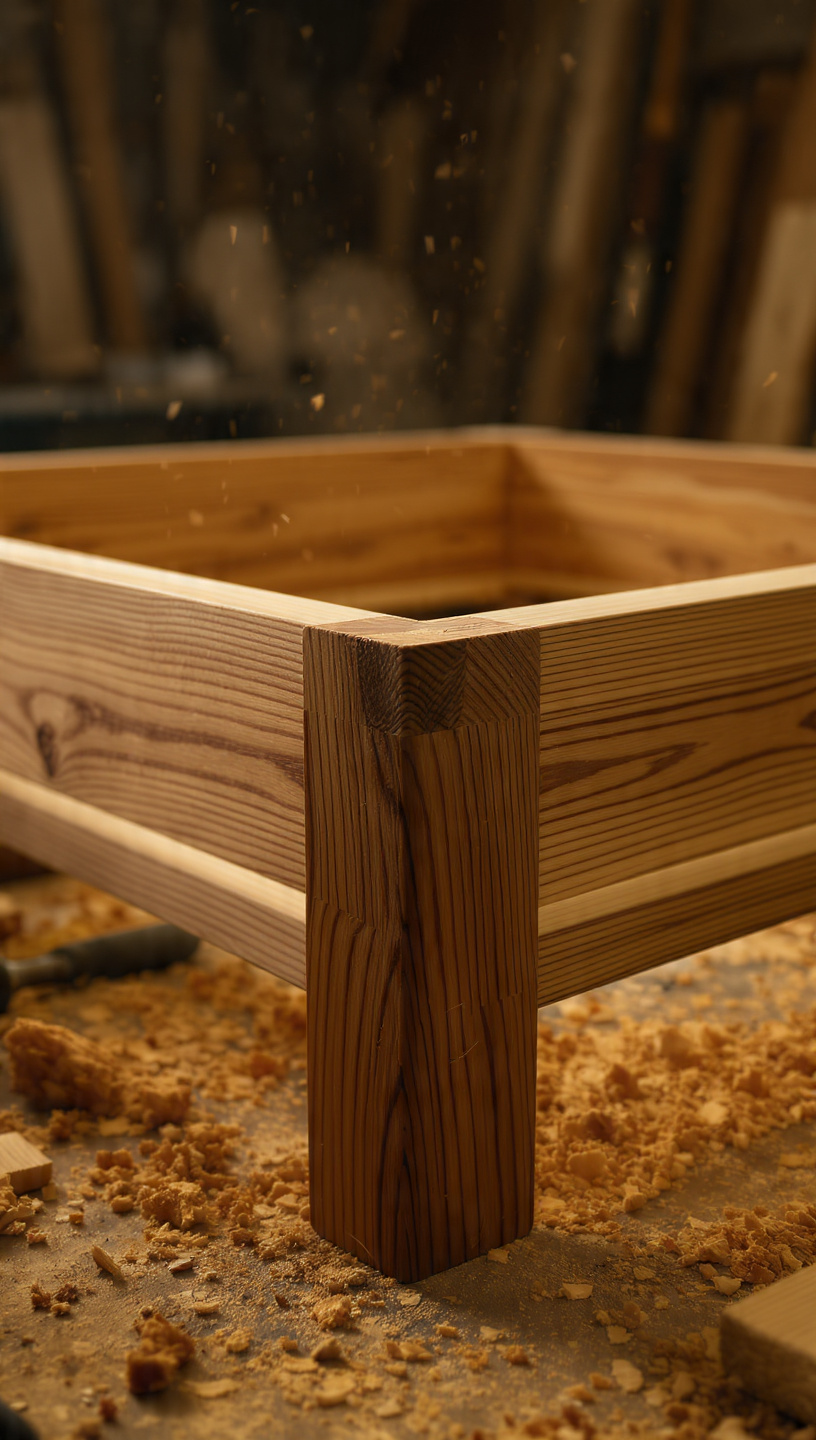
Investing in a beautiful sofa means absolutely nothing if the hidden wooden frame snaps within two years. Cheap brands cut costs by using low-grade particle board held together by simple metal staples and glue, which breaks easily.
High-quality sofas rely on strong hardwoods, like maple or oak, that are “kiln-dried” to remove all moisture. This special drying process stops the wood from warping and prevents the sofa from making annoying creaking noises over time.
When shopping, look closely at the corner joints under the sofa to ensure they have heavy-duty reinforcement wood blocks. These hidden blocks act like shock absorbers when you drop onto the cushions after a long day of work.
Skipping these quick checks guarantees a sagging middle section and a fast trip to the landfill. Always prioritize tough internal engineering over pretty exterior looks so your investment survives multiple apartment moves.
Cushion Core Density
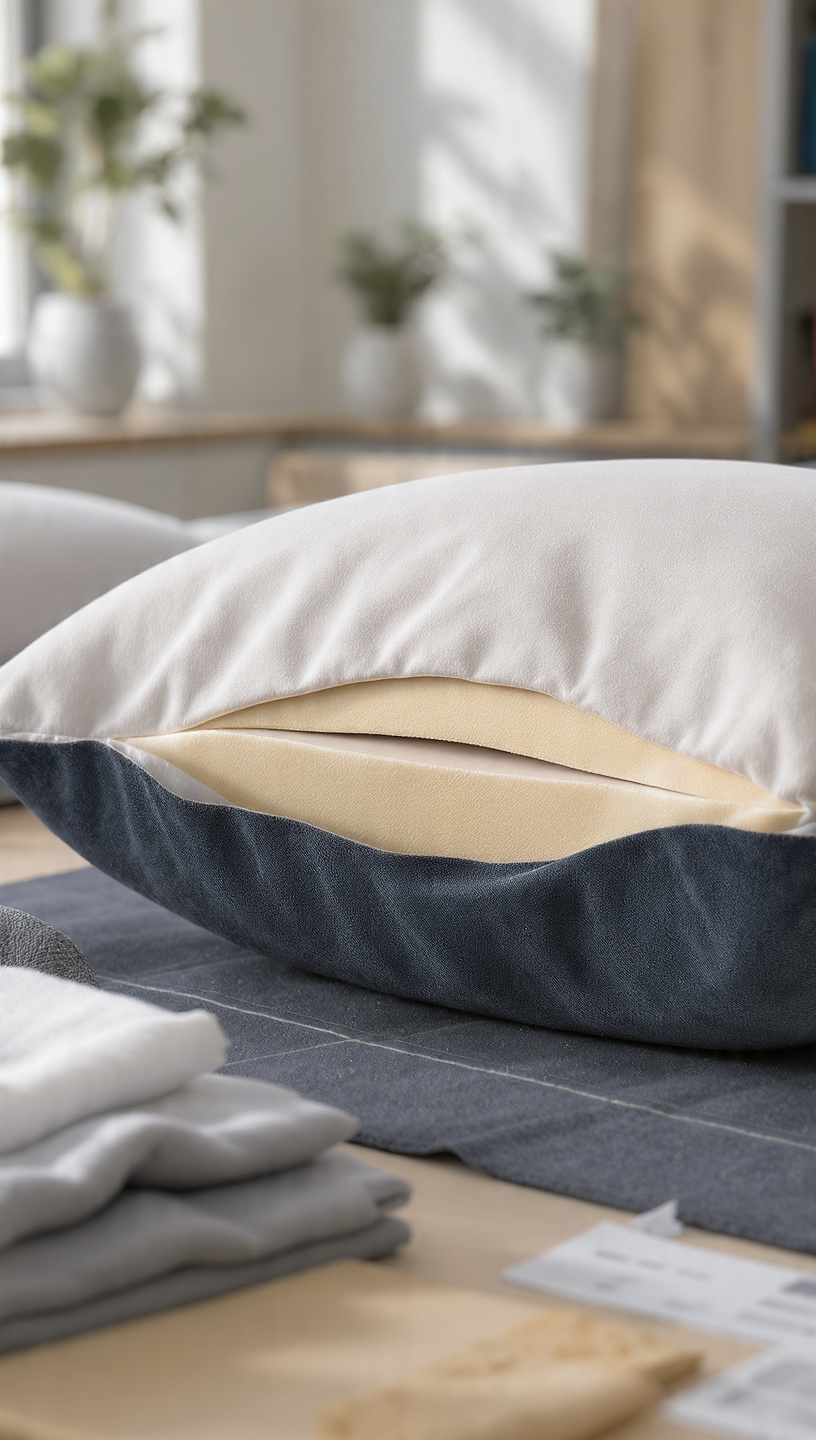
The descriptive marketing labels pasted on showroom cushions often hide the actual quality of the interior flexible polyurethane foam.
Most mass-market retail sofas utilize a low-density foam core that collapses into an unsupportive pancake within a single year.
Always ask the sales representative for the exact foam density rating before swipe-authorizing your payment card.
A premium tier rating lands comfortably at 2.0 pounds per cubic foot or higher for long-lasting structural resiliency.
Down-wrapped cushions offer an incredibly luxurious initial sink but require relentless manual reshaping to look neat.
The loose feathers naturally migrate to the outer corners, leaving an uncomfortable, hollow depression right where you sit.
Choosing a high-density foam core wrapped in a soft polyester film layer provides the ultimate compromise for busy households.
This intelligent hybrid construction delivers a supportive, crisp look without demanding constant structural fluffing and maintenance.
Sofa Springs – Cheap vs Luxury Support
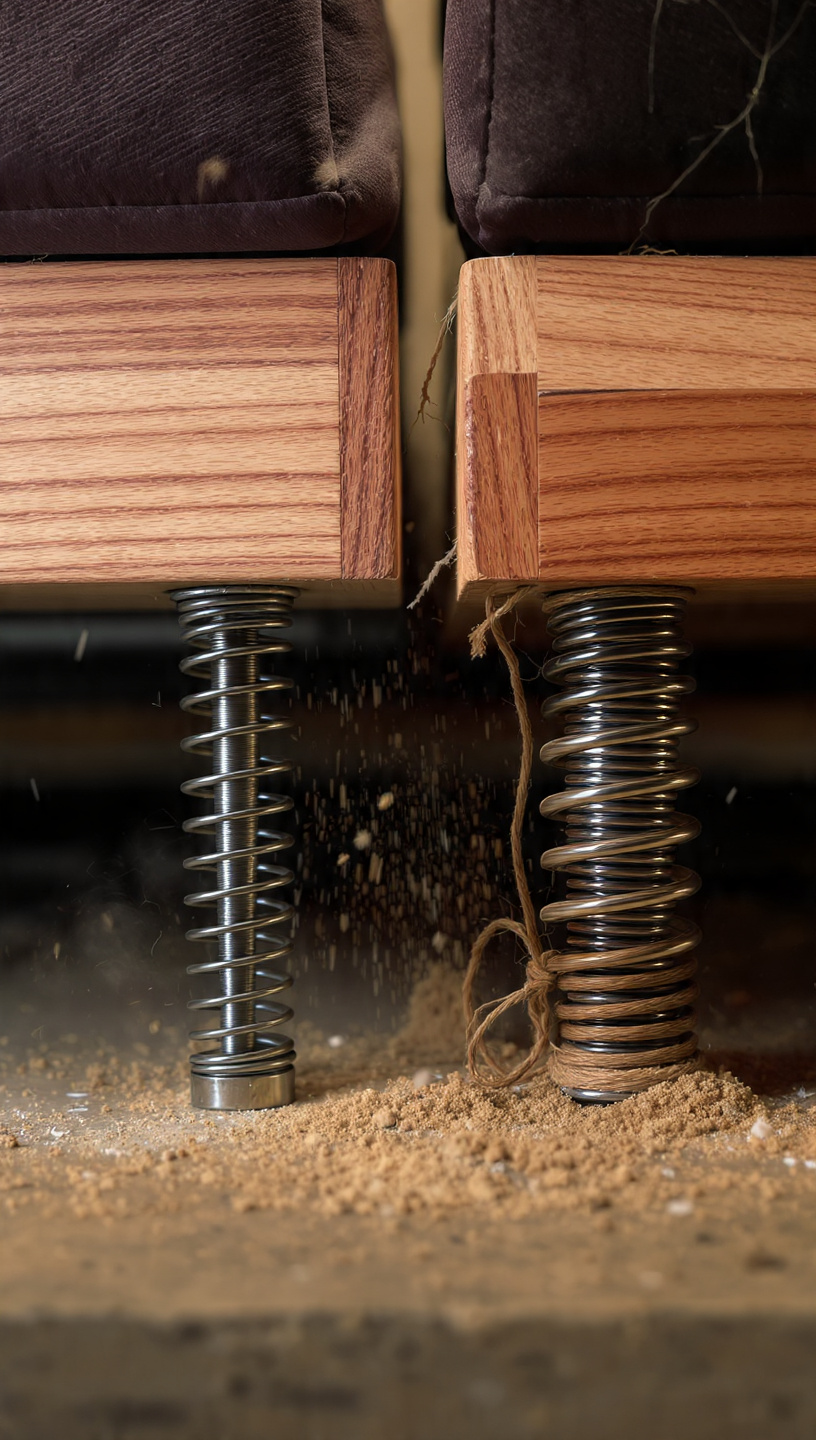
The internal spring system is the hidden engine of your sofa that supports your body weight every single day. Sinuous wire systems use wiggly, snake-like metal coils running across the frame to create a bouncy and lightweight seat. While these springs work fine for low modern couches, they can sag quickly under heavy daily use.
The absolute gold standard of luxury furniture is the eight-way hand-tied spring setup. For this premium method, skilled builders tie heavy iron coils together by hand using strong twine in eight different directions inside the base. This tight web distributes your weight perfectly so that permanent sinkholes never form under your favorite seats.
You can easily test the strength of a sofa by firmly pressing your hand directly into the center of the bottom base. If you feel excessive side-to-side swaying, it means the suspension framework is weak and poorly made. A weak system like this will fail and break down long before the outside fabric even begins to wear thin.
Always check the hidden inside support of a couch before you spend your hard-earned money. Choosing high-quality engineering over pretty looks ensures your sofa stays comfortable for years and survives multiple apartment moves.
Geometry of Depth & Seat Height

Finding a sofa that perfectly fits your specific physical proportions prevents chronic lower back pain and evening discomfort.
Deep-seat configurations stretching past twenty-four inches are engineered specifically for tall individuals who love lounging flat.
Shorter family members will find their legs dangling awkwardly off the edge, cutting off natural lower blood circulation.
A standard seat depth of twenty-one inches allows shorter adults to sit upright comfortably with their feet flat on the floor.
Pay close attention to the absolute vertical height of the backrest cushion relative to your seating posture.
Low-profile European designs look incredibly sleek and modern but offer zero upper neck support during long movie nights.
Measure your favorite existing armchair to establish a highly accurate benchmark for your personal seating comfort zone.
Bringing these precise geometric measurements with you prevents expensive ordering mistakes driven strictly by viral social media trends.
Durable Sofa Fabrics DESIGN

The fabric you choose for your sofa affects how well it holds up over time. In homes with pets, children, or frequent guests, durable fabrics can help keep your sofa looking clean and in good condition. Choosing the right material also makes everyday maintenance much easier.
Performance velvet is a popular option because it is strong, soft, and resistant to snags. Since it does not have loose woven loops, pet claws are less likely to catch on the fabric. It is also easy to clean, making it a practical choice for busy households.
Many modern sofas use performance fabrics such as Crypton and solution-dyed acrylic. These materials are specially designed to resist stains and spills. Liquids stay on the surface longer, allowing you to wipe them away before they can soak into the cushions and cause lasting damage.
Leather is another durable choice when quality matters. While bonded leather can crack and peel with regular use, top-grain leather is built to last. Over time, it develops a rich patina that adds character, making it both a stylish and long-lasting investment for your home.
Tight Hallways & Door Frames
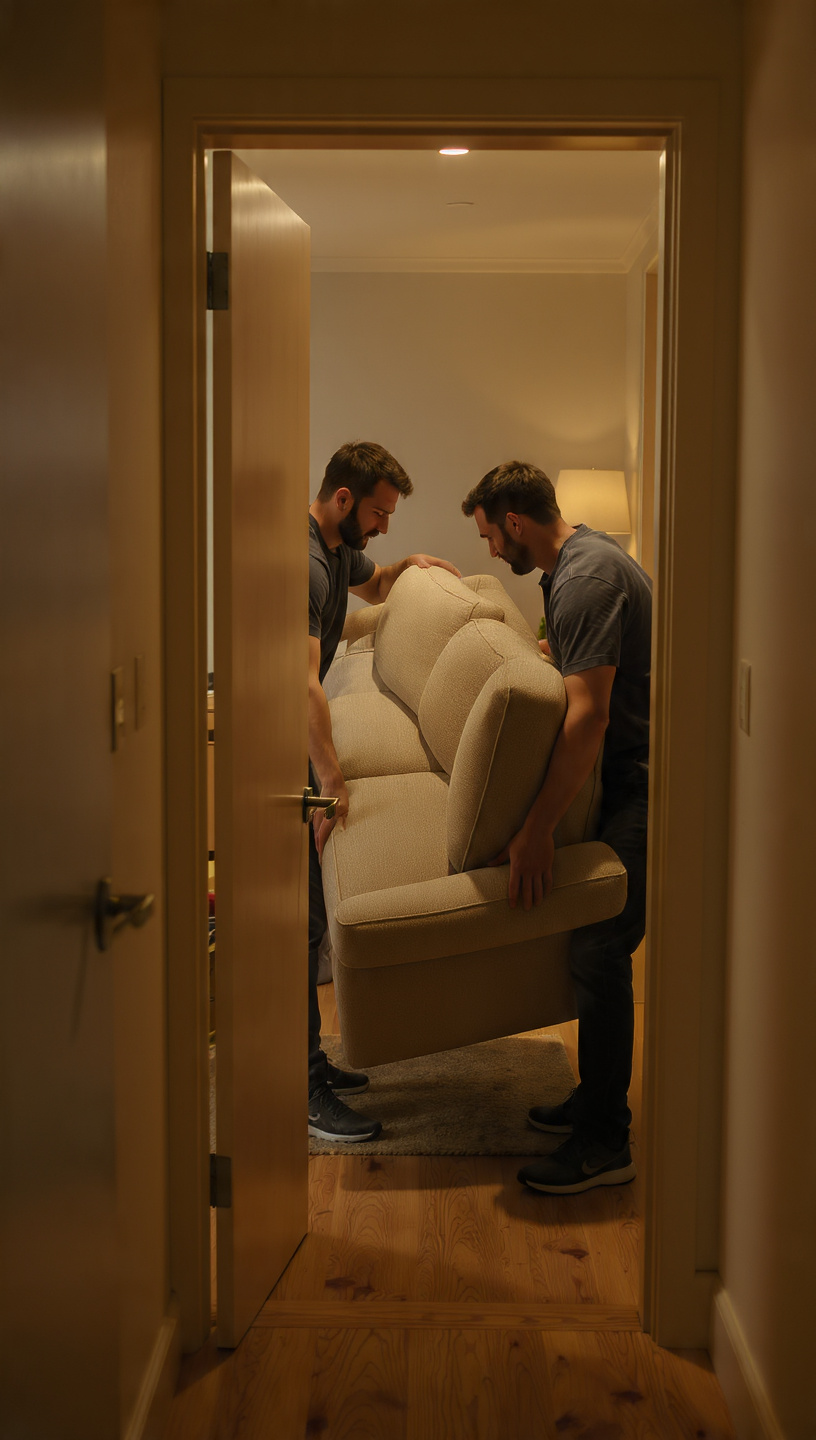
The ultimate tragedy of furniture shopping is watching a delivery team struggle to slide a gorgeous sectional through your front entrance.
You must measure the absolute narrowest clearance point along the entry path before confirming your online digital purchase order.
Take precise measurements of elevator cabin doors, tight stairwell turns, and low-hanging light fixtures in your apartment building corridor.
Compare these structural dimensions against the manufacturer’s listed box delivery size rather than just the assembled furniture footprint.
Many modular designs allow you to unscrew the wooden legs to gain an extra three inches of critical clearance space.
If your entry layout features an incredibly sharp ninety-degree turn, look for sofas featuring a removable armrest construction.
Failing to verify these physical spatial constraints often results in forced return shipping fees and severe drywall damage.
Treat the transport path as an essential part of the design process to ensure a stress-free delivery day.
Actionable Sofa Buying Recommendations

Use this quick-reference guide to select the ideal sofa engineering and fabric configurations based on your specific lifestyle dynamics.
| Target Consumer | Recommended Build | Essential Specification | Materials to Avoid |
|---|---|---|---|
| Active Pet Owners | Sinuous or Tied Spring Base | Synthetic performance velvet or tight-weave micro-denier nylon fabrics. | Loose linen tweeds, bouclé loops, and cheap bonded leather veneers. |
| Tall Loungers & Nappers | Deep-Seat Frame Setup | Minimum 24-inch seat depth paired with a supportive 2.2 high-density foam core. | Low-profile backs under 30 inches and shallow 20-inch seat depths. |
| Apartment Dwellers | Modular Modular Sectional | Removable bolt-on arms and screw-in legs for narrow hallway transitions. | Massive one-piece three-seater frames exceeding 95 inches in total length. |
| Generational Investors | Eight-Way Hand-Tied Frame | Kiln-dried hardwood timber frames with double-doweled corner block reinforcements. | Stapled particle board assemblies and unsealed composite wood parts. |
Wrap-Up
Purchasing a sofa that stands the test of time requires looking past superficial styling and assessing the piece as a functional, structural asset. A truly great sofa is defined by what you cannot see: the integrity of its kiln-dried hardwood frame, the resilience of its eight-way hand-tied springs, and the dense core of its high-resiliency foam cushions.
Before you finalize your purchase, step away from the visual hype and audit the technical specifications. Calculate the rub count of the fabric, verify the joinery methods, and map out the scale within your room using physical boundaries. By treating this purchase as a long-term infrastructure investment rather than a temporary decor choice, you ensure that your living room remains both highly functional and structurally sound for years to come.
Technical Checklist for Your Purchase
- Frame: Insist on kiln-dried hardwood with double-doweled and corner-blocked joints. Avoid engineered staples.
- Suspension: Prioritize sinuous springs or eight-way hand-tied coils over simple elastic webbing.
- Textiles: Look for a Wyzenbeek double-rub rating of 15,000 or higher for heavy residential use.