The world outside our front door is louder and more fast-paced than ever, making our need for a truly peaceful home sanctuary an absolute necessity. Enter Japandi—an incredibly elegant interior design movement that beautifully marries the cozy, rustic warmth of Scandinavian hygge with the refined, centuries-old serenity of Japanese minimalism.
This style isn’t just about having less stuff; it is an intentional way of living that focuses on high-quality natural materials, clean architectural lines, and a muted, earth-toned color palette that immediately signals your brain it’s time to unwind. By stripping away visual clutter and focusing on thoughtful functionality, mastering a Japandi minimalist living room design allows you to transform your most-used gathering space into a deeply calming, high-end oasis where your soul can finally catch its breath.
Japandi design merges the warm, rustic simplicity of Scandinavian hygge with the refined, timeless elegance of Japanese minimalism. This style focuses on creating an uncluttered, intentional environment where every single element serves a clear purpose while looking effortlessly high-end and welcoming.
1# Neutral Palettes
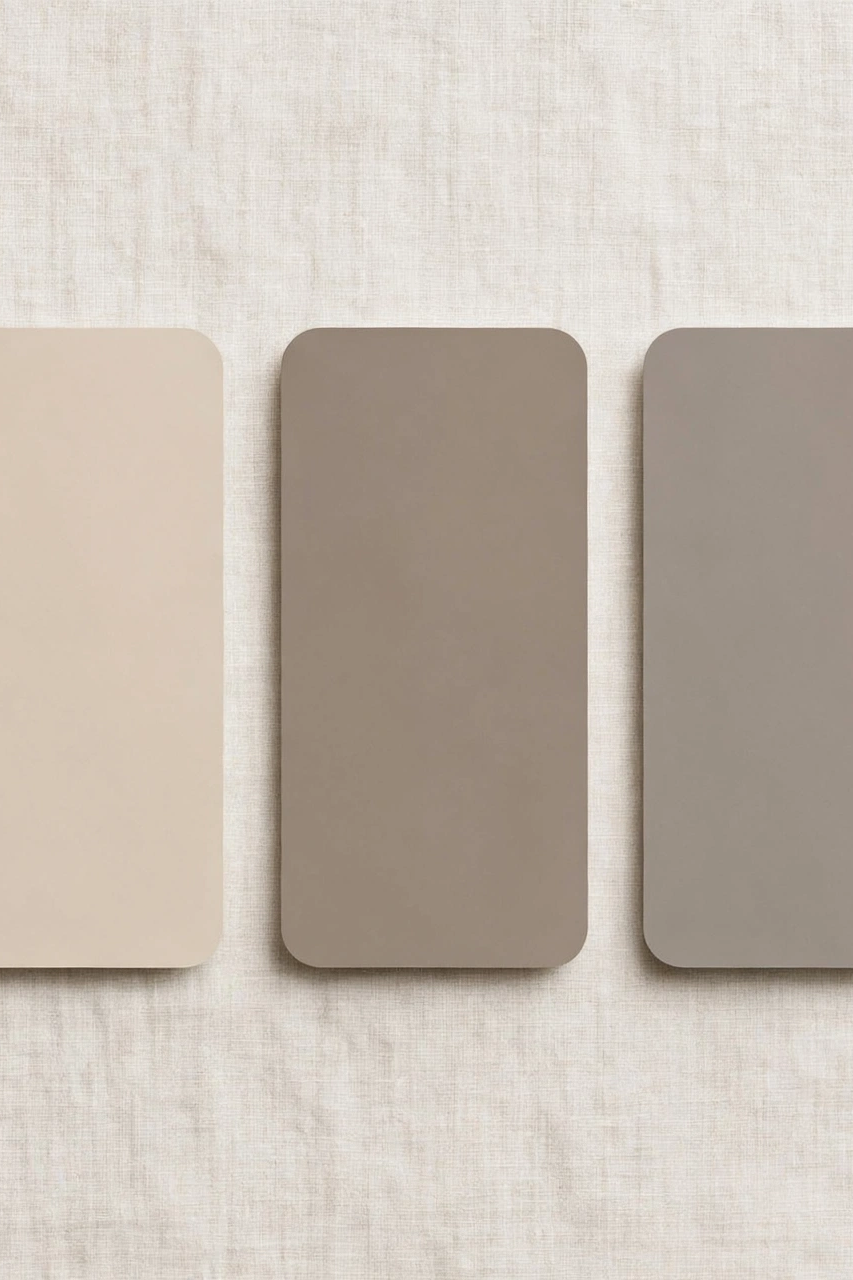
Layering soft oatmeal tones, muted sands, and warm grays sets the foundation for a truly calming Japandi minimalist living room design. Sticking to a low-contrast color scheme allows the natural light to bounce softly across your walls without harsh, jarring shadows.
Introducing subtle charcoal or deep walnut accents cuts through the light backdrop, bringing a clean and sharp graphic weight to the space. This clever contrast anchors the entire room, preventing a bright, monochrome layout from feeling washed out or entirely flat.
Mixing cool Scandi grays with warmer Japanese sepia tones creates a beautiful, balanced color temperature that feels intensely cozy yet clean. These specific shades work together harmoniously, highlighting the architectural bones of your home during different times of daily sunlight.
Using matte finishes instead of glossy paints keeps the walls looking soft, premium, and remarkably close to real, unrefined stone surfaces. This simple paint selection grounds your living area, providing a quiet canvas where your curated furniture can take center stage.
2# Low Furniture
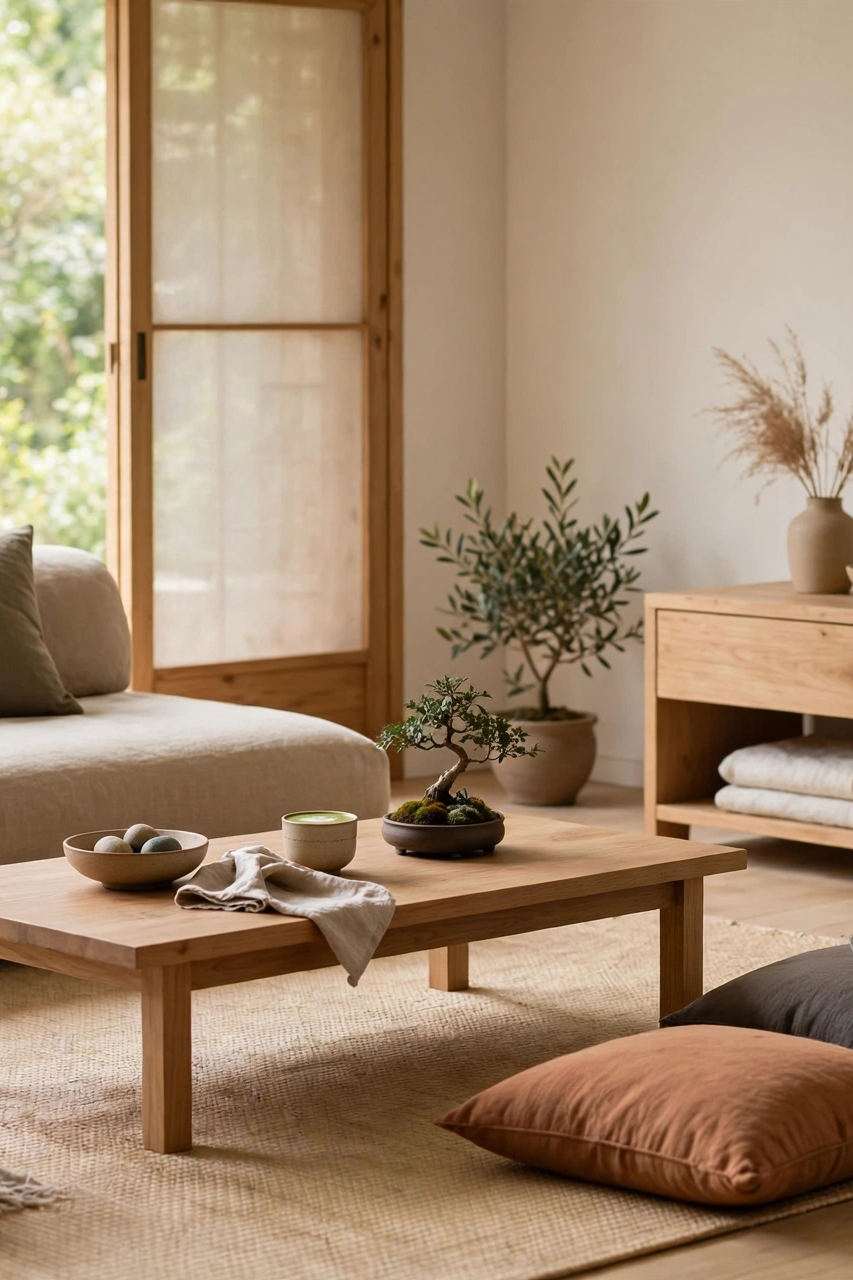
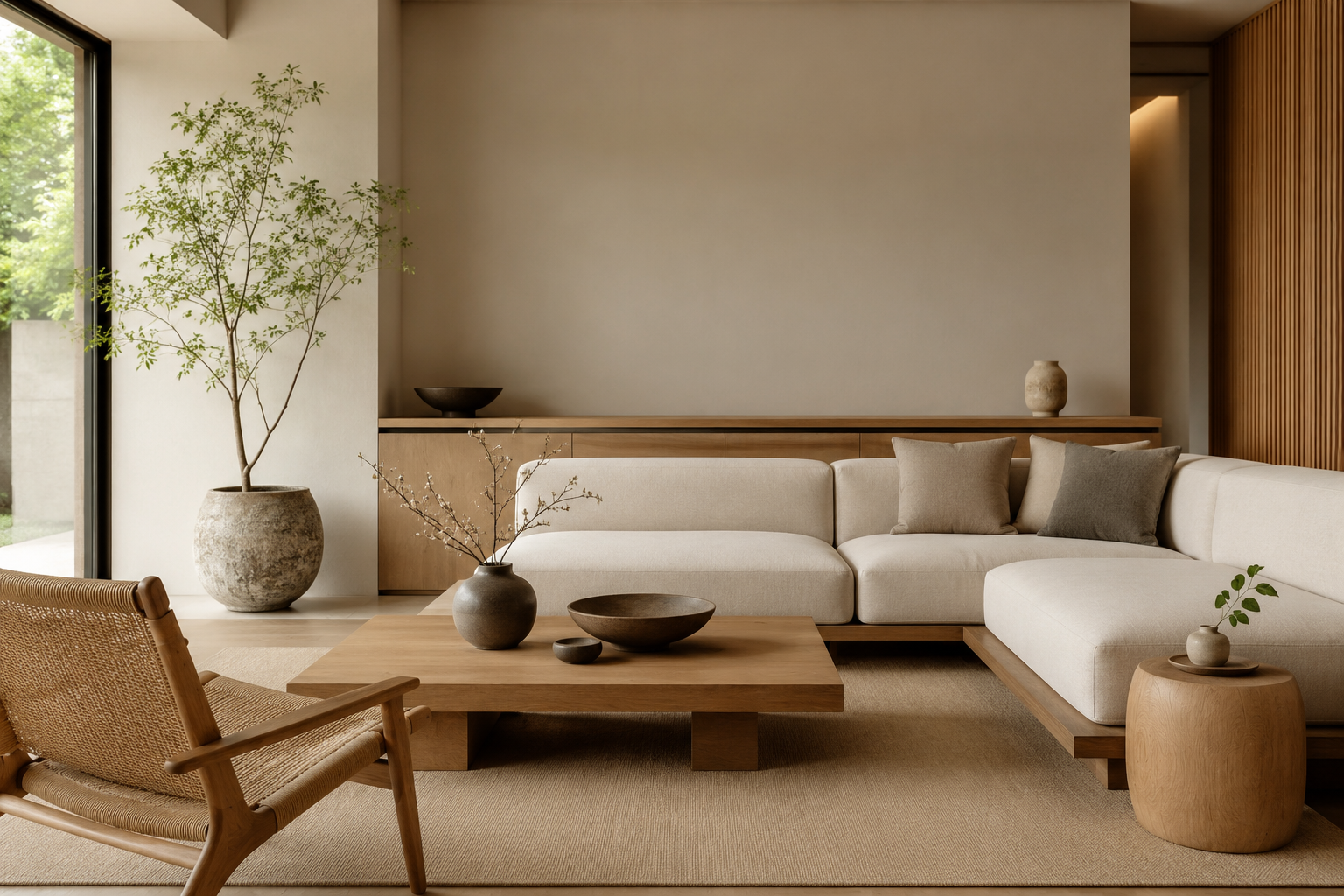
Selecting low-profile sofas and coffee tables immediately lowers the visual center of gravity, making your ceilings appear dramatically taller. This Japanese-inspired layout technique fosters an intimate, grounded energy that helps lower daily stress the moment you sit down.
Choosing seating with clean lines and exposed wooden legs ensures air and light flow freely across the lower half of the room. This floating effect removes the heavy, blocky appearance of standard American furniture, reinforcing a sense of boundless physical space.
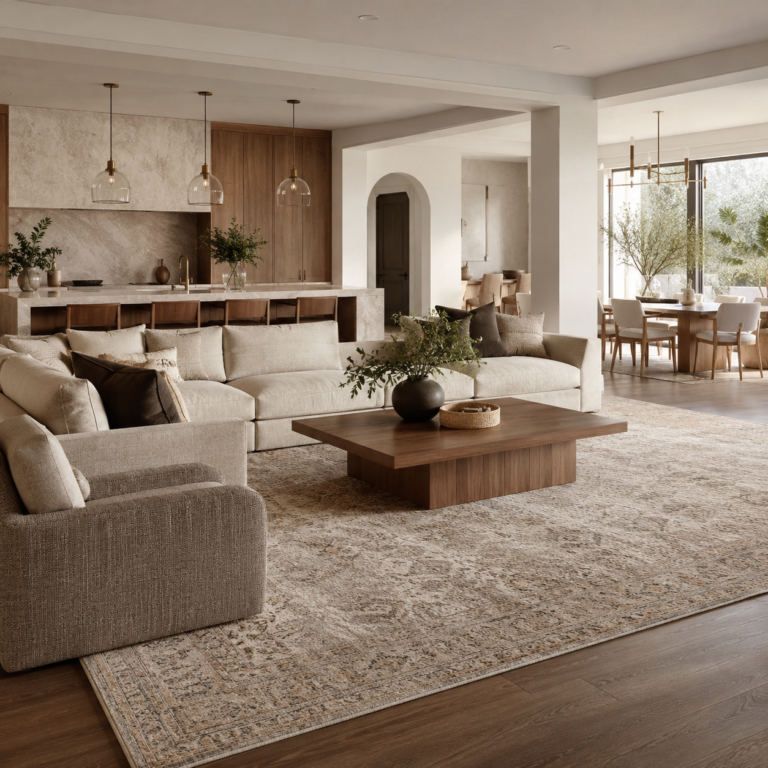
Pairing a low-slung sectional with a simple, solid oak platform coffee table creates a highly functional and uncluttered central gathering hub. The proximity to the floor encourages a relaxed, slow-living mindset that naturally invites your family to unwind completely.
Keeping your furniture profiles beneath the window sills ensures that your view of the outside world remains completely unobstructed and open. Connecting your indoor seating directly to the outdoor horizon line is a key trick to making tight city apartments feel spacious.
3# Natural Materials

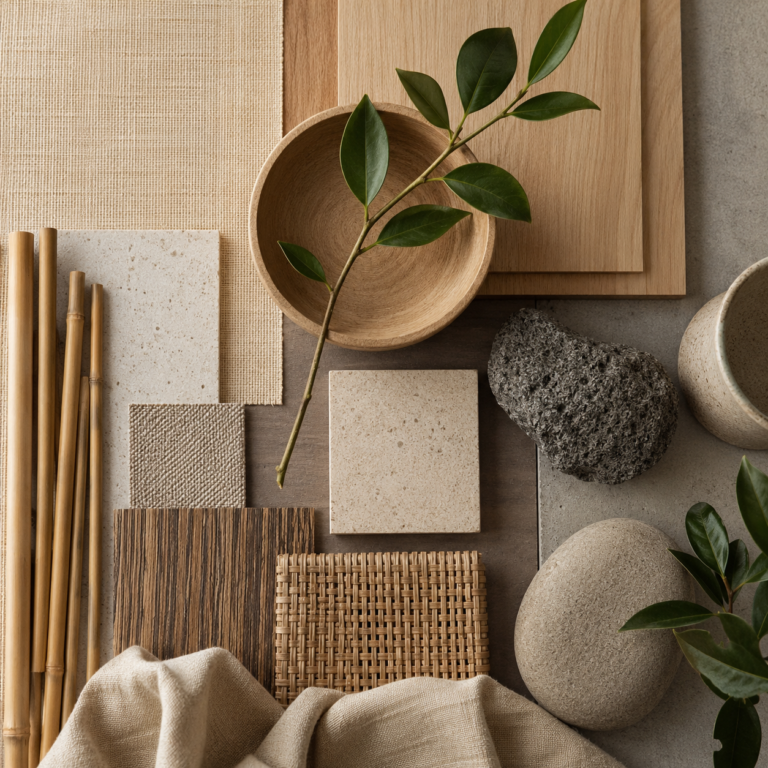
Bringing unrefined light oak, rich walnut, and structural bamboo furniture into the space instantly introduces authentic, organic warmth to your home. These natural materials age beautifully over time, celebrating the unique imperfections of grain lines and organic knots.
Incorporating breathable linen drapery and organic cotton throw blankets adds a beautiful, soft layer of tactile interest to your seating areas. The rough, slubby texture of high-quality flax linen contrasts elegantly against smooth wooden frames and sleek polished stone surfaces.
Using hand-woven seagrass baskets or woven paper-cord accent chairs injects a beautiful artisanal quality without introducing loud, distracting colors. These sustainable fibers bring an earthy scent and a relaxed texture that completely eliminates cold, clinical minimalism.
Adding raw clay vessels or porous travertine side tables introduces a gorgeous stone-like element that celebrates ancient geological beauty. These heavy, tactile accents ground the lighter wood structures, offering an incredibly sophisticated mix of industrial and organic finishes.
4# Functional Decor
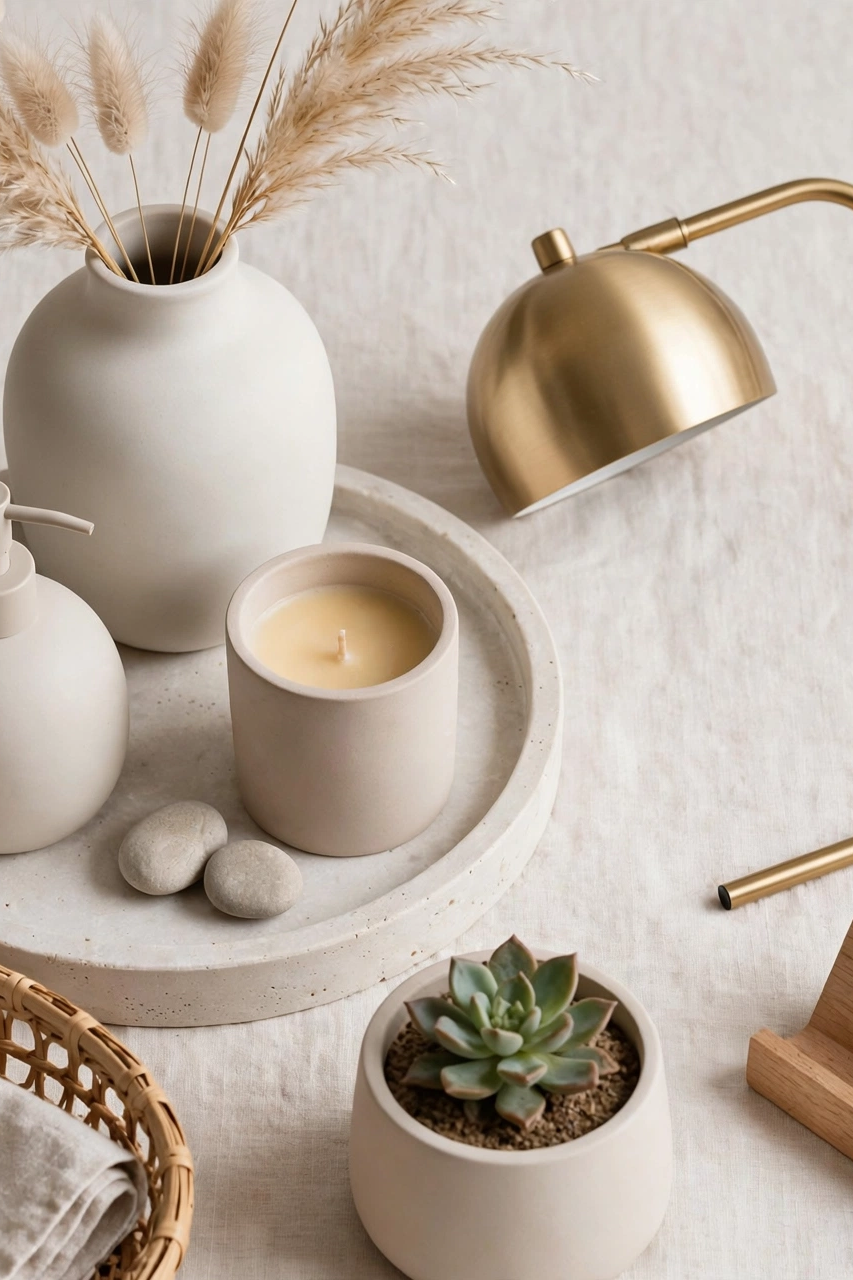
Displaying a single, hand-thrown ceramic vase on your mantelpiece makes a powerful artistic statement without cluttering up valuable surface space. In Japandi style, decorative items must either possess daily utility or offer a quiet, sculptural beauty that commands respect.
Replacing busy gallery walls with one large piece of abstract monochromatic art creates a singular, calming focal point for the eyes. This minimalist approach allows the mind to rest, focusing on scale and texture rather than trying to process multiple images.
Using beautiful, lidded wooden boxes on your open shelving hides unsightly television remotes and loose charging cables with absolute ease. This strategy transforms necessary everyday utility items into clean design elements that maintain the serene aesthetic of your room.
Styling bookshelves with only a few chosen volumes turned backward showcases the warm, neutral tone of the paper pages rather than busy cover prints. This editing trick creates a uniform, peaceful backdrop that lets the natural wood grain of the shelving shine through.
5# Botanical Accents

Placing a single, dramatic monstera leaf or a delicate branch of cherry blossom in a heavy stoneware jug creates an effortless organic display. Rather than dense floral arrangements, this design highlights the elegant, graphic silhouette of individual stems and natural leaf structures.
Positioning a sculptural Bonsai tree or a structural snake plant in a matte concrete pot introduces a living, architectural art piece. The vibrant splash of natural green pops beautifully against neutral walls, bringing a refreshing energy that cleans indoor air.
Allowing trailing pothos vines to gently cascade down the side of a tall bookshelf introduces soft, fluid lines to rigid wooden frames. This organic movement breaks up sharp angles, making the hard edges of modern architecture feel much gentler.
Utilizing dried pampas grass or tall lotus pods in floor vases provides a beautiful, zero-maintenance botanical texture that lasts for years. These muted, desaturated plant elements perfectly match the warm earth-toned palette of a classic Japandi minimalist living room design.
6# Ambient Lighting
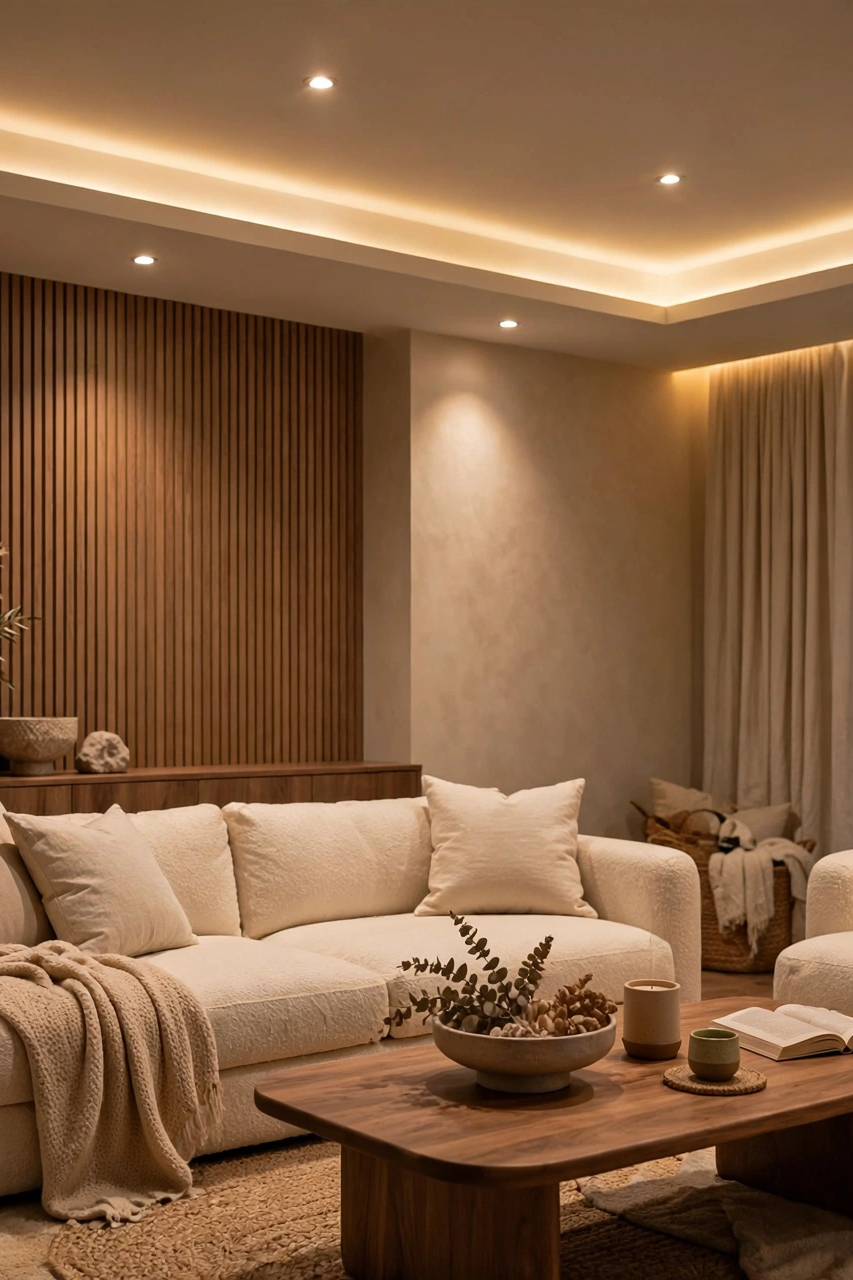
Installing architectural paper pendant lights throws a soft, diffused glow across the entire room, banishing harsh glares or deep shadows. These iconic fixtures mimic traditional Japanese shoji screens, filtering artificial light into a cozy, comforting evening experience.
Positioning sleek, matte black floor lamps right next to your primary reading chairs introduces precise, highly functional task lighting where needed. The slim metallic frames offer a delicate, modern line that cuts through the softer, organic textures of the space.
Utilizing concealed LED strip lighting beneath low wooden platforms or behind wall-mounted shelves creates an elegant, floating illusion at night. This indirect lighting method bathes the floor plane in a soothing wash of warmth, helping your mind wind down.
Placing hand-poured soy candles in heavy ceramic holders across your low coffee table brings the dancing movement of real flame. This simple Scandi hygge element adds an instantaneous feeling of sanctuary, making cold winter evenings feel incredibly safe.
7# Textile Layering

Mixing heavily textured bouclé armchairs with ultra-smooth linen sofa cushions creates an incredible tactile playground within a strictly neutral palette. This clever blending of high and low fabric piles ensures the living space feels dynamic without needing bright colors.
Draping a heavy, hand-knitted wool throw over the back of a minimalist sectional instantly injects cozy, Scandinavian warmth into the architecture. The visible chunky yarn loops offer an artisan touch that softens the sharp, straight lines of contemporary furniture.
Selecting flat-weave wool floor coverings featuring very subtle geometric borders outlines your primary conversation zone with absolute structural clarity. These understated floor textiles ground your seating pieces, providing a quiet, padded layer that feels exceptional under bare feet.
Opting for completely un-dyed, organic cotton cushion covers celebrates the raw, natural variations of the plant fibers with quiet confidence. This commitment to honest materials reinforces the eco-conscious, sustainable philosophy that underpins both design cultures perfectly.
8# Open Space
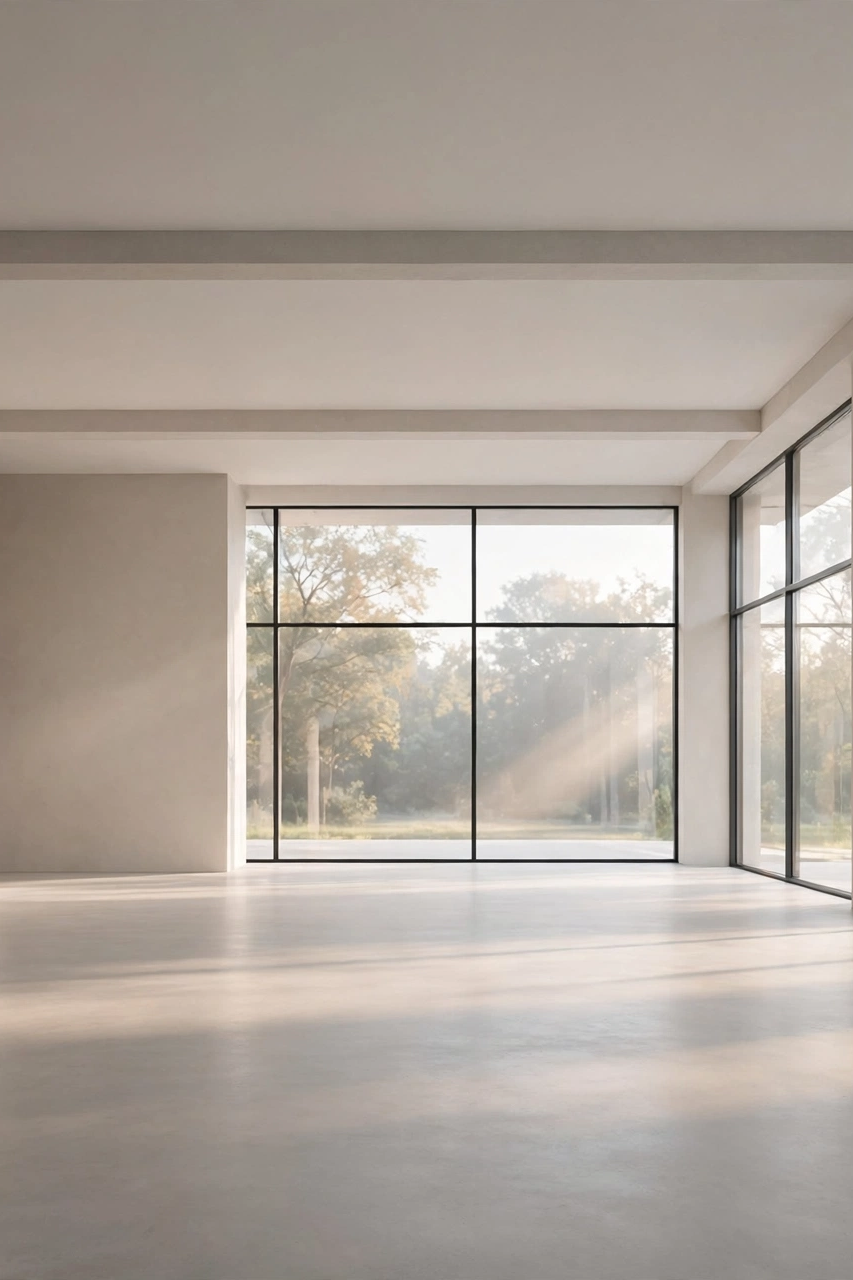
Leaving a significant portion of your floor layout entirely empty allows the room to breathe, creating a luxurious sense of calm. This intentional emptiness, known as the Japanese concept of Ma, treats negative space as a vital design element.
Arranging furniture away from the walls allows natural walkways to remain completely wide open and free from annoying physical obstructions. This free-flowing spatial design path lets energy move effortlessly through the home, reducing subconscious feelings of spatial restriction.
Resisting the urge to fill every empty corner with accent tables or floor plants keeps the room looking organized. This strict visual discipline ensures that the pieces you do choose to display receive the full attention they deserve.
Utilizing hidden, built-in storage walls that blend seamlessly into your drywall finish keeps necessary daily clutter completely out of sight. This clever architectural integration maximizes your physical floor space while presenting an unblemished, peaceful facade to your guests.
9# Subtle Contrasts

Pairing an exceptionally pale oak coffee table with a set of deep black timber dining chairs creates an elegant visual rhythm. This deliberate juxtaposition of light and dark woods prevents your neutral color scheme from melting into a boring blur.
Introducing thin, black metal frames on minimalist lounge chairs slices through the soft textile layers with beautiful, graphic precision. These sharp elements act like delicate ink brush strokes on a clean canvas, bringing structure to relaxed environments.
Matching rough, hand-carved stone bowls with perfectly smooth, circular glass tabletops creates a beautiful tension between opposite surface textures. This tactile play highlights the unique qualities of each material, celebrating both raw nature and precise human manufacturing.
Combining heavy, solid wood platform bases with lightweight, semi-translucent linen window drapes establishes a lovely sense of structural balance. The heavy elements ground the room firmly while the airy curtains keep the overall atmosphere feeling breezy.
10# Spatial Symmetry

Centering a low, rectangular coffee table perfectly within the lines of a symmetrical rug establishes an immediate sense of structural order. This classic design alignment appeals to our subconscious desire for balance, inducing an immediate wave of mental relaxation.
Flanking a low-profile media console with two identical, minimalist floor plants creates a clean, balanced frame for your entertainment wall. This mirrored arrangement calms the eyes, reducing the visual chaos often associated with bulky electronic screens and cables.
Aligning the top edge of your artwork precisely with the height of nearby door frames creates a clean visual horizon line. This subtle architectural continuity ties disparate elements together, making the entire living room feel custom-designed and structurally cohesive.
Arranging twin lounge chairs directly opposite a large, clean-lined sofa sets up a balanced, highly functional conversation circle. This traditional layout promotes equal interaction among guests while maintaining a perfectly mirrored, aesthetically pleasing spatial blueprint.
11# Architectural Hardware

Upgrading standard plastic switch plates to matte brushed brass or dark patinated bronze elements elevates your daily physical touchpoints. These premium metallic details offer a satisfying weight, introducing a quiet layer of luxury to the plainest drywall surfaces.
Selecting completely hidden, touch-latch cabinet doors eliminates the need for protruding handles, keeping your storage walls entirely flat. This seamless design choice maintains the uninterrupted flow of timber grain lines across your custom living room casework.
Utilizing slim, recessed black tracks for your ceiling spotlights replaces bulky, distracting light fixtures with clean, architectural lines. This modern installation method hides the source of illumination, washing your minimalist layout in light without visual clutter.
Choosing solid timber interior doors with integrated mortise handles reinforces a commitment to high-end, Japanese-inspired craftsmanship throughout the home. These heavy, flush doors slide or swing with silent precision, enhancing the overall acoustic tranquility of your space.
12# Styled Shelving
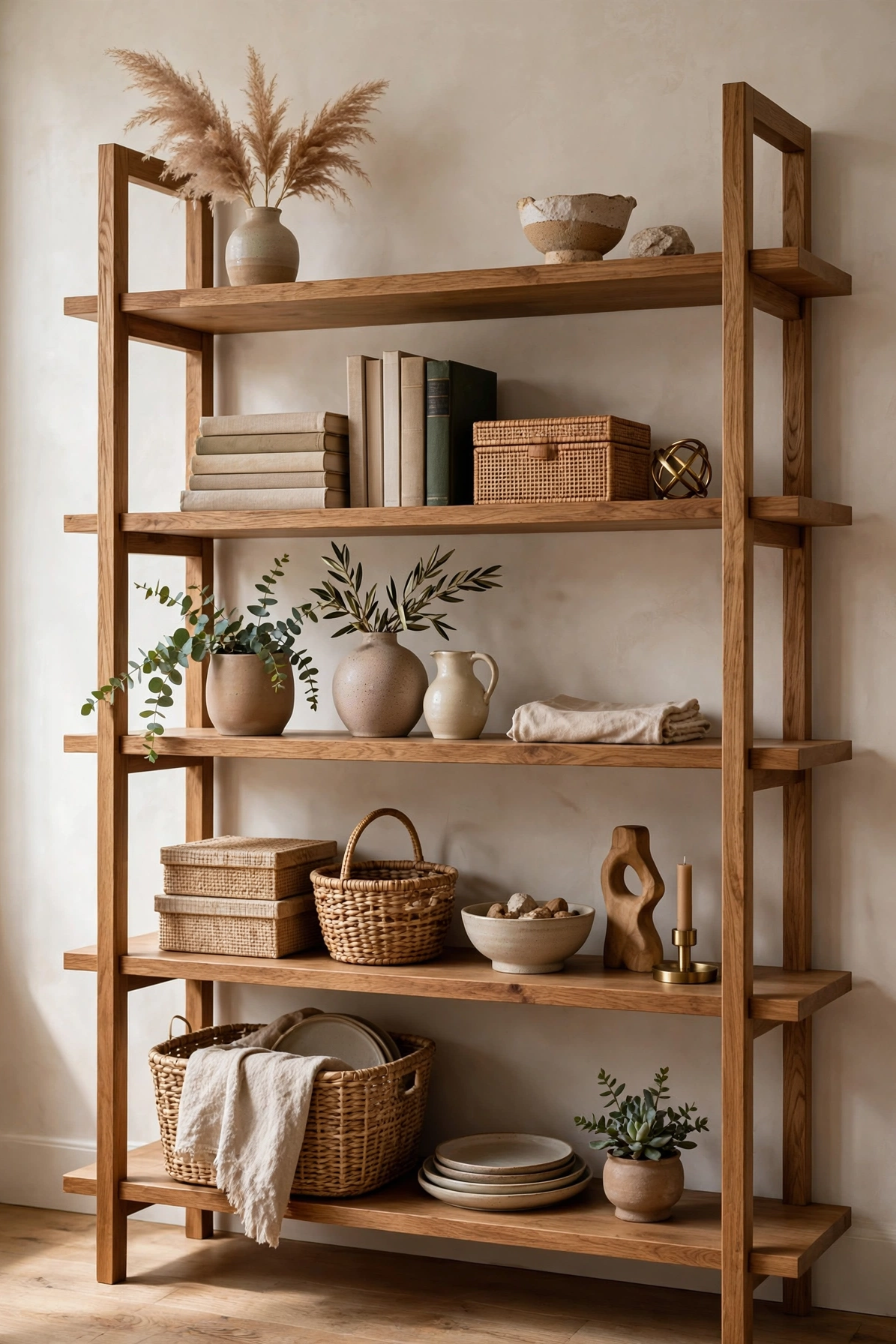
Limiting the items on your open bookshelves to a small, highly curated selection of ceramics preserves a clean aesthetic. Leaving two-thirds of each shelf completely empty creates an airy, gallery-like display that feels light and remarkably sophisticated.
Alternating between small stacks of horizontal books and singular sculptural objects keeps the eye moving gracefully across the wall. This intentional styling rhythm prevents your shelving units from looking like a dense, heavy library wall of text.
Using natural stoneware bookends with unrefined, fractured edges introduces a lovely raw element to highly structured timber shelving. These heavy pieces ground your reading material while adding a beautiful, three-dimensional texture to your display vignettes.
Grouping small, hand-painted ceramic cups together on a single shelf creates a charming, cohesive collection that honors traditional Japanese tea culture. Sticking to a unified color story ensures these small objects look organized rather than cluttered.
13# Sustainable Furniture
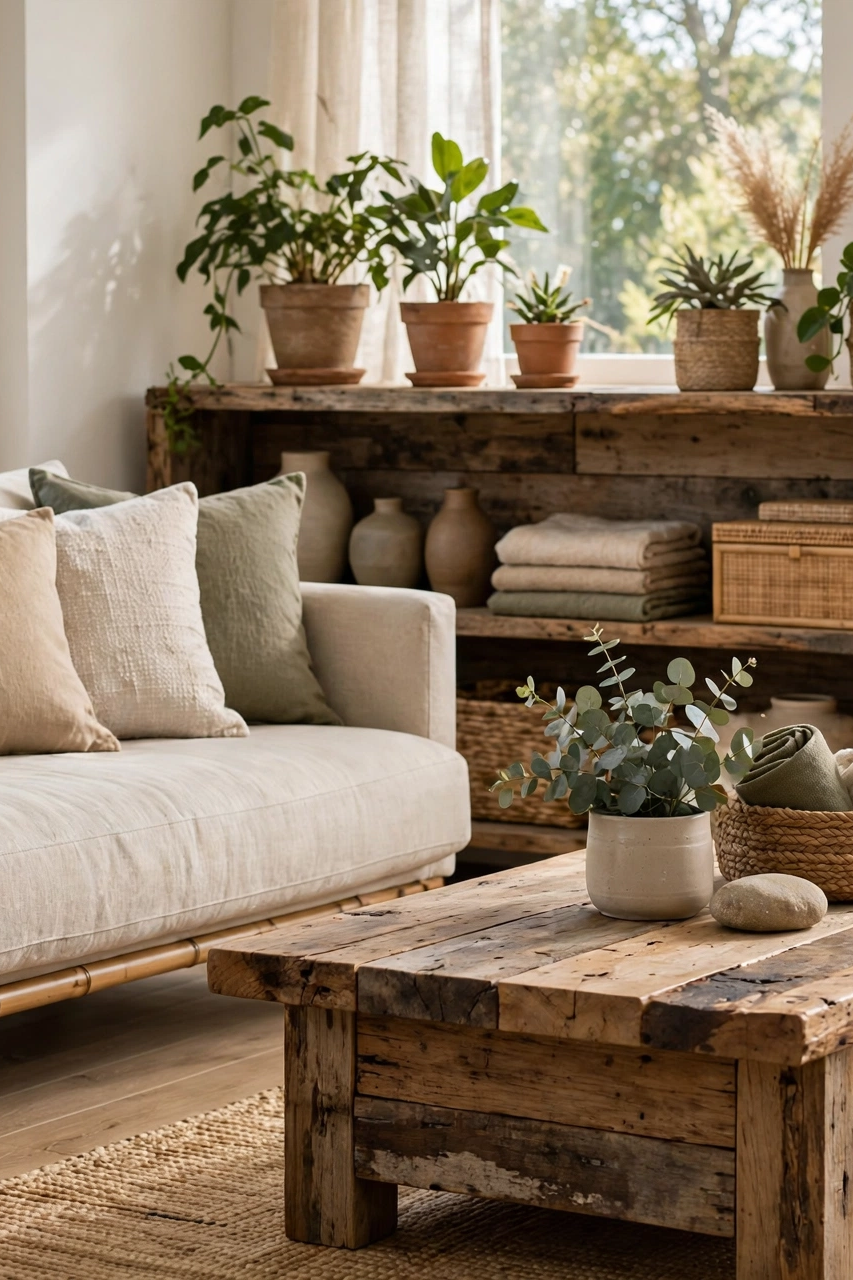
Investing in solid, certified sustainable hardwoods ensures your primary furniture pieces will last for generations without needing replacement. This eco-friendly approach aligns perfectly with both the Scandinavian respect for nature and Japanese heirloom traditions.
Choosing pieces finished with natural, non-toxic plant oils rather than thick chemical varnishes allows the real wood to breathe. These organic finishes emit zero harmful fumes, creating a healthier, cleaner breathing environment for your family.
Selecting furniture crafted by local artisans using ancient, glue-less joinery techniques celebrates the pure art of traditional woodcraft. These masterfully engineered pieces possess an inner structural strength and beauty that mass-produced plastic items cannot match.
Opting for upholstery fabrics woven from recycled wool or organically grown hemp reduces your home’s overall environmental footprint significantly. These resilient, earth-friendly textiles offer a gorgeous, slightly irregular texture that enhances the authentic Japandi vibe.
14# Window Treatments
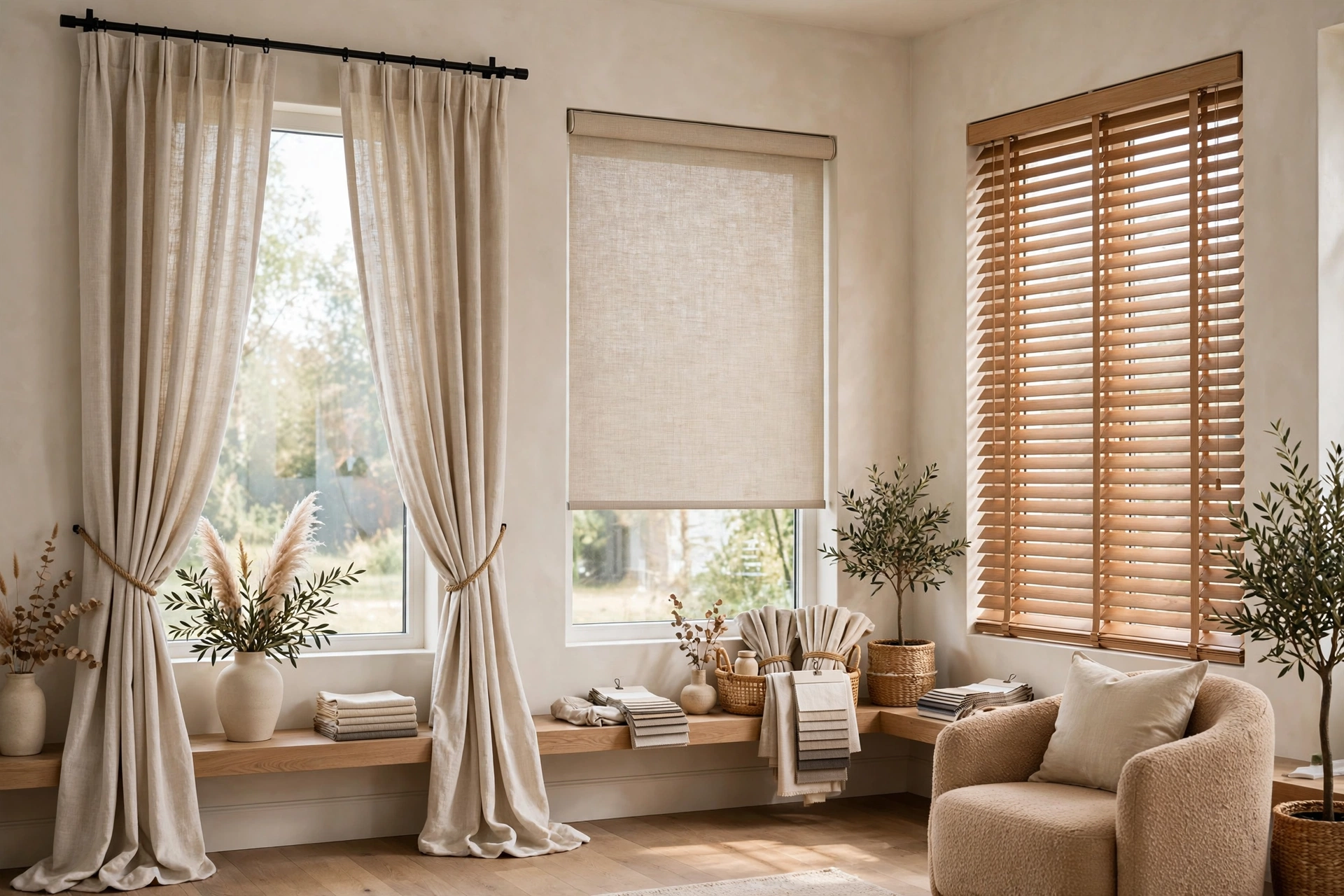
Hanging sheer linen drapes that pool slightly on the floor creates a soft, romantic frame for your natural light sources. These translucent fabrics filter harsh midday sun into a milky, serene glow that softens the clean lines of minimalism.
Utilizing wide-slat wooden venetian blinds allows you to control the angles of incoming light with absolute geometric precision. The horizontal timber slats cast beautiful, graphic shadow lines across your floors, creating a living pattern that changes hourly.
Choosing hidden drapery tracks recessed directly into the ceiling edge completely removes bulky, distracting curtain rods from your field of vision. This clean architectural detail ensures that the fabric appears to slide seamlessly out of the structure itself.
Opting for completely unlined, natural ivory or off-white fabrics ensures your living room captures every bit of available winter daylight. This design choice embraces the Nordic obsession with maximizing natural brightness during dark, cold seasonal months.
Wrap up
The art of Japandi minimalist living room design is an ongoing practice of mindful editing, focusing on quality materials and purposeful placements over mindless decoration.
By combining the cozy structural warmth of Scandinavian design with the timeless, low-profile serenity of Japanese interiors, you create a living space that feels less like a styled room and more like a deep breath for your soul.
Take a moment to look at your current living room layout, consider where you can introduce these calming principles, and pin this article to your home decor boards to guide your journey toward a more peaceful, clutter-free home today!